
If you want your fish to thrive and live a long, happy life, the right aquarium filter is a must-have. You might not see it, but your fish rely on clean, healthy water every single day.
Without a good filter, harmful waste and toxins can build up quickly, putting your fish’s health at risk. You’ll discover how to choose the perfect aquarium filter that keeps your water crystal clear and your fish swimming strong. Keep reading—you’ll learn simple tips that make a big difference for your underwater friends.
Choosing The Right Aquarium Filter
A good aquarium filter keeps fish healthy and water clean. It removes waste and toxins from the tank.
Choosing the right filter depends on your tank size and fish type. This guide helps you select the best filter.
Types Of Aquarium Filters
There are several filter types for aquariums. Each works differently to clean the water.
The main types are mechanical, biological, and chemical filters. Some filters combine these methods.
- Mechanical filters trap solid waste and debris.
- Biological filters use bacteria to break down harmful substances.
- Chemical filters remove toxins with activated carbon or other media.
- Canister filters are powerful and sit outside the tank.
- Hang-on-back filters are easy to install and maintain.
- Sponge filters are gentle and good for small tanks or fry.
Filter Size And Capacity
Filter size matters for cleaning power. A filter must handle the tank’s water volume well.
Check the filter’s flow rate. It shows how many gallons per hour the filter can clean.
- Choose a filter with a flow rate 4 to 5 times your tank size per hour.
- For a 20-gallon tank, pick a filter with 80 to 100 gallons per hour flow rate.
- A stronger filter works better for tanks with many fish.
Compatibility With Tank Size
Not all filters fit every tank. Size and style must match your aquarium.
Small tanks need compact filters with gentle flow. Large tanks need strong filters with high flow.
- For tanks under 10 gallons, use sponge or small hang-on-back filters.
- For 10 to 40 gallons, use hang-on-back or canister filters.
- For tanks over 40 gallons, canister or large power filters work best.
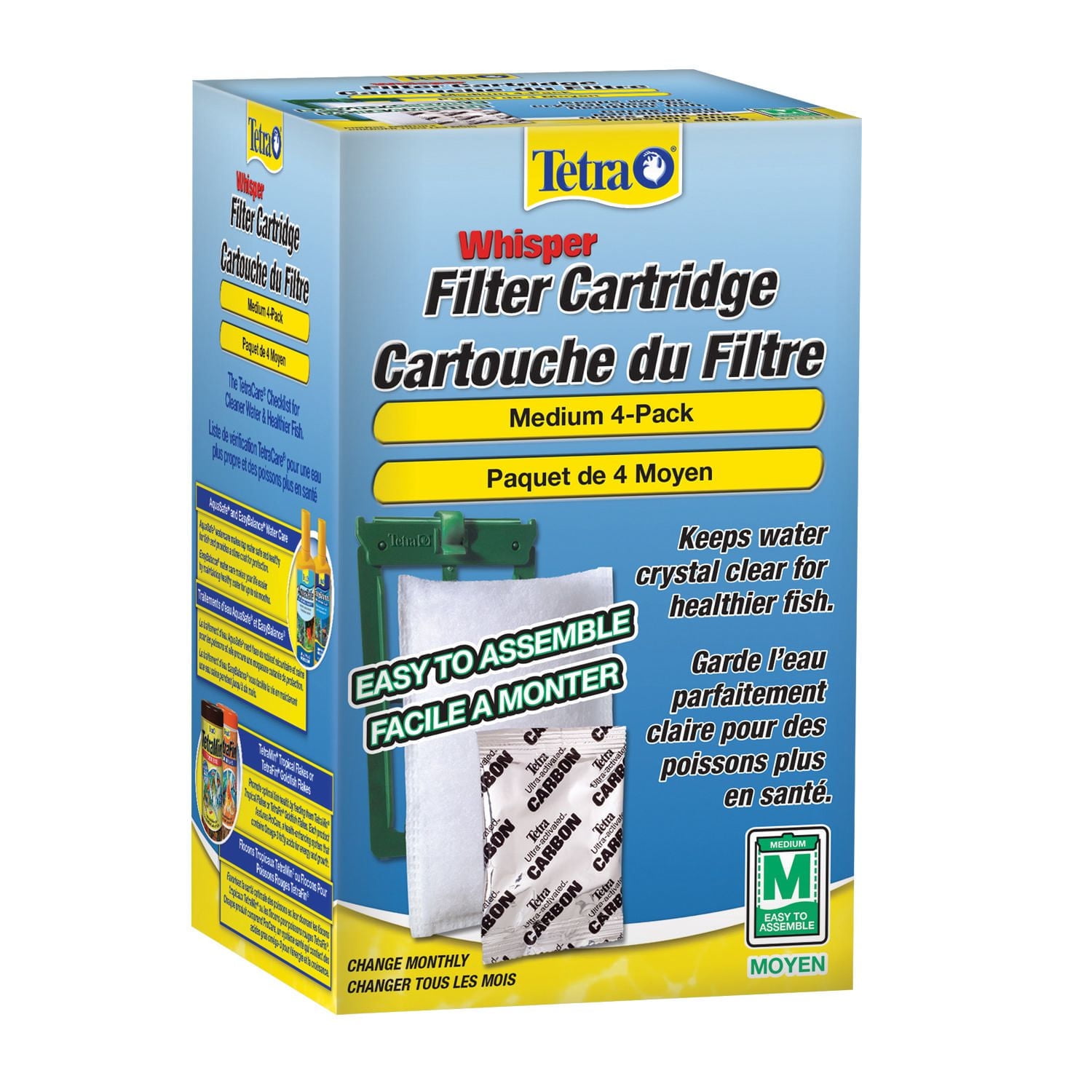
Credit: www.walmart.ca
Setting Up Your Filter Correctly
An aquarium filter keeps the water clean for healthy fish. Setting it up right helps your fish live well. This guide shows how to set up your filter correctly.
Follow simple steps to place, install, and start your filter. Good setup improves water quality and fish health.
Proper Placement In The Aquarium
Place the filter where water flows well. It should spread clean water evenly in the tank. Avoid spots with low water movement.
Keep the filter away from decorations that block water flow. Also, do not place it too close to the fish’s resting area.
- Choose a spot with good water circulation
- Avoid blocking decorations near the filter
- Keep distance from fish hiding places
Installation Tips
Read the filter manual before starting installation. Make sure all parts are clean and ready to use. Attach tubes and cartridges tightly to prevent leaks.
Use a clean bucket to add water during setup. Avoid adding dirty water to the filter system. Check for any loose connections after installation.
- Clean parts before installation
- Attach tubes and cartridges firmly
- Use clean water for setup
- Check for leaks and loose parts
Starting The Filter
Fill the filter with water before turning it on. This prevents the motor from running dry. Turn on the filter and watch for steady water flow.
If the filter makes strange noises, turn it off and check for air bubbles. Remove any trapped air to help the filter work quietly. Keep the filter running all day for best results.
- Fill filter with water first
- Turn on and check water flow
- Remove air bubbles if noisy
- Keep filter running continuously
Maintaining Filter Efficiency
Keeping your aquarium filter efficient is key for healthy fish. A good filter ensures clean water and a balanced ecosystem. Regular maintenance helps the filter work at its best.
Here are some tips to maintain your aquarium filter. Follow a cleaning schedule and replace parts when needed. Avoid mistakes that reduce efficiency.
Regular Cleaning Schedule
Cleaning your filter regularly keeps it running smoothly. A dirty filter can harm your fish. Make a schedule to clean the filter parts.
- Check the filter weekly for debris
- Rinse the filter media in aquarium water
- Clean the filter casing monthly
Replacing Filter Media
Filter media needs replacing to stay effective. Old media can clog and not filter properly. Know when to change these important parts.
Follow the manufacturer’s guidelines for replacing media. Keep extra media on hand for easy changes.
Avoiding Common Mistakes
Some mistakes can harm your filter’s efficiency. Avoid these common issues to keep your fish healthy.
- Do not over-clean the filter media
- Avoid using soap or chemicals for cleaning
- Ensure the filter is assembled correctly
Improving Water Quality
Clean water is very important for fish health. Aquarium filters help keep water clear and safe.
Filters remove waste and harmful substances. This creates a better home for your fish.
Mechanical Filtration Benefits
Mechanical filtration removes solid waste from the water. It traps fish waste, uneaten food, and debris.
This keeps the water clear and stops dirt from building up. It helps prevent fish illness.
- Removes particles and debris
- Improves water clarity
- Prevents filter clogging
- Protects fish from harmful waste
Biological Filtration Role
Biological filtration uses good bacteria to break down harmful chemicals. These bacteria live on filter surfaces.
They change fish waste into less harmful substances. This keeps ammonia and nitrite levels low.
- Breaks down ammonia and nitrites
- Supports healthy bacteria growth
- Keeps water safe for fish
- Maintains natural water balance
Chemical Filtration Uses
Chemical filtration removes toxins and impurities. It uses materials like activated carbon to clean the water.
This filter type helps remove smells, colors, and chemicals that can harm fish. It improves water quality fast.
- Removes harmful chemicals
- Eliminates odors and discoloration
- Improves water taste and clarity
- Protects fish from toxins
Troubleshooting Filter Problems
Maintaining a clean and healthy aquarium depends on a working filter. Filters help keep the water clear and safe for your fish. Sometimes, filters can have issues that need fixing.
This guide covers common problems with aquarium filters. It explains how to spot and solve noisy filters, reduced water flow, and leaks.
Noisy Filters
Noisy filters can stress your fish and disturb your home. Noise often comes from trapped air, loose parts, or dirty components. Fixing the noise can be simple.
- Check if air is trapped inside the filter and release it.
- Tighten any loose screws or parts.
- Clean the impeller and remove debris.
- Make sure the filter is placed on a stable surface.
Reduced Water Flow
Low water flow means the filter is not working well. This can harm your fish by lowering water quality. Clogged parts or worn-out filters cause this issue.
| Cause | Solution |
|---|---|
| Clogged filter media | Rinse or replace the filter media |
| Blocked impeller | Remove debris and clean impeller |
| Dirty intake tube | Clean or replace the intake tube |
| Old or damaged motor | Replace the motor or filter |
Leaks And Malfunctions
Leaks can cause water damage and harm fish. Malfunctions may stop the filter from running. Fix these quickly to protect your aquarium.
- Inspect all seals and O-rings for cracks.
- Replace any worn or damaged seals.
- Check hoses and connections for tight fits.
- Ensure the filter is assembled correctly.
- Test the filter outside the tank to find leaks.

Credit: www.amazon.ca
Enhancing Fish Health With Filtration
A good aquarium filter helps keep fish healthy. It cleans the water and creates a safe home.
Filtration removes waste and keeps water clear. This makes fish live longer and feel better.
Preventing Disease
Filters remove harmful particles and toxins from the water. This stops bacteria and viruses from spreading.
Clean water lowers the chance of fish getting sick. It keeps their immune system strong.
- Removes fish waste and leftover food
- Filters out harmful chemicals
- Reduces disease-causing germs
Maintaining Oxygen Levels
Filters help move water around the tank. This lets oxygen enter the water for fish to breathe.
Good oxygen levels keep fish active and healthy. It also helps plants and beneficial bacteria grow.
- Circulates water to add oxygen
- Prevents stagnant areas
- Supports fish breathing and energy
Supporting Beneficial Bacteria
Filters provide a home for helpful bacteria. These bacteria break down waste into less harmful substances.
Beneficial bacteria keep the water safe for fish. They reduce ammonia and nitrites that can hurt fish.
- Houses good bacteria on filter surfaces
- Breaks down fish waste chemicals
- Keeps water clean and safe
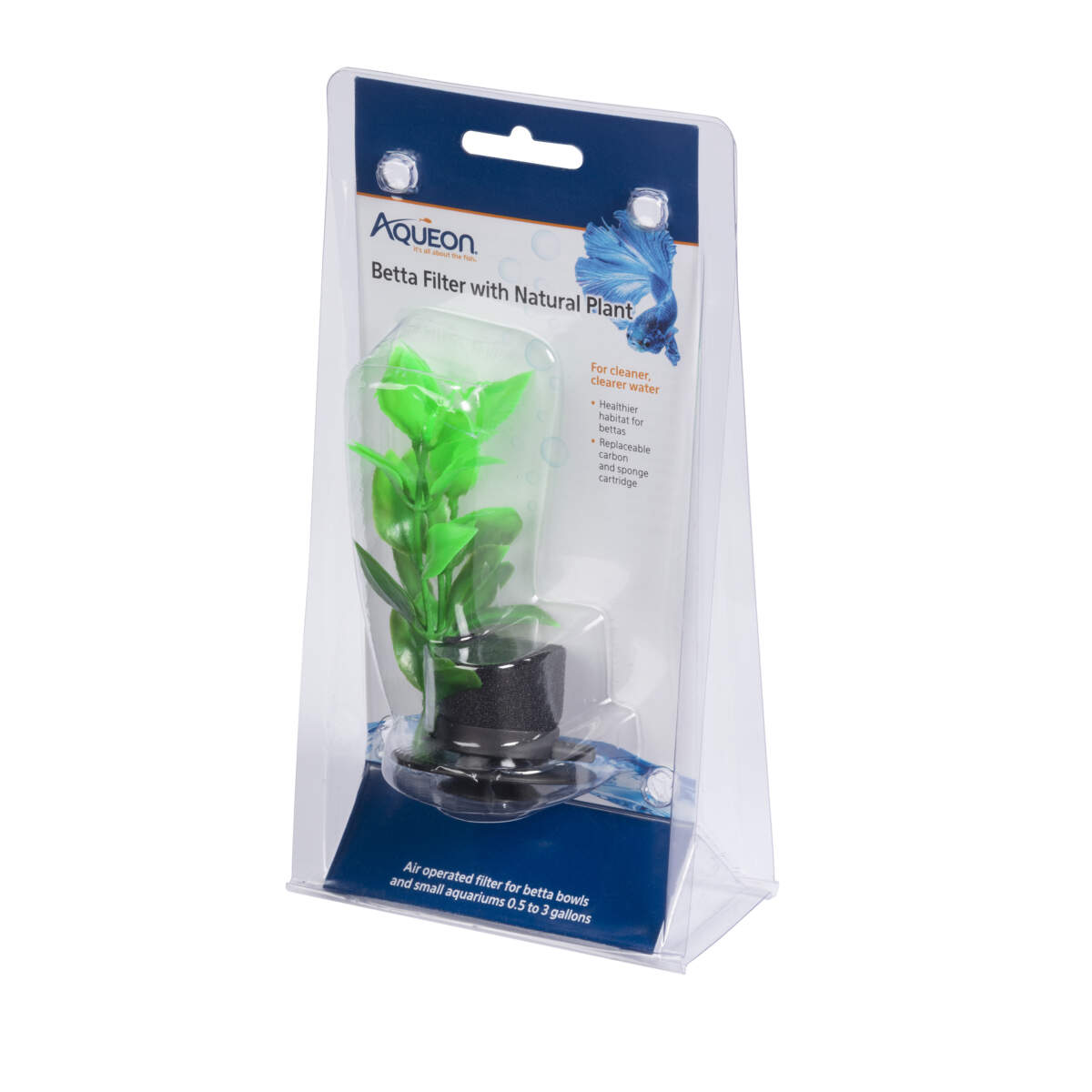
Credit: www.aqueon.com
Frequently Asked Questions
What Is The Best Aquarium Filter For Healthy Fish?
The best aquarium filter removes debris, toxins, and ammonia efficiently. It supports biological, mechanical, and chemical filtration. Choose a filter sized for your tank volume for optimal water quality and fish health.
How Often Should I Clean My Aquarium Filter?
Clean your aquarium filter every 2 to 4 weeks. Avoid over-cleaning to preserve beneficial bacteria. Rinse filter media gently with tank water to maintain effective filtration and a healthy fish environment.
Can An Aquarium Filter Improve Fish Health?
Yes, an aquarium filter improves fish health by maintaining clean water. It removes harmful substances and promotes oxygen circulation. Healthy water reduces fish stress, disease risk, and supports long-term well-being.
What Types Of Filters Are Best For Freshwater Tanks?
For freshwater tanks, hang-on-back, canister, and sponge filters work well. They offer efficient mechanical and biological filtration. Choose based on tank size, fish type, and maintenance preference for best results.
Conclusion
Choosing the right aquarium filter keeps fish healthy and water clean. Clean water means fish live longer and stay active. Filters remove waste and harmful chemicals from the tank. They help maintain a balanced environment for fish to thrive. Regular filter care is simple but very important.
A good filter makes fish tanks easier to manage. Keep your fish happy by using a reliable aquarium filter. It’s a small step with big benefits for your aquatic pets.