
Are you worried about tiny invaders harming your aquarium? Protozoa can sneak into your water and threaten the health of your fish.
If you want to keep your aquatic friends happy and thriving, controlling these microscopic pests is key. You’ll discover simple and effective ways to treat your aquarium water and stop protozoa before they cause damage. Stay with us, and you’ll learn how to protect your underwater world with ease.
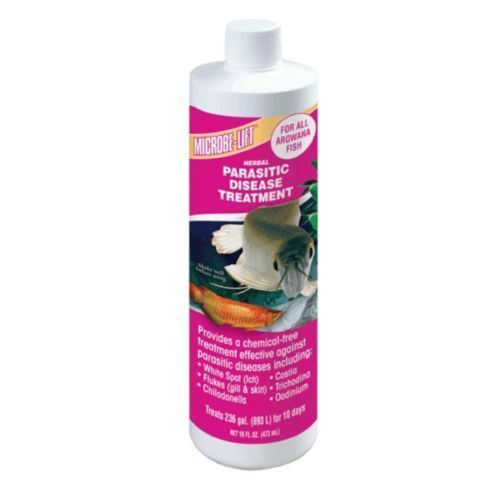
Credit: www.ebay.com
Common Protozoa In Aquariums
Protozoa are tiny organisms that live in aquarium water. Some can harm fish and plants.
Knowing which protozoa are harmful helps keep your aquarium healthy and clear.
Types Of Harmful Protozoa
Many protozoa cause disease in aquarium fish. Some common types include Ich, Costia, and Trichodina.
- Ichthyophthirius multifiliis (Ich): Causes white spots on fish skin and fins.
- Costia (Ichthyobodo): Leads to skin irritation and mucus buildup.
- Trichodina: Appears as rings on fish skin and gills, causing breathing problems.
- Hexamita: Infects fish intestines, causing weight loss and poor health.
- Oodinium (Velvet): Gives fish a dusty gold or rust-colored coating.
Signs Of Protozoan Infestation
Fish show many signs if protozoa infest the aquarium. Watch for changes to act fast.
| Sign | Cause | Description |
| White spots | Ichthyophthirius | Small white dots on skin and fins. |
| Excess mucus | Costia | Thick slime covering fish body. |
| Rapid breathing | Trichodina | Fish gasp or breathe quickly at surface. |
| Weight loss | Hexamita | Thin, weak fish with poor appetite. |
| Gold dust coating | Oodinium | Velvet-like shimmer on skin and fins. |

Credit: www.nt-labs.com
Water Quality And Its Impact
Good water quality is key for a healthy aquarium. It helps keep protozoa in control and fish safe.
Bad water conditions can let harmful protozoa grow fast. This causes illness in fish.
Role Of Water Parameters
Water parameters like pH, temperature, and hardness affect protozoa growth. Fish and protozoa both respond to these conditions.
Keeping water stable stops protozoa from spreading. It also helps fish stay strong and fight infections.
- pH:Balanced pH stops harmful protozoa.
- Temperature:Warm water can speed up protozoa growth.
- Hardness:Proper mineral levels support fish health.
- Oxygen:Good oxygen levels help fish resist disease.
Effect Of Poor Water Quality On Protozoa
Poor water quality creates a good home for harmful protozoa. Dirty water makes fish weak and sick.
High waste and low oxygen let protozoa multiply fast. This raises the chance of fish infections.
- High ammonia and nitrite levels harm fish and boost protozoa.
- Excess organic waste feeds protozoa growth.
- Low oxygen weakens fish immune systems.
- Unstable water stresses fish and helps parasites.
Mechanical Filtration Techniques
Mechanical filtration helps keep aquarium water clean by removing particles. It traps debris and unwanted substances like protozoa.
This process improves water clarity and protects fish from harmful organisms.
Using Filters To Remove Protozoa
Filters catch protozoa by trapping them in filter materials. This stops protozoa from spreading in the tank.
Regular cleaning of filters keeps them working well and removes trapped protozoa safely.
Choosing The Right Filter Media
Filter media affects how well the filter removes protozoa. Some media catch smaller particles better.
- Sponge filters trap large and small debris gently
- Foam pads offer fine filtration and good water flow
- Filter floss catches very fine particles, including protozoa
- Ceramic rings do not trap protozoa but support beneficial bacteria
Use a combination of media for best protozoa removal and water quality.
Chemical Treatments For Protozoa
Keeping your aquarium healthy involves treating protozoa. Chemicals can effectively control these tiny organisms.
Using safe medications is vital for the well-being of your fish. Proper dosage ensures effectiveness without harm.
Safe Medications And Dosages
Medications are available to treat protozoa in aquariums. Choosing the right one ensures effective treatment.
- Copper Sulfate: Use 0.15 mg/L for 10 days
- Formalin: Use 25 mg/L for 30 minutes
- Malachite Green: Use 0.1 mg/L for 1 hour
Potential Side Effects On Fish
Chemicals can have side effects on fish. It is important to monitor their reactions closely.
| Medication | Side Effect |
| Copper Sulfate | Damage to gills |
| Formalin | Respiratory distress |
| Malachite Green | Skin irritation |
Natural Remedies And Biological Control
Keeping aquarium water clean is key for healthy fish. Protozoa can cause diseases in fish and need control.
Natural remedies and biological control use safe, eco-friendly ways to manage protozoa. These methods help balance aquarium life.
Beneficial Bacteria And Protozoa
Good bacteria break down waste and harmful substances in water. They keep the tank clean and reduce protozoa growth.
Some protozoa eat harmful microbes, acting as natural cleaners. They help keep harmful protozoa under control.
- Beneficial bacteria consume fish waste and uneaten food
- Good protozoa feed on harmful pathogens
- Both improve water quality and fish health
Herbal And Organic Treatments
Herbs and plant extracts can treat protozoa without chemicals. These natural options are safe for fish and plants.
Common herbs include garlic, neem, and tea tree oil. They reduce protozoa and support fish immunity.
- Garlic boosts fish immune systems and fights protozoa
- Neem leaf extract helps clear parasites
- Tea tree oil has natural anti-parasite properties
- Regular use keeps water clean and fish healthy
Regular Maintenance Practices
Keeping your aquarium clean helps control protozoa growth. Regular care keeps fish healthy and water clear.
Simple habits can prevent problems before they start. Watch your tank often and act quickly if issues arise.
Water Changes And Cleaning
Changing water regularly removes waste and harmful protozoa. Cleaning decorations and gravel stops buildup.
- Change 10-20% of the water weekly
- Use a gravel vacuum to remove debris
- Clean filters monthly but keep beneficial bacteria
- Scrub algae off tank walls gently
- Rinse decorations in tank water, not tap water
Monitoring And Early Detection
Look for signs of protozoa such as spots or strange fish behavior. Early action helps stop spread.
| Symptom | What to Check |
| White spots on fish | Possible Ich or protozoa infection |
| Fish scratching on objects | Irritation from parasites |
| Cloudy water | Overgrowth of protozoa or bacteria |
| Fish lethargy | Stress or disease presence |
Preventing Protozoan Outbreaks
Aquarium water treatment is key to keeping fish healthy. Protozoa are tiny organisms that can harm fish if not controlled. It is important to prevent protozoan outbreaks in your aquarium.
By taking simple steps, you can ensure a safe environment for your fish. Quarantine procedures and avoiding contaminated sources are crucial. These practices help maintain clean water and healthy fish.
Quarantine Procedures
Quarantine new fish before adding them to your main tank. This helps prevent diseases from spreading. A separate tank is needed for this process.
Keep new fish in quarantine for two weeks. Watch for any signs of disease. Treat any issues before moving them to the main aquarium.
- Use a separate, clean tank for quarantine
- Monitor fish daily for health issues
- Treat diseases promptly
- Maintain proper water conditions
Avoiding Contaminated Sources
Contaminated water and equipment can introduce protozoa into your aquarium. Always use clean, treated water for your tank. This reduces the risk of harmful organisms.
Clean any new equipment before use. This includes nets, decorations, and plants. Rinse them thoroughly with treated water.
- Use treated water for all aquarium needs
- Rinse new equipment and plants thoroughly
- Regularly check and clean aquarium filters
- Replace water regularly to maintain quality
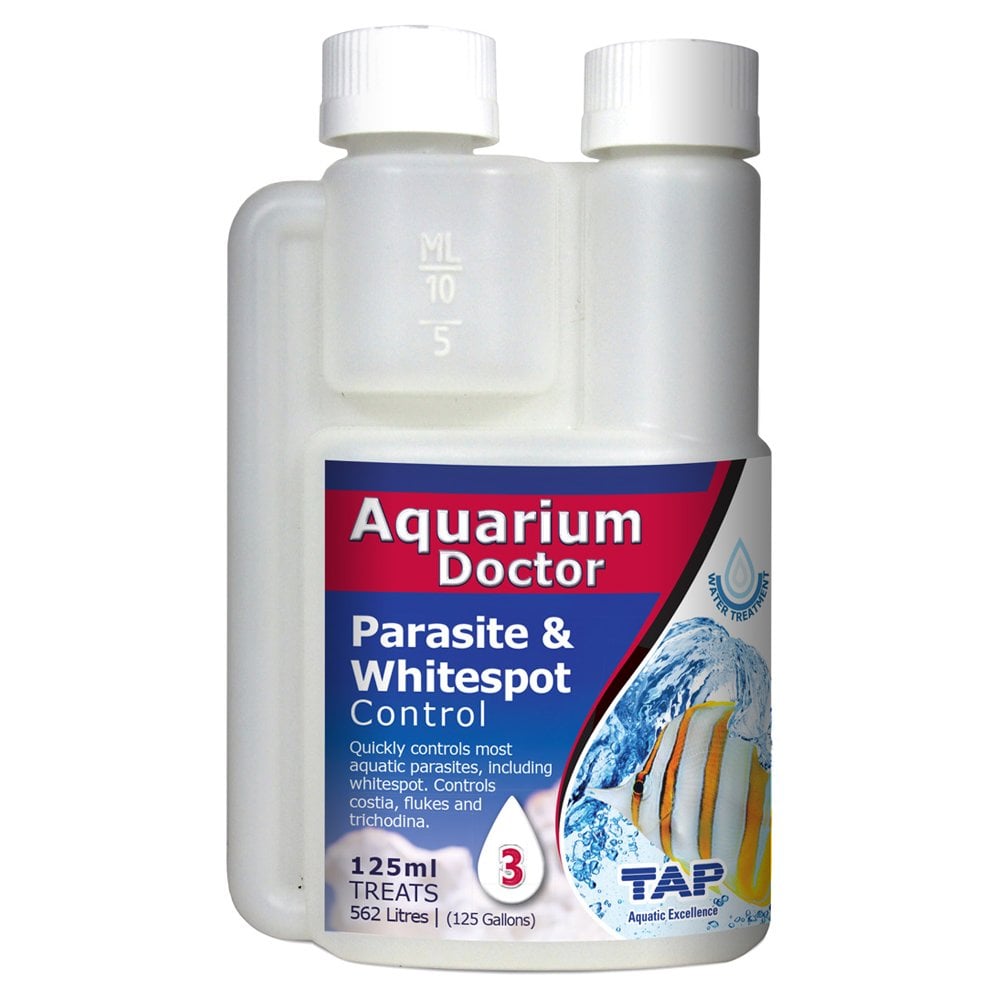
Credit: www.pond-planet.co.uk
Frequently Asked Questions
What Is Protozoa In Aquarium Water?
Protozoa are microscopic organisms that can inhabit aquarium water. Some protozoa are harmless, while others cause diseases in fish. Controlling protozoa is essential for maintaining healthy aquatic life and preventing infections.
How To Treat Protozoa In Aquarium Water?
Treat protozoa with specific medications like copper-based treatments or formalin. Regular water changes and maintaining clean filters also help. Always follow dosage instructions carefully to ensure fish safety and effective protozoa control.
Can Aquarium Water Treatment Harm Fish?
Improper treatment or overdosing can harm fish. Use medications designed for aquariums and follow guidelines strictly. Quarantine new fish and test water parameters to minimize risks during protozoa treatment.
How Often Should I Treat Aquarium Water For Protozoa?
Treatment frequency depends on infection severity and medication used. Often, a 7-10 day treatment cycle is recommended. Monitor fish closely and repeat treatment if symptoms persist or reappear.
Conclusion
Controlling protozoa keeps your aquarium fish healthy and happy. Clean water and proper treatment reduce disease risks. Regular checks help catch problems early. Using safe, tested methods protects your aquatic pets. Remember, patience and care make a big difference. Healthy fish show bright colors and active swimming.
Keep learning and adjusting your routine as needed. A well-treated aquarium creates a beautiful, thriving environment. Your effort brings joy and peace of mind. Simple steps lead to lasting results.