
If you want your fish to stay healthy and thrive, feeding them the right food is key. Live Daphnia for fish is one of the best choices you can make.
These tiny water creatures are packed with nutrients that boost your fish’s energy and colors. Curious about how live Daphnia can transform your fish’s diet? Keep reading to discover why they are a game-changer and how you can easily add them to your aquarium routine.
Your fish will thank you for it!
Benefits Of Live Daphnia
Live daphnia are small water creatures often used as fish food. They are a natural and healthy option for feeding many types of fish.
Using live daphnia can help improve the health and appearance of your fish. They provide important nutrients and encourage natural hunting behavior.
Nutritional Value
Daphnia are rich in protein, which is essential for fish growth. They also contain vitamins and minerals that support fish health.
The small size of daphnia makes them easy for fish to eat. They provide a balanced diet that helps fish stay strong and active.
- High protein content for muscle growth
- Rich in vitamins like A and C
- Contains essential minerals
- Low in fat and easy to digest
Enhancing Fish Health
Feeding fish live daphnia helps improve their immune system. It reduces the risk of diseases and infections.
Live daphnia also promote natural hunting skills. This activity keeps fish active and less stressed.
- Boosts immune system
- Reduces disease chances
- Encourages natural hunting
- Keeps fish active and happy
Improving Color And Vitality
Live daphnia contain pigments that help enhance fish colors. Feeding them regularly makes fish look brighter and more vibrant.
The nutrients in daphnia also improve fish energy and vitality. Healthy fish swim better and show natural behaviors.
- Contains natural pigments for color
- Makes fish colors brighter
- Increases fish energy levels
- Supports lively and healthy behavior
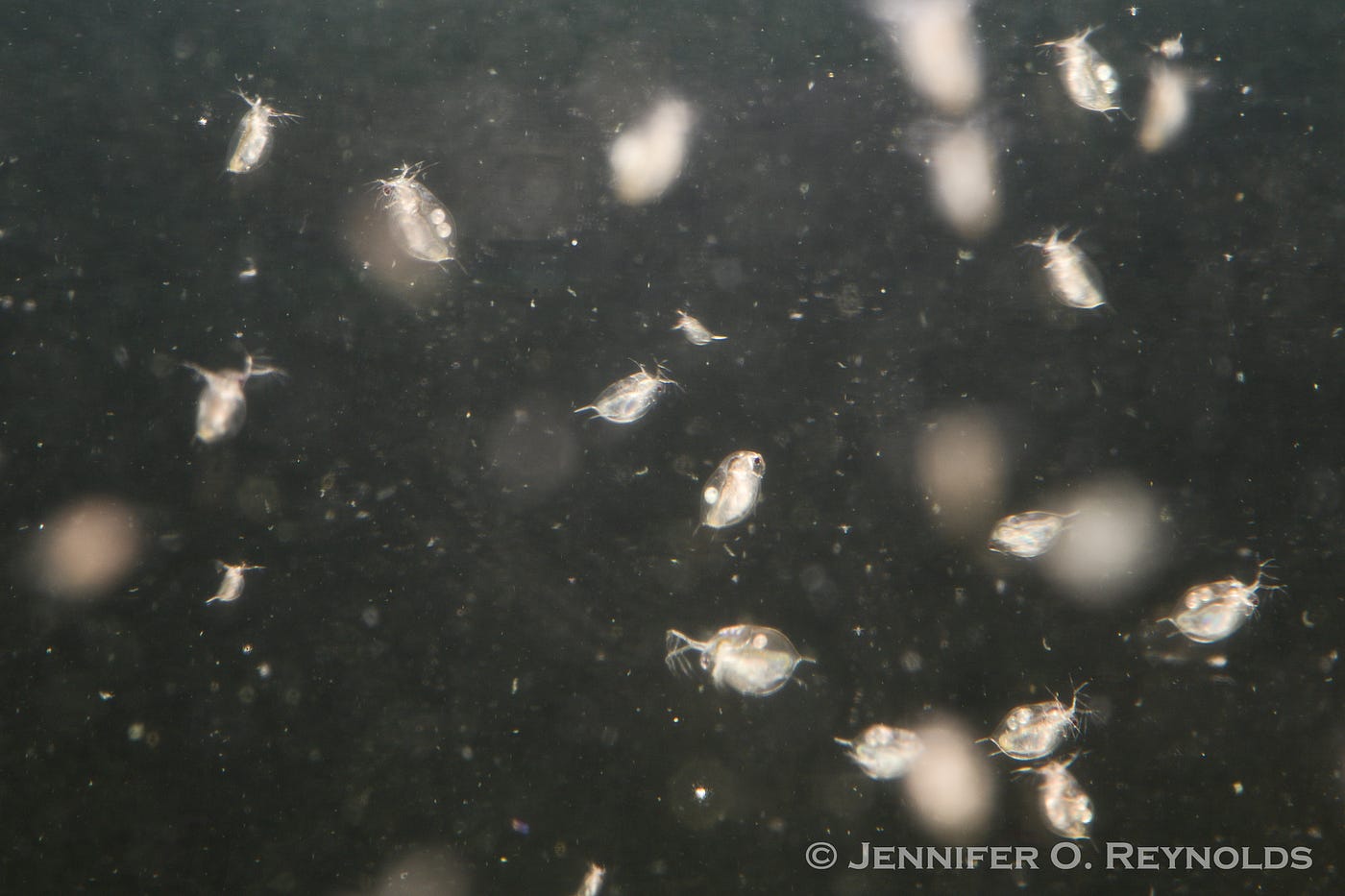
Credit: medium.com
Choosing Quality Daphnia
Live daphnia are a great food for fish. Choosing high-quality daphnia keeps your fish healthy.
Good daphnia provide nutrition and help fish grow strong. Watch for signs of quality before buying.
Sources And Suppliers
Find daphnia from trusted sources. Check if suppliers keep daphnia clean and healthy.
Local fish stores and online sellers often offer live daphnia. Compare prices and reviews before purchase.
- Choose suppliers with good customer feedback
- Ask about how daphnia are raised and stored
- Look for sellers who guarantee fresh delivery
Identifying Healthy Daphnia
Healthy daphnia swim actively and have clear bodies. Avoid daphnia that look cloudy or move slowly.
Check the size and color. Bright and uniform daphnia mean better nutrition for your fish.
- Look for lively and quick movement
- Choose daphnia with transparent bodies
- Avoid daphnia that float or sink too fast
Avoiding Contaminants
Contaminants can harm fish and water quality. Make sure daphnia come from clean water.
Ask sellers about water sources and any chemicals used. Avoid daphnia from polluted or treated water.
- Check for clear, odorless water
- Avoid daphnia with debris or algae
- Do not use daphnia treated with pesticides
Feeding Techniques
Live daphnia are a natural food source for many fish. Feeding them correctly helps your fish stay healthy and active.
This guide explains how to feed daphnia properly and safely to different fish species.
Proper Dosage And Frequency
Giving the right amount of daphnia is important. Too much can pollute the water. Too little may not meet your fish’s needs.
- Feed small amounts twice a day.
- Observe how fast fish eat the daphnia.
- Adjust the amount based on fish appetite and tank size.
- Remove leftover daphnia to keep water clean.
Introducing Daphnia To Fish
New foods can stress fish. Introduce daphnia slowly to help fish accept it as food.
- Start by offering a few live daphnia at feeding times.
- Watch the fish to see if they eat the daphnia eagerly.
- If fish reject them, try mixing daphnia with their usual food.
- Increase daphnia amount as fish get used to it.
Feeding Different Fish Species
Different fish have different eating habits. Feeding daphnia suits some fish better than others.
| Fish Species | Feeding Tips | Daphnia Amount |
|---|---|---|
| Guppies | Feed small amounts frequently. They like live food. | 5–10 daphnia per fish daily |
| Betta Fish | Feed sparingly to avoid overfeeding. Remove leftovers quickly. | 3–5 daphnia per fish daily |
| Cichlids | Feed as treat. Use daphnia to add variety. | 10–15 daphnia per fish twice a week |
| Goldfish | Feed moderately. Daphnia helps digestion. | 10–20 daphnia per fish daily |

Credit: www.amazon.com
Cultivating Your Own Daphnia
Live daphnia are small water creatures that fish love to eat. Growing your own supply saves money and keeps food fresh.
Cultivating daphnia is simple with the right setup and care. It provides a steady food source for your fish.
Setting Up A Culture Tank
Choose a clear tank or container that holds at least 5 gallons of water. It should be clean and free of chemicals.
Fill the tank with dechlorinated water. Add aquatic plants or algae to give daphnia a place to hide and eat.
- Use a tank with a lid to prevent evaporation
- Keep the tank in a well-lit area but out of direct sunlight
- Maintain water temperature between 65°F and 75°F
- Introduce a starter culture of live daphnia
Maintaining Water Quality
Clean water is key to healthy daphnia. Test water regularly to keep pH between 6.5 and 8.0.
Change about 20% of the water every week. Use dechlorinated water to avoid harming daphnia.
- Avoid strong water currents that can stress daphnia
- Remove dead plants or leftover food to prevent decay
- Keep water temperature stable
- Use gentle aeration if needed to add oxygen
Harvesting Tips
Harvest daphnia once the population grows dense. Use a fine net or small container to collect them.
Feed harvested daphnia to your fish immediately or keep them in cool water for a short time.
- Harvest in the morning for best nutrition
- Remove debris to avoid feeding waste to fish
- Do not over-harvest to keep culture healthy
- Keep some daphnia in the tank to continue breeding
Common Challenges
Live Daphnia are a popular food choice for many fish species. They provide good nutrition and stimulate natural hunting behavior. Despite their benefits, keeping and feeding live Daphnia can be tricky.
This section explains common challenges with live Daphnia. It covers contamination, overfeeding, and storage problems.
Dealing With Contamination
Contamination is a big problem when raising live Daphnia. Dirt, harmful bacteria, or unwanted algae can grow in the water. This can harm both the Daphnia and your fish.
Keep the water clean and change it regularly. Use filtered or dechlorinated water to avoid chemicals. Avoid overfeeding the Daphnia to stop waste buildup.
- Use clean containers for Daphnia cultures
- Change water every few days
- Check for algae or mold growth
- Remove dead or unhealthy Daphnia promptly
Preventing Overfeeding
Overfeeding fish with live Daphnia can cause water pollution. Leftover food breaks down and lowers water quality. This can lead to fish illness and tank problems.
Feed small amounts and watch how much your fish eat. Remove uneaten Daphnia after feeding time. This keeps the tank clean and fish healthy.
- Feed only what fish can eat in 5 minutes
- Do not add extra Daphnia after feeding
- Use a feeding schedule to control portions
- Remove leftover live Daphnia if needed
Handling Storage And Shelf Life
Live Daphnia have a short shelf life. They need good storage to stay alive and healthy. Poor storage leads to death and poor nutrition for fish.
Keep Daphnia in cool, clean water with gentle aeration. Avoid direct sunlight and temperature changes. Use them quickly for best results.
- Store Daphnia at 10-15°C (50-59°F)
- Use clean, aerated containers
- Do not store for more than 5-7 days
- Refresh water if storing longer

Credit: www.amazon.com
Frequently Asked Questions
What Are The Benefits Of Feeding Live Daphnia To Fish?
Live Daphnia provide essential nutrients and improve fish digestion. They boost fish immunity and encourage natural hunting behavior. They are rich in protein and low in fat, making them an ideal diet supplement for many fish species.
How Do I Culture Live Daphnia At Home?
To culture Daphnia, use a clean container with dechlorinated water. Add algae or yeast as food. Maintain water temperature between 18-22°C. Aerate gently and avoid direct sunlight. Harvest regularly to keep the culture healthy and thriving.
Can Live Daphnia Improve Fish Breeding Success?
Yes, live Daphnia enhance fish breeding by providing vital nutrients. Their small size makes them easy for fry to eat. Feeding Daphnia stimulates fish activity and health, which promotes better spawning and fry survival rates.
Are Live Daphnia Safe For All Aquarium Fish?
Live Daphnia are safe for most freshwater fish but may not suit all species. Avoid feeding them to fish that prefer dry or pellet diets. Always quarantine live food to prevent disease introduction to your aquarium.
Conclusion
Live Daphnia provide fresh, natural food for many fish species. They help fish grow strong and stay healthy. Feeding Daphnia often can improve fish activity and color. You can culture them easily at home with simple care. This makes them a cost-effective option for fish owners.
Try adding live Daphnia to your fish’s diet today. See how your fish respond and enjoy better tank life. Simple, natural, and effective food for your aquatic pets.