
If you’re caring for large fish, you know feeding time can be tricky. Without the right tools, food can scatter everywhere, making a mess and wasting what you’ve paid for.
That’s where fish feeding trays for large fish come in. These simple yet effective trays help you control feeding, reduce waste, and keep your tank clean. Imagine spending less time cleaning and more time enjoying your beautiful fish. Keep reading to discover how the right feeding tray can transform your fish care routine and make feeding easier than ever.
Credit: www.anglingdirect.co.uk
Benefits Of Fish Feeding Trays
Fish feeding trays help large fish eat in a clean and organized way. They keep food in one place, which helps fish find it easily.
Using feeding trays also helps farmers save feed and watch their fish closely. This tool supports better care for fish.
Improved Feeding Efficiency
Feeding trays place food in a specific spot. Fish can find food quickly without wasting energy.
This method helps fish eat more and grow faster. It also reduces competition among fish during feeding time.
Reduced Feed Waste
Feeding trays stop food from spreading in the water. This lowers the amount of feed that sinks and spoils.
Less waste means less pollution in the water. Farmers save money by using only the needed amount of feed.
- Feeds stay contained in the tray
- Less feed lost to water or environment
- Reduced water contamination
Better Monitoring Of Fish Health
Feeding trays let farmers watch how much fish eat. Changes in eating habits can show health problems early.
Trays also make it easier to see if fish are slow or sick. Early detection helps farmers act quickly.

Credit: enlighteningplast.en.made-in-china.com
Types Of Feeding Trays
Feeding trays help large fish eat in a clean and organized way. They prevent food waste and keep the water clear.
There are different types of feeding trays. Each type fits certain needs and environments.
Floating Trays
Floating trays stay on the water surface. They move with the water and are easy to check.
These trays help feed fish without sinking food. They reduce waste and keep food visible.
- Good for ponds and open water
- Easy to clean and refill
- Prevent food from sinking too fast
Fixed Trays
Fixed trays attach to a solid place like a pond edge or tank wall. They do not move with the water.
These trays provide stable feeding spots. They are strong and stay in one place during feeding.
- Good for tanks or small ponds
- Easy to install and maintain
- Keep food in one spot
Adjustable Trays
Adjustable trays can change position or height. They fit different water levels and fish sizes.
These trays offer flexibility. Farmers can move or change trays for better feeding results.
- Good for ponds with changing water levels
- Help feed fish of various sizes
- Can be raised or lowered easily
Materials Used For Feeding Trays
Feeding trays for large fish come in many materials. Each type offers different benefits for durability and safety.
Choosing the right material helps keep the trays clean and long-lasting. It also affects how easy the trays are to handle.
Plastic Options
Plastic trays are lightweight and easy to clean. They resist water and most chemicals well.
- High-density polyethylene (HDPE) is strong and safe for fish.
- Polypropylene offers good resistance to heat and impact.
- Some plastics are UV-treated to avoid damage from sunlight.
Metal Variants
Metal trays are very sturdy and can hold heavy amounts of food. They last longer than most plastics.
| Metal Type | Key Feature | Disadvantage |
| Stainless Steel | Rust-resistant and strong | Heavier than plastic |
| Aluminum | Lightweight and corrosion-resistant | Can dent easily |
| Galvanized Steel | Coated to prevent rust | Coating may wear off over time |
Eco-friendly Materials
Eco-friendly trays use materials that break down naturally. They reduce waste and harm to the environment.
- Bamboo trays are lightweight and biodegradable.
- Recycled wood trays provide a natural look and feel.
- Biodegradable bioplastics break down faster than regular plastics.
Choosing The Right Tray Size
Picking the correct tray size is key for feeding large fish. The tray should fit the fish size well.
A good tray size helps keep food inside and makes feeding easier for big fish.
Matching Tray Size To Fish Size
The tray must match the fish size to avoid waste and stress. Small trays are not good for big fish.
Large fish need bigger trays so they can eat comfortably and get enough food.
- Measure your fish length before choosing a tray.
- Tray width should be wider than fish length.
- A deeper tray holds more food for bigger fish.
- Use multiple trays for very large fish groups.
Considerations For Large Fish Species
Different large fish species have special needs. Some eat slowly, others need more space.
Choose trays that suit how your fish feed and move to keep them healthy.
- Flat trays work well for bottom feeders like catfish.
- Wide trays help active swimmers like koi eat easily.
- Durable materials resist damage from strong fish.
- Easy to clean trays reduce risk of disease.
Placement Strategies For Feeding Trays
Feeding trays help deliver food to large fish in ponds. Proper placement improves feeding efficiency.
Using the right strategies can reduce food waste and make feeding easier for fish farmers.
Optimal Tray Positioning In Ponds
Place trays where water flow spreads food evenly. Avoid spots with strong currents that wash food away.
Near the pond edges, position trays at shallow spots for easy access. Keep trays visible to fish for better feeding response.
- Set trays away from pond corners to prevent food buildup.
- Keep trays spaced evenly to cover all feeding zones.
- Use floating trays to adapt to water level changes.
Using Multiple Trays For Large Areas
Large ponds need several trays to feed all fish groups. This spreads food and reduces competition.
| Tray Number | Placement Area | Distance Between Trays (meters) |
|---|---|---|
| 1 | North Side | 10 |
| 2 | Center | 15 |
| 3 | South Side | 10 |
Check trays regularly and adjust positions based on fish behavior and feeding results.
Maintenance And Cleaning Tips
Fish feeding trays for large fish need regular care. Clean trays keep fish healthy and happy.
Learn how to maintain and clean your feeding trays. These tips help prevent problems.
Regular Cleaning Routines
Cleaning trays often is important. It stops dirt and germs from building up.
Use warm water and mild soap to wash trays. Rinse them well to remove soap.
- Wash trays daily after feeding
- Use a brush to scrub corners
- Dry trays completely before next use
Preventing Algae And Mold Build-up
Algae and mold can grow in wet places. Keeping trays dry helps stop this.
Place trays in sunlight to dry them. Sunlight kills bacteria and mold spores.
- Check trays for green spots daily
- Use vinegar to clean moldy areas
- Store trays in a dry place
Feeding Techniques With Trays
Fish feeding trays are helpful for large fish. They allow you to feed fish in a controlled way.
Using feeding trays can make sure every fish gets food. This method is simple and helps keep water clean.
Controlled Feeding Schedules
Feeding trays help set a regular schedule. This is good for fish health.
Feeding at the same time daily makes fish less stressed. They will know when to expect food.
- Feed in the morning and evening
- Use the same amount of food each time
- Watch the fish eat to check their health
Monitoring Feed Consumption
Feeding trays help you see how much fish eat. This is important to avoid overfeeding.
Overfeeding can make water dirty. It can also cause fish to gain too much weight.
| Day | Amount Fed | Amount Eaten |
| Monday | 100g | 95g |
| Tuesday | 100g | 90g |
Common Challenges And Solutions
Feeding large fish using trays has many benefits. It helps keep the feed in one place. This way, fish get food easily and waste is less.
But, there are some problems fish farmers face with feeding trays. These problems need clear solutions to keep the fish healthy.
Dealing With Tray Damage
Fish feeding trays can get damaged from rough handling or fish activity. Cracks or holes can cause feed to spill, wasting food and money.
To avoid damage, use strong materials like durable plastic or metal. Check trays regularly for signs of wear. Repair small cracks quickly to stop bigger breaks.
- Choose trays made from tough, water-resistant materials
- Inspect trays weekly for cracks or holes
- Fix small damages with waterproof glue or tape
- Replace trays that are too damaged to repair
- Keep trays clean to prevent material weakening
Managing Uneaten Feed
Uneaten feed in trays can pollute water and harm fish health. It also wastes money spent on feed. Managing leftover food is important for clean water.
Feed fish only the amount they can eat quickly. Remove leftover feed from trays after feeding. Use feeding trays with good drainage to reduce leftover feed.
- Feed small portions to match fish appetite
- Remove uneaten feed soon after feeding
- Use trays that allow water flow to wash away leftovers
- Monitor fish behavior to adjust feeding amounts
- Keep feeding times consistent to train fish
Cost Considerations And Budgeting
Feeding trays for large fish require careful budget planning. Understanding the costs helps make better decisions.
Knowing initial and ongoing costs ensures you manage your funds well. This guide explains key cost factors.
Initial Investment Costs
Buying fish feeding trays means upfront spending. Prices depend on size, material, and design quality.
- Tray material, such as plastic or metal, affects cost.
- Larger trays cost more due to extra materials.
- Special features like anti-waste designs add to price.
- Shipping and installation fees may also apply.
Long-term Savings From Feed Efficiency
Efficient feeding trays reduce wasted feed. This saves money over time and helps fish grow well.
| Benefit | Impact on Budget |
|---|---|
| Less Feed Waste | Lower feed purchase costs monthly |
| Improved Fish Growth | Higher yield in shorter time |
| Easy Cleaning | Reduces labor costs |
| Durable Materials | Less frequent replacement needed |
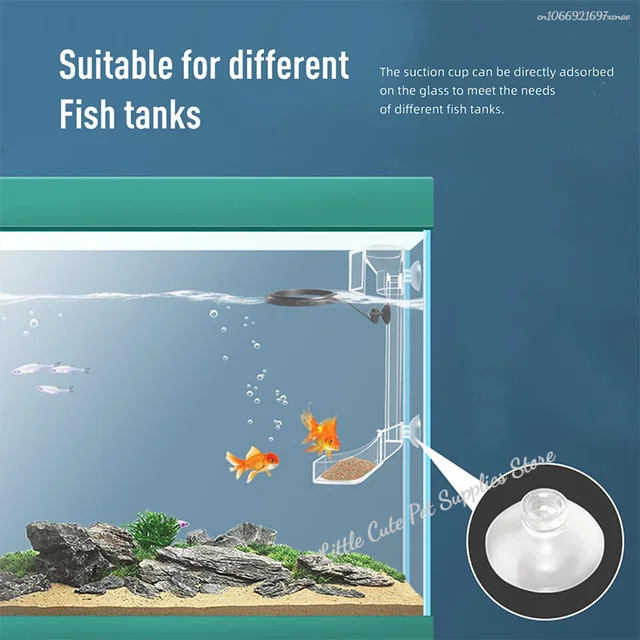
Credit: www.aliexpress.com
Innovations In Fish Feeding Trays
Fish feeding trays help deliver food to large fish efficiently. New designs focus on better feeding control and less waste.
These innovations improve fish health and save time for fish farmers. Technology plays a big role in these advances.
Smart Feeding Trays
Smart feeding trays use sensors to track how much fish eat. They adjust feeding amounts based on fish activity.
These trays help reduce overfeeding and keep the water cleaner. They also monitor fish behavior to detect problems early.
- Sensors detect food levels and fish presence
- Adjusts feed portion automatically
- Records feeding patterns for analysis
- Improves feeding accuracy and fish health
Automated Feeding Systems
Automated feeding systems release food at set times without human help. This keeps feeding consistent and on schedule.
They work well with large fish farms and save labor costs. The systems can feed multiple trays at once.
- Programmable timers for feeding schedules
- Can feed large groups of fish automatically
- Reduces manual work and errors
- Helps maintain fish growth and health
Frequently Asked Questions
What Are Fish Feeding Trays For Large Fish?
Fish feeding trays are platforms designed to hold food for large fish. They prevent food waste and keep the feeding area clean. These trays help monitor fish health and feeding habits efficiently. They are durable and easy to clean, ideal for ponds and aquariums.
How Do Feeding Trays Benefit Large Fish?
Feeding trays reduce food scattering and water contamination. They promote controlled feeding, ensuring each fish gets enough nutrition. Trays also minimize competition among fish during feeding. This leads to better growth and health of large fish in controlled environments.
What Materials Are Best For Large Fish Feeding Trays?
Durable, non-toxic materials like heavy-duty plastic, stainless steel, or acrylic are ideal. These materials resist water damage and are easy to clean. They ensure safety and longevity in aquatic environments, making them suitable for large fish feeding trays.
How To Maintain Fish Feeding Trays Effectively?
Clean trays regularly to prevent algae and bacteria buildup. Use mild soap and water, avoiding harsh chemicals. Inspect trays for damage and replace if needed. Proper maintenance extends tray life and keeps fish healthy.
Conclusion
Fish feeding trays help keep large fish healthy and well-fed. They reduce food waste and keep your tank clean. Using trays makes feeding easier and more controlled. Fish get the right amount of food every time. This tool suits both hobbyists and professionals caring for big fish.
Choosing the right tray improves your fish’s life and your feeding routine. Simple, effective, and helpful—feeding trays make a big difference. Try one to see how smooth feeding can be.