
If you want your aquarium to stay clean and your fish to stay healthy, choosing the right power filter is key. Aquarium power filters work quietly behind the scenes to keep the water clear and free from harmful debris.
But with so many options out there, how do you find the perfect one for your tank? You’ll discover what makes a power filter effective, why it matters for your aquatic friends, and how to pick the best model without any confusion.
Keep reading, and you’ll soon have the knowledge to create a thriving underwater world right at home.
Types Of Power Filters
Power filters help keep aquarium water clean and healthy. They use pumps to move water through filter media. This removes waste and harmful substances.
There are several types of power filters. Each type suits different tank sizes and setups. Let’s look at the main kinds available.
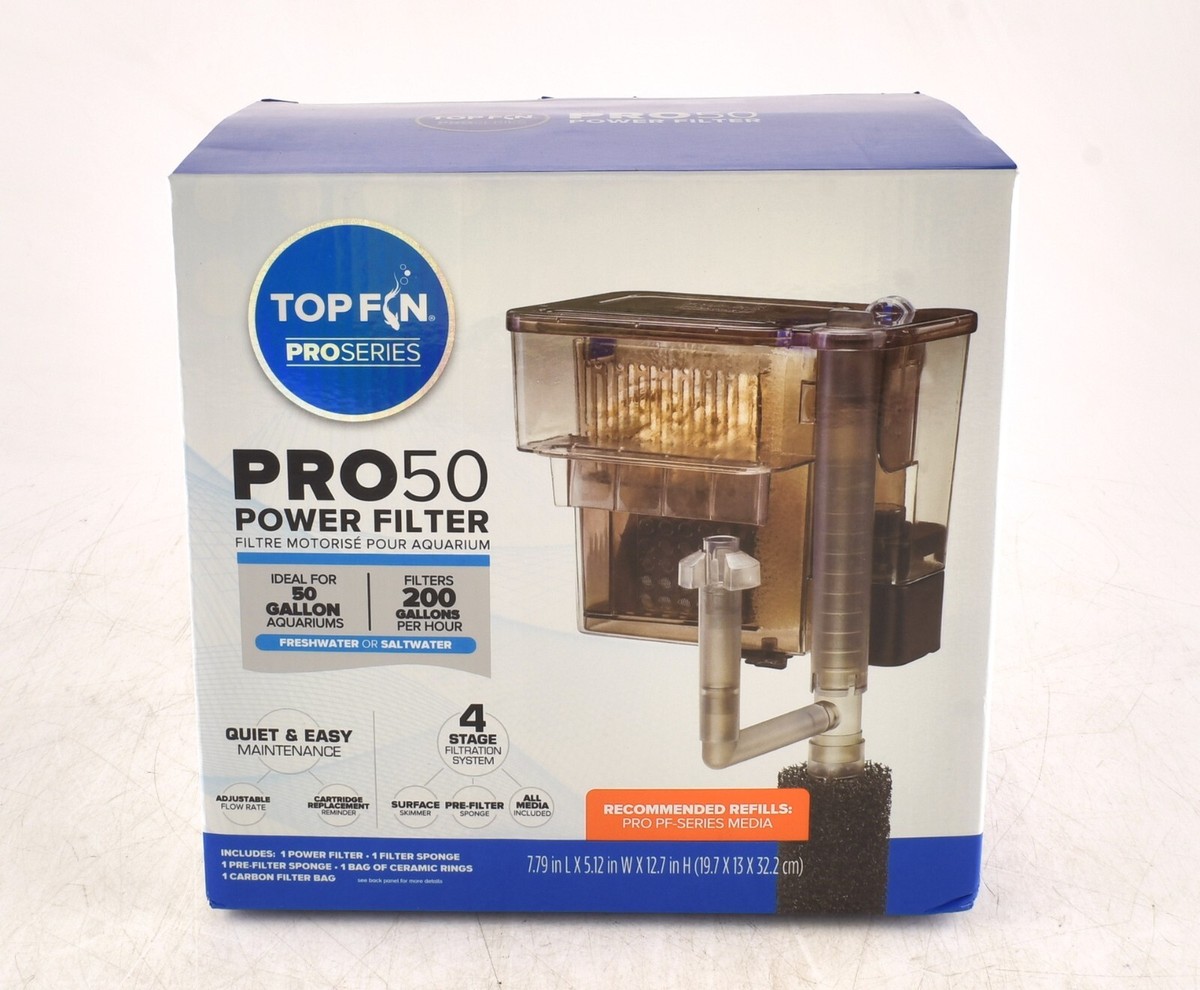
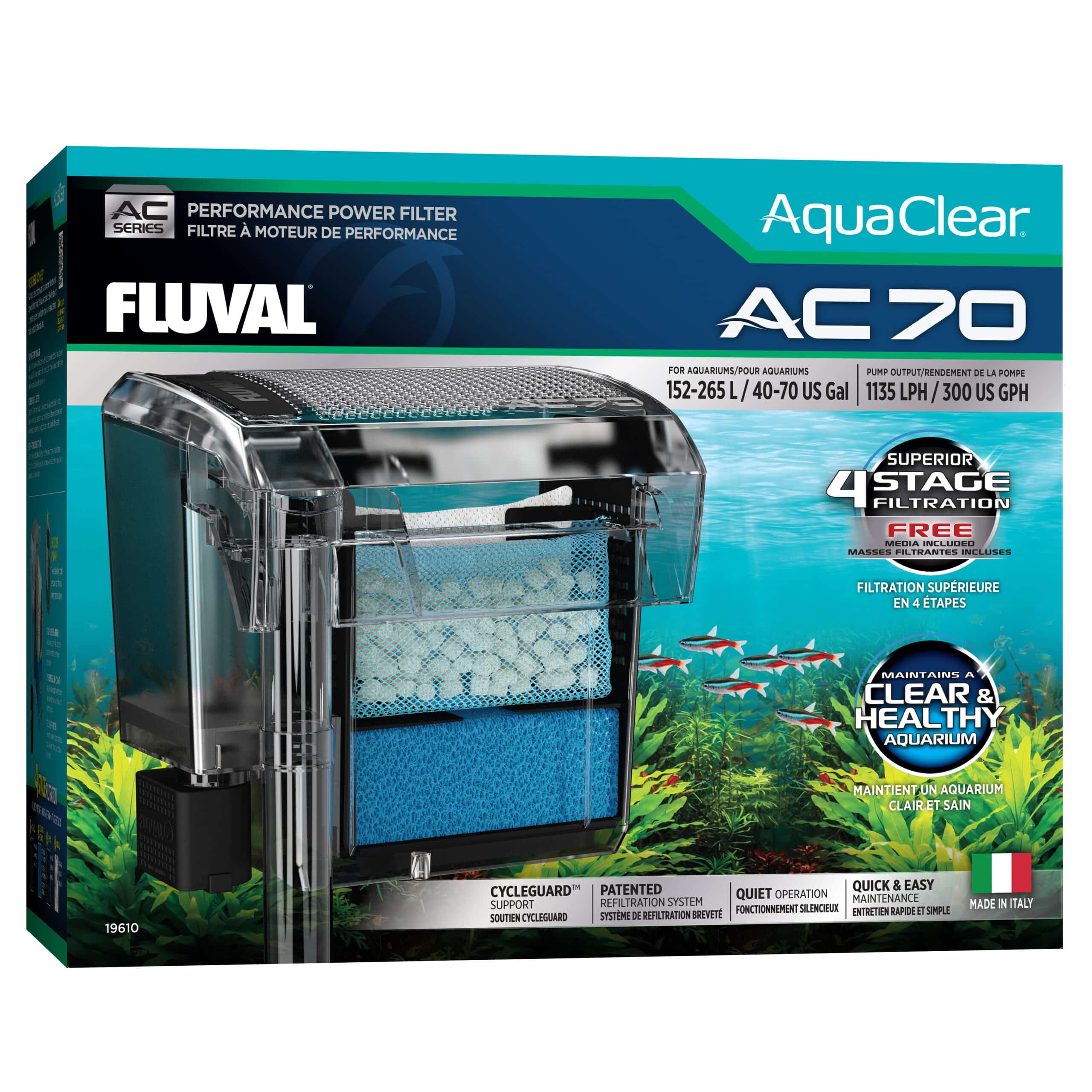
Hang-on-back Filters
Hang-on-back filters hang on the back of the aquarium. They draw water up and push it through filter media. These filters are easy to install and maintain.
- Good for small to medium tanks
- Easy to clean and replace media
- Does not take space inside the tank
- Provides mechanical, chemical, and biological filtration
Canister Filters
Canister filters sit outside the aquarium. They use hoses to pull water out and return it after filtering. Canister filters handle larger volumes of water well.
| Feature | Description |
| Size | Best for medium to large tanks |
| Filtration Types | Mechanical, chemical, biological |
| Maintenance | Requires regular cleaning but holds more media |
| Noise Level | Usually quieter than other filters |
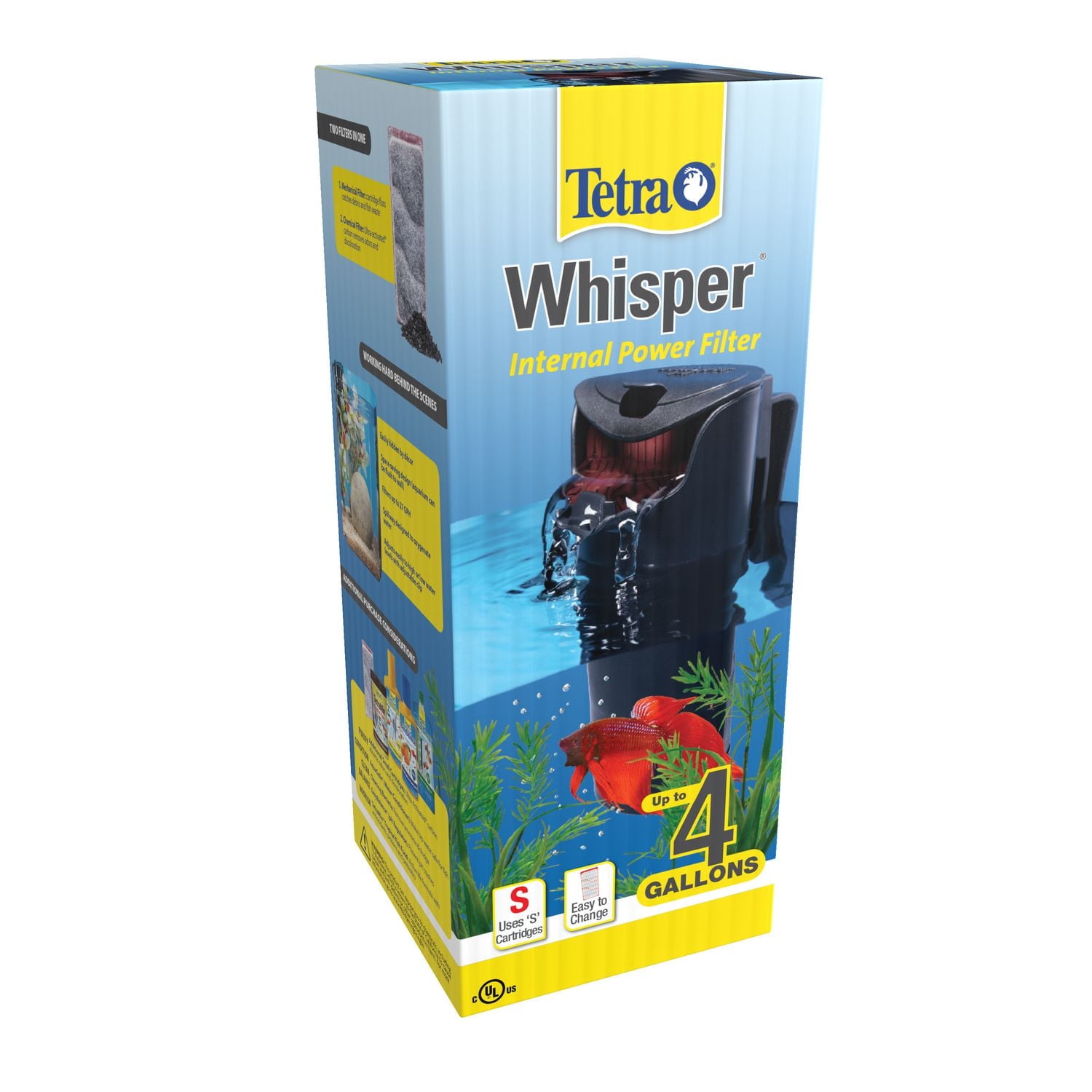
Internal Power Filters
Internal filters sit inside the aquarium. They use a motor to push water through filter pads. These filters fit well in small tanks or spaces.
Advantages of Internal Power Filters:
- Compact size fits inside tank
- Easy to install and hide
- Good for small tanks or breeding setups
- Can provide aeration as well as filtration
Credit: www.walmart.ca
Key Features To Consider
Choosing the right power filter helps keep your aquarium clean and healthy. Filters remove waste and harmful substances from the water. Picking the best one depends on some important features.
Understanding these features lets you find a filter that fits your tank size and fish needs. This guide covers flow rate, filtration stages, and noise levels.
Flow Rate And Capacity
Flow rate shows how much water the filter moves per hour. Capacity means the largest tank size the filter can clean. These numbers help you match the filter to your aquarium.
| Feature | Explanation |
| Flow Rate (GPH) | Gallons per hour the filter processes |
| Tank Capacity (Gallons) | Maximum aquarium size suitable for the filter |
| Recommended Ratio | Filter flow rate should be 4-5 times tank volume per hour |
Filtration Stages
Filters use different stages to clean water. Each stage removes certain types of waste. A good filter has at least three stages for best results.
- Mechanical filtration traps debris and particles
- Chemical filtration removes odors and harmful chemicals
- Biological filtration supports good bacteria to break down waste
Noise Levels
Quiet filters keep your aquarium peaceful. Noise levels vary by model and design. Look for filters with smooth motors and sound-dampening features.
Check product details or reviews to find low-noise options that suit your space.
Setting Up Your Power Filter
Power filters keep aquarium water clean and healthy. Setting them up correctly helps fish and plants thrive.
This guide covers installation, positioning, and priming of your power filter for best results.
Installation Steps
Start by unpacking all parts of your power filter. Read the instruction manual carefully before installation.
Attach the intake tube and filter media as shown in the manual. Secure the filter to the tank.
- Check that all parts are clean and undamaged
- Connect the intake and output tubes firmly
- Mount the filter on the tank’s back or side wall
- Ensure filter media is inside and properly placed
Positioning Tips
Place the filter where water flows smoothly. Avoid blocking water movement in the aquarium.
Keep the filter near a power outlet but away from splashes. This helps safety and easy access.
- Mount filter below water surface to prevent noise
- Leave space around filter for easy cleaning
- Place filter near plants or decorations to hide it
- Make sure filter output does not disturb fish too much
Priming The Filter
Priming fills the filter with water to start its pumping action. Some filters prime automatically.
If your filter needs manual priming, fill it with water before turning it on. This prevents damage.
- Fill the filter chamber with aquarium water
- Use a priming button or pump if your filter has one
- Turn on the filter and check water flow
- Repeat priming if the flow is weak or noisy
Credit: www.ebay.ca
Maintenance And Cleaning
Keeping your aquarium power filter clean is important for a healthy tank. Regular care helps the filter work well.
Clean filters remove waste and keep water clear. Neglect can cause poor water quality and stress fish.
Routine Cleaning Schedule
Clean your power filter every 2 to 4 weeks. This keeps it running smoothly and avoids clogs.
Check the filter parts like sponges and tubes during cleaning. Remove dirt and debris carefully.
- Turn off and unplug the filter before cleaning
- Remove the filter media and rinse with tank water
- Clean the impeller and housing gently
- Reassemble and restart the filter
Replacing Filter Media
Filter media traps dirt and breaks down waste. Replace it based on the type and condition.
Some media lasts longer than others. Change mechanical media more often than biological media.
- Mechanical media: Replace every 2 to 4 weeks
- Chemical media: Replace monthly or as needed
- Biological media: Replace only if damaged or very dirty
- Always rinse new media with tank water before use
Troubleshooting Common Issues
If the filter is noisy, check the impeller for dirt or damage. Clean or replace it if needed.
Low water flow may mean the filter is clogged. Clean the media and tubes to fix this problem.
- Filter won’t start: Check power and connections
- Water leaks: Inspect seals and housing for cracks
- Unpleasant odor: Replace old filter media
- Fish stress: Ensure proper filter size and flow rate
Enhancing Filtration Efficiency
Good aquarium filtration keeps water clean and fish healthy. Efficient filters remove waste and harmful chemicals.
Using the right filter media can improve water quality and reduce maintenance time.
Adding Biological Media
Biological media hosts beneficial bacteria that break down fish waste. These bacteria convert toxic ammonia into less harmful substances.
- Use ceramic rings or bio balls for more surface area.
- Rinse media in aquarium water to avoid killing bacteria.
- Replace biological media only when it is damaged.
Using Activated Carbon
Activated carbon removes odors, discoloration, and chemicals. It helps keep water clear and safe for fish.
| Benefit | Details |
| Odor Removal | Absorbs smells from fish and plants |
| Water Clarity | Removes discoloration and particles |
| Chemical Removal | Traps harmful chemicals and toxins |
Customizing Filter Media
Custom filter media lets you target specific water issues. You can mix types for better results.
- Combine sponge for mechanical filtration with bio media for bacteria growth.
- Add carbon for chemical absorption when needed.
- Change media based on fish species and tank size.
Benefits Of Power Filters
Power filters are essential for maintaining a clean aquarium. They help in removing debris and harmful substances.
These filters ensure a healthy environment for your aquatic life. They are easy to use and highly effective.
Improved Water Clarity
Power filters significantly improve water clarity. They remove particles and keep the water crystal clear.
- Removes visible debris
- Reduces cloudiness
- Enhances visual appeal
Healthier Aquarium Environment
A healthier environment is crucial for fish and plants. Power filters contribute to this by eliminating toxins.
Ease Of Use
Power filters are user-friendly and easy to maintain. They come with simple installation guides.
| Feature | Benefit |
| Simple setup | Quick installation |
| Low maintenance | Easy to clean |
Common Mistakes To Avoid
Aquarium power filters are essential for clean and healthy water. Many people make mistakes that reduce their filter’s efficiency.
Let’s explore common errors to help you maintain a thriving aquarium environment.
Overloading The Filter
Filters can become less effective if overloaded. Always check the filter’s capacity.
- Avoid adding too many fish at once.
- Do not overfeed your fish.
- Regularly remove debris and waste.
Ignoring Regular Maintenance
Regular maintenance keeps your filter running smoothly. Neglecting it can harm water quality.
| Task | Frequency |
| Clean filter media | Every 2 weeks |
| Check filter parts | Monthly |
| Replace media | Every 2 months |
Incorrect Placement
Placement affects how well your filter works. Proper positioning ensures effective water flow.
Choosing The Right Filter For Your Aquarium
Choosing the right power filter helps keep your aquarium clean and healthy. A good filter removes waste and keeps the water clear.
Different filters suit different tank sizes, fish types, and budgets. Knowing what to look for saves time and money.
Matching Filter Size To Tank Volume
The filter size should match your aquarium’s volume. A small filter can’t clean a big tank well.
| Tank Size (Gallons) | Recommended Filter Flow Rate (GPH) |
|---|---|
| 10-20 | 100-200 |
| 21-40 | 200-400 |
| 41-75 | 400-750 |
| 76-125 | 750-1250 |
| 125+ | 1250+ |
Considering Fish And Plant Types
Some fish and plants need special water conditions. Choose a filter that supports their needs.
- Delicate fish need gentle water flow to avoid stress.
- Plants benefit from clean water but may need lower flow rates.
- Heavy fish waste producers need stronger filtration for good water quality.
- Some filters offer biological, mechanical, and chemical filtration for best results.
Budget And Brand Options
Filters vary in price and quality. Choose one that fits your budget and has good reviews.
| Price Range | Filter Features | Recommended For |
|---|---|---|
| Low | Basic mechanical filtration | Small tanks, beginners |
| Medium | Mechanical + biological filtration | Most home aquariums |
| High | All filtration types + adjustable flow | Large tanks, sensitive species |
Popular brands often offer reliable filters with warranties.
Credit: fluvalaquatics.com
Frequently Asked Questions
What Is An Aquarium Power Filter?
An aquarium power filter is a device that mechanically, chemically, and biologically cleans aquarium water. It uses a motor to push water through filter media. This keeps the water clear and safe for fish and plants.
How Does A Power Filter Benefit Aquarium Health?
Power filters remove debris, toxins, and harmful chemicals from water. This improves oxygen levels and water clarity. Healthy water supports fish growth and reduces disease risks.
Can Power Filters Handle Large Aquariums?
Yes, many power filters are designed for different tank sizes. Choose one rated for your aquarium’s volume. Larger tanks may need stronger or multiple filters for optimal cleaning.
How Often Should Aquarium Power Filters Be Cleaned?
Clean your power filter every 2 to 4 weeks. Regular cleaning prevents clogging and maintains water flow. Avoid over-cleaning to preserve beneficial bacteria in the filter.
Conclusion
Choosing the right aquarium power filter keeps your tank clean and healthy. It helps remove dirt, waste, and harmful chemicals from the water. Good filtration supports fish health and clear water. Maintenance is simple if you pick the right model.
Remember to check filter size and flow rate for your tank. A reliable filter makes fish care easier and more enjoyable. Clean water means happy fish and a beautiful aquarium. Keep your aquarium fresh with the right power filter.