
If you’re looking to create a calming environment in a hospital, an aquarium can be a powerful addition. But to keep your fish healthy and the water crystal clear, choosing the right aquarium filter is key.
Imagine the peace your patients and staff will feel when they see a clean, vibrant aquarium. You’ll discover how the right aquarium filter can make all the difference in hospitals, ensuring your aquatic display stays beautiful and beneficial. Keep reading to find out what features to look for and why this small detail can have a big impact on your space.
Credit: www.vevor.ca
Choosing The Right Aquarium Filter
Hospitals use aquariums to create a calm and healing environment. Choosing the right aquarium filter is key to keeping water clean and safe. Filters help remove waste and keep fish healthy.
This guide explains the best filter types, size needs, and energy factors for hospital aquariums.
Types Of Filters Suitable For Hospitals
Some filters work better in hospital settings due to noise and maintenance needs. Common types include mechanical, biological, and chemical filters.
- Mechanical filterstrap dirt and debris from the water.
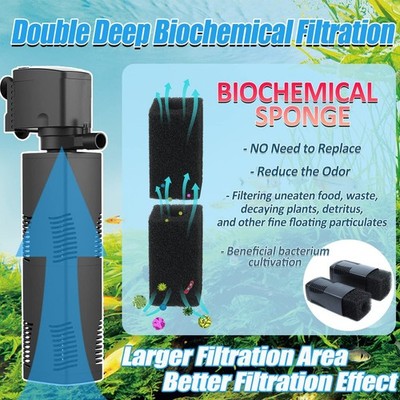
- Biological filtersuse good bacteria to break down harmful substances.
- Chemical filtersremove toxins and impurities using activated carbon or other materials.
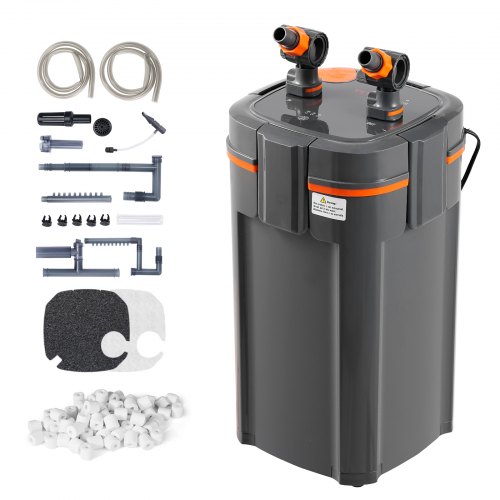
- Canister filterscombine these methods and keep noise low.
Size And Capacity Considerations
The filter size must match the aquarium volume. A filter that is too small will not clean well. A filter that is too large wastes energy and space.
| Tank Size (Gallons) | Recommended Filter Flow Rate (Gallons per Hour) |
| 10 – 20 | 100 – 200 |
| 21 – 50 | 200 – 400 |
| 51 – 100 | 400 – 800 |
| 101 – 150 | 800 – 1200 |
Choose a filter that can cycle the entire tank water 4 to 5 times each hour. This ensures water stays clean and fish stay healthy.
Energy Efficiency And Noise Levels
Hospitals need quiet filters that use less power. Look for filters with energy-saving motors and soundproof designs. This reduces noise in patient areas.
- Check the filter’s power consumption in watts.
- Choose filters with insulated pumps to lower noise.
- Regularly clean and maintain filters to keep them efficient.
Maintaining Hygiene Standards
Aquarium filters in hospitals must meet strict hygiene rules. Clean filters keep water safe and clear.
Proper care of these filters helps stop infections and supports a healthy environment.
Regular Cleaning Protocols
Cleaning filters regularly prevents dirt and waste buildup. This keeps the system working well.
- Turn off the filter before cleaning.
- Remove the filter media gently.
- Rinse the media with clean water only.
- Clean the filter housing with a soft cloth.
- Reassemble the filter and restart it.
Preventing Bacterial Growth
Bacteria can grow quickly in dirty filters. Controlling this helps keep hospital spaces safe.
| Method | Effect |
| Use UV sterilizers | Kills harmful bacteria |
| Change filter media often | Reduces buildup |
| Maintain proper water flow | Prevents stagnation |
| Monitor water quality | Detects contamination early |
Safe Handling Of Filter Components
Handle filter parts carefully to avoid damage and contamination.
- Wear gloves during maintenance.
- Use clean tools for disassembly.
- Store parts in a dry, clean place.
- Dispose of used filter media safely.
Ensuring Patient Safety
Aquariums add calm and beauty to hospitals. They help patients feel relaxed and peaceful.
Using the right aquarium filter is key. It keeps water clean and safe for patients.
Placement Of Aquariums In Hospital Settings
Aquariums should be placed where they do not block walkways. Patients and staff must move safely.
Choose quiet areas away from heavy traffic. This reduces stress and keeps the aquarium safe.
- Place aquariums in waiting rooms or lounges
- Avoid high-traffic hallways or emergency areas
- Ensure easy access for maintenance and cleaning
Preventing Cross-contamination
Filters must stop harmful germs from spreading. Clean water means safer spaces for patients.
Use filters with strong mechanical and biological cleaning. Change filter parts regularly to keep water pure.
- Use separate tools for aquarium cleaning
- Disinfect hands before and after maintenance
- Schedule regular water testing for bacteria
Using Non-toxic Filter Materials
Filters should use safe and non-toxic materials. These protect patients and fish from harm.
Check that filter parts do not release chemicals into water. Choose filters made from hospital-safe products.
- Use plastic or ceramic parts labeled non-toxic
- Avoid filters with harmful metals or coatings
- Confirm materials meet health safety standards
Credit: www.ebay.ca
Monitoring Water Quality
Maintaining clean water is important in hospital aquariums. It keeps fish healthy and prevents illness. Proper monitoring helps detect problems early.
Using the right tools and methods allows staff to keep water safe. This guide covers key points for checking and improving water quality.
Key Parameters To Track
Tracking water parameters helps avoid harm to aquatic life. Hospitals must watch these factors closely for safety.
- pH level: Measures water acidity or alkalinity.
- Ammonia: High amounts are toxic to fish.
- Nitrite and Nitrate: Waste products that affect health.
- Temperature: Must stay stable for fish comfort.
- Dissolved oxygen: Needed for fish to breathe.
Using Water Testing Kits
Water testing kits provide quick and accurate results. They help staff check quality without special lab equipment.
| Test Type | What It Measures | Why It Matters |
| pH Test | Acidity or alkalinity | Maintains safe environment |
| Ammonia Test | Toxic waste level | Prevents fish poisoning |
| Nitrite Test | Intermediate waste | Indicates filtration quality |
| Nitrate Test | Final waste product | Controls algae growth |
| Oxygen Test | Dissolved oxygen | Ensures fish respiration |
Adjusting Filtration For Optimal Results
Adjust filters based on test results. Proper filtration removes harmful substances and keeps water clear.
- Clean or replace filter media regularly.
- Increase filter speed if ammonia or nitrite rise.
- Add biological filters for better waste breakdown.
- Use carbon filters to remove odors and chemicals.
- Monitor flow rate to ensure proper water circulation.
Troubleshooting Common Issues
Aquarium filters in hospitals can face several common issues. It’s important to address these to ensure a healthy environment for aquatic life.
By understanding the problems, you can maintain water quality effectively. Let’s explore some common issues and their solutions.
Dealing With Filter Clogs
Filter clogs can reduce the efficiency of your aquarium system. Regular maintenance is key to preventing blockages.
- Check the filter media weekly for debris.
- Rinse the media in aquarium water to clear clogs.
- Replace the media if it’s too dirty or damaged.
Addressing Unpleasant Odors
Unpleasant odors can indicate poor water quality. It’s crucial to find the source and fix it quickly.
Replace a portion of the water regularly and check for dead plants or fish that may cause bad smells.
Managing Algae And Debris
Algae and debris can cloud the water and harm fish. Controlling light and nutrients is essential.
| Problem | Solution |
| Excess Light | Reduce light exposure to 8 hours daily. |
| High Nutrients | Feed fish less to lower waste. |
| Filter Maintenance | Clean filter parts monthly. |
Credit: www.walmart.ca
Enhancing Aquarium Safety Features
Aquariums in hospitals require extra safety measures. Clean and safe water helps keep fish healthy.
Using reliable filters and regular checks can prevent problems. This keeps the aquarium safe for everyone.
Installing Backup Filtration Systems
Backup filters work if the main filter stops. They keep water clean without interruption.
- Choose filters that match the tank size
- Place backups near the main filter for easy access
- Test backups regularly to ensure they work
- Use filters with different methods for better cleaning
Incorporating Uv Sterilizers
UV sterilizers kill harmful germs in water. They help stop fish diseases and keep water clear.
| Benefit | Details |
| Reduces bacteria | Kills germs that cause illness |
| Controls algae | Prevents green water and slime |
| Improves water clarity | Removes tiny particles and pathogens |
| Safe for fish | Non-toxic and chemical-free |
Regular Professional Inspections
Experts check filters and water quality. They find problems early and suggest fixes.
- Check filter condition and flow rate
- Test water for ammonia, nitrites, and nitrates
- Inspect UV sterilizer bulbs and replace if needed
- Look for signs of fish stress or disease
- Clean or replace filter media as advised
Frequently Asked Questions
What Are The Benefits Of Aquarium Filters In Hospitals?
Aquarium filters keep water clean and clear, promoting a calming environment. They reduce bacteria and toxins, improving air quality. This creates a soothing atmosphere for patients and staff, supporting mental well-being and stress relief in healthcare settings.
How Do Aquarium Filters Improve Hospital Air Quality?
Aquarium filters remove impurities and harmful microorganisms from water. Cleaner water reduces airborne pathogens and odors. This contributes to better air quality, lowering infection risks and creating a healthier environment for patients and healthcare workers.
Which Types Of Aquarium Filters Suit Hospital Settings Best?
Mechanical and biological filters are ideal for hospitals. Mechanical filters trap debris, while biological filters promote beneficial bacteria growth. Together, they maintain clean, safe water, ensuring a hygienic aquarium that supports a relaxing hospital atmosphere.
Can Aquarium Filters Reduce Hospital-acquired Infections?
Yes, aquarium filters help lower infection risks by maintaining clean water. They reduce bacteria and pathogens that could spread through aerosols. Proper filtration supports hospital hygiene protocols and enhances patient safety.
Conclusion
Choosing the right aquarium filter helps keep hospital tanks clean and safe. Clear water supports fish health and creates a calm space for patients. Filters remove waste and harmful germs efficiently. They also reduce maintenance time for hospital staff. Clean aquariums bring comfort and joy to everyone around.
Investing in good filtration is a smart, simple step. It improves both fish life and patient well-being. A clean, healthy aquarium makes any hospital environment better.