
Are you looking to help your fish grow faster and healthier? The right fish food can make all the difference.
Imagine seeing your fish thrive with vibrant colors and strong bodies, thanks to the nutrients they get every day. You’ll discover the best growth-boosting fish food options that can transform your aquarium or pond. Keep reading to unlock simple tips that will turn your fish into the healthiest they’ve ever been.

Credit: www.amazon.in
Choosing Nutrient-rich Fish Food
Feeding your fish with the right food helps them grow strong and healthy. Nutrient-rich fish food provides essential vitamins and minerals.
Picking the right food supports good fish health and faster growth. This guide helps you choose the best options.
Key Nutrients For Growth
Fish need proteins, fats, and vitamins to grow well. These nutrients help build muscles and support their immune system.
- Protein:Builds body tissues and supports growth.
- Fats:Provide energy and help absorb vitamins.
- Vitamins:Support immune health and development.
- Minerals:Strengthen bones and scales.
- Amino Acids:Essential for repairing cells.
Types Of Fish Food
Fish food comes in many forms. Each type suits different kinds of fish and feeding habits.
- Flakes:Easy to use, good for surface feeders.
- Pellets:Sink slowly, suitable for bottom feeders.
- Freeze-Dried:Preserves nutrients well.
- Live Food:Natural and rich in nutrients.
- Frozen Food:Maintains freshness and nutrition.
Natural Vs. Commercial Options
Natural foods come from live or fresh sources like insects or plants. They offer variety and mimic wild diets.
Commercial foods are made in factories with balanced nutrients. They are easy to store and feed regularly.
- Natural Food:Fresh, varied, but less convenient.
- Commercial Food:Convenient, balanced, and long-lasting.
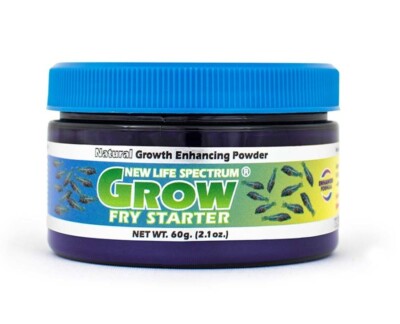
Credit: www.ebay.com
Feeding Techniques For Optimal Growth
Feeding fish the right way helps them grow strong and healthy. Good feeding techniques improve their growth rate and overall health.
Knowing how often to feed, how much to give, and avoiding overfeeding are key to success. These tips help fish get the best nutrition.
Proper Feeding Frequency
Feed your fish at regular times each day. This helps them get used to a routine and eat well.
Young fish need to eat more often than adults. Small meals several times a day support their fast growth.
- Feed young fish 3 to 4 times daily
- Adult fish usually need 1 to 2 feedings daily
- Keep feeding times consistent every day
Portion Control Tips
Give your fish the right amount of food to avoid waste and keep water clean. Too much food can cause problems.
Use small amounts and watch how fast fish eat. Feed only what they can finish in a few minutes.
- Offer small portions at each feeding
- Remove uneaten food after 5 minutes
- Adjust portions as fish grow or change activity
Avoiding Overfeeding
Overfeeding can cause poor water quality and health issues. It can also slow fish growth instead of helping it.
Feed only what fish need and watch their behavior. Stop feeding if food remains uneaten or fish seem full.
- Do not feed more than fish can eat in 5 minutes
- Check for leftover food and remove it quickly
- Watch fish for signs of overeating like lethargy
Enhancing Fish Health Through Diet
Fish need good food to stay healthy and grow strong. Feeding them the right diet helps avoid illness.
A balanced diet supports their immune system and keeps their colors bright. It also helps them live longer.
Boosting Immunity With Food
Certain foods help fish fight off diseases. Ingredients rich in vitamins and minerals boost their immune response.
- Foods high in vitamin C improve disease resistance.
- Beta-glucans from yeast strengthen immune cells.
- Garlic supports natural defenses and reduces stress.
- Probiotics balance gut bacteria and improve digestion.
Preventing Common Nutritional Deficiencies
Fish may suffer health problems if missing key nutrients. Knowing which nutrients are essential helps prevent issues.
| Nutrient | Role | Signs of Deficiency |
| Protein | Builds muscle and tissue | Slow growth, weak fins |
| Fatty Acids | Supports brain and skin | Dull color, poor swimming |
| Vitamins A & D | Bone and eye health | Deformed bones, blindness |
| Calcium | Strong bones and scales | Fragile bones, poor growth |
Supplements And Additives
Supplements help fill diet gaps. Additives can improve food quality and fish well-being.
- Vitamin mixes added to flakes or pellets
- Mineral powders to support bone health
- Natural additives like spirulina for color enhancement
Specialized Food For Different Fish Species
Feeding fish the right food helps them grow strong and healthy. Different fish species need different diets. Choosing the correct food improves their growth and wellbeing.
Fish food varies based on what the fish naturally eat. Carnivores, herbivores, and omnivores each have unique nutritional needs. Understanding these needs helps you pick the best food.
Carnivorous Fish Diets
Carnivorous fish eat mostly meat. They need protein-rich food to grow fast. Their diet includes insects, smaller fish, and crustaceans.
Specialized food for carnivores contains high protein and fats. This supports muscle growth and energy. Feeding them plant-based food can cause health issues.
- High protein pellets or flakes
- Frozen or live foods like shrimp and worms
- Foods rich in animal fats
Herbivorous Fish Diets
Herbivorous fish eat plants and algae. They need fiber and plant nutrients for good health. Their food helps keep their digestive system working well.
Specialized herbivore food contains vegetable matter and algae. It has less protein but more fiber. Feeding them too much meat can harm their digestion.
- Algae wafers or pellets
- Vegetable flakes with spinach or spirulina
- Fresh vegetables like lettuce or cucumber
Omnivorous Fish Diets
Omnivorous fish eat both plants and animals. They need a balanced diet with protein, fiber, and vitamins. This helps them grow evenly and stay healthy.
Specialized omnivore food mixes animal and plant ingredients. This food supports their natural eating habits. Feeding only one type of food can cause nutrient gaps.
- Mixed pellets with protein and vegetable content
- Flakes containing both fish meal and plant extracts
- Occasional live or frozen foods
Preparing Homemade Growth-boosting Fish Food
Feeding your fish with the right food helps them grow strong and healthy. Making fish food at home is simple and lets you control ingredients. This guide shows you how to prepare food that supports fast growth in fish.
Using natural ingredients can improve fish health and reduce waste. Homemade recipes give you fresh food without added chemicals or fillers.
Essential Ingredients
Choose ingredients rich in protein, vitamins, and minerals. These help fish build muscles and stay active.
- Fish meal or shrimp powder for protein
- Vegetable oils for healthy fats
- Spinach or kale for vitamins
- Wheat flour or cornmeal as a binder
- Garlic to boost immunity
Step-by-step Recipes
Follow these steps to make nutritious fish food at home. Mix ingredients well and shape the food into small pellets or flakes.
- Grind fish meal and vegetable ingredients into a fine powder.
- Add wheat flour or cornmeal to bind the mixture.
- Mix in vegetable oil and crushed garlic evenly.
- Add water slowly to form a dough-like texture.
- Shape the dough into small pellets or spread thin for flakes.
- Dry the pellets or flakes in shade for 24 hours.
Storage And Shelf Life
Proper storage keeps homemade fish food fresh and safe to use. Store it in a cool, dry place away from sunlight.
| Storage Method | Duration | Notes |
|---|---|---|
| Air-tight container at room temperature | Up to 2 weeks | Keep dry to avoid mold growth |
| Refrigerator | Up to 1 month | Seal well to prevent moisture |
| Freezer | Up to 6 months | Use freezer bags or containers |
Monitoring Growth And Adjusting Diet
Monitoring your fish’s growth is important for their health. Adjusting their diet helps them grow strong.
Keep track of their size and weight. This ensures they are growing as expected.
Tracking Growth Progress
Regularly measure your fish to see their growth. This helps in making informed diet choices.
| Measurement | Frequency |
| Length | Weekly |
| Weight | Monthly |
Signs Of Dietary Issues
Watch out for signs that your fish are not eating well. This can affect their growth.
- Loss of appetite
- Sluggish movement
- Unusual spots on the body
Adapting Food Choices
Adjust the food based on your fish’s needs. This ensures they get the right nutrients.
Consider different types of fish food like flakes, pellets, or live food.
Common Mistakes To Avoid
Feeding fish the right way boosts their growth and health. Avoid common mistakes to keep your fish thriving.
Learn what to do and what not to do when feeding your aquatic pets.
Feeding Inappropriate Food
Giving fish the wrong food can harm their health. Fish need specific nutrients to grow and stay healthy.
- Research the dietary needs of your fish species.
- Avoid overfeeding, as it leads to obesity and health issues.
- Do not feed human food or bread.
Ignoring Water Quality
Water quality is crucial for fish health. Poor water conditions can lead to stress and disease.
| Factor | Ideal Range |
| pH Level | 6.5 – 7.5 |
| Ammonia | 0 ppm |
| Nitrite | 0 ppm |
Neglecting Variety In Diet
Feeding the same food every day is not ideal. Variety ensures fish get all necessary nutrients.

Credit: www.amazon.com
Frequently Asked Questions
What Is Growth-boosting Fish Food?
Growth-boosting fish food is specially formulated to enhance fish growth. It contains high protein, essential vitamins, and minerals to support healthy development and improve fish vitality.
How Does Growth-boosting Fish Food Improve Fish Health?
This food improves fish health by providing balanced nutrition. It strengthens immunity, promotes faster growth, and enhances color vibrancy, ensuring fish stay active and resistant to diseases.
Which Ingredients Are Best For Growth-boosting Fish Food?
Top ingredients include fish meal, spirulina, krill, and vitamins A, C, and E. These nutrients support muscle development, boost immunity, and improve overall fish vitality.
Can Growth-boosting Fish Food Be Used For All Fish Types?
Yes, most growth-boosting fish foods are suitable for various species. However, always check the product label for species-specific recommendations to ensure optimal nutrition and safety.
Conclusion
Choosing the right fish food helps your fish grow strong and healthy. Good nutrition supports their color, energy, and lifespan. Feeding fish balanced food meets their daily needs. Always pick fresh, quality food for best results. Watch your fish closely to spot any changes.
Healthy fish make your aquarium more enjoyable. Keep learning about fish care for happy, thriving pets. Small steps in feeding can lead to big benefits. Healthy fish, happy home.