
If you’ve ever tried raising fish fry, you know it’s not as simple as it looks. The tiniest mistakes in feeding can mean the difference between a thriving batch of fry and losing them all.
Choosing the right fish food for fry survival is one of the most important steps you can take to ensure your little fish grow strong and healthy. You’ll discover the best types of food, feeding tips, and secrets that can boost your fry’s chances of survival.
Keep reading, because your success depends on what you feed them—and how you feed them.
Choosing The Right Fry Food
Feeding fry the right food is key to their survival. Young fish need food that is easy to eat and full of nutrients.
Different types of fry food fit different needs. You can choose live food, commercial options, or homemade recipes.
Live Food Options
Live food is natural and helps fry develop hunting skills. It is rich in nutrients and easy to digest.
- Infusoria: tiny water creatures good for very small fry
- Baby brine shrimp: highly nutritious and easy to culture
- Microworms: small worms that fry can eat easily
- Daphnia: small crustaceans that are good for larger fry
Commercial Fry Foods
Commercial foods are convenient and come in different forms. They often contain balanced nutrition for fry growth.
| Type | Description | Best For |
|---|---|---|
| Powdered Food | Fine particles suitable for tiny fry | Newly hatched fry |
| Crumbled Pellets | Small pieces easy to eat | Growing fry |
| Flake Food | Light flakes that soften quickly | Small to medium fry |
Homemade Food Recipes
Homemade food lets you control ingredients. It can be fresh and free from preservatives.
- Boiled egg yolk mashed finely
- Blended spinach mixed with water
- Crushed flake food mixed with garlic juice
- Cooked and mashed peas
Feeding Frequency And Portions
Feeding fry the right amount of food is key to their survival. Too much or too little food can harm their growth.
Proper feeding frequency and portions help fry develop strong and healthy.
Optimal Feeding Schedule
Feed fry small amounts several times a day. This keeps food fresh and easy to digest.
Young fry need food 3 to 5 times daily. Adjust as they grow bigger.
- Feed 3-5 times per day
- Use small portions each time
- Observe fry activity and adjust feeding
Avoiding Overfeeding
Overfeeding causes water pollution and can kill fry. Remove leftover food quickly.
Only give what fry can eat in 3-5 minutes. This helps keep the tank clean and healthy.
- Feed small amounts only
- Watch for uneaten food
- Clean tank regularly
Signs Of Proper Nutrition
Healthy fry grow fast and swim actively. Their color should be bright and clear.
Check fry daily. Good nutrition shows in their behavior and appearance.
- Fast growth
- Active swimming
- Bright and clear colors
- No signs of bloating or lethargy
Nutritional Needs Of Fry
Fry are baby fish that need special food to grow strong and healthy. Their nutrition is different from adult fish.
Good food helps fry survive and develop quickly. It must meet their unique needs for protein, vitamins, and energy.
Protein Requirements
Protein is very important for fry. It helps build muscles and organs. Fry need more protein than adult fish.
High protein food supports fast growth and strong immune systems. Common protein sources include fish meal and shrimp.
- Protein makes up 40-60% of fry diet
- Animal-based proteins are easier to digest
- Too little protein slows growth
Essential Vitamins And Minerals
Vitamins and minerals keep fry healthy and active. They support bone growth, vision, and disease resistance.
Common vitamins needed include A, C, D, and E. Important minerals are calcium, phosphorus, and iron.
- Vitamin A supports eye health
- Vitamin C boosts immunity
- Calcium helps strong bones
- Iron aids oxygen transport
Fat And Carbohydrate Balance
Fry need some fat for energy and healthy cell function. Too much fat can harm their development.
Carbohydrates provide extra energy but should be limited. Balanced fat and carbs help fry stay active and grow well.
- Fat content should be around 8-12%
- Carbohydrates should not exceed 20%
- Omega-3 fats support brain development

Credit: www.reddit.com
Preparing And Storing Fry Food
Feeding fry fish requires special care to help them grow healthy. Proper preparation and storage of fry food keep it fresh and safe.
Using the right methods helps preserve nutrients and avoids harm to the young fish. This guide covers key tips for fry food handling.
Food Preparation Techniques
Preparing fry food correctly ensures it is easy to eat and digest. Small particles and soft textures suit young fish best.
- Grind dry food into fine powder for easy feeding
- Soak pellets in water to soften before feeding
- Use live or frozen food like brine shrimp or daphnia
- Mix different foods to provide balanced nutrition
- Keep food portions small to avoid leftovers
Storage Tips For Freshness
Store fry food properly to keep nutrients intact and prevent spoilage. Temperature and container choice matter a lot.
| Storage Method | Ideal Conditions | Duration |
| Dry Powder | Cool, dry place in sealed container | Up to 6 months |
| Frozen Food | Freezer at -18°C or lower | 3 to 6 months |
| Live Food | Refrigerated or aerated tanks | 1 to 2 weeks |
| Soaked Pellets | Use immediately or refrigerate for 24 hours | Less than 1 day |
Avoiding Contamination
Contamination can cause diseases in fry. Cleanliness and careful handling reduce risks.
- Wash hands before preparing food
- Use clean utensils and containers
- Discard uneaten food after feeding
- Keep storage areas dry and mold-free
- Check food for signs of spoilage before use
Common Feeding Challenges
Feeding fry fish is a delicate task. Small mistakes can harm their growth and survival. Understanding common feeding challenges helps keep fry healthy.
This guide covers issues like food waste, water quality, and disease risks. Each section offers simple tips to improve fry care.
Dealing With Food Waste
Uneaten food can pollute water and harm fry. It is important to feed the right amount and clean leftovers promptly.
- Feed small amounts several times a day.
- Remove uneaten food after 5 minutes.
- Use sinking pellets to reduce surface waste.
- Observe fry eating habits to adjust feeding.
Managing Water Quality
Good water quality supports fry health. Food waste and fish waste can lower water quality quickly.
| Water Parameter | Ideal Range |
| Temperature | 24–28°C (75–82°F) |
| pH | 6.5–7.5 |
| Ammonia | 0 ppm |
| Nitrite | 0 ppm |
| Nitrate | < 20 ppm |
Preventing Disease Outbreaks
Disease can spread fast among fry. Clean water and good feeding habits reduce risks.
- Quarantine new fish before adding to tanks.
- Do not overfeed to avoid poor water conditions.
- Keep tanks clean and change water regularly.
- Use proper fry food to support immunity.

Credit: www.amazon.com
Monitoring Fry Growth And Health
Ensuring the survival of fish fry requires close attention. Monitoring their growth and health is key to a thriving aquatic environment.
Regular checks help in identifying any issues early. This allows for timely interventions to promote their well-being.
Tracking Growth Rates
Monitoring growth rates involves measuring the size of the fry. This helps in understanding their development over time.
| Age (weeks) | Average Size (cm) |
| 1 | 0.5 |
| 2 | 1.0 |
| 3 | 1.5 |
| 4 | 2.0 |
Behavioral Indicators
Fry behavior offers clues about their health. Observe their swimming patterns and feeding habits regularly.
- Active swimming indicates good health
- Lethargy might suggest illness
- Avoidance of food can signal stress
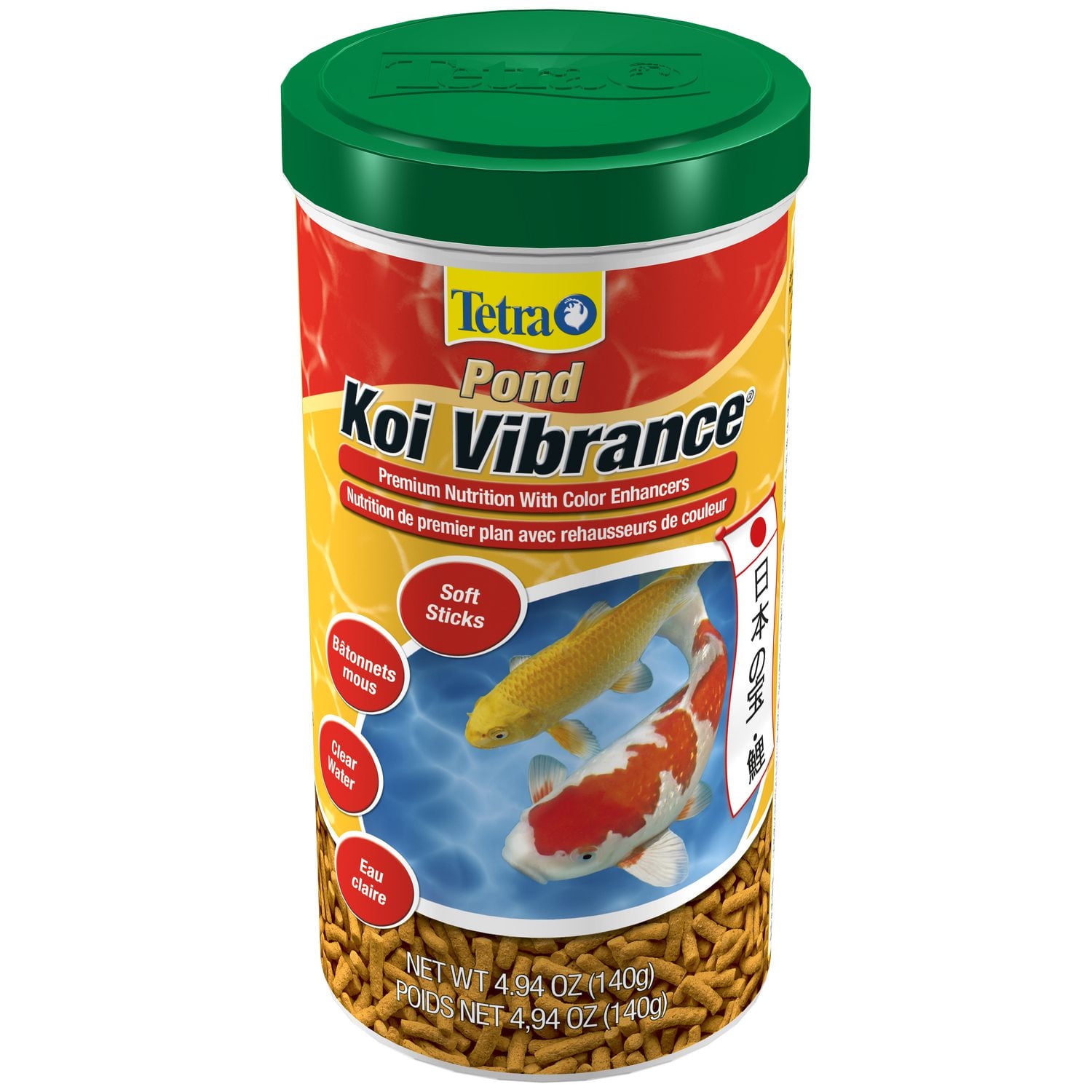
Adjusting Diet As They Grow
As fry grow, their dietary needs change. Adjusting their food ensures they receive proper nutrition.
Credit: www.walmart.ca
Frequently Asked Questions
What Is The Best Food For Fry Survival?
The best food for fry survival is high-protein, easy-to-digest options. Infusoria, baby brine shrimp, and finely crushed flakes work well. These foods support healthy growth and increase fry survival rates during their critical early stages.
How Often Should Fry Be Fed Daily?
Feed fry small amounts 3 to 5 times daily. Frequent feeding ensures they get enough nutrients without fouling the water. Overfeeding can harm fry health and water quality.
Can Homemade Food Improve Fry Survival?
Yes, homemade food can improve fry survival. Recipes using boiled egg yolk, spirulina powder, or finely mashed vegetables provide balanced nutrition. Homemade options are fresh, nutritious, and safe when prepared properly.
When Should Fry Switch To Adult Fish Food?
Fry should switch to adult fish food after 4 to 6 weeks. By this time, fry grow large enough to digest flakes or pellets. Gradual transitioning helps avoid digestive problems and supports continued growth.
Conclusion
Feeding fry the right food helps them grow strong and healthy. Tiny, nutritious meals suit their small mouths best. Fresh food keeps fry active and supports their immune system. Consistent feeding schedules improve survival rates. Clean water and good food go hand in hand.
Watch fry closely to adjust food amounts. Small steps lead to big success in fry care. Keep learning and observing for happy, thriving fish.