
Keeping your medium aquarium water clean and healthy is key to thriving fish and plants. But you might wonder, how exactly can you treat the water to make it just right?
If you want to avoid common problems like cloudy water, harmful bacteria, or stressed fish, understanding water treatment is a must. You’ll discover simple, effective ways to maintain crystal-clear water that supports a vibrant underwater world. Ready to transform your aquarium into a healthy haven?
Let’s dive into everything you need to know about water treatment for medium aquariums.
Choosing The Right Filtration System
Keeping water clean is key for a healthy medium aquarium. The right filter removes waste and keeps the water clear. Choosing a good filtration system helps fish stay healthy and happy.
This guide explains types of filters, how to maintain them, and how to balance filtration methods. Knowing these will help you pick the best filter for your tank.
Types Of Filters For Medium Tanks
There are three main types of filters suitable for medium aquariums. Each type has its own way to clean the water and benefits.
- Hang-on-back filters (HOB): Easy to install and maintain. They hang on the tank’s edge and use a pump to push water through filter media.
- Canister filters: Powerful and quiet. They sit outside the tank and pull water through tubes. Good for tanks with many fish.
- Internal filters: Placed inside the tank. They are compact and good for tanks with limited space.
Filter Maintenance Tips
Regular filter care keeps your tank water safe. Clean filters often but avoid over-cleaning. Over-cleaning can kill helpful bacteria in the filter.
| Task | Frequency | Notes |
|---|---|---|
| Rinse mechanical media | Every 2 weeks | Use tank water to keep bacteria alive |
| Replace chemical media | Every 1 month | Depends on product instructions |
| Check filter pump | Monthly | Clear debris to keep flow steady |
Balancing Mechanical, Chemical, And Biological Filtration
Good filtration uses three methods. Mechanical removes solid waste. Chemical cleans dissolved impurities. Biological breaks down harmful chemicals.
Here is how these work together in a filter:
- Mechanical filtration:Traps dirt and debris.
- Chemical filtration:Removes odors and toxins.
- Biological filtration:Uses good bacteria to break down waste.
Choose filter media that supports all three types for best results.
Regular Water Testing And Monitoring
Keeping aquarium water clean is very important for fish health. Regular water testing helps you find problems early.
Testing water often lets you keep the right balance of chemicals. This keeps fish safe and happy in medium aquariums.
Key Water Parameters To Track
Some water parameters need close watching. These affect fish health and water quality.
- pH – measures how acidic or basic the water is
- Ammonia – toxic waste from fish and food
- Nitrite – harmful chemical formed from ammonia
- Nitrate – less harmful but should stay low
- Temperature – must be steady for your fish species
- Hardness – minerals in water that affect fish and plants
Using Test Kits Effectively
Use aquarium test kits to check water parameters. Follow the instructions carefully for best results.
Keep test kits in a dry, cool place. Check expiration dates to avoid wrong readings.
- Take water samples from the aquarium
- Add the sample to the test kit as directed
- Wait the correct amount of time
- Compare colors or readings as shown on the kit
- Record results to track changes over time
Frequency Of Testing
Test water more often in new or changing aquariums. This helps catch problems early.
Once stable, test weekly. Test more if fish show signs of stress or illness.
- New aquarium: test every 2-3 days
- Established aquarium: test once a week
- After water changes: test before and after
- If fish look sick: test immediately
Water Change Strategies
Keeping water clean is key for medium aquariums. Changing water regularly helps fish stay healthy.
Good water change plans stop harmful chemicals and waste from building up. This guide explains how to do it right.
Optimal Water Change Schedules
Change part of the water often to keep it fresh. The schedule depends on tank size and fish number.
A common plan is to replace 20% to 30% of water weekly. This keeps ammonia and nitrate levels low.
- Small fish loads: change 20% weekly
- Medium fish loads: change 25% weekly
- Heavy fish loads: change 30% or more weekly
How To Perform Safe Water Changes
Use a siphon to remove water from the tank carefully. Avoid disturbing fish or plants too much.
Replace with water at the same temperature as the tank. Pour water gently to keep the tank stable.
- Turn off filters before starting
- Remove 20-30% of water slowly
- Add new water slowly to avoid shock
- Turn filters back on after water change
Dechlorination And Water Conditioning
Treated tap water often has chlorine or chloramine. These chemicals harm fish and must be removed.
Use a water conditioner to remove harmful chemicals. Follow product instructions for best results.
- Test water for chlorine before use
- Use conditioner to neutralize chlorine
- Let treated water sit for a few minutes
- Check water parameters after treatment

Credit: www.amazon.com
Managing Algae Growth
Algae growth is a common issue in medium aquariums. It can harm fish and plants if not controlled.
Understanding the causes and control methods helps keep your aquarium clean and healthy.
Causes Of Algae In Medium Aquariums
Algae grow because of excess light, nutrients, and poor water quality. Uneaten food and fish waste add nutrients.
- Too much sunlight or aquarium light
- High levels of nitrates and phosphates
- Overfeeding fish
- Infrequent water changes
- Imbalanced aquarium ecosystem
Natural And Chemical Control Methods
Use natural methods first to control algae. Chemical treatments work but may harm fish if used wrongly.
- Introduce algae-eating fish or snails
- Reduce feeding to lower waste
- Keep aquarium light on for 6-8 hours daily
- Use water conditioners to balance nutrients
- Apply algae control chemicals carefully if needed
Preventing Algae Recurrence
| Prevention Method | Details |
| Regular Water Changes | Replace 20% weekly to reduce nutrients |
| Proper Lighting | Use timers to limit light exposure |
| Balanced Feeding | Feed fish only what they eat in 2-3 minutes |
| Plant Care | Healthy plants compete with algae for nutrients |
| Cleaning Routine | Clean tank surfaces and decorations regularly |
Maintaining Healthy Beneficial Bacteria
Beneficial bacteria are important for keeping aquarium water clean. They break down harmful waste and keep fish safe.
In medium aquariums, maintaining these bacteria helps create a stable and healthy environment for your fish.
Role Of Beneficial Bacteria In Water Clarity
Beneficial bacteria help remove harmful substances like ammonia and nitrites. These toxins make water cloudy and unsafe.
By converting these toxins into less harmful nitrates, bacteria keep the water clear and safe for fish.
Encouraging Bacterial Growth
Bacteria grow best on surfaces like filter media and aquarium gravel. Providing these helps bacteria thrive.
Keep the water temperature stable and avoid using strong chemicals that can kill bacteria.
- Use good quality filter media
- Keep water temperature steady
- Feed fish only what they eat
- Do not add harsh cleaners
Avoiding Disruption During Cleaning
Cleaning the tank is necessary but can harm beneficial bacteria. Avoid cleaning all filter parts at once.
Use water from the tank to rinse filter media. This keeps bacteria alive and helps them recover quickly.
- Clean filter media gently with tank water
- Do not replace all filter media at once
- Perform partial water changes regularly
- Avoid over-cleaning decorations and gravel
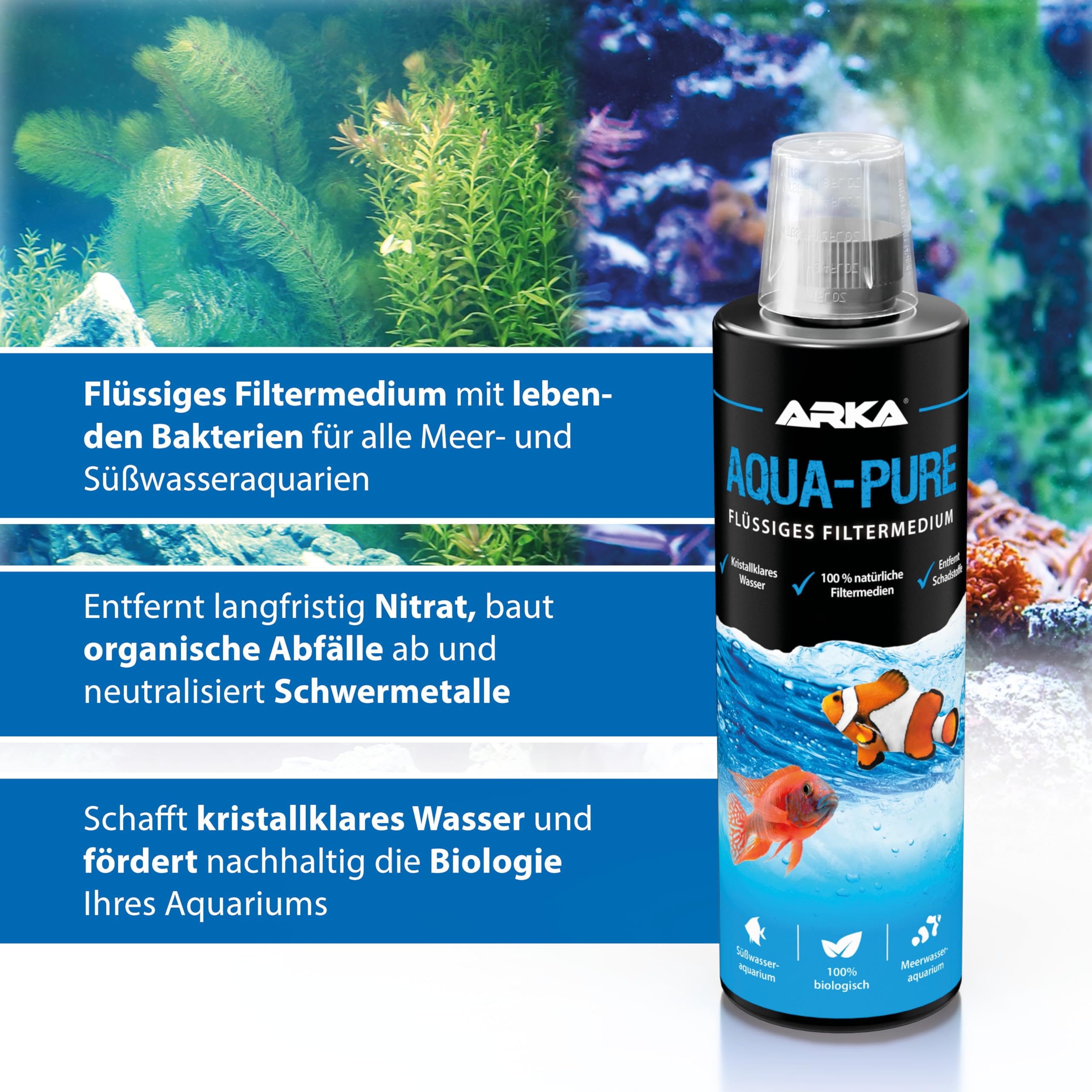
Credit: www.amazon.de
Selecting The Best Water Source
Choosing the right water source is vital for medium aquariums. The water quality affects fish health and tank balance. Understanding different water sources helps make the best decision for your aquarium.
Explore the common water sources and their benefits. Learn how to adjust them for your aquarium’s needs.
Tap Water Vs. Filtered Water
Tap water is easy to access and cheap. It may contain chlorine and other chemicals. These can harm fish if not treated. Filtered water removes many impurities but may still need adjustments.
Filtering tap water can improve its quality. Consider using a dechlorinator to make it safe for fish.
- Tap water may require dechlorination
- Filtered water needs testing for minerals
- Both types may need further treatment
Using Ro/di Water
RO/DI water is very pure. It is free from most impurities and chemicals. This makes it ideal for sensitive fish. However, it lacks essential minerals.
Adding minerals back to RO/DI water is necessary. This ensures fish get the nutrients they need.
- RO/DI water is very clean
- Minerals need to be added
- Great for delicate fish species
Adjusting Water Parameters For Fish Health
Water parameters like pH, hardness, and temperature affect fish health. Different fish need different conditions. Testing water regularly helps keep these levels right.
Adjusting water parameters ensures a healthy environment. Use tools like pH adjusters and heaters to maintain balance.
| Parameter | Ideal Range |
| pH | 6.5 – 7.5 |
| Temperature | 74°F – 78°F |
| Hardness | 5 – 15 dGH |
Common Mistakes To Avoid
Maintaining a medium aquarium can be fun and rewarding. But, some mistakes can harm fish and plants. Let’s explore common pitfalls.
Learn how to avoid these errors and keep your aquarium healthy. We will cover feeding, crowding, and equipment checks.
Overfeeding And Its Impact
Overfeeding is a common mistake in medium aquariums. Too much food can lead to water pollution and algae growth.
- Feed fish once or twice a day
- Only give as much as they eat in 2-3 minutes
- Remove uneaten food promptly
Overcrowding Effects
Too many fish in one tank can stress them out. It also makes waste buildup faster, harming water quality.
Tip:Calculate tank capacity by fish size. A good rule is one inch of fish per gallon.
Neglecting Equipment Checks
Regular equipment checks are crucial. Filters and heaters need attention to keep the aquarium environment stable.
| Equipment | Check Frequency |
| Filter | Weekly |
| Heater | Monthly |
| Lights | Every 6 months |

Credit: www.amazon.ca
Frequently Asked Questions
What Is The Best Water Treatment For Medium Aquariums?
The best water treatment for medium aquariums involves using dechlorinators and water conditioners. These remove harmful chemicals and balance pH. Regular water changes and filtration also maintain healthy water conditions for fish and plants.
How Often Should I Treat Aquarium Water?
Treat aquarium water with conditioners during every water change. Typically, water changes occur weekly or biweekly. Consistent treatment keeps water safe, removes toxins, and supports aquatic life in medium aquariums.
Can I Use Tap Water Directly In My Aquarium?
No, tap water usually contains chlorine and chloramine. These chemicals harm fish and beneficial bacteria. Always treat tap water with a dechlorinator before adding it to your aquarium.
Why Is Water Ph Important In Medium Aquariums?
Water pH affects fish health and biological processes. Maintaining stable pH prevents stress and disease. Use pH test kits and adjust water treatment accordingly to keep pH levels ideal for your fish species.
Conclusion
Proper water treatment keeps your medium aquarium healthy and clear. Clean water helps fish live longer and stay active. Testing water regularly avoids harmful chemicals and toxins. Using filters and conditioners improves water quality fast. Small, steady care makes a big difference over time.
Remember, healthy water means happy fish and plants. Keep your aquarium clean for a beautiful underwater world. Simple steps lead to great results. Your fish will thank you.