
If you want a healthy and vibrant aquarium, understanding biological filtration is key. You might have heard about filters before, but do you know how biological filtration works to keep your fish safe and your water clean?
This simple yet powerful process helps break down harmful waste and creates a balanced environment for your aquatic friends. You’ll discover how biological filtration works, why it matters, and how you can use it to transform your aquarium into a thriving underwater world.
Keep reading—you’ll be surprised how easy it is to make a big difference for your fish!
What Is Biological Filtration
Biological filtration is a natural process used in aquariums. It helps keep the water clean and safe for fish.
This filtration uses beneficial bacteria to break down harmful waste products. It is a key part of maintaining a healthy aquarium environment.
How Biological Filtration Works
Biological filtration relies on bacteria that live on filter media. These bacteria turn toxic substances into less harmful ones.
- Ammonia from fish waste is toxic to fish.
- Bacteria convert ammonia into nitrites.
- Other bacteria change nitrites into nitrates.
- Nitrates are less harmful and removed by water changes.
Types Of Biological Filter Media
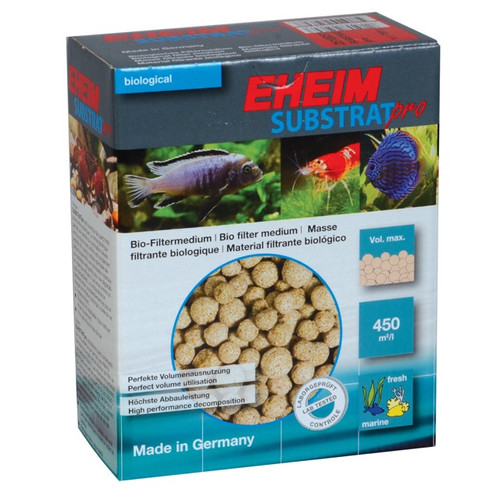
Different materials support bacteria growth in biological filters. These materials have large surface areas for bacteria to live on.
| Filter Media | Description |
| Sponges | Soft and porous, good for bacteria growth |
| Ceramic Rings | Hard with many holes, great surface area |
| Bio Balls | Plastic spheres with slots for bacteria |
| Foam Pads | Dense material trapping debris and bacteria |
Benefits Of Biological Filtration
Biological filtration keeps aquarium water safe by removing toxins. It supports healthy fish and plants.
- Reduces harmful ammonia and nitrites
- Maintains stable water conditions
- Supports fish health and growth
- Helps prevent disease
- Works naturally without chemicals

Credit: www.amazon.ca
Role Of Beneficial Bacteria
Beneficial bacteria play a key role in keeping aquarium water healthy. They help break down harmful waste products from fish and plants.
These bacteria live on surfaces inside the tank, such as filter media and decorations. They keep the water clean and safe for aquatic life.
Nitrifying Bacteria Types
Nitrifying bacteria change toxic ammonia into less harmful substances. Two main types do this work in aquariums.
- Ammonia-oxidizing bacteria (AOB):These bacteria convert ammonia (NH3) into nitrite (NO2-).
- Nitrite-oxidizing bacteria (NOB):These bacteria turn nitrite into nitrate (NO3-), which is less toxic.
How Bacteria Clean Water
Beneficial bacteria remove harmful chemicals through a natural process called the nitrogen cycle. This cycle keeps the water safe for fish.
| Step | Process | Bacteria Role |
| 1 | Ammonia produced by fish waste | Ammonia-oxidizing bacteria convert ammonia to nitrite |
| 2 | Nitrite forms in the water | Nitrite-oxidizing bacteria convert nitrite to nitrate |
| 3 | Nitrate accumulates | Removed by water changes or plants absorb it |
Setting Up Biological Filters
Biological filtration is key to keeping aquarium water clean and healthy. It uses beneficial bacteria to break down harmful waste.
Setting up the filter correctly helps these bacteria grow and keeps fish safe. Let’s look at how to choose filter media and place the filter.
Choosing Filter Media
Filter media provide a surface for good bacteria to grow. Different materials work better in different setups.
- Bio balls: Offer lots of surface area and good water flow.
- Ceramic rings: Porous and long-lasting for bacteria colonization.
- Sponge: Traps debris and supports bacteria growth.
- Activated carbon: Removes chemicals but does not help bacteria.
- Foam pads: Provide mechanical filtration and bacteria habitat.
Placement Tips
Where you place the biological filter affects its efficiency. Good placement ensures water flows well and bacteria stay healthy.
| Placement Area | Benefit |
| Near water inflow | Maximizes oxygen and nutrient supply |
| Lower tank region | Helps settle particles for better filtration |
| Away from strong currents | Prevents washing away bacteria colonies |
| Easy to access spots | Makes cleaning and maintenance simple |

Credit: www.reddit.com
Maintaining Bacterial Colonies
Biological filtration in aquariums relies on good bacteria to keep water clean. These bacteria break down harmful waste into less dangerous substances.
Keeping these bacterial colonies healthy is important for a safe environment for your fish. You must care for them carefully.
Avoiding Harmful Chemicals
Some chemicals can kill beneficial bacteria in your filter. Avoid using strong cleaners or medications in the aquarium water.
Even small amounts of chlorine or chloramine can harm bacteria. Use water conditioners to remove these chemicals before adding water to the tank.
- Do not use bleach or strong disinfectants near the aquarium.
- Check tap water for chlorine and chloramine.
- Use a water conditioner to treat new water.
- Avoid overuse of antibiotics unless necessary.
Feeding The Bacteria
Beneficial bacteria need food to grow and stay active. They feed on ammonia, which comes from fish waste and leftover food.
Do not clean the filter media too often or use hot water. This can remove or kill bacteria and reduce their food supply.
- Feed fish the right amount to avoid extra waste.
- Keep filter media moist and avoid deep cleaning.
- Allow bacteria time to colonize new filter material.
- Test water regularly for ammonia and nitrite levels.
Common Problems And Fixes
Biological filtration in aquariums is vital for healthy fish. Problems can arise and need quick solutions.
Understanding common issues helps maintain a clear and safe environment for aquatic life.
Cloudy Water Causes
Cloudy water often means a problem with filtration. It makes the tank look dirty and can harm fish.
- Overfeeding fish can lead to excess waste.
- Insufficient filter maintenance affects water clarity.
- New tank syndrome causes bacterial imbalance.
Bacterial Die-off Signs
Bacterial die-off can disrupt the nitrogen cycle. It is crucial to address it immediately.
| Sign | Cause |
| Foul odor | Decomposing organic material |
| Ammonia spike | Lack of beneficial bacteria |
| Fish gasping at surface | Poor water quality |
Enhancing Filtration Efficiency
Biological filtration helps keep aquarium water clean. It uses beneficial bacteria to remove harmful waste.
Improving this filtration makes your aquarium healthier. You can do this by adding plants and using aeration.
Adding Plants
Plants absorb harmful chemicals like ammonia and nitrates. They help balance the water naturally.
Plants also provide surface area for good bacteria to grow. This boosts the biological filtration process.
- Choose fast-growing plants for better nutrient use
- Place plants where water flows for more contact
- Use a mix of floating and rooted plants
Using Aeration
Aeration adds oxygen to the water. Oxygen helps bacteria break down waste faster.
Strong aeration also moves water around. This spreads bacteria and waste evenly for better filtration.
- Use air stones or bubble wands for oxygen
- Position aerators near filter intakes
- Adjust bubbles to avoid stressing fish
Credit: www.tropicnreefaquariums.com
Frequently Asked Questions
What Is Biological Filtration In Aquariums?
Biological filtration uses beneficial bacteria to break down harmful ammonia and nitrites. It maintains a healthy aquatic environment for fish and plants. This process is essential for reducing toxins naturally and supporting aquarium stability.
How Does Biological Filtration Benefit Aquarium Health?
It converts toxic ammonia and nitrites into less harmful nitrates. This prevents fish poisoning and promotes a balanced ecosystem. Biological filtration supports fish growth and keeps water quality safe over time.
What Materials Are Used In Biological Filtration Media?
Common media include bio-balls, ceramic rings, and sponge filters. These provide a large surface area for beneficial bacteria to colonize. Effective media enhance bacteria growth and improve filtration efficiency.
How To Maintain Biological Filtration In Aquariums?
Avoid cleaning media with chlorinated water to protect bacteria. Regularly check water parameters and replace media only when necessary. Proper maintenance ensures continuous bacteria activity and optimal filtration performance.
Conclusion
Biological filtration keeps aquarium water clean and safe for fish. Beneficial bacteria break down harmful waste naturally. This process helps maintain a healthy environment. Regular care supports these bacteria and improves water quality. Understanding this system makes fishkeeping easier and more enjoyable.
Keep your aquarium balanced for happy, healthy fish. Simple steps lead to great results. Trust nature’s way to keep water clear. Your fish will thrive with proper filtration.