
Are you tired of watching your bottom-feeding fish struggle to get their share of food? You’re not alone.
Feeding bottom dwellers can be tricky, especially when flakes and pellets float to the top before they reach the tank floor. That’s where fish feeding dishes for bottom feeders come in. These simple tools can make a big difference in keeping your fish healthy and happy.
Ready to learn how to make feeding time easier and cleaner for your aquatic friends? Keep reading, and discover the best ways to nourish your bottom feeders without the mess or waste.

Credit: www.amazon.com
Choosing The Right Dish
Choosing a proper feeding dish helps bottom feeders eat comfortably. The right dish supports their natural feeding habits.
This guide covers materials, size, shape, stability, and weight of dishes for bottom feeders.
Material Options
Materials affect the durability and safety of fish feeding dishes. Some materials keep food fresh better than others.
- Ceramic:Heavy and stable. Easy to clean but can break if dropped.
- Plastic:Lightweight and affordable. May scratch and hold odors.
- Glass:Smooth surface and easy to clean. Can be fragile.
- Stainless Steel:Durable and rust-resistant. Usually heavy and stable.
Size And Shape
Size and shape help bottom feeders access food easily. The dish should fit the tank and fish species.
| Shape | Benefits |
|---|---|
| Round | Allows fish to eat from all sides comfortably |
| Rectangular | Fits well in tank corners and saves space |
| Shallow | Makes food easy to reach for bottom dwellers |
| Deep | Prevents food from floating away but may be hard to access |
Stability And Weight
The dish should not tip over or move easily. Weight helps keep the dish stable in the tank.
Key factors for stability:
- Heavier dishes resist tipping and sliding
- Wide base lowers center of gravity
- Non-slip pads or suction cups add extra grip
Types Of Bottom Feeders
Bottom feeders are fascinating fish that live at the bottom of aquariums. They play a vital role in maintaining a clean environment.
These fish have special adaptations that help them find food on the tank floor. Let’s explore their common species, feeding habits, and dietary needs.
Common Species
There are many types of bottom feeders, each with unique traits. Some are known for their cleaning abilities, while others are admired for their appearance.
- Corydoras Catfish
- Plecostomus
- Kuhli Loach
- Synodontis Catfish
Feeding Habits
Bottom feeders have specific feeding habits that suit their environment. They often search for food in hidden spots.
| Species | Feeding Time |
| Corydoras Catfish | Daytime |
| Plecostomus | Nighttime |
| Kuhli Loach | Nighttime |
| Synodontis Catfish | Nighttime |
Dietary Needs
Bottom feeders require specific diets to stay healthy. Their food must reach the tank bottom for easy access.
It is important to choose the right food for bottom feeders. This ensures they get the nutrition they need.
- Algae wafers
- Sinking pellets
- Fresh vegetables
- Bloodworms
Best Foods For Bottom Feeders
Bottom feeder fish eat food that sinks to the tank floor. They need special food types to stay healthy. Choosing the right food helps them grow strong.
Many foods suit bottom feeders, including pellets, vegetables, and live options. Each type offers different nutrients for your fish.
Pellets And Tablets
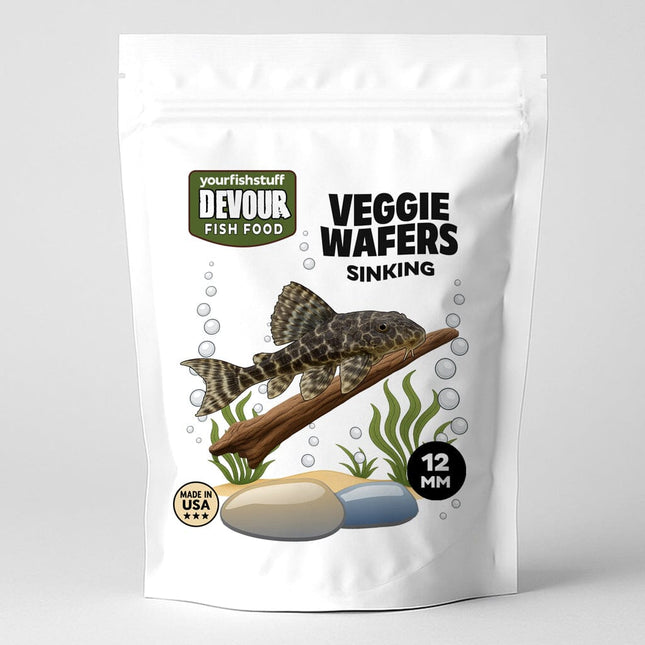
Pellets and tablets are made to sink fast. Bottom feeders can easily find and eat them on the tank floor. These foods have balanced nutrition.
They come in many sizes and formulas. Some have extra vitamins and minerals to keep fish healthy.
- Sinking pellets made for bottom feeders
- Algae wafers for species that eat plants
- Protein-rich tablets for carnivorous fish
Vegetable Matter
Many bottom feeders enjoy vegetables in their diet. Vegetables provide fiber and essential vitamins. They help digestion and keep fish active.
Common vegetables include zucchini, spinach, and peas. These should be cleaned and cut into small pieces before feeding.
- Zucchini slices
- Boiled spinach leaves
- Peas without shells
- Cucumber slices
Frozen And Live Foods
Frozen and live foods add variety and energy to a bottom feeder’s diet. They offer high protein and natural nutrients. Many bottom feeders love these foods.
Examples include bloodworms, brine shrimp, and tubifex worms. These foods help fish stay active and healthy.
- Frozen bloodworms
- Live brine shrimp
- Frozen daphnia
- Live tubifex worms
Credit: www.yourfishstuff.com
Placement Tips
Using the right spot for fish feeding dishes helps bottom feeders find food easily. It keeps the tank clean and fish healthy.
Good placement also supports natural feeding habits. This makes your aquarium a better home for your fish.
Ideal Location In Aquarium
Place dishes on the tank floor where bottom feeders swim. Make sure the spot is easy to reach and safe.
Keep dishes away from strong water currents. This stops food from washing away too fast.
- Near hiding spots like rocks or plants
- In low water flow areas
- On flat surfaces to keep dishes stable
Avoiding Waste Build-up
Place dishes where leftover food can be seen and removed easily. This prevents waste build-up and water pollution.
Regularly clean the feeding area to keep water clear. Avoid spots where debris can get trapped.
- Use smooth surfaces under dishes for easy cleaning
- Do not place near filter intakes that trap food
- Check and remove uneaten food daily
Encouraging Feeding Behavior
Put dishes where bottom feeders feel safe to eat. This helps reduce stress and encourages regular feeding.
Use spots that allow fish to see the food without competition. This helps shy fish get their share.
- Near plants or decorations for cover
- In quiet areas away from aggressive fish
- At the same place each feeding time to build habit
Maintenance And Cleaning
Keeping fish feeding dishes clean helps your bottom feeders stay healthy. Dirty dishes can cause harmful bacteria and algae to grow. Regular care makes your aquarium a safer place for your fish.
Proper maintenance also improves the look of your tank. Clean dishes keep the water clear and fish happy. Follow simple steps to keep feeding areas fresh and safe.
Cleaning Frequency
Clean fish feeding dishes regularly to avoid buildup of waste and leftover food. Daily or every other day cleaning is best. This stops bad smells and keeps fish healthy.
- Remove uneaten food after each feeding.
- Rinse dishes with warm water every day.
- Deep clean dishes with soap once a week.
Preventing Algae Growth
Algae can cover feeding dishes and make them slippery. It also harms water quality. Prevent algae by limiting light and cleaning often.
- Place dishes away from direct sunlight.
- Use aquarium lights only when needed.
- Clean dishes and tank surfaces regularly.
- Use algae-eating fish or snails to control growth.
Safe Cleaning Methods
Use gentle cleaning methods to protect your fish. Avoid harsh chemicals that can harm them. Clean dishes well to remove dirt and bacteria.
| Cleaning Step | Recommended Method |
| Rinse | Use warm water only |
| Scrub | Soft brush or sponge |
| Disinfect | Soak in diluted vinegar for 10 minutes |
| Rinse Again | Use fresh water to remove vinegar |
| Dry | Air dry before use |

Credit: feederspetsupply.com
Diy Feeding Dish Ideas
Creating feeding dishes for bottom feeders can be simple and fun. Using items from home, you can make dishes that suit your fish and save money.
Explore these creative ideas and start crafting the perfect feeding dish for your aquatic friends.
Using Household Items
You can find many things at home to make a feeding dish. These items are often ready to use or need just a little adjustment.
- Plastic lids from jars can serve as shallow dishes.
- Old ceramic plates are sturdy and safe for fish.
- Small glass bowls add a touch of elegance to the aquarium.
Customizing For Specific Fish
Different fish have different needs. Customize your feeding dish to cater to the specific species in your tank.
- For catfish, ensure the dish is large and flat.
- Loaches may need a dish with slight edges to keep food contained.
- Ensure the material is safe and non-toxic for all types of fish.
Cost-effective Solutions
Creating a feeding dish doesn’t have to be costly. With a little creativity, you can make effective feeding solutions without spending much.
| Item | Estimated Cost |
| Plastic lid | Free |
| Old plate | Free |
| Small glass bowl | $1 – $2 |
Troubleshooting Feeding Issues
Feeding bottom feeders can be tricky. Sometimes they ignore food or fight during meals.
Watching their behavior helps solve common feeding problems. This guide covers key issues.
Food Not Being Eaten
Bottom feeders may skip food if it sinks too fast or is hard to reach. Check the dish placement.
Food quality matters too. Old or stale food can turn fish away.
- Use sinking pellets or wafers made for bottom feeders
- Place dishes where fish can easily find them
- Feed small amounts to avoid waste
- Replace old food regularly
Aggression At Feeding Time
Some bottom feeders fight over food dishes. This can stress the fish and cause injuries.
Adding more feeding spots can reduce fights and let all fish eat peacefully.
- Use multiple feeding dishes spread out in the tank
- Feed smaller amounts more often
- Observe which fish are aggressive and separate if needed
- Choose peaceful bottom feeders to share the tank
Health Monitoring
Watch how your fish eat to spot health issues early. Changes in feeding can signal illness.
Look for slow or weak eating, loss of appetite, or unusual behavior around the food dish.
- Note any fish that avoid food or other fish
- Check for physical signs like sores or discoloration
- Keep a feeding log to track changes over time
- Consult a vet if you see signs of illness
Frequently Asked Questions
What Are Fish Feeding Dishes For Bottom Feeders?
Fish feeding dishes are specially designed plates or bowls placed at the aquarium bottom. They help deliver food directly to bottom-dwelling fish, preventing waste and maintaining water quality. These dishes make feeding efficient and reduce food scattering.
Why Use Feeding Dishes For Bottom-feeding Fish?
Feeding dishes target food to bottom feeders, reducing competition with surface fish. They also minimize uneaten food, preventing water pollution. This method supports healthier fish and cleaner tanks.
Which Materials Are Best For Bottom Feeder Dishes?
Ceramic and glass are ideal due to their weight and durability. They stay stable at the tank bottom and are easy to clean. Avoid lightweight materials that may float or tip over.
How Often Should I Clean Fish Feeding Dishes?
Clean feeding dishes weekly to prevent algae and bacteria buildup. Rinse with warm water and a soft brush. Avoid harsh chemicals that can harm fish.
Conclusion
Choosing the right fish feeding dishes helps bottom feeders eat easily. These dishes keep food in one place, reducing waste. They also prevent other fish from taking the food first. Simple designs work best for small and shy bottom feeders.
Clean dishes often to keep the tank healthy. Watch your fish to see what they prefer. Small changes can make feeding time better for your fish. Feeding dishes make caring for bottom feeders easier and more fun. Try different styles until you find the perfect one.