
Are you worried about harmful nitrites building up in your aquarium? Keeping your fish healthy means controlling these dangerous chemicals before they harm your underwater friends.
The right aquarium filter can make all the difference in removing nitrites efficiently. You’ll discover how to choose the best filter for nitrite removal and keep your tank’s water crystal clear and safe. Stay with us to find simple solutions that protect your aquatic life and give you peace of mind.
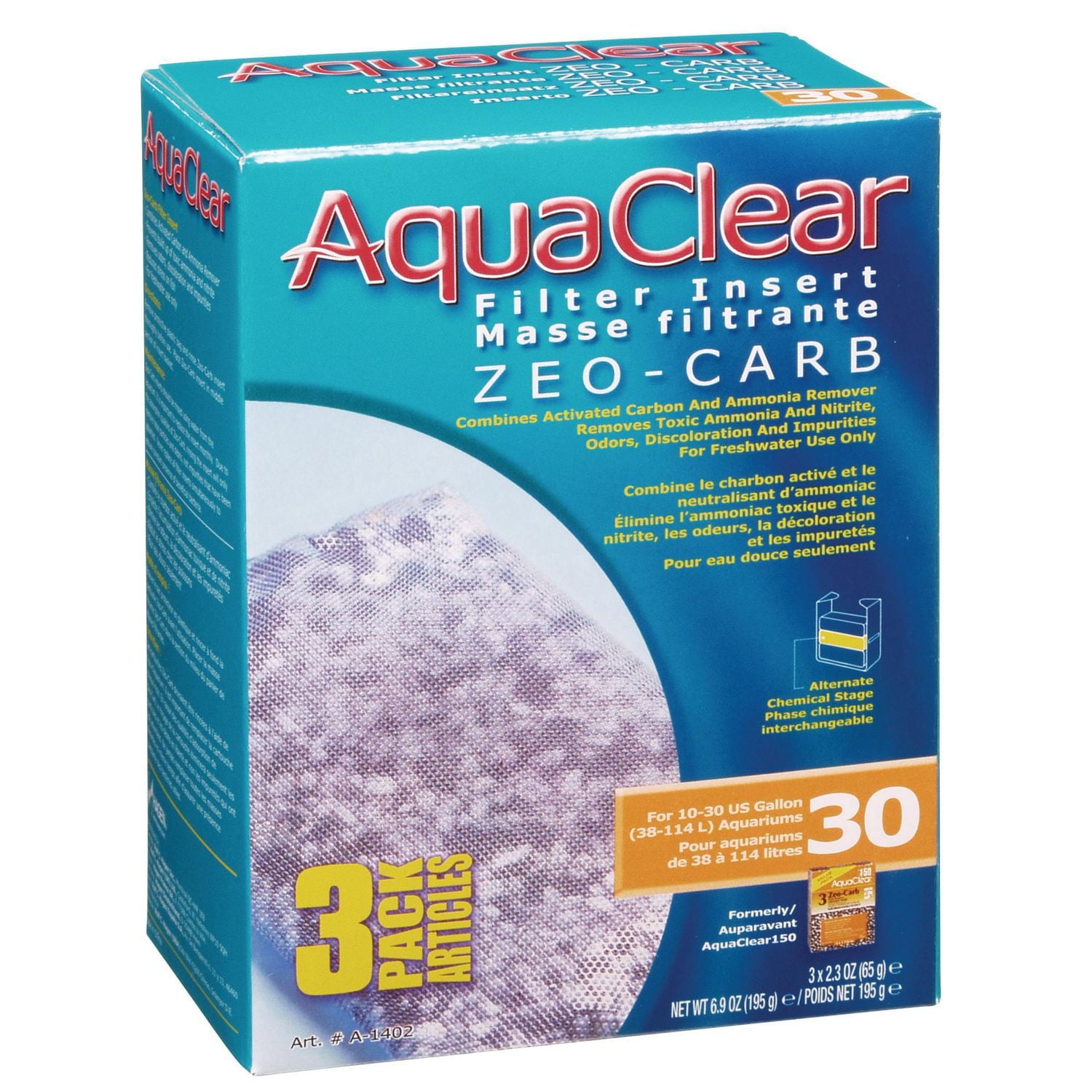
Credit: www.walmart.ca
Role Of Nitrite In Aquariums
Nitrite is a chemical compound found in aquarium water. It forms during the breakdown of fish waste and uneaten food. Nitrite is harmful to fish and must be controlled to keep fish healthy.
Understanding where nitrite comes from and how it affects fish helps aquarium owners maintain a safe environment. Filters play a key role in removing nitrite from the water.
Sources Of Nitrite
Nitrite forms mainly from the waste products in the tank. Bacteria break down fish waste and leftover food, producing ammonia first. Then, other bacteria convert ammonia into nitrite. If the filter system is not working well, nitrite can build up.
- Fish waste and urine
- Uneaten fish food
- Dead plant material
- Decaying organic matter
- New tanks without established bacteria
Effects On Fish Health
Nitrite is toxic to fish and affects their blood’s ability to carry oxygen. High nitrite levels cause stress and can lead to death if not treated quickly. Fish may breathe fast or have pale gills.
| Effect | Description |
| Brown Blood Disease | Nitrite changes fish blood, reducing oxygen transport |
| Gasping | Fish breathe at the surface due to low oxygen |
| Loss of Appetite | Fish stop eating and become weak |
| Stress | Weakened immune system, prone to illness |
| Death | High nitrite levels can be fatal |

Credit: www.amazon.ca
Types Of Aquarium Filters
Aquarium filters help keep water clean and safe for fish. They remove harmful substances like nitrites. Different filters work in different ways to clean the water.
Understanding the types of filters can help you choose the right one for your aquarium. Filters are usually mechanical, biological, or chemical.
Mechanical Filters
Mechanical filters trap solid waste from the water. They use sponges, pads, or floss to catch debris. This stops particles from floating in the tank.
- Remove uneaten food and fish waste
- Prevent water cloudiness
- Help keep the tank clean
Biological Filters
Biological filters use good bacteria to remove harmful nitrites and ammonia. These bacteria live on filter media like ceramic rings or bio balls. They convert toxic chemicals into less harmful substances.
| Filter Media | Purpose |
|---|---|
| Ceramic Rings | Provide surface for bacteria growth |
| Bio Balls | Increase oxygen for bacteria |
| Sponges | Hold bacteria and trap debris |
Chemical Filters
Chemical filters remove dissolved wastes using materials like activated carbon. They clean odors, discoloration, and some toxins. These filters improve water clarity and quality.
Chemical filter materials include:
- Activated carbon for removing impurities
- Zeolite to reduce ammonia
- Resins that remove specific chemicals
Filters Targeting Nitrite Removal
Nitrite is harmful to fish in aquariums. It comes from fish waste and decaying food. Aquarium filters help remove nitrite to keep fish safe.
There are special filters that target nitrite removal. These filters use biological and chemical media to reduce nitrite levels effectively.
Biological Filtration And Nitrite
Biological filtration uses good bacteria to change nitrite into less harmful nitrate. These bacteria live on surfaces inside the filter.
This process is called nitrification. It helps keep the aquarium water safe for fish by lowering nitrite levels naturally.
Using Bio-media For Nitrite Control
Bio-media provides space for beneficial bacteria to grow. These materials have many small pores and a large surface area.
Common bio-media types include ceramic rings, bio balls, and sponge filters. They help maintain a healthy bacteria colony for nitrite removal.
- Ceramic rings: porous and durable
- Bio balls: lightweight with large surface area
- Sponge filters: good for small tanks and fry
Chemical Media For Nitrite Reduction
Chemical media can remove nitrite by absorbing or breaking it down. These media work faster than biological methods but may need regular replacement.
Common chemical media include activated carbon and zeolite. They help reduce nitrite and improve overall water quality.
- Activated carbon: removes impurities and toxins
- Zeolite: absorbs ammonia and nitrite
- Ion exchange resins: target specific harmful ions
Choosing The Right Filter
Choosing the right aquarium filter helps keep your fish safe from nitrite. A good filter removes harmful chemicals and keeps water clean.
Filters vary by size, type, and function. Picking one that fits your tank needs is important for healthy water.
Tank Size And Filtration Needs
Filter size depends on how big your aquarium is. A larger tank needs a stronger filter to clean more water.
Look for filters that can handle at least four times your tank’s volume per hour. This helps remove nitrites faster.
- Small tanks (under 20 gallons): Use filters with low flow rates
- Medium tanks (20 to 50 gallons): Use filters with moderate flow rates
- Large tanks (over 50 gallons): Use filters with high flow rates
Compatibility With Aquarium Setup
Choose a filter that fits your aquarium style and fish type. Some filters work better with planted tanks or saltwater setups.
Check if the filter fits well on your tank. It should not block decorations or disturb your fish’s swimming space.
- Internal filters: Good for small tanks and shrimp tanks
- Hang-on-back filters: Easy to install and maintain
- Canister filters: Best for large tanks and heavy bio-load
- Sponge filters: Gentle flow, ideal for fry and small fish
Maintenance And Longevity
Regular maintenance keeps your filter working well. Clean filter parts to avoid clogging and poor water flow.
Choose filters made with durable materials. This saves money and effort over time.
- Clean mechanical parts every 2-4 weeks
- Replace filter media as recommended by the manufacturer
- Check for wear and tear to avoid filter failure
- Use bio-media to support beneficial bacteria for nitrite removal
Optimizing Filter Performance
Maintaining an aquarium requires a good filter to remove nitrites. Optimizing your filter helps keep fish healthy.
Proper filter performance involves regular cleaning, balancing bacteria, and monitoring water.
Regular Cleaning Practices
Cleaning your filter prevents clogging and improves water flow. It is important to follow a routine schedule.
- Rinse filter media in tank water monthly
- Check for debris weekly
- Replace parts as needed
Balancing Beneficial Bacteria
Beneficial bacteria break down harmful nitrites in the aquarium. These bacteria need the right conditions to thrive.
Ensure the filter media is not too sterile. This allows bacteria to colonize and work effectively.
Monitoring Water Parameters
Monitoring water quality helps keep your aquarium safe. Regular testing is key to detecting issues early.
| Parameter | Ideal Level |
| Nitrite | 0 ppm |
| pH | 6.5 – 8.0 |
| Temperature | 24 – 27°C |
Additional Methods To Reduce Nitrite
Nitrite can harm fish in an aquarium. It is important to keep nitrite levels low for a healthy tank.
This guide explains extra ways to reduce nitrite apart from your filter system.
Water Changes And Dilution
Regular water changes lower nitrite by diluting it with clean water. This keeps the aquarium safe for fish.
- Change 10-20% of water weekly to reduce nitrite.
- Use dechlorinated water to avoid harming beneficial bacteria.
- Test water after changes to check nitrite levels.
- Increase water change frequency if nitrite spikes occur.
Use Of Nitrite Detoxifiers
Nitrite detoxifiers help neutralize nitrite quickly. They protect fish by making nitrite less toxic.
| Detoxifier | Effect Time | Usage Notes |
| Sodium Thiosulfate | Immediate | Neutralizes nitrite fast, follow dosage carefully |
| Chloride-Based Products | Within hours | Competes with nitrite, reduces toxicity |
| Commercial Aquarium Detoxifiers | Varies | Check label for specific instructions |
Plant-based Nitrite Absorption
Live plants absorb nitrite as a nutrient. They help lower nitrite naturally in the aquarium.
- Fast-growing plants like hornwort absorb nitrite well.
- Floating plants reduce nitrite by using nutrients from water.
- Plants improve water quality and provide oxygen to fish.
- Use a mix of plants for best nitrite absorption.

Credit: www.amazon.ca
Frequently Asked Questions
What Type Of Aquarium Filter Removes Nitrites Best?
Biological filters with beneficial bacteria are best for nitrite removal. They convert nitrites into less harmful nitrates, ensuring safe water for fish.
How Often Should I Clean My Nitrite-removing Filter?
Clean the filter every 3 to 4 weeks. Avoid harsh cleaning to preserve beneficial bacteria essential for nitrite breakdown.
Can A Filter Alone Control Nitrite Levels?
No, filters help but regular water changes and proper feeding are also necessary. Balanced care ensures stable nitrite levels.
Which Filter Media Is Effective For Nitrite Removal?
Bio-media like ceramic rings or sponge filters provide surface area for bacteria. These media boost nitrite conversion efficiency in your aquarium.
Conclusion
Choosing the right aquarium filter helps keep nitrite levels low. Clean water keeps fish healthy and happy. Filters remove harmful chemicals and waste effectively. Regular maintenance of your filter is important too. Test water often to catch problems early. Clear water means a safe home for fish.
A good filter supports a balanced aquarium environment. This keeps your underwater world thriving and beautiful.