
If you want your freshwater fish to thrive and look their best, choosing the right food is key. Flake fish food is one of the easiest and most popular options to keep your fish healthy and active.
But not all flakes are made equal, and knowing what to look for can make a big difference in your fish’s diet. You’ll discover why flake food is a smart choice for your freshwater fish, how to pick the best one, and tips to keep your aquatic friends happy and vibrant.
Ready to give your fish the nutrition they deserve? Let’s dive in.
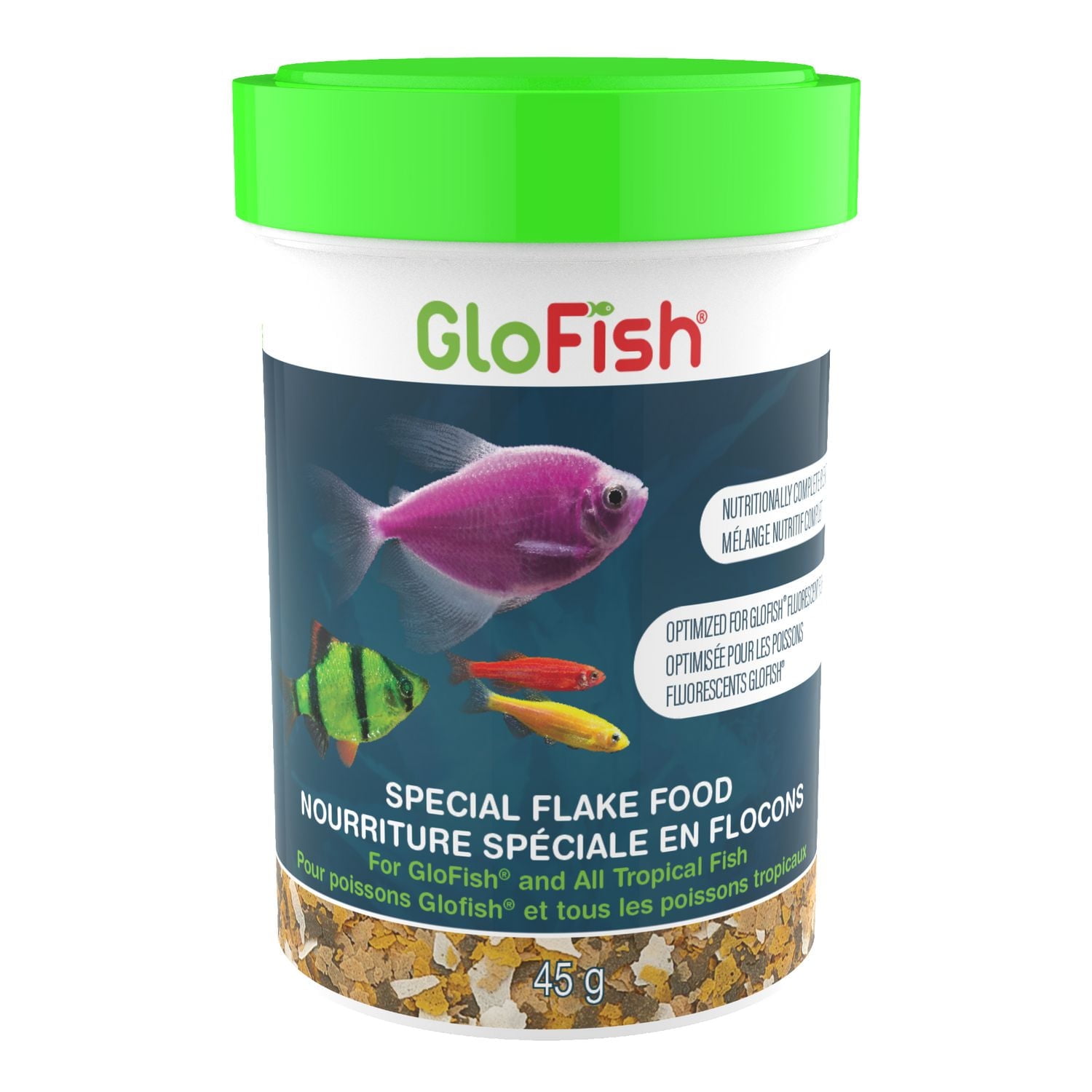
Credit: www.walmart.ca
Benefits Of Flake Food
Flake food is a popular choice for feeding freshwater fish. It offers many benefits that help keep fish healthy and active.
This type of food is easy to use and suits a wide range of fish species. It provides essential nutrients in a convenient form.
Nutrient-rich Composition
Flake food contains a balanced mix of proteins, fats, and vitamins. These nutrients support fish growth and immune health.
Manufacturers often add important minerals and antioxidants to keep fish strong and vibrant.
- High-quality proteins for muscle development
- Essential fatty acids for energy
- Vitamins A, C, and E for immunity
- Minerals for overall health
Ease Of Feeding
Flake food floats on the water surface, making it easy for fish to find and eat. It also dissolves slowly to reduce water pollution.
Fish owners can feed small amounts without wasting food. This helps keep the tank clean and safe for fish.
- Easy to portion for daily feeding
- Minimal mess in the aquarium
- Reduces overfeeding risks
- Convenient for beginners
Suitability For Various Species
Flake food suits many freshwater fish species. It works well for small to medium fish with different diets.
Fish like tetras, guppies, and bettas enjoy flakes. It also suits community tanks with mixed species.
- Ideal for omnivorous fish
- Good for community aquariums
- Supports both juvenile and adult fish
- Feeds a variety of tropical species
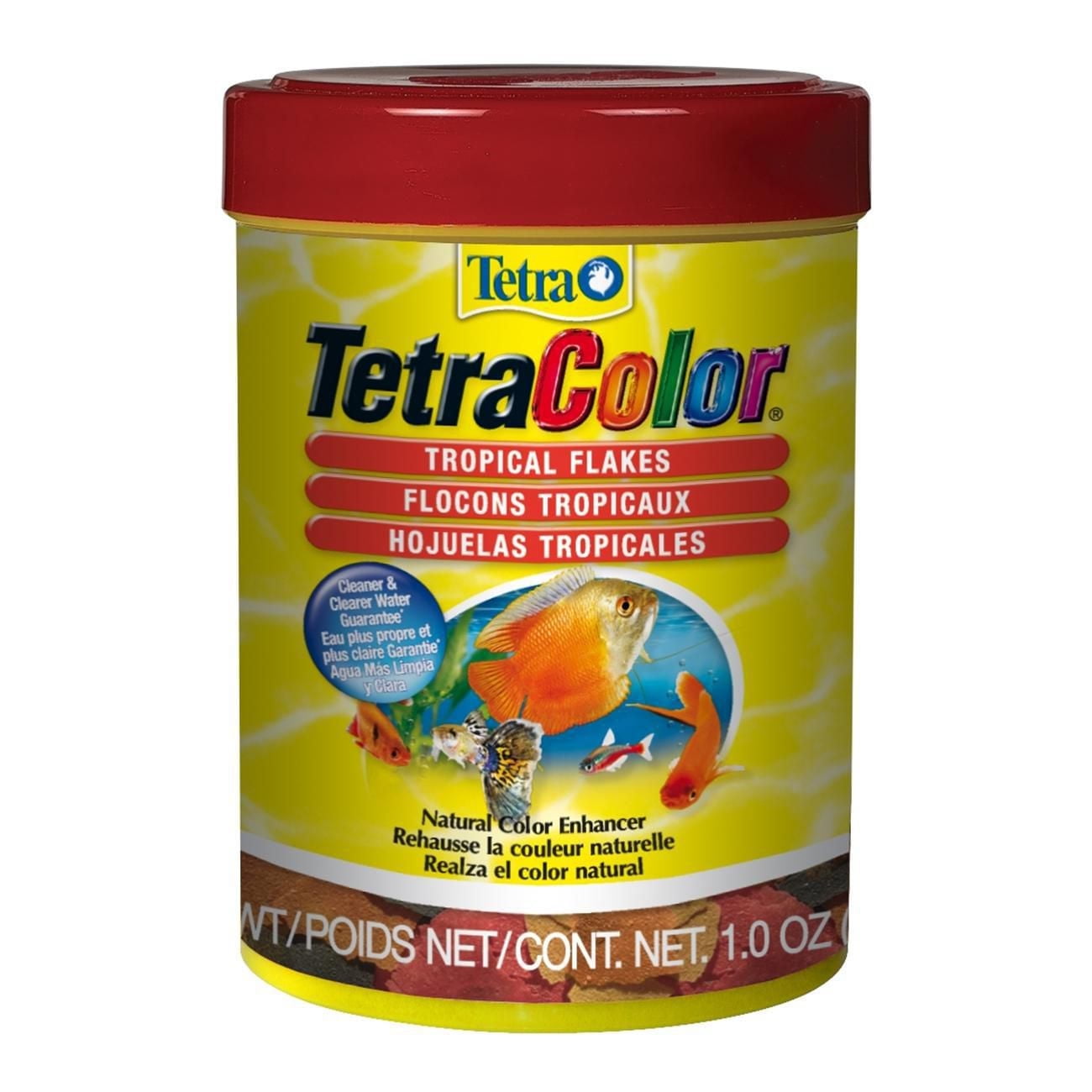
Credit: www.walmart.ca
Key Ingredients In Flake Food
Flake food is a popular choice for freshwater fish. It contains essential nutrients that fish need to grow and stay healthy. Understanding these ingredients helps you pick the right food for your fish.
This guide explains the main components in flake fish food and their roles.
Proteins And Amino Acids
Proteins are the building blocks for fish growth and repair. Amino acids are the smaller parts that make up proteins. Fish need both to stay strong and active.
Common protein sources in flake food include fish meal, shrimp meal, and soybean meal. These provide essential amino acids that fish cannot produce on their own.
Vitamins And Minerals
Vitamins and minerals keep fish healthy and support their immune system. They help with growth, color, and overall well-being.
- Vitamin A helps with vision and skin health.
- Vitamin D supports bone strength.
- Vitamin E acts as an antioxidant.
- Calcium and phosphorus build strong bones and scales.
- Iron and zinc aid in oxygen transport and enzyme function.
Additives And Preservatives
Additives improve the quality and shelf life of flake food. Preservatives stop the food from spoiling and keep nutrients intact.
| Additive | Purpose |
| Antioxidants | Prevent fat and oil from going bad |
| Color enhancers | Improve fish color and appeal |
| Binding agents | Keep flakes intact and prevent crumbling |
| Preservatives | Extend shelf life and freshness |
Choosing The Right Flake Food
Flake food is a popular choice for feeding freshwater fish. Picking the right type helps keep your fish healthy and active.
Not all flake foods are the same. Different fish species and life stages need different nutrients. Knowing what to look for makes feeding easier.
Species-specific Formulas
Fish species have unique dietary needs. Some flakes are made for tropical fish, while others suit cold-water species. Feeding the right formula supports growth and color.
For example, herbivorous fish need flakes with more plant material. Carnivorous fish benefit from protein-rich flakes. Always check the label for the target species.
Age And Size Considerations
Young fish and adults require different nutrition. Small flakes are easier for fry and small fish to eat. Larger flakes suit adult fish better.
- Juvenile fish need food with more protein for growth.
- Adult fish require balanced nutrients for maintenance.
- Adjust feeding amount based on fish size and age.
Quality Indicators
| Quality Factor | What to Look For |
|---|---|
| Ingredients | Whole fish meal, plant proteins, vitamins |
| Color | Natural color, no artificial dyes |
| Texture | Flakes should be firm, not powdery |
| Packaging | Sealed bags keep food fresh longer |
Feeding Tips For Freshwater Fish
Flake fish food is a popular choice for feeding freshwater fish. It provides essential nutrients for healthy fish growth. Proper feeding helps keep your fish active and healthy.
Knowing how much and how often to feed your fish is important. Feeding the right amount prevents waste and water pollution. Follow these tips to care for your freshwater fish properly.
Proper Feeding Amounts
Feed your fish only what they can eat in 2 to 3 minutes. Too much food can cause health problems and dirty water. Start with small amounts and adjust if needed.
Observe your fish while they eat. If food remains after feeding time, reduce the amount next time. Different fish may need different amounts depending on their size.
Feeding Frequency
Feed most freshwater fish once or twice a day. Young fish and some species may need more frequent feedings. Stick to a regular schedule to keep your fish healthy.
Avoid feeding fish late in the evening. Fish digest food better during the day. Consistent feeding times help reduce stress for your fish.
Avoiding Overfeeding
Overfeeding can cause water pollution and fish health issues. Uneaten food breaks down and harms water quality. Always feed fish small amounts and watch their behavior.
- Feed only what fish eat quickly
- Remove leftover food after feeding
- Keep a clean tank to prevent disease
- Adjust feeding if fish seem inactive or bloated
Common Myths About Flake Food
Flake food is a popular choice for feeding freshwater fish. Many people believe some things about it that are not true. Understanding the facts helps keep your fish healthy.
This article looks at common myths about flake food and explains the truth behind them. Learn about flake food compared to live food, shelf life, and nutrition.
Flake Food Vs. Live Food
Some think live food is always better than flake food. Live food can be fresh and tasty for fish. But flake food is made to give good nutrition.
Flake food is safe and easy to store. It does not carry diseases like some live food can. Both types have their place in a fish diet.
- Live food offers natural movement to attract fish
- Flake food contains balanced vitamins and minerals
- Flake food is cleaner and easier to feed
Shelf Life Concerns
Many people think flake food goes bad quickly. If stored well, flake food lasts a long time. Keep it in a cool, dry place and sealed tightly.
Old or expired flake food can lose nutrients and taste. Feeding expired food can harm fish health. Check the expiration date before use.
- Store flake food away from heat and moisture
- Use airtight containers to keep freshness
- Do not feed fish food past its expiration date
Nutritional Completeness
Some believe flake food does not provide enough nutrition. Flake food is made to meet fish dietary needs. It contains proteins, fats, vitamins, and minerals.
Different flake foods suit different fish species. Choose a flake food made for your fish type. This helps keep your fish healthy and active.
- High-quality flakes have balanced nutrients
- Some flakes include added vitamins for health
- Feed the right amount to avoid overfeeding
Enhancing Nutrition With Flake Food
Flake fish food is a popular choice for feeding freshwater fish. It provides essential nutrients and is easy to use. To ensure your fish stay healthy, consider enhancing their diet with additional nutrients.
Adding variety and fresh ingredients can improve the nutritional value of flake food. This helps fish grow stronger and more vibrant.
Supplementing With Fresh Ingredients
Fresh ingredients can make flake food more nutritious. Vegetables and fruits are great options. They offer vitamins and minerals that flakes may lack.
Try adding small pieces of spinach or peas. Fruits like apples can also be a treat. These ingredients should be cut into tiny pieces for easy eating.
- Spinach for iron and calcium
- Peas for fiber and protein
- Apples for vitamin C
Using Variety In Diet
Feeding your fish a variety of foods keeps them healthy. A diverse diet prevents boredom and ensures balanced nutrition. Rotate different types of food to provide a range of nutrients.
Include pellets, frozen foods, and live foods in their diet. This helps mimic their natural eating habits and supports their immune system.
- Pellets for balanced nutrition
- Frozen foods for protein
- Live foods for enrichment
Fortifying Flake Food
You can fortify flake food to make it more nutritious. Adding vitamins and minerals enhances its value. Commercial supplements are available for this purpose.
Use a vitamin powder to coat the flakes. Make sure to follow the instructions on the package for the best results.
- Vitamin powder for extra nutrients
- Mineral supplements for bone health
- Follow package instructions for safe use
Storage And Handling
Proper storage and handling of flake fish food is essential for keeping your freshwater fish healthy. This helps in maintaining the quality and nutritional value of the food.
Understanding the best practices ensures the food stays fresh and uncontaminated, providing the best for your aquatic pets.
Proper Storage Techniques
Good storage techniques help to extend the life of your flake fish food. Keep it in a cool, dry place to avoid moisture.
- Store in an airtight container
- Keep away from direct sunlight
- Place in a cupboard or pantry
Maintaining Freshness
To keep your fish food fresh, regularly check the condition of the flakes. Freshness is important for the wellbeing of your fish.
| Storage Location | Temperature |
| Pantry | 20°C – 25°C |
| Refrigerator | 5°C – 10°C |
Avoiding Contamination
Contamination can spoil the food and harm your fish. Always use clean, dry hands or a scoop when handling the flakes.
Be mindful of cross-contamination with other food items. Use dedicated tools for handling fish food.

Credit: www.amazon.ca
Frequently Asked Questions
What Is Flake Fish Food For Freshwater Fish?
Flake fish food is a thin, flat pellet designed for freshwater fish. It contains balanced nutrients that support fish health and growth. Flakes float on water, making them easy for fish to eat. This food is suitable for most freshwater fish species.
How Often Should I Feed Freshwater Fish Flakes?
Feed your freshwater fish flakes once or twice daily. Only give as much as they can eat in 2-3 minutes. Overfeeding can pollute the tank and harm fish health. Regular, moderate feeding ensures proper nutrition and clean water.
Can Flake Fish Food Meet All Nutritional Needs?
Yes, quality flake fish food contains essential proteins, fats, and vitamins. It supports growth, color enhancement, and immune health. However, supplementing with live or frozen foods can improve variety and nutrition. Always choose flakes suited for your fish species.
Are Flake Foods Suitable For All Freshwater Fish?
Flake food suits most small to medium freshwater fish. However, some larger or bottom-dwelling species prefer pellets or sinking foods. Research your fish’s dietary habits before choosing flake food. Proper food type ensures better feeding and fish wellbeing.
Conclusion
Flake fish food keeps freshwater fish healthy and active. It offers balanced nutrition that fish need every day. Feeding the right amount avoids water pollution and fish stress. Choose flakes that suit your fish species for best results. Regular feeding helps fish grow strong and stay colorful.
Simple care with good food makes fish tanks shine. Enjoy watching your fish thrive with proper flake food. Healthy fish, happy tank.