
Are you struggling to keep your aquarium thriving? One key to a healthy, vibrant tank lies in the tiny but powerful aquarium trace elements.
These minerals might be small in amount, but they play a huge role in your fish’s health and the growth of plants. Missing out on them can lead to dull colors, slow growth, and even illness. Keep reading to discover which trace elements your aquarium really needs and how to balance them perfectly for a stunning underwater world you’ll love.
Role Of Trace Elements In Aquariums
Trace elements are tiny amounts of minerals needed in aquariums. They help keep fish and plants healthy.
Even small changes in these elements can affect the aquarium’s balance. Proper levels support strong growth and good health.
Key Trace Elements For Aquatic Health
Some trace elements are more important than others. They play different roles for fish and plants in the aquarium.
- Iron (Fe) – Needed for plant photosynthesis and growth
- Magnesium (Mg) – Supports plant chlorophyll and fish metabolism
- Calcium (Ca) – Builds fish bones and plant cell walls
- Potassium (K) – Helps plants with nutrient uptake
- Manganese (Mn) – Aids plant enzyme functions and fish health
- Zinc (Zn) – Important for fish immune system and plant growth
- Copper (Cu) – Needed in tiny amounts for fish and plants but toxic if too high
How Trace Elements Affect Fish And Plants
Trace elements help plants grow strong leaves and stems. Without them, plants may turn yellow or die.
Fish need trace elements to keep their bones and scales healthy. These elements also support their immune system.
- Plants use iron and magnesium to make food from light.
- Calcium helps fish build strong skeletons.
- Too little zinc can weaken fish and stunt plant growth.
- Excess copper can harm fish and plants quickly.
- Balanced trace elements keep water safe and clean.

Credit: www.ebay.ca
Common Trace Elements And Their Benefits
Trace elements are tiny amounts of minerals needed in aquariums. They help plants and fish stay healthy. Even small amounts make a big difference.
These minerals support growth, color, and immune strength in aquatic life. Understanding their roles helps keep your tank balanced.
Iron And Its Importance
Iron is essential for healthy plant growth in aquariums. It helps plants make chlorophyll, which they use to make food.
Without enough iron, plants may turn yellow and grow slowly. Iron also supports strong root systems.
Manganese For Plant Growth
Manganese helps plants use light and nutrients properly. It works with other minerals to boost photosynthesis.
Plants need manganese to stay green and healthy. A lack of manganese can cause spots and weak growth.
Zinc And Immune Support
Zinc helps fish and plants resist diseases. It supports the immune system and helps repair damaged tissues.
Low zinc levels can make fish more prone to infections. Plants also need zinc for enzyme functions.
Copper’s Role And Caution
Copper is important for algae control and some fish health. It acts as a natural antifungal and antibacterial element.
Too much copper is toxic to fish and invertebrates. Always measure carefully and use copper products with caution.
Signs Of Trace Element Deficiency
Trace elements are tiny minerals that fish and plants need to stay healthy. Without enough, they show signs of stress.
These signs help you know if your aquarium water lacks important nutrients. Watch both fish and plants closely.
Symptoms In Fish
Fish need trace elements for strong bones and good health. If they do not get enough, their bodies change.
Look for slow growth, pale colors, and weak fins. Fish may also swim less or lose appetite.
- Faded or dull coloring
- Clamped fins that stay close to the body
- Weak or torn fins
- Less active or slow swimming
- Loss of appetite
- Unusual spots or lesions on skin
Indicators In Aquatic Plants
Aquatic plants need trace elements to grow well. Deficiency causes leaves to change shape or color.
Plants may have yellowing leaves, slow growth, or holes. New leaves can be smaller or deformed.
- Yellow or pale leaves
- Brown spots on leaves
- Leaves with holes or tears
- Slow or stunted growth
- New leaves smaller than old ones
- Leaves curling or twisting
Credit: charterhouse-aquatics.com
Testing And Monitoring Trace Elements
Trace elements are vital for healthy aquarium life. Monitoring them ensures fish and plants thrive.
Regular testing helps keep water balanced. It prevents problems caused by too much or too little of these elements.
Water Testing Methods
Testing trace elements uses simple kits or advanced tools. Each method has its benefits and limits.
- Test Kits:Easy to use, provide quick results for elements like iron and copper.
- Electronic Testers:Use probes for accurate readings of minerals and salts.
- Laboratory Analysis:Send water samples to labs for detailed reports on all trace elements.
Frequency Of Testing
Testing frequency depends on tank size, type, and species kept. New tanks need more checks.
| Tank Condition | Testing Frequency |
| Newly Set Up | Every 2-3 days for first month |
| Established Tank | Every 2 weeks |
| High Bioload or Sensitive Species | Weekly |
| Low Bioload | Monthly |
Supplementing Trace Elements
Trace elements are essential for a healthy aquarium. They help plants and fish grow strong and stay healthy.
Many aquariums lack enough trace elements. Adding supplements keeps the water balanced and supports life.
Choosing The Right Supplements
Choose supplements that match your aquarium’s needs. Different tanks require different trace elements.
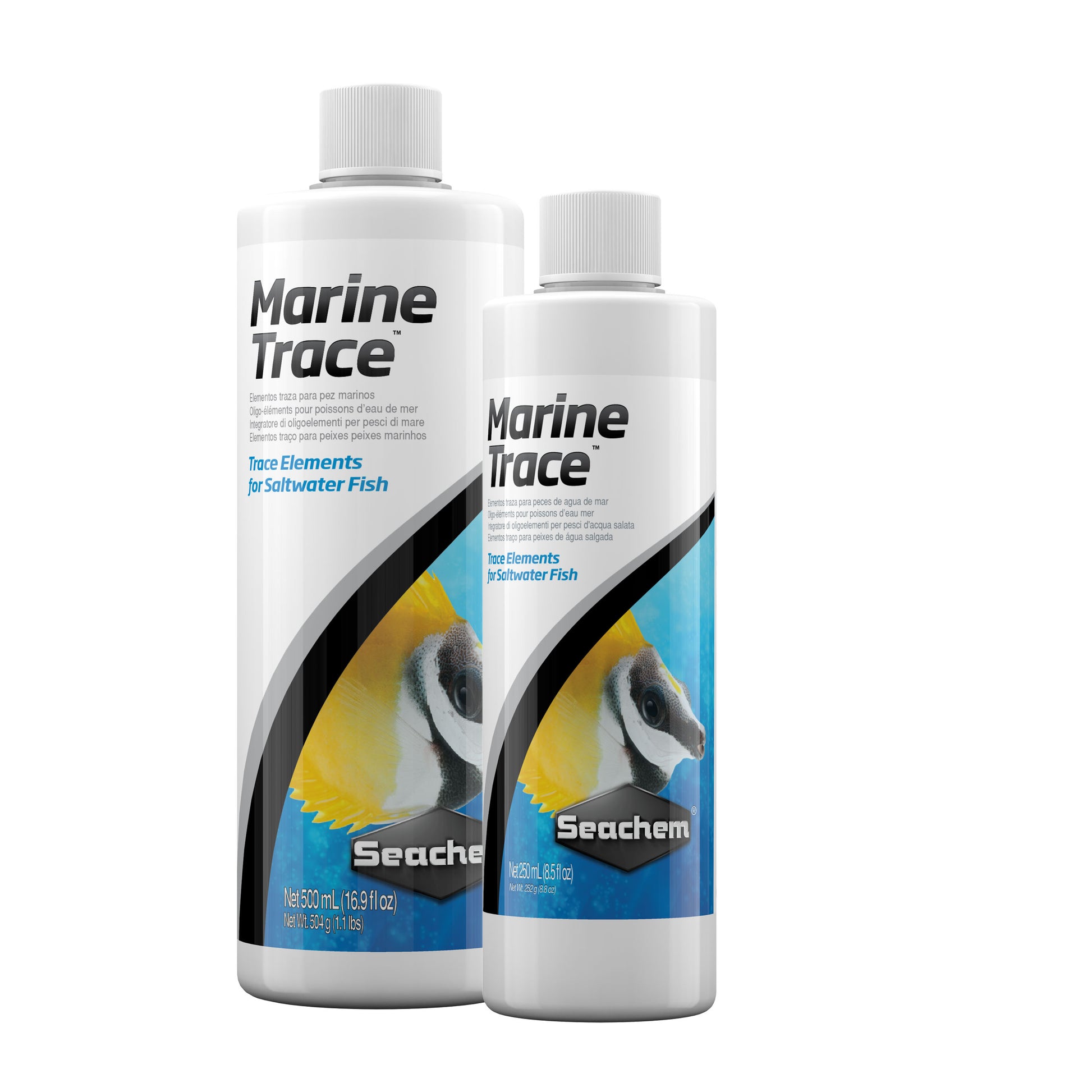
- Look for products with iron, manganese, zinc, and copper.
- Check if the supplement is safe for fish and plants.
- Use supplements that dissolve easily in water.
- Pick trusted brands with clear ingredient lists.
- Consider the size and type of your aquarium.
Dosage And Application Tips
Follow dosage instructions carefully to avoid harm. Overdosing can stress fish and plants.
| Supplement | Recommended Dose | Frequency |
|---|---|---|
| Iron | 0.1 mg/L | Weekly |
| Manganese | 0.05 mg/L | Biweekly |
| Zinc | 0.02 mg/L | Monthly |
| Copper | 0.01 mg/L | Monthly |
Add supplements slowly and evenly. Test water after dosing to track changes.

Credit: www.nt-labs.com
Balancing Trace Elements Safely
Trace elements are vital for aquarium health. They support the growth of plants and fish. Balancing them can be tricky but is essential for a thriving aquarium.
Too much or too little can cause problems. Safe balancing helps maintain a healthy environment for aquatic life.
Avoiding Toxicity
Trace elements can become toxic if levels are too high. It is important to monitor and adjust them carefully.
Regular testing of water is key. Use test kits to check for elements like copper, iron, and zinc.
- Test water weekly
- Use quality test kits
- Adjust levels gradually
Maintaining Water Quality
Good water quality supports healthy fish and plants. It also prevents diseases and promotes growth.
Keep water clean by using filters and changing water regularly. Balance trace elements to maintain a stable environment.
- Change water regularly
- Use a reliable filter
- Monitor pH and hardness
Natural Sources Of Trace Elements
Trace elements are vital for a healthy aquarium. They help fish and plants thrive. These elements can come from natural sources in the tank.
Using natural sources can maintain a balanced ecosystem. It reduces the need for artificial supplements.
Using Substrates And Decorations
Substrates and decorations can release trace elements into the water. They mimic natural habitats for fish.
Natural rocks and gravel often contain minerals. These minerals dissolve over time and provide nutrients.
- Clay substrates offer iron and potassium
- Coral sand adds calcium and magnesium
- Driftwood releases tannins and trace elements
Benefits Of Live Plants
Live plants are a natural source of trace elements. They absorb nutrients and release oxygen.
Plants like java moss and anubias can thrive in low light. They provide shelter and improve water quality.
- Java fern helps remove toxins from water
- Amazon sword offers a habitat for small fish
- Duckweed helps control algae growth
Frequently Asked Questions
What Are Aquarium Trace Elements?
Aquarium trace elements are essential minerals needed in small amounts for aquatic life. They support fish health, coral growth, and plant development. Common elements include iron, iodine, zinc, and manganese. Maintaining balanced trace elements ensures a healthy and thriving aquarium ecosystem.
Why Are Trace Elements Important For Aquariums?
Trace elements help maintain biological processes in fish, corals, and plants. They improve immunity, coloration, and growth rates. Lack of these elements can cause stress, disease, and poor development. Regular testing and supplementation keep aquariums stable and vibrant.
How Do I Test Trace Elements In My Aquarium?
You can test trace elements using liquid test kits or digital analyzers. These kits measure elements like iron, copper, and iodine. Test regularly to detect deficiencies or toxic levels. Accurate testing helps in timely adjustments for optimal aquarium health.
Can I Overdose Aquarium Trace Elements?
Yes, overdosing trace elements can harm fish and plants. High levels of copper and iodine are toxic. Always follow dosage instructions on supplements. Gradual dosing and regular testing prevent harmful buildups and keep your aquarium safe.
Conclusion
Maintaining proper aquarium trace elements helps fish and plants stay healthy. These tiny minerals support growth, color, and overall tank balance. Regular testing and careful dosing keep levels safe and stable. Avoid adding too much at once to prevent harm.
Healthy water means happy fish and vibrant plants. Remember, simple steps create a thriving aquarium environment. Keep learning and observe your tank closely. Small changes make a big difference over time. Trace elements matter for every aquarium enthusiast.