
If you’re serious about catching catfish, choosing the right bait can make all the difference. Sinking pellets are a game-changer when it comes to attracting these bottom-feeders.
They go straight to where catfish like to hang out, making your chances of a good catch much higher. You’ll discover why sinking pellets work so well, how to use them effectively, and tips that can boost your success. Keep reading, and you’ll be ready to reel in more catfish on your next fishing trip.
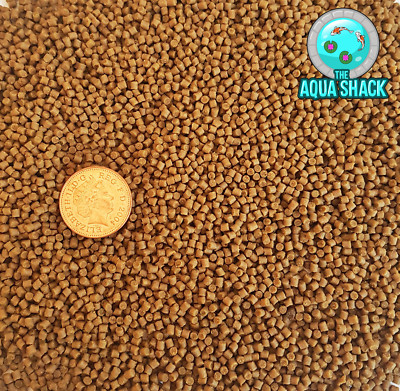
Credit: www.ebay.ca
Benefits Of Sinking Pellets
Sinking pellets are popular feed for catfish farmers. They help deliver food right where catfish eat.
These pellets sink to the bottom of the pond or tank. This matches the catfish’s natural feeding habits.
Why Choose Sinking Pellets
Sinking pellets reach catfish easily because they settle on the pond floor. This reduces food waste.
Floating pellets can wash away or be eaten by other fish. Sinking pellets feed catfish directly and clearly.
- Less feed lost to surface currents
- Feeds catfish in their natural bottom zone
- Improves water quality by reducing uneaten food
Nutritional Value For Catfish
Sinking pellets contain balanced nutrition for catfish growth. They include protein, fats, and vitamins.
These pellets support healthy bones and strong muscles. They also help catfish fight diseases.
- High protein content for muscle development
- Essential fatty acids for energy
- Vitamins and minerals for overall health
Improving Feeding Efficiency
Sinking pellets reduce feed loss by reaching catfish quickly. This helps farmers save money on feed.
They also allow better control of feeding amounts. Farmers can see when catfish finish eating.
- Less leftover feed in water
- Easier to monitor fish feeding
- Better growth rates with proper feeding
Types Of Sinking Pellets
Sinking pellets are a popular feed for catfish. They drop to the bottom where catfish usually feed. There are many types of sinking pellets available.
Choosing the right type depends on pellet size, ingredients, and special features. Knowing these types helps feed your catfish better.
Pellet Sizes And Shapes
Sinking pellets come in different sizes and shapes. Small pellets suit young catfish. Larger pellets work for adult catfish.
Shapes can affect how pellets sink and are eaten. Round pellets sink slowly. Cylindrical or oval pellets sink faster.
- Small (1-3 mm) – good for fingerlings
- Medium (4-6 mm) – for growing fish
- Large (7+ mm) – for adult catfish
- Round pellets – slow sinking
- Oval or cylindrical – fast sinking
Ingredients To Look For
Good sinking pellets have ingredients that support catfish growth. Protein is the most important nutrient. Look for pellets with fish meal or soybean meal.
Other important ingredients include fats for energy and vitamins for health. Avoid pellets with too many fillers like corn or wheat.
- High protein content (30% or more)
- Fish meal or plant protein sources
- Healthy fats for energy
- Vitamins and minerals for immune support
- Low fillers for better nutrition
Specialized Pellets For Different Conditions
Some sinking pellets are made for special conditions. Some help catfish grow faster in cold water. Others improve fish health during stress.
Pellets with added probiotics support digestion. Pellets with extra vitamins help fish fight diseases. Choose specialized pellets based on your fish needs.
- Cold water pellets – digest well in low temperatures
- Immune support pellets – contain extra vitamins
- Growth pellets – higher protein for fast growth
- Probiotic pellets – improve gut health
- Stress relief pellets – vitamins and minerals to reduce stress
How To Use Sinking Pellets
Sinking pellets are a popular bait for catfish. They sink quickly to the bottom, where catfish like to feed.
Knowing how to use these pellets can improve your chances of catching catfish. This guide covers key methods and tips.
Best Techniques For Baiting
Use sinking pellets by placing them on the hook or in a bait cage. Make sure the bait stays near the bottom.
- Choose pellet size that matches the catfish’s mouth.
- Use a bait cage to hold pellets and release scent slowly.
- Anchor your line so the bait stays in one spot.
- Check pellets often and replace if they dissolve or get eaten.
Optimal Feeding Times
Catfish feed more actively during certain times of the day. Plan your fishing around these periods.
| Time of Day | Feeding Activity |
| Early Morning | High |
| Midday | Low |
| Late Afternoon | High |
| Night | Medium |
Combining Pellets With Other Baits
Using sinking pellets together with other baits can attract more catfish. Mix and match to see what works best.
Try these combinations:
- Sinking pellets with live worms for added scent.
- Pellets mixed with cut bait pieces for texture.
- Adding small fish chunks to pellets to increase attraction.
- Using flavored pellets along with natural baits.

Credit: www.omegasea.net
Choosing The Right Pellets
Choosing the right pellets for catfish is important for their health. Different species need different pellet types.
Consider water temperature and environment to select the best pellets. This ensures catfish get the nutrition they need.
Matching Pellets To Catfish Species
Different catfish species have unique dietary needs. Make sure to match pellets with the specific species you are feeding.
- Channel Catfish prefer high-protein pellets.
- Blue Catfish thrive on pellets with balanced nutrients.
- Pictus Catfish need smaller pellets for easy digestion.
Considering Water Temperature
Water temperature affects catfish metabolism. Warmer water speeds up digestion, while cooler water slows it down.
| Temperature Range | Pellet Type |
| 75-85°F | High-energy pellets |
| 65-75°F | Moderate-energy pellets |
| Below 65°F | Low-energy pellets |
Pellets For Freshwater Vs. Brackish Water
Catfish in freshwater and brackish water need different pellets. This is due to their distinct living conditions and dietary requirements.
- Freshwater catfish benefit from pellets with plant ingredients.
- Brackish water catfish require pellets with more minerals.
Storing And Handling Pellets
Storing sinking pellets properly keeps them fresh and safe for your catfish. Handling pellets the right way helps avoid waste and contamination.
Good storage and care improve pellet quality and support healthy fish growth. Learn key tips for storing and handling sinking pellets.
Proper Storage Tips
Store pellets in a cool, dry place away from sunlight. Heat and moisture can cause pellets to spoil or lose nutrients.
- Keep pellets in airtight containers to prevent air exposure.
- Use containers made from plastic or metal that seal tightly.
- Store away from strong odors to avoid pellet contamination.
- Label containers with purchase date to track freshness.
- Do not store pellets on the ground to avoid moisture.
Maintaining Pellet Freshness
Fresh pellets provide better nutrition and taste for catfish. Check pellets regularly to keep them fresh and safe to use.
| Condition | Action |
| Pellets smell rancid | Discard immediately to avoid feeding spoiled food |
| Pellets feel damp or soft | Dry pellets before use or replace if mold appears |
| Pellets are hard and crumbly | Use soon or replace to ensure nutrition |
| Pellets have mold or discoloration | Do not feed; dispose of pellets safely |
Avoiding Contamination
Prevent contamination to keep pellets safe for your catfish. Clean tools and storage areas regularly.
- Wash hands before handling pellets.
- Use clean scoops or tools for feeding.
- Keep storage containers sealed to stop pests.
- Do not mix old pellets with new ones.
- Clean feeding areas to avoid leftover pellet buildup.
Common Mistakes To Avoid
Feeding catfish with sinking pellets can be tricky. Many people make common mistakes that can affect fish health.
Learn how to avoid these mistakes for a healthy aquarium environment.
Overfeeding Issues
Overfeeding is a common mistake with catfish. It can lead to water pollution and health problems.
- Feed only what they can eat in 5 minutes.
- Remove uneaten food promptly.
- Observe fish behavior to adjust feeding.
Using Wrong Pellet Types
Not all pellets are good for catfish. Some are too big or have the wrong nutrients.
| Pellet Type | Suitability |
| Sinking | Best for catfish |
| Floating | Not suitable |
| Large size | Can cause choking |
Ignoring Water Conditions
Water quality impacts catfish health. Poor conditions can lead to disease.
Keep water clean to ensure a healthy environment for your catfish.
Tips To Boost Your Catch
Sinking pellets are a popular bait for catfish anglers. Using them right can increase your catch rate.
Learn how to pick the best spots, attract bigger catfish, and adjust your tactics for each season.
Spot Selection Strategies
Catfish like deep holes, submerged logs, and areas with slow-moving water. Look for places where food gathers.
- Choose spots near river bends or undercut banks
- Target areas with visible fish activity
- Use a fish finder to locate schools of catfish
- Check water depth and current speed
Using Pellets To Attract Bigger Catfish
Bigger catfish prefer larger sinking pellets with strong scents. Use bait that sinks quickly to reach the bottom.
| Pellet Size | Recommended For | Notes |
| 2-4 mm | Small to medium catfish | Good for light bites |
| 6-8 mm | Bigger catfish | Use for stronger bites |
| 10+ mm | Large catfish and trophy fish | Best for slow feeders |
Seasonal Adjustments
Catfish behavior changes with the seasons. Adjust your pellet use and fishing spots accordingly.
- Spring: Use smaller pellets and fish near shallow waters.
- Summer: Try larger pellets in deeper, cooler areas.
- Fall: Use medium to large pellets near feeding zones.
- Winter: Fish slowly with big pellets in deep holes.

Credit: www.omegasea.net
Frequently Asked Questions
What Are Sinking Pellets For Catfish?
Sinking pellets are specially formulated fish food that sinks to the bottom. They are ideal for catfish as these fish feed near the pond or riverbed.
Why Choose Sinking Pellets Over Floating Ones?
Catfish naturally feed on the bottom, so sinking pellets reach them directly. Floating pellets may float away or attract unwanted fish.
How Do Sinking Pellets Benefit Catfish Growth?
Sinking pellets contain high protein and nutrients. This promotes healthy growth and improves the overall health of catfish efficiently.
Can Sinking Pellets Improve Catfish Feeding Efficiency?
Yes, sinking pellets reduce food waste by reaching catfish quickly. This increases feeding efficiency and lowers feed costs.
Conclusion
Sinking pellets attract catfish effectively underwater. They stay near the bottom where catfish feed. Using the right pellets can improve your catch. Try different pellet sizes to see what works best. Keep the pellets fresh for better results. Simple bait can make fishing more fun and rewarding.
Remember, patience plays a big role in fishing success. Enjoy your time by the water with sinking pellets.