
Is your aquarium water causing stress to your fish? One of the biggest challenges you might face is keeping the pH level just right.
If the pH swings too high or too low, it can harm your aquatic friends and disrupt the balance of your tank. But don’t worry—understanding how to stabilize your aquarium’s pH can make a huge difference. You’ll discover simple and effective ways to treat your aquarium water, protect your fish, and create a healthy, thriving environment.
Keep reading to learn how to master pH stabilization and become the expert your fish deserve.
Importance Of Ph In Aquariums
The pH level in an aquarium measures how acidic or basic the water is. It is a key factor for the well-being of fish and plants.
Keeping the right pH balance helps create a stable environment. This prevents stress and illness in aquatic life.
Role Of Ph For Fish Health
Fish rely on stable pH levels to maintain their bodily functions. Changes in pH can affect their breathing and metabolism.
Proper pH supports healthy skin, scales, and immune systems. It also helps fish digest food properly.
Effects Of Ph Fluctuations
Sudden changes in pH cause stress and weaken fish. This leads to disease and even death if not corrected quickly.
- Loss of appetite
- Abnormal swimming behavior
- Respiratory problems
- Damage to gills and skin
- Reduced growth and reproduction
Ideal Ph Ranges For Different Species
| Fish Species | Ideal pH Range |
|---|---|
| Goldfish | 7.0 – 8.4 |
| Neon Tetra | 6.0 – 7.0 |
| Discus | 6.0 – 7.0 |
| Cichlids | 7.8 – 8.6 |
| Betta | 6.5 – 7.5 |
Common Causes Of Ph Imbalance
Maintaining stable pH in an aquarium is important for fish health. pH imbalance can stress aquatic life and cause illness.
Several factors in the aquarium environment can change the pH level. Understanding these helps keep water conditions safe.
Water Source And Quality
The water you add to your tank affects pH. Tap water, well water, or bottled water have different pH values and minerals.
- Hard water with high minerals can raise pH.
- Soft water may cause lower pH.
- Chlorine or chloramine in tap water can change pH.
- Water with dissolved gases might cause pH swings.
Biological Activity
Living organisms in the tank affect pH as they produce waste and use oxygen.
| Biological Process | Effect on pH |
| Fish and plant respiration | Lower pH by releasing CO2 |
| Beneficial bacteria breaking down waste | Can lower pH by producing acids |
| Algae growth | May raise pH during the day by consuming CO2 |
Chemical Additives
Some chemicals change pH quickly. Treatments to remove ammonia or adjust hardness affect water balance.
- pH adjusters raise or lower pH fast.
- Medications sometimes alter water chemistry.
- Water conditioners can neutralize harmful substances but may affect pH.
Tank Materials And Decorations
Materials in the tank can slowly change pH by releasing or absorbing chemicals.
| Material | Effect on pH |
|---|---|
| Driftwood | Can lower pH by releasing tannins |
| Coral or limestone rocks | Raise pH by adding calcium carbonate |
| Substrate type | Some substrates buffer pH, others do not |
| Plastic decorations | No effect on pH |
Testing Aquarium Ph
Maintaining the right pH in your aquarium keeps fish healthy. Testing pH helps you know if water is safe.
Regular checks prevent problems caused by too acidic or too alkaline water. Use the right test to get accurate results.
Types Of Ph Testing Methods
You can test aquarium pH using different methods. Each has its own way to show pH levels.
- pH Test Strips:Dip the strip in water and compare colors to a chart.
- Liquid Test Kits:Add drops to water; color change shows the pH.
- Digital pH Meters:Use an electronic device for quick, precise readings.
Frequency Of Testing
Test your aquarium’s pH often to keep fish safe. Frequency depends on tank size and fish type.
| Tank Condition | Testing Frequency |
| New Tank | Daily |
| Stable Tank | Weekly |
| After Water Change | Immediately |
| After Adding Chemicals | Within Hours |
Interpreting Test Results
Read pH results carefully to know if water is balanced. Most freshwater fish prefer pH 6.5 to 7.5.
- Below 6.5 means water is acidic. It can stress fish.
- Between 6.5 and 7.5 is ideal for many species.
- Above 7.5 means water is alkaline, which may harm some fish.
- Sudden pH changes are dangerous and need quick action.
Credit: www.walmart.ca
Methods To Stabilize Ph
Keeping the pH level stable in an aquarium is important for fish health. Different methods can help stabilize pH levels effectively.
These methods include using buffers, natural materials, water changes, and managing biological factors.
Using Buffers And Ph Stabilizers
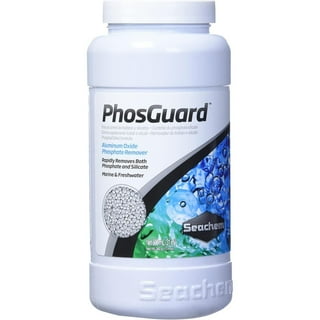
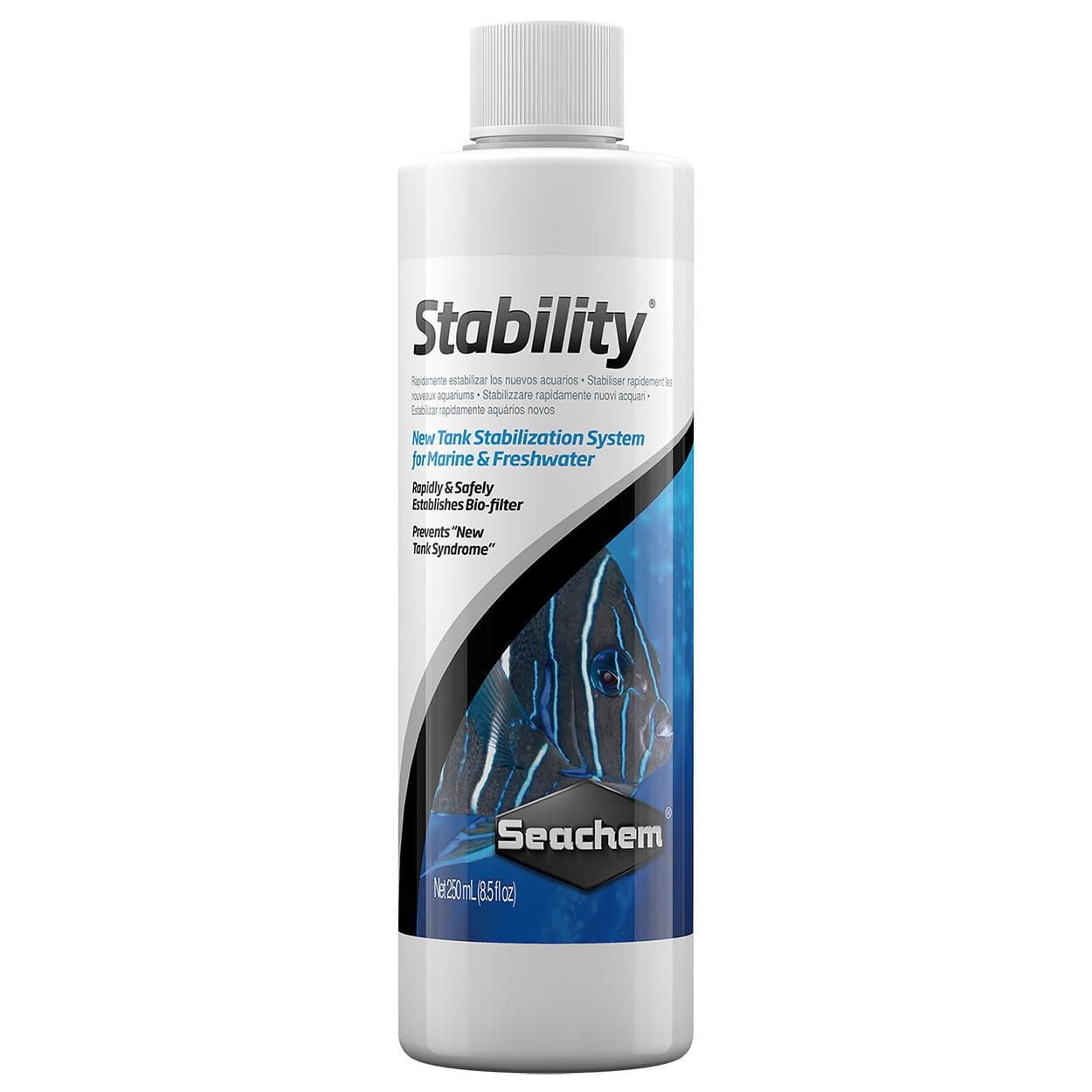
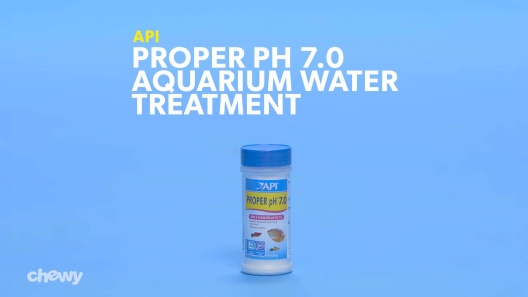
Buffers and pH stabilizers are products added to water. They help maintain a stable pH level.
These products are available in liquid or powder form. They work by neutralizing acids or bases in the water.
- Choose a buffer based on your target pH
- Follow instructions for proper dosage
- Monitor pH levels regularly
Natural Materials For Ph Control
Natural materials can also help stabilize pH levels. They are safe and eco-friendly options.
Materials like driftwood and peat moss release tannins. These tannins lower the pH naturally.
- Add driftwood to the aquarium
- Place peat moss in the filter
- Use crushed coral to raise pH
Water Changes And Conditioning
Regular water changes help maintain stable pH levels. Conditioners can be used to treat the water.
Conditioners remove harmful chemicals. They make tap water safe for the aquarium.
- Change 10-20% of the water weekly
- Use a water conditioner every time
- Test pH after water changes
Controlling Biological Factors
Biological factors like fish waste can affect pH levels. Managing these factors is crucial.
A well-maintained filter helps remove waste. Proper feeding reduces excess nutrients.
- Clean the filter regularly
- Do not overfeed the fish
- Monitor fish health and behavior
Adjusting Ph Safely
Keeping the right pH level in your aquarium is important for fish health. Sudden changes can harm your aquatic life.
Learn how to adjust pH safely to protect your fish and plants in the tank.
Gradual Changes Vs. Sudden Shifts
Change the pH slowly over days or weeks. Sudden shifts stress fish and can cause illness.
Small, steady adjustments help fish adapt to new conditions without shock.
- Test pH daily during changes
- Adjust pH by no more than 0.2 per day
- Wait between adjustments to monitor fish behavior
Avoiding Harmful Chemicals
Use natural products to adjust pH. Avoid harsh chemicals that can hurt fish and plants.
Choose safe options like crushed coral or peat moss to balance pH gently.
- Do not use household chemicals
- Check product labels for aquarium safety
- Stick to aquarium-specific pH adjusters
Monitoring After Adjustments
Keep testing the water pH after making changes. Watch fish for signs of stress.
Regular checks help catch problems early and keep the tank stable.
- Test pH every day for one week
- Observe fish for unusual behavior
- Record pH levels to track trends
Maintaining Long-term Ph Stability
Keeping the pH level stable in your aquarium is important for fish health. Sudden changes can stress fish and harm plants. Using proper water treatment helps maintain steady pH over time.
Many factors affect pH, so careful management is needed. This guide covers key methods to keep pH levels balanced for a healthy aquarium.
Regular Maintenance Practices
Frequent water checks keep pH stable. Test pH levels weekly and adjust if needed. Partial water changes remove waste that can shift pH. Clean filters to avoid buildup that affects water chemistry.
- Test pH weekly with a reliable kit
- Change 10-20% of water every 1-2 weeks
- Clean or replace filter media monthly
- Remove uneaten food and debris daily
Choosing Suitable Substrate And Decorations
Select substrate and decorations that do not alter pH too much. Avoid materials that dissolve quickly and raise or lower pH. Natural stones like quartz are usually safe. Some substrates help buffer pH to keep it steady.
| Material | Effect on pH | Notes |
|---|---|---|
| Quartz Sand | Neutral | Does not change pH |
| Crushed Coral | Raises pH | Good for hard water fish |
| Peat Moss | Lowers pH | Used for acidic water |
| Lava Rock | Neutral | Stable and porous |
Consistent Water Quality Management
Keep water quality steady to avoid pH swings. Use water conditioners to remove chlorine and chloramine. Monitor hardness because it affects pH buffering. Avoid overfeeding fish, which causes waste build-up and pH drops.
Key tips for water quality:
- Use a dechlorinator for tap water
- Check carbonate hardness (KH) monthly
- Feed fish only what they eat in 3 minutes
- Keep aquarium temperature stable
Troubleshooting Ph Problems
Keeping aquarium water stable is important for fish health. pH levels can change and cause stress for aquatic life.
Understanding and fixing pH problems can help maintain a healthy tank. Let’s explore common issues and solutions.
Identifying Causes Of Persistent Ph Issues
There are many reasons why pH levels may fluctuate. Identifying the cause is the first step to fixing the problem.
- Overfeeding can lead to waste buildup, affecting pH.
- Tap water may have unsuitable pH levels for your tank.
- New decorations can alter the water chemistry.
- Old filters may not work efficiently.
Solutions For Common Ph Problems
Once you identify the cause, you can apply the right solution. Here are some common fixes for pH issues.
- Perform regular water changes to remove waste.
- Test tap water and treat it before adding to the tank.
- Choose decorations that do not affect pH.
- Replace old filters with new, efficient ones.
When To Seek Expert Advice
Sometimes, pH issues may persist despite your efforts. Knowing when to seek help can save your tank from harm.
If pH levels remain unstable, consult a specialist. They can provide guidance tailored to your aquarium’s needs.
Credit: www.walmart.ca
Credit: www.chewy.com
Frequently Asked Questions
What Is Aquarium Ph Stabilization And Why Is It Important?
Aquarium pH stabilization maintains stable water acidity levels. It prevents stress and health issues in fish. Stable pH ensures a balanced environment for aquatic life and supports beneficial bacteria growth.
How Do I Test And Monitor Aquarium Ph Levels?
Use a reliable pH test kit or digital meter. Test water regularly, ideally weekly. Monitor changes to detect imbalances early and adjust treatment accordingly to keep pH stable.
Which Chemicals Help Stabilize Aquarium Ph Safely?
Common pH stabilizers include pH buffers like sodium bicarbonate. They neutralize acids and bases to maintain balance. Use products designed specifically for aquariums to avoid harming fish.
Can Natural Methods Stabilize Aquarium Ph Effectively?
Yes, natural methods include adding driftwood, peat moss, or crushed coral. These materials slowly alter water chemistry. They offer gentle pH control without harsh chemicals, promoting a natural habitat.
Conclusion
Keeping aquarium water pH stable helps fish stay healthy and happy. Regular testing shows if the water needs treatment. Simple products can balance pH without harming your fish. Clean water and good care keep your tank safe. Small changes make a big difference for your aquarium life.
Stay patient and watch your fish thrive in a balanced home.