
Are you struggling to find the perfect feeding schedule for your discus fish? Getting the feeding frequency right can make all the difference in their health and vibrant colors.
Too much or too little food can cause problems you don’t want to deal with. You’ll discover exactly how often to feed your discus fish to keep them thriving. Keep reading, and you’ll learn simple tips that will make caring for your fish easier and more rewarding.
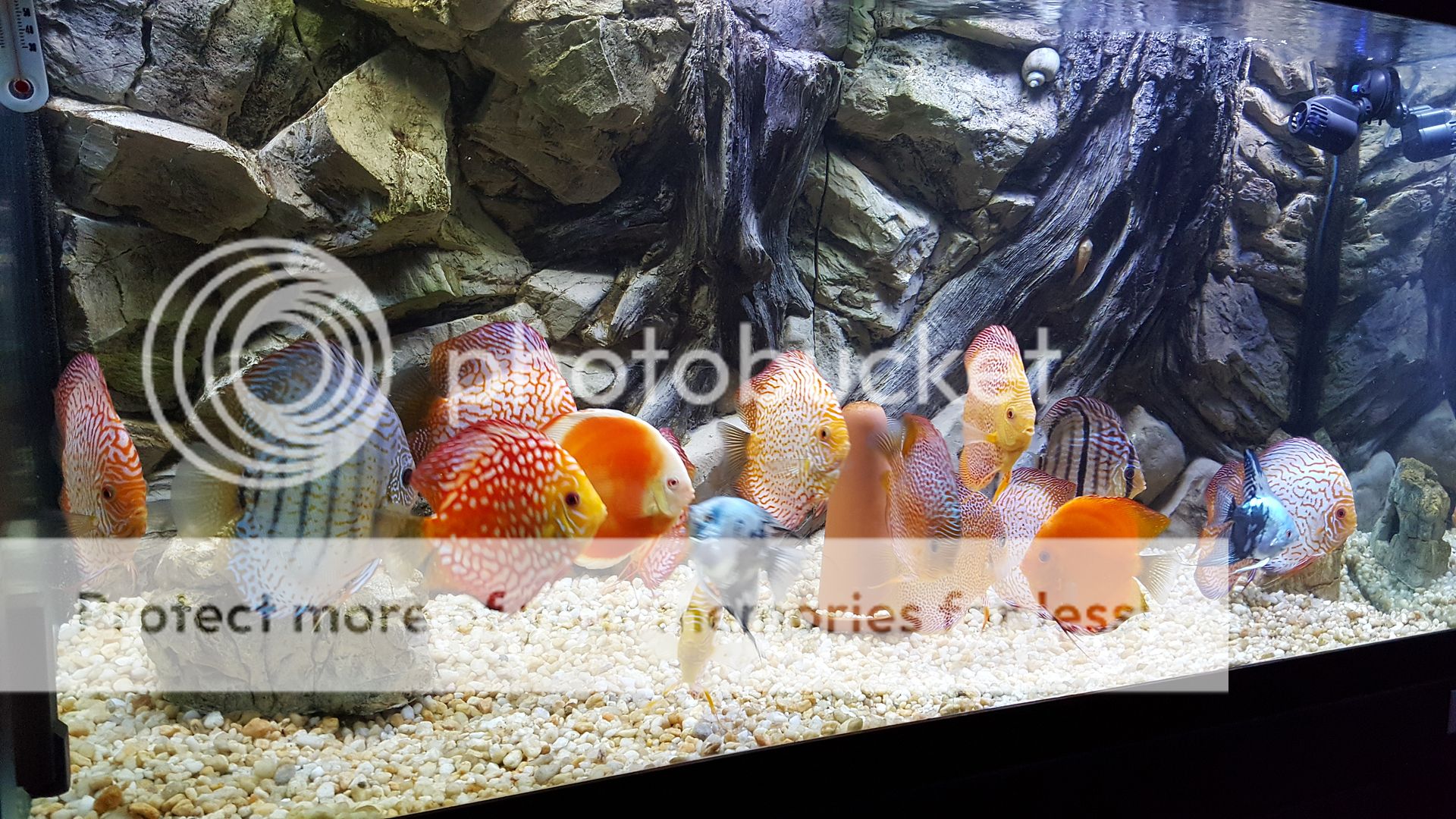
Credit: www.capitalcichlids.org
Ideal Feeding Schedule
Feeding discus fish the right amount at the right time keeps them healthy. A good schedule helps your fish grow and stay active.
This guide explains how often to feed discus fish and how to adjust feeding based on their needs.
Daily Feeding Frequency
Discus fish need to eat several times each day. Feeding small amounts often is best. It stops leftover food from polluting the tank.
Feed your discus fish about 2 to 3 times daily. Use high-quality food that they can eat quickly.
- Feed 2-3 times per day
- Offer small portions each time
- Remove uneaten food after feeding
Adjusting For Age And Size
Young discus fish need more food than adults. They grow fast and have higher energy needs. Feed them more often and in larger amounts.
Adult discus fish eat less and need fewer feedings. Adjust the feeding schedule as your fish grow to avoid overfeeding.
- Juveniles: feed 3-4 times daily
- Adults: feed 2-3 times daily
- Smaller fish eat less per feeding
- Watch fish behavior to adjust food amounts
Seasonal Changes In Feeding
Discus fish eat less during colder months. Lower water temperature slows their metabolism. Reduce feeding frequency in winter.
In warmer months, discus fish are more active and eat more. Increase feeding frequency slightly during spring and summer.
- Winter: feed once or twice daily
- Spring and summer: feed 2-3 times daily
- Monitor water temperature to adjust feeding

Credit: www.youtube.com
Best Foods For Discus
Discus fish need the right food to stay healthy and colorful. Feeding them well helps them grow strong.
Choosing the best foods is important for their diet and overall health. Different foods provide different nutrients.
Protein-rich Options
Discus fish need high protein to build muscles and stay active. Protein helps them recover and keep good colors.
Good protein foods include meat and insect-based items. These foods give essential amino acids to discus fish.
- Bloodworms
- Brine shrimp
- Black soldier fly larvae
- Beef heart (finely chopped)
- Specialized discus pellets with high protein
Vegetable And Plant-based Foods
Discus fish also need some plant-based foods. These foods help their digestion and add fiber.
Vegetables provide vitamins and minerals. They keep the fish healthy and improve their immune system.
- Spinach (blanched)
- Peas (shelled and cooked)
- Zucchini slices
- Algae wafers
- Frozen or fresh cucumber
Frozen Vs. Live Food
Frozen food is easy to store and lasts longer. It keeps nutrients well but may lose some freshness.
Live food is very fresh and stimulates natural hunting. It helps discus fish stay active and interested in food.
- Frozen food is safer and less likely to carry disease
- Live food encourages natural behavior and exercise
- Both types provide good nutrition for discus fish
- Mixing frozen and live food gives variety
Signs Of Overfeeding
Feeding your discus fish too much can cause problems. It is important to watch for signs of overfeeding to keep your fish healthy.
Overfeeding can affect water quality, fish health, and behavior. Knowing these signs helps you care for your discus properly.
Water Quality Issues
Too much food can pollute the water. Leftover food breaks down and raises harmful chemicals.
This can cause cloudy water and bad smells. The water may have high ammonia and nitrite levels.
- Cloudy or murky water
- Strong, unpleasant odors
- High ammonia and nitrite levels
- Algae growth due to excess nutrients
Health Problems In Discus
Overfeeding can make discus fish sick. They may get swollen bellies or bloating from eating too much.
Fish can also develop digestive issues and become weak. Over time, this can lead to serious diseases.
- Swollen or bloated belly
- Constipation or difficulty swimming
- Weakness and loss of color
- Increased risk of infections
Behavioral Changes
Discus fish may act different if overfed. They can become less active and spend more time resting.
Some fish may refuse food or hide. These changes can signal stress or illness from too much food.
- Less swimming and activity
- Hiding more often
- Refusing to eat
- Signs of stress or discomfort

Credit: www.hygger-online.com
Feeding Tips For Healthy Growth
Feeding discus fish the right way helps them grow strong and stay healthy. Proper feeding also keeps the tank clean and safe for the fish.
Knowing how often and how much to feed your discus fish is important. This guide shares useful tips to keep your fish happy.
Portion Control Techniques
Feed your discus fish small amounts of food two to three times a day. Give only what they can eat in five minutes to avoid leftover waste.
Overfeeding can cause health problems and dirty water. Use a measuring tool or count the pellets to keep portions right.
- Feed 3-5 pellets per fish per meal
- Observe fish eating speed
- Adjust portions based on fish size and age
Maintaining Clean Tank Environment
Clean water helps discus fish grow well. Remove uneaten food quickly to stop it from polluting the tank.
Regularly change 25-30% of the water each week. Use a gravel vacuum to clean the tank bottom and keep the environment healthy.
- Remove leftover food after feeding
- Do weekly partial water changes
- Clean tank decorations and plants gently
Feeding Multiple Fish
Feed all discus fish evenly to avoid competition. Spread food in different areas of the tank so all fish get enough to eat.
Watch the fish during feeding. This helps to check if any fish is not eating or is weaker than others.
- Feed small amounts in several spots
- Observe fish behavior during feeding
- Separate sick fish to feed them safely
Common Feeding Mistakes
Feeding discus fish correctly is key to their health. Many keepers make errors that hurt their fish.
Understanding common mistakes helps improve feeding habits and fish well-being.
Inconsistent Feeding Times
Feeding discus fish at random times causes stress and poor digestion. Fish thrive on routine.
Try to feed your fish at the same times every day to keep them healthy.
- Set fixed feeding times daily
- Use alarms as reminders
- Maintain routine even on weekends
Ignoring Dietary Variety
Feeding only one type of food limits nutrients. Discus need different foods for balance.
Include a mix of flakes, pellets, and live or frozen foods to keep discus strong.
- Use high-quality flakes or pellets
- Add frozen bloodworms or brine shrimp
- Occasionally provide vegetables
Overlooking Fish Behavior
Ignoring how your fish act during feeding misses signs of problems. Watch their eating habits.
Changes like loss of appetite or aggression can show illness or stress from feeding errors.
- Observe if fish eagerly eat or avoid food
- Note any chasing or fighting at feeding time
- Adjust feeding if fish seem weak or bloated
Frequently Asked Questions
How Often Should I Feed My Discus Fish Daily?
Discus fish should be fed 2 to 3 times daily. Regular feeding supports their growth and health. Avoid overfeeding to prevent water quality issues.
What Is The Ideal Portion Size For Discus Fish?
Feed discus fish small portions that they can finish in 2-3 minutes. This prevents leftover food and maintains tank cleanliness.
Can Feeding Frequency Affect Discus Fish Health?
Yes, proper feeding frequency ensures balanced nutrition and reduces stress. Overfeeding or underfeeding can lead to health problems and poor water quality.
Should Feeding Frequency Change For Baby Discus Fish?
Baby discus fish need more frequent feedings, about 4 to 6 times daily. Their fast growth requires higher energy intake and nutrients.
Conclusion
Feeding discus fish often helps keep them healthy and active. Young fish need more meals than adults. Small, frequent feedings prevent waste and water problems. Watch your fish’s behavior to adjust feeding times. Good feeding habits lead to bright colors and strong fish.
Remember, too much food can cause health issues. Keep meals balanced and consistent for best results. Healthy discus fish bring beauty to your aquarium. Simple care makes a big difference over time. Happy fish, happy tank!