
If you want your aquarium to stay clean and your fish to stay healthy, choosing the right filter is key. Internal aquarium filters are a popular choice for many fish owners because they fit inside your tank and work quietly to keep the water clear.
But with so many options and features, how do you pick the best one for your setup? You’ll discover everything you need to know about internal aquarium filters, so you can make the best decision and enjoy a beautiful, thriving aquarium.
Keep reading to find out how the right filter can transform your fish’s home.
Credit: www.vevor.ca
Types Of Internal Filters
Internal aquarium filters clean the water inside your tank. They help keep fish healthy by removing dirt and waste.
These filters fit inside the aquarium. Each type works differently to keep the water clear.
Sponge Filters
Sponge filters use a foam sponge to trap debris and provide a surface for beneficial bacteria. They are gentle and good for small tanks or fry.
- Air is pushed through the sponge
- Water flows through the sponge, trapping dirt
- Bacteria grow on the sponge, helping clean water
- Easy to clean and maintain
Hang-on Back Filters
Hang-on back filters hang on the tank’s edge. They pull water up, filter it, and return it to the tank.
They usually have several filter layers like foam, carbon, and bio-balls. These layers clean water in steps.
Canister Filters
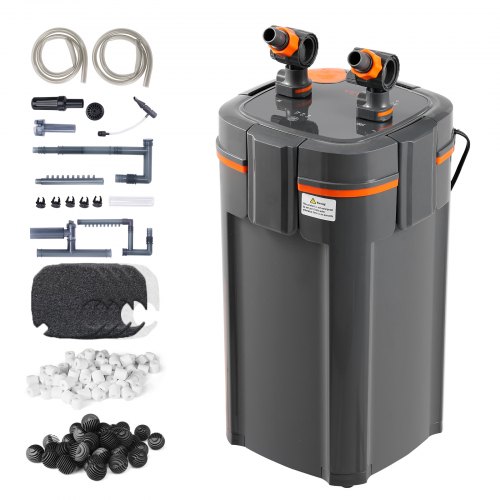
Canister filters sit outside the tank. They push water through tubes into a container with filter media inside.
| Feature | Details |
| Placement | Outside the aquarium |
| Water Flow | Powerful pump moves water through filter media |
| Filter Media | Customizable layers: mechanical, chemical, biological |
| Use | Good for large tanks and heavy waste |
Undergravel Filters
Undergravel filters sit under the gravel in your tank. They pull water down through the gravel to clean it.
This filter works by:
- Water flows down through the gravel.
- Gravel acts as a natural filter.
- Beneficial bacteria grow on gravel surfaces.
- Water returns to the tank clean.
How Internal Filters Work
Internal aquarium filters clean the water inside the tank. They use different methods to remove dirt and harmful substances. This keeps fish healthy and the water clear.
These filters sit inside the aquarium and work quietly. They pump water through several layers that clean it step by step.
Mechanical Filtration
Mechanical filtration traps solid particles like fish waste, uneaten food, and plant debris. It uses sponges or filter pads to catch these particles. This keeps the water clear and prevents buildup.
- Water flows through a sponge or foam pad
- Particles get stuck on the surface
- Filter media needs regular cleaning or replacement
Biological Filtration
Biological filtration uses good bacteria to break down harmful chemicals. These bacteria live on surfaces inside the filter. They change ammonia from fish waste into less harmful substances.
The process includes:
- Ammonia is converted to nitrite by bacteria.
- Nitrite is changed to nitrate by another group of bacteria.
- Nitrate is removed during water changes or by plants.
Chemical Filtration
Chemical filtration removes dissolved substances like odors, discoloration, and toxins. Activated carbon is a common material used. It traps impurities to keep water fresh and clear.
| Chemical Filter Media | Purpose |
| Activated Carbon | Removes odors and discoloration |
| Zeolite | Absorbs ammonia |
| Phosphate Remover | Reduces algae growth |
Choosing The Right Filter
Internal aquarium filters keep your tank clean and healthy. Picking the right one helps your fish live better.
There are many filters available. Knowing what to consider makes the choice easier.
Tank Size And Bioload
Tank size affects the filter power you need. Bigger tanks need stronger filters to clean more water.
Bioload means the waste from fish and plants. More fish or messy eaters create more waste.
- Small tanks (under 20 gallons) need gentle filters
- Medium tanks (20-50 gallons) require moderate flow filters
- Large tanks (over 50 gallons) need strong filters for fast cleaning
- High bioload tanks need filters with more capacity
Fish Species Considerations
Some fish prefer calm water, while others like strong currents. Choose a filter that matches your fish.
Delicate fish need gentle filtration. Active fish enjoy stronger flow and more oxygen.
- Betta fish prefer low flow filters
- Cichlids need moderate flow and good oxygen
- Goldfish produce a lot of waste, so use strong filters
- Shrimp and small fish need gentle, quiet filters
Filter Flow Rate
Flow rate shows how much water the filter cleans per hour. It is important for water quality.
A good rule is to pick a filter that cleans the tank water 4 to 5 times every hour.
- Low flow: 2-3 times tank volume per hour, for small or delicate tanks
- Medium flow: 4-5 times tank volume per hour, suits most tanks
- High flow: 6+ times tank volume per hour, for large or high bioload tanks
Noise Levels
Filters can make noise from water flow or motor parts. Quiet filters create a calm environment.
Look for filters with quiet motors or noise-reducing designs if noise bothers you.
- Internal filters often run quieter than external ones
- Choose filters with adjustable flow to reduce noise
- Regular cleaning keeps filters quiet and efficient
- Soft tubing and vibration pads can lower noise levels
Installation Tips
Installing an internal aquarium filter correctly helps keep your tank clean. Good setup ensures strong water flow and healthy fish.
Follow simple steps for placement, power safety, and priming. These tips make your filter work well and last longer.
Placement Inside The Tank
Place the filter where water flows freely and debris collects. Avoid blocking decorations or plants.
- Mount the filter near the bottom for better debris collection.
- Keep it away from strong currents to avoid stress on fish.
- Ensure the intake is not too close to tank walls or substrate.
- Check if the filter fits well without crowding the tank.
Power Source And Safety
Use a safe power connection to prevent electric hazards. Keep cords dry and away from water.
| Safety Tip | Reason |
| Use a drip loop on the power cord | Prevents water from running into the outlet |
| Plug into a GFCI outlet | Shuts off power quickly if there is a short circuit |
| Keep cords away from pets and children | Avoids accidental unplugging or damage |
| Unplug before cleaning the filter | Prevents electric shock |
Priming The Filter
Priming fills the filter with water to start circulation quickly. Some filters prime automatically.
- Fill the filter chamber with water before turning it on.
- Use the priming button or lever if your filter has one.
- Check for air bubbles inside the filter and remove them.
- Turn on the filter and observe water flow for any issues.
Maintenance And Cleaning
Internal aquarium filters keep your tank water clean and healthy. Regular maintenance helps them work well.
Cleaning and caring for your filter prevents problems and keeps fish safe.
Routine Cleaning Schedule
Clean your internal filter every 2 to 4 weeks. Check for debris and build-up inside the filter parts.
Remove the filter from the tank carefully. Use tank water to rinse the parts so you don’t kill helpful bacteria.
- Turn off and unplug the filter before cleaning
- Disassemble the filter parts gently
- Rinse sponges and media in aquarium water
- Reassemble and place the filter back in the tank
Replacing Filter Media
Filter media traps dirt and helps clean the water. Replace it when it looks worn or clogged.
Follow the filter maker’s instructions for how often to change the media. Usually, mechanical and chemical media need replacement every 3 to 4 weeks.
- Replace carbon or chemical media monthly
- Rinse or replace sponges every 4 weeks
- Keep biological media longer to maintain bacteria
Preventing Clogs
Clogs block water flow and reduce filter power. Prevent clogs by regular cleaning and checking the filter parts.
Do not overfeed fish. Remove leftover food and waste from the tank to stop buildup inside the filter.
- Clean filter intake and outlet regularly
- Remove debris from filter sponges and tubes
- Check water flow weekly to spot blockages
Avoiding Common Mistakes
Do not clean the filter with tap water. Chlorine kills good bacteria that clean the water.
Avoid changing all the filter media at once. This can remove helpful bacteria and harm your tank’s balance.
- Never scrub filter parts with soap or chemicals
- Do not skip cleaning for more than one month
- Keep the filter running after cleaning to restart bacteria growth
Improving Water Quality
Internal aquarium filters help keep water clean for fish. They remove debris and harmful substances from the water.
Clean water is essential for healthy fish and plants. Filters play a crucial role in maintaining a balanced ecosystem.
Combining Filters
Using more than one type of filter enhances water quality. Different filters target various contaminants.
A combination of mechanical, chemical, and biological filters works best. This setup covers all filtration needs.
- Mechanical filters remove solid particles
- Chemical filters target toxins
- Biological filters support beneficial bacteria
Using Activated Carbon
Activated carbon is a popular choice for aquarium filters. It effectively removes odors and impurities from water.
Carbon absorbs harmful chemicals, improving water clarity. It is easy to replace and enhances overall water quality.
- Replace carbon monthly for best results
- Rinse carbon before use to remove dust
- Do not use with certain medications
Enhancing Biological Filtration
Biological filtration supports beneficial bacteria growth. These bacteria break down harmful ammonia and nitrites.
Adding bio-media to filters increases surface area for bacteria. This boosts the filter’s efficiency in processing waste.
- Use ceramic rings or bio-balls
- Rinse bio-media in tank water, not tap water
- Monitor bacteria levels for healthy balance
Troubleshooting Filter Issues
Internal aquarium filters keep water clean and healthy for fish. Sometimes, they may stop working properly. Knowing how to fix common problems helps maintain a safe tank environment.
This guide covers three common filter issues: low water flow, strange noises, and leaks or malfunctions. Each section offers simple tips to solve these problems.
Low Water Flow
Low water flow reduces the filter’s ability to clean the tank. It can harm your fish by lowering oxygen levels and increasing waste buildup.
- Check if the filter intake is blocked by debris or algae.
- Clean or replace the filter cartridge if it is dirty or clogged.
- Make sure the impeller is spinning freely and not stuck.
- Verify the water level is high enough for the filter to work properly.
- Inspect the tubing for kinks or blockages that reduce flow.
Strange Noises
Filters should run quietly. Strange noises can indicate a problem that needs fixing to avoid damage.
| Noise Type | Possible Cause | Solution |
| Grinding or rattling | Debris in impeller area | Clean the impeller and housing |
| Buzzing or humming | Loose parts or motor issues | Tighten parts or replace motor |
| Gurgling | Air trapped in filter | Prime the filter or check water level |
Leaks And Malfunctions
Leaks can cause water loss and damage. Malfunctions may stop filtration entirely. Fix these quickly for tank safety.
Check these points to find leaks or malfunctions:
- Look for cracks in the filter housing or connections.
- Ensure all seals and O-rings are in place and not worn out.
- Tighten all screws and fittings to prevent leaks.
- Test the power cord and switch for proper function.
- Replace broken parts or consider a new filter if damage is severe.

Credit: www.amazon.ca
Upgrading Your Filter System
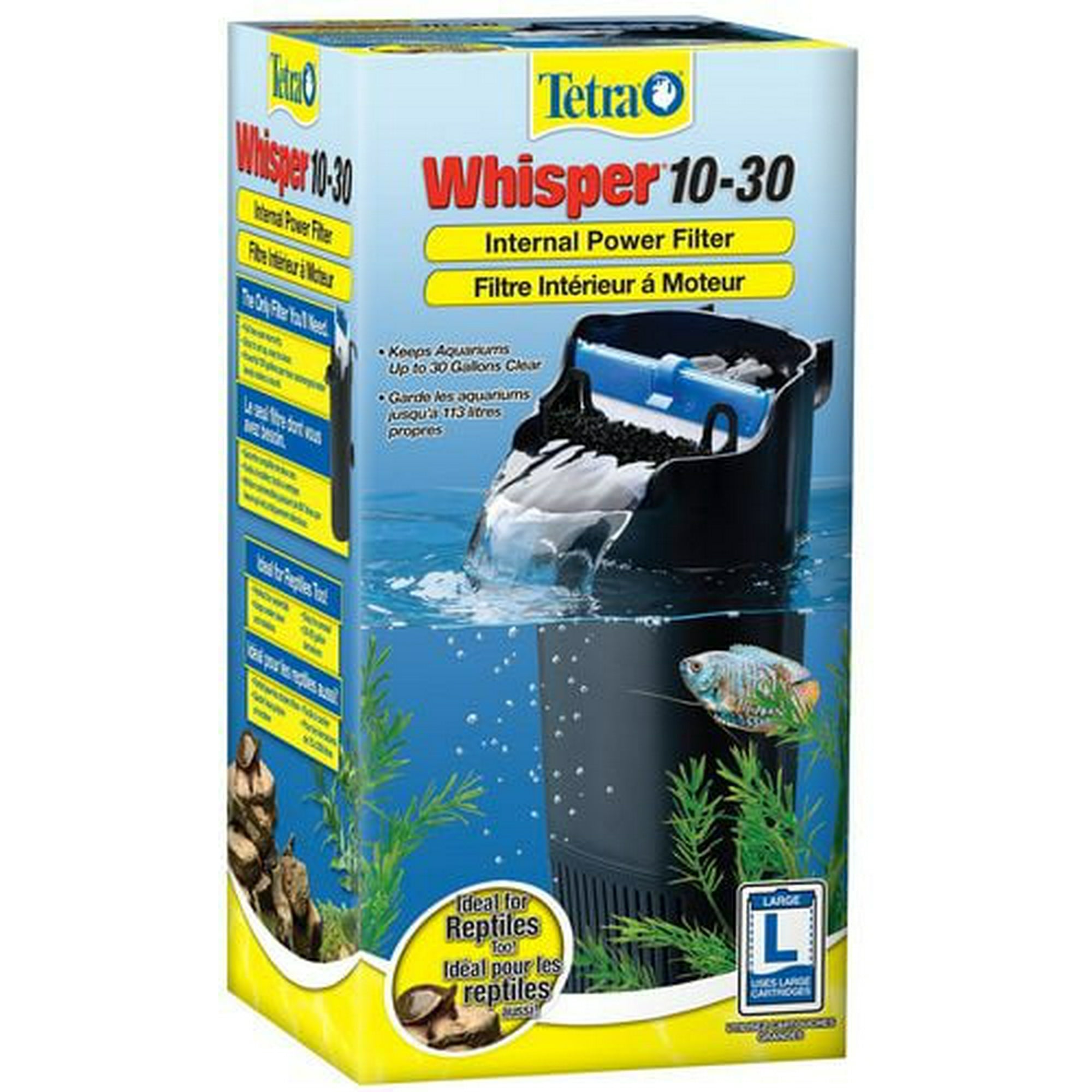
Internal aquarium filters keep your fish tank clean. They remove waste and harmful substances. Upgrading your filter system can improve water quality.
Better filters mean healthier fish. They also make maintenance easier. Discover when and how to upgrade your filter system.
When To Upgrade
Old filters may not work well anymore. If you see debris, consider upgrading. Water that stays cloudy is another sign.
Frequent cleaning means your filter is struggling. Fish health problems can also suggest it is time for a new filter.
Features To Look For
Look for filters with good flow rates. Adjustable settings are helpful. Choose filters that fit your tank size.
Some filters offer multi-stage cleaning. These can be more effective. Check for quiet operation to avoid disturbing your fish.
- Flow rate suitable for tank size
- Adjustable settings for flexibility
- Multi-stage filtration for better cleaning
- Quiet operation for peaceful environment
Energy Efficiency
Energy-efficient filters save power and money. They are better for the environment. Look for filters with energy-saving certifications.
Some filters use less energy but work just as well. This can reduce your electricity bill. Check the power usage before buying.
| Feature | Benefit |
|---|---|
| Energy-saving certification | Lower energy use |
| Low power consumption | Reduced electricity costs |
Credit: www.walmart.ca
Frequently Asked Questions
What Is An Internal Aquarium Filter?
An internal aquarium filter is a compact device placed inside the tank. It cleans water by mechanical, biological, and chemical filtration, maintaining a healthy environment for fish and plants.
How Do Internal Aquarium Filters Work?
They draw water through sponges or media inside the unit. Beneficial bacteria grow on media, breaking down harmful substances. Clean water is then returned to the aquarium.
Are Internal Filters Suitable For All Aquarium Sizes?
Internal filters work best in small to medium tanks, typically under 40 gallons. Larger tanks may need more powerful external or canister filters for efficient filtration.
How Often Should I Clean An Internal Aquarium Filter?
Clean the filter media every 2-4 weeks to prevent clogging. Rinse it in tank water to preserve beneficial bacteria. Avoid harsh cleaning to maintain filter efficiency.
Conclusion
Internal aquarium filters keep your tank clean and fish healthy. They work quietly inside the tank, saving space. These filters remove dirt, waste, and harmful chemicals effectively. Choosing the right filter depends on your tank size and fish type. Regular maintenance ensures the filter works well for a long time.
Clean water means happy fish and a beautiful aquarium. Simple, efficient, and easy to use—internal filters suit many aquarium owners. A small device with a big impact on your underwater world.