
If you want your ornamental fish to thrive and display their brightest colors, choosing the right food is key. Pellet fish food for ornamental fish is one of the best options to keep your aquatic pets healthy and active.
But not all pellets are created equal, and understanding what makes a good pellet can make a huge difference in your fish’s wellbeing. You’ll discover how pellet fish food works, why it’s beneficial, and how to pick the perfect pellets for your fish.
Keep reading to unlock the secrets of feeding your ornamental fish the right way!
Benefits Of Pellet Fish Food
Pellet fish food is a popular choice for ornamental fish owners. It offers many advantages for fish health and aquarium care.
This type of food is made to meet the special needs of decorative fish. It helps keep fish strong and colorful.
Balanced Nutrition
Pellet fish food contains the right mix of vitamins and minerals. It supports fish growth and immune health.
The food is made to provide energy and essential nutrients. This helps fish stay active and vibrant.
- Includes proteins for muscle growth
- Contains fats for energy
- Has vitamins for strong immunity
- Provides minerals for bone health
Convenience And Storage
Pellets are easy to handle and feed to fish. They do not break apart quickly in water.
They store well without losing nutrients. This makes feeding simple and reduces waste.
- Easy to measure for each feeding
- Long shelf life if kept dry
- Less mess compared to flakes
- Stored in airtight containers
Reduced Water Pollution
Pellet food sinks slowly, so fish eat it before it dissolves. This lowers waste in water.
Less uneaten food means cleaner tanks. Cleaner water helps keep fish healthy and active.
- Less leftover food in aquarium
- Reduces harmful bacteria growth
- Improves water clarity
- Supports a stable tank environment
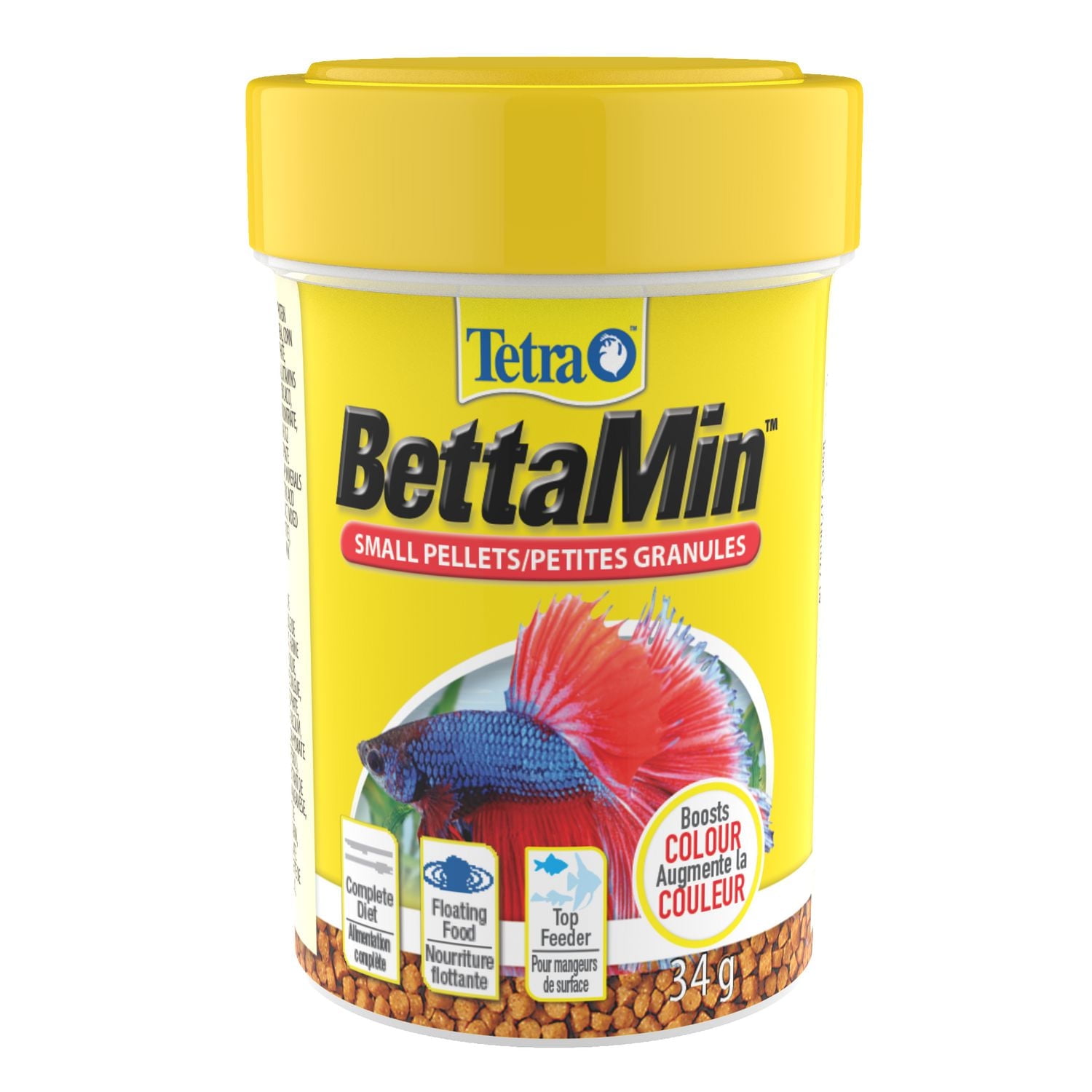
Credit: www.walmart.ca
Types Of Pellet Fish Food
Pellet fish food is a popular choice for feeding ornamental fish. It comes in different types based on how it behaves in water.
Choosing the right pellet type helps keep your fish healthy and happy. Let’s look at the common types of pellet fish food.
Floating Pellets
Floating pellets stay on the water surface. Fish eat them as they swim on top.
These pellets help you watch your fish while they feed. They also keep the water clean by reducing waste at the bottom.
- Easy to feed and monitor
- Good for surface-feeding fish
- Reduce food waste in the tank
Sinking Pellets
Sinking pellets go straight to the bottom of the tank. Bottom-feeding fish can find and eat them easily.
These pellets help feed fish that do not come to the surface. They also reduce competition among fish for food.
- Ideal for bottom-dwelling fish
- Less food on the surface
- Encourages natural feeding habits
Slow-sinking Pellets
Slow-sinking pellets fall slowly through the water. Fish can eat them at different levels.
This type suits fish that feed in the middle of the tank. It also gives shy fish time to eat without rushing.
- Feeds fish at various depths
- Reduces food waste
- Good for mixed fish tanks
Key Nutrients In Pellets
Pellet fish food provides balanced nutrition for ornamental fish. It contains essential nutrients needed for fish growth and health.
Understanding the key nutrients helps you choose the right pellets for your fish’s diet.
Proteins And Amino Acids
Proteins are the building blocks of fish muscles and tissues. Amino acids, found in proteins, support repair and growth.
High-quality pellets contain proteins from fish meal, shrimp, or plant sources. These provide essential amino acids fish cannot make on their own.
Fats And Fatty Acids
Fats give fish a strong energy source. Fatty acids help keep fish scales shiny and support brain and eye health.
- Omega-3 fatty acids improve immune response
- Omega-6 fatty acids support skin and cell health
- Balanced fat levels prevent obesity and disease
Vitamins And Minerals
Vitamins and minerals help fish stay healthy and active. They support metabolism, bone strength, and disease resistance.
| Vitamin / Mineral | Function |
| Vitamin A | Supports eye health and growth |
| Vitamin C | Boosts immune system and healing |
| Calcium | Strengthens bones and scales |
| Iron | Helps with oxygen transport in blood |
Choosing The Right Pellet Size
Pellet fish food comes in different sizes for different fish. Picking the right size helps your fish eat well.
Using the wrong pellet size can cause feeding problems and waste food.
Small Pellets For Fry And Small Fish
Small pellets are best for young fish and small species. They are easy to eat and digest for tiny mouths.
Feeding small pellets helps fry grow strong and stay healthy.
- Pellet size: 0.5mm to 1.5mm
- Easy to chew for small fish
- Less risk of choking
- Helps young fish learn to eat
Medium Pellets For Adult Fish
Medium pellets suit most adult ornamental fish. They provide good nutrition and are easy to handle.
These pellets keep adult fish healthy and active without leftover waste.
- Pellet size: 2mm to 4mm
- Fits most adult fish mouths
- Balanced nutrition for growth
- Reduces food waste
Large Pellets For Bigger Species
Large pellets work well for bigger ornamental fish. They are firm and keep their shape in water.
Big pellets help large fish get enough food without strain.
- Pellet size: 5mm and above
- Strong texture for big fish
- Prevents quick disintegration
- Supports healthy growth in large fish
Feeding Tips For Ornamental Fish
Feeding your ornamental fish the right way helps them stay healthy and happy. Using pellet fish food is an easy and balanced method to provide nutrients.
Follow these tips to ensure your fish get the right amount of food without waste or harm.
Feeding Frequency
Feed your ornamental fish once or twice a day. Young fish may need more frequent feeding.
Too many meals can cause water problems. Keep a consistent schedule to help your fish digest well.
Portion Control
Give small portions that your fish can eat in 2 to 3 minutes. This stops leftover food from polluting the tank.
Observe your fish during feeding to adjust portions. Different species need different amounts of food.
- Feed only what fish finish quickly
- Split daily food into two small meals
- Use a feeding ring to keep food in one place
Avoiding Overfeeding
Overfeeding can cause poor water quality and health issues. Remove uneaten pellets after feeding time.
Watch for signs like cloudy water or fish refusing food. These may mean you need to reduce the amount you feed.
- Feed less if fish leave food uneaten
- Clean the tank regularly to remove waste
- Use a timer or reminder to avoid extra feedings
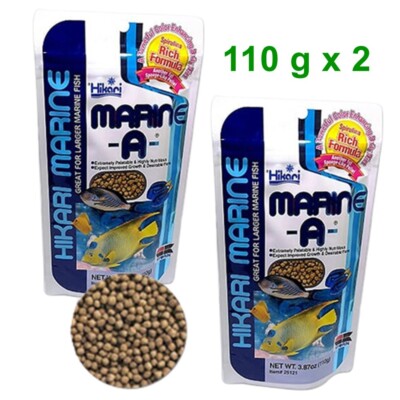
Credit: www.ebay.ca
Common Mistakes With Pellet Feeding
Feeding ornamental fish with pellets seems easy, but mistakes happen. Knowing these can help ensure your fish stay healthy and happy.
Many fish owners unknowingly make errors in choosing and storing pellets. Let’s explore some common pitfalls and how to avoid them.
Ignoring Fish Species Needs
Different fish species have unique dietary requirements. A one-size-fits-all approach can lead to nutrition issues.
- Research the specific needs of your fish species.
- Consult with a vet or a fish expert for advice.
- Avoid using generic pellets for all fish.
Using Low-quality Pellets
Low-quality pellets can lack essential nutrients. They might even contain harmful fillers.
Check labels for ingredients. Look for high protein and natural components.
Improper Storage Practices
Pellets need proper storage to stay fresh. Poor storage can make them lose nutrients.
| Storage Tip | Benefit |
| Keep in a cool, dry place | Prevents mold growth |
| Use airtight containers | Maintains freshness |
| Check expiration dates | Ensures nutrient quality |
Enhancing Pellet Food With Supplements
Pellet food is a staple for ornamental fish. Adding supplements can improve their health and color. This guide explores how you can enhance pellet food effectively.
By using natural supplements, you can mimic the fish’s natural diet. This keeps them vibrant and active. Let’s dive into the ways you can improve their diet.
Adding Vegetables And Live Food
Vegetables and live food add essential nutrients. They are crucial for a balanced fish diet. These foods can be mixed with pellets for better results.
- Chop vegetables like spinach and peas into small pieces.
- Offer live food such as brine shrimp occasionally.
- Ensure live food is clean and free from parasites.
Boosting Color And Immunity
Supplements can enhance color and boost immunity. Bright colors are a sign of good health in fish. Use natural enhancers for the best effect.
| Supplement | Benefit |
| Spirulina | Improves color |
| Vitamin C | Strengthens immunity |
| Carotenoids | Enhances red and orange hues |
Using Probiotics And Enzymes
Probiotics and enzymes aid digestion. They help fish absorb nutrients better. This results in healthier and more active fish.
Storing Pellet Fish Food
Pellet fish food is a popular choice for feeding ornamental fish. Proper storage keeps the food fresh and nutritious.
Storing pellet fish food correctly helps prevent spoilage and keeps your fish healthy.
Optimal Storage Conditions
Keep pellet fish food in a cool, dry place away from sunlight. Heat and moisture cause the pellets to spoil faster.
Use airtight containers to stop air and humidity from reaching the food. This keeps the pellets crisp and fresh.
- Store at room temperature, ideally below 25°C (77°F)
- Avoid damp or humid areas like near sinks
- Seal the bag or container tightly after each use
- Keep away from strong odors that can affect the food
Shelf Life And Expiry
Most pellet fish food has a shelf life of 6 to 12 months. Check the package for the exact expiry date.
Use the pellets before the expiry date for best nutrition and taste. Old food loses vitamins and fats.
- Check the date printed on the package
- Use older food first if you have multiple bags
- Do not feed expired pellets to your fish
Signs Of Spoiled Food
Pellets that are spoiled can harm your fish. Look for changes in color, smell, and texture.
If the pellets are soft, crumbly, or smell rancid, do not use them. Spoiled food can cause illness.
- Pellets look discolored or moldy
- Food has a strong or sour smell
- Texture is soft, powdery, or clumpy
- Presence of insects or larvae inside the container
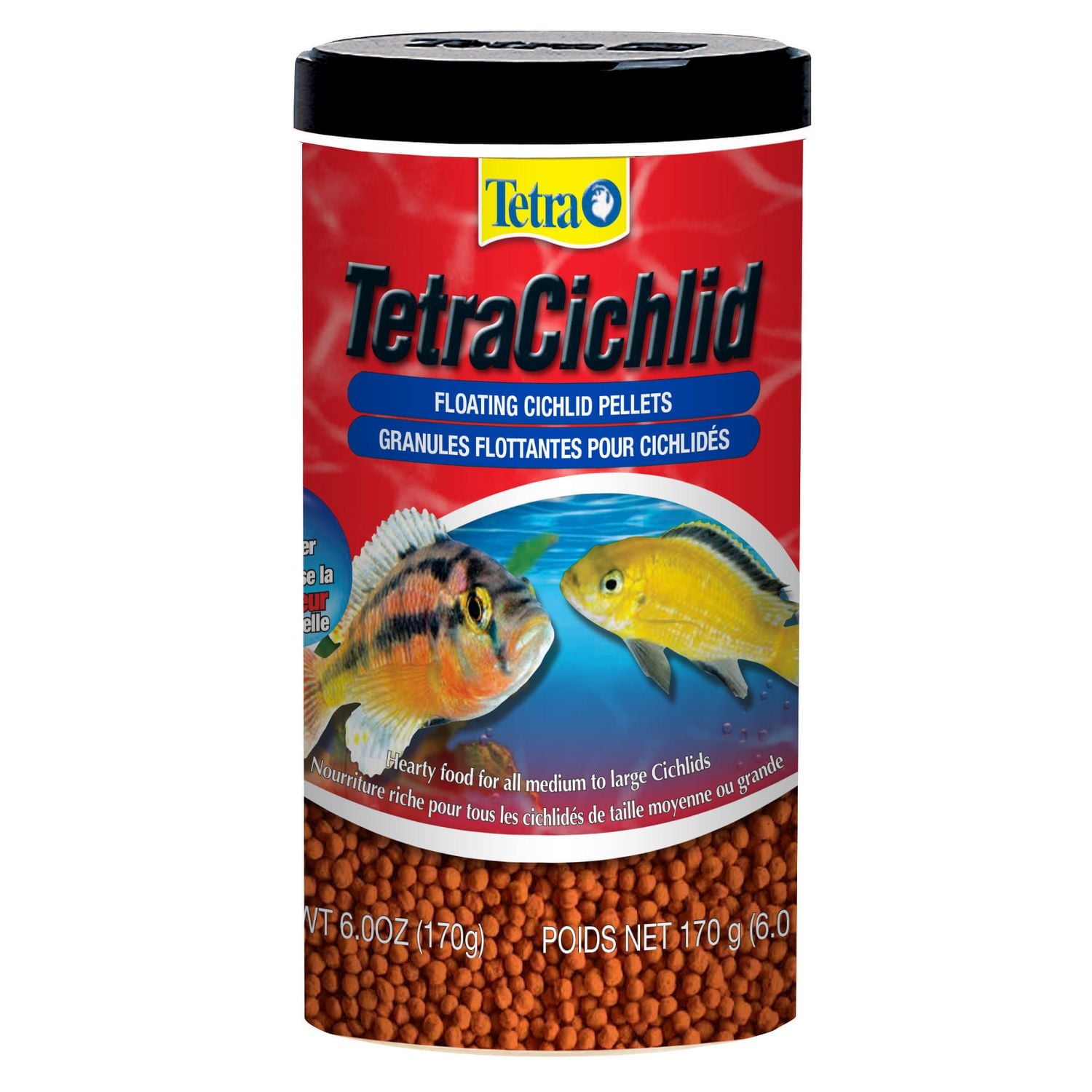
Credit: www.walmart.ca
Frequently Asked Questions
What Are The Benefits Of Pellet Fish Food For Ornamental Fish?
Pellet fish food provides balanced nutrition in a convenient form. It supports healthy growth, vibrant colors, and strong immunity. Pellets reduce water pollution as they dissolve slowly, minimizing waste. This food type suits various ornamental fish species and is easy to store and use.
How To Choose The Best Pellet Food For Ornamental Fish?
Choose pellets based on fish species, size, and dietary needs. Look for high-quality ingredients with protein, vitamins, and minerals. Avoid fillers and artificial additives. Check pellet size to match fish mouth size for easy consumption. Read reviews and buy from reputable brands for safety.
Can Pellet Fish Food Improve Ornamental Fish Color?
Yes, pellets often contain natural color enhancers like spirulina and carotenoids. These ingredients boost pigmentation and make fish colors more vibrant. Regular feeding with quality pellets enhances overall appearance and health. Color-enhancing pellets are especially useful for show and display fish.
How Often Should I Feed Ornamental Fish Pellet Food?
Feed small amounts two to three times daily, matching what fish can consume in minutes. Overfeeding leads to water quality issues and health problems. Monitor fish behavior and adjust feeding frequency accordingly. Maintaining a consistent schedule promotes optimal digestion and growth.
Conclusion
Pellet fish food offers balanced nutrition for ornamental fish. It supports healthy growth and vibrant colors. Feeding pellets is simple and helps keep the tank clean. Choosing the right pellets can improve fish health and energy. Regular feeding with quality pellets creates a happy environment.
Small changes in diet make a big difference over time. Healthy fish are more active and live longer. Try pellets to see positive results in your aquarium. Good food means good fish!