
Feeding your ornamental fish in a medium tank might seem simple, but are you really doing it right? What you feed them and how often can make a huge difference in their health and vibrancy.
Imagine your fish swimming with bright colors and full energy every day—doesn’t that sound amazing? You’ll discover easy tips that help you give your fish the perfect diet without overfeeding or wasting food. Keep reading to unlock the secrets that will keep your tank thriving and your fish happy.
Choosing The Right Food
Feeding ornamental fish in medium tanks needs care. The right food helps fish stay healthy and active.
Different fish need different types of food. Knowing what to feed is important for their growth.
Types Of Fish Food
Fish food comes in many forms. Each type offers different benefits to your fish.
- Flakes: Easy to feed and digest for most fish
- Pellets: Sink slowly, good for bottom feeders
- Freeze-dried: Contains protein, good for variety
- Frozen: Keeps nutrients, mimics natural diet
- Live food: Helps fish stay active and healthy
Nutritional Needs
Ornamental fish need balanced nutrition. Protein, fats, and vitamins keep them strong.
Different fish species have different needs. Some need more protein, others need more plants.
- Protein helps build muscles and repair tissues
- Fats provide energy for daily activities
- Vitamins support immune system and color
- Fiber aids digestion and waste removal
Avoiding Overfeeding
Overfeeding can harm fish and tank water. It causes pollution and fish illness.
Feed small amounts once or twice a day. Remove uneaten food after five minutes.
- Use a feeding schedule to control portions
- Watch fish behavior to adjust food amount
- Overfeeding leads to poor water quality
- Clean the tank regularly to keep fish healthy
Feeding Frequency And Schedule
Feeding ornamental fish in medium tanks requires a clear schedule. Regular feeding helps keep fish healthy and active.
Too much or too little food can harm fish. Understanding when and how often to feed is key.
Daily Feeding Routine
Feed your fish small amounts two to three times a day. This keeps them energized without polluting the water.
Remove any leftover food after five minutes. This helps maintain clean tank water and prevents fish illness.
- Feed 2–3 times daily
- Give small portions each time
- Remove uneaten food quickly
Adjusting For Fish Species
Different fish species have different needs. Carnivores may need more protein, while herbivores require plant-based food.
Research your fish species to know their feeding habits. Some fish eat once daily, others need more frequent meals.
- Carnivores: feed protein-rich food
- Herbivores: offer plant-based food
- Omnivores: mix both types
- Check species-specific feeding schedules
Signs Of Hunger And Fullness
Watch your fish to understand when they are hungry or full. Hungry fish swim actively and look for food.
Full fish stop eating and may hide or rest. Avoid overfeeding by feeding only what fish eat in a few minutes.
- Hungry fish swim near the surface
- Full fish lose interest in food
- Overfeeding causes leftover food
- Adjust feeding amount by fish behavior
Feeding Techniques
Feeding ornamental fish in medium tanks needs care. Proper techniques keep fish healthy and water clean.
Different methods help control food amounts and reduce waste. Use simple ways to feed your fish well.
Hand Feeding Tips
Hand feeding lets you bond with your fish. It also helps you check their health closely.
Feed small amounts at a time. Watch fish eat and stop before leftovers appear.
- Use your fingers or a feeding stick
- Feed near the water surface
- Feed slowly to prevent overfeeding
- Clean your hands before feeding
Using Feeding Rings
Feeding rings keep food in one spot. This helps fish find food easily and keeps tank cleaner.
Place the ring on the water surface. Drop food inside the ring and watch fish eat peacefully.
- Choose rings that float well
- Use rings to limit food spread
- Clean rings regularly to avoid algae
Preventing Food Waste
Food waste pollutes water and harms fish. Feed the right amount and remove leftovers fast.
Watch how much fish eat. Adjust food quantity to match their appetite every day.
- Feed small portions multiple times daily
- Remove uneaten food after 5 minutes
- Use sinking or floating food based on fish type
- Keep tank clean to stop waste build-up

Credit: amtra.net
Maintaining Water Quality
Feeding ornamental fish in medium tanks requires care to keep the water clean. Good water quality helps fish stay healthy and active.
Proper feeding habits and tank maintenance reduce problems caused by bad water conditions.
Impact Of Uneaten Food
Uneaten fish food can pollute the tank water quickly. It breaks down and produces harmful chemicals like ammonia.
These chemicals can stress or even kill your fish if not controlled. Feeding only what fish eat helps keep the tank clean.
Regular Tank Cleaning
Cleaning the tank regularly removes waste and leftover food. This keeps water clear and safe for fish.
Change part of the water weekly and clean the gravel and decorations gently. Avoid using soap or harsh chemicals.
- Remove 10-20% of water every week
- Use a gravel vacuum to clean the substrate
- Wipe algae from tank walls
- Clean filters as recommended
Water Testing Practices
Test the water often to check levels of ammonia, nitrites, and nitrates. Balanced water means healthy fish.
Use simple test kits to measure water quality. Keep these levels low:
- Ammonia: 0 ppm
- Nitrites: 0 ppm
- Nitrates: less than 20 ppm
- pH: 6.5 to 7.5
Special Considerations For Medium Tanks
Feeding ornamental fish in medium tanks needs care and attention. These tanks have limited space and many fish.
Proper feeding helps keep fish healthy and water clean. It is important to watch how you feed them.
Balancing Stocking Levels
Medium tanks can hold only a certain number of fish. Too many fish cause stress and poor water quality.
Keep stocking levels balanced to give each fish enough space. This helps them eat well and grow healthy.
- Check tank size before adding fish
- Follow recommended fish per gallon guidelines
- Avoid overcrowding to reduce waste
- Adjust feeding amount based on fish number
Space For Feeding
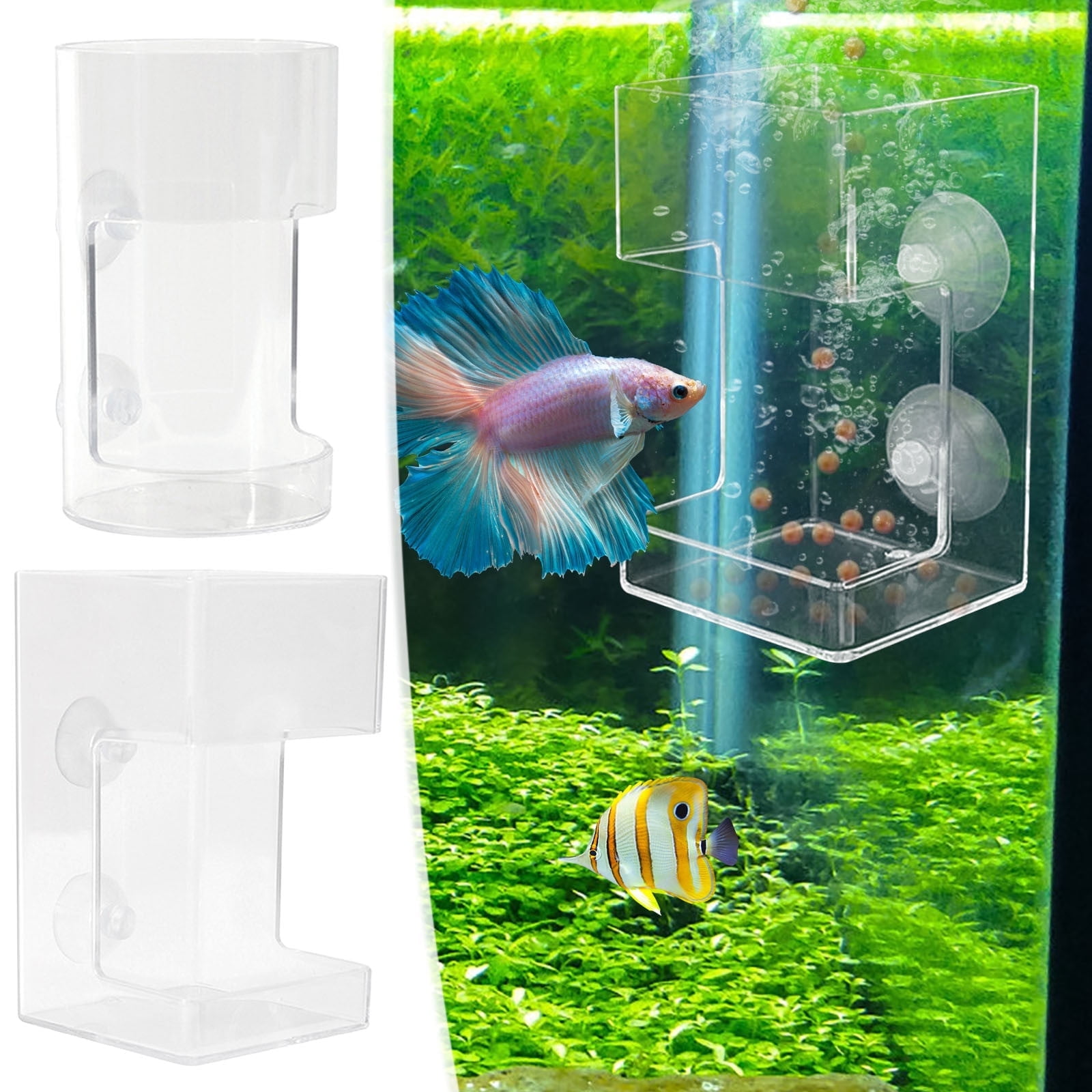
In medium tanks, feeding space is limited. Spread food in different spots to reach all fish.
Use small amounts of food at a time. This prevents leftover food from polluting the water.
- Feed near plants or decorations to reduce crowding
- Use feeding rings or small dishes if needed
- Observe how fish share the food
- Remove uneaten food after feeding
Monitoring Fish Behavior
Watch fish during and after feeding. Their behavior shows if they get enough food and feel safe.
Look for signs like slow swimming or hiding. These may mean fish are stressed or hungry.
- Check if all fish eat equally
- Notice if some fish bully others at feeding time
- Observe any changes in appetite or activity
- Adjust feeding times and amounts as needed
Credit: www.walmart.com
Supplements And Treats
Feeding ornamental fish in medium tanks is important for their health. Supplements and treats add variety to their diet.
Proper nutrition keeps fish vibrant and active. These extras support overall well-being.
Vitamins And Minerals
Vitamins and minerals are essential for fish growth. They help maintain a strong immune system.
Fish need vitamins like A, D, and E. Minerals like calcium support bone health.
- Vitamin A: Enhances vision
- Vitamin D: Supports bone strength
- Calcium: Strengthens bones
Live And Frozen Foods
Live and frozen foods mimic natural diets. They provide essential proteins and fats.
These foods include brine shrimp and bloodworms. They promote natural feeding behaviors.
- Brine Shrimp: High in protein
- Bloodworms: Rich in iron
- Daphnia: Good for digestion
Occasional Treats
Occasional treats add excitement to feeding times. They should not replace regular meals.
Treats can include dried insects and algae wafers. They offer different tastes and textures.
- Dried Insects: High in protein
- Algae Wafers: Good for herbivorous fish
- Fruit Pieces: Provide natural sugars
Credit: medium.com
Frequently Asked Questions
What Is The Best Food For Ornamental Fish In Medium Tanks?
High-quality flakes, pellets, and frozen foods suit ornamental fish best. A balanced diet supports health and vibrant colors. Feeding variety prevents nutrient deficiencies and promotes growth.
How Often Should I Feed Ornamental Fish In Medium Tanks?
Feed ornamental fish 1-2 times daily in small amounts. Overfeeding causes water pollution and health issues. Remove uneaten food promptly to maintain water quality.
Can I Feed Live Food To Ornamental Fish In Medium Tanks?
Yes, live foods like brine shrimp boost nutrition and stimulate natural behavior. Use live food sparingly to avoid disease introduction and maintain tank balance.
How Much Food Should I Give Ornamental Fish In Medium Tanks?
Offer only the amount fish can eat within 2-3 minutes. Excess food leads to water contamination and fish health problems. Monitor feeding habits to adjust portions accordingly.
Conclusion
Feeding ornamental fish in medium tanks needs care and attention. Small, regular meals keep fish healthy and happy. Avoid overfeeding to maintain clean water. Use varied food to meet nutritional needs. Watch fish behavior to adjust feeding amounts. Clean uneaten food promptly to prevent waste.
Balanced feeding supports vibrant colors and active fish. Keep a feeding schedule for consistency. Enjoy watching your fish thrive with simple feeding habits. Healthy fish make your tank a beautiful, lively space.