
Are you struggling to find the right food that helps your juvenile fish grow strong and healthy? Choosing the best fish food for young fish can make all the difference in their development.
The right nutrition not only boosts their growth but also improves their immune system and colors. You’ll discover simple, effective tips to pick the perfect food that meets your juvenile fish’s needs. Keep reading to give your fish the best start in life!
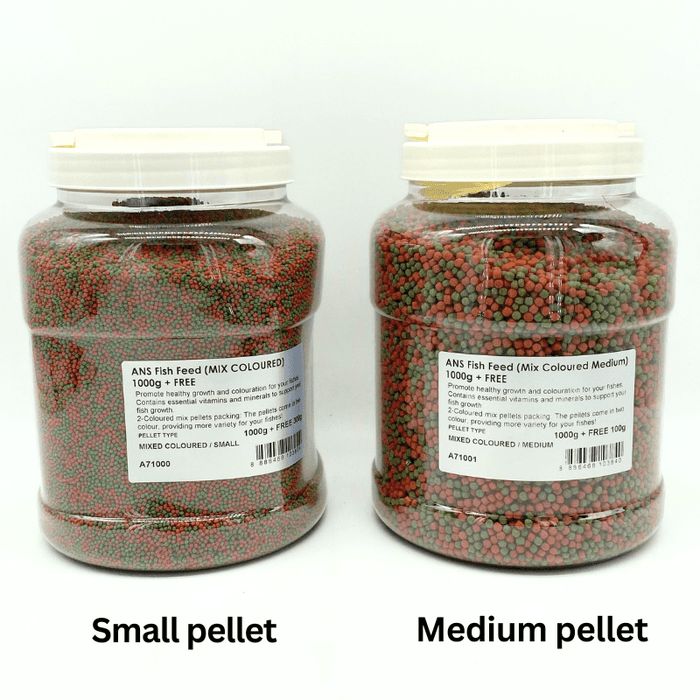
Credit: eastoceansg.com
Importance Of Proper Nutrition
Proper nutrition is key to healthy growth in juvenile fish. It gives them energy and builds strong bodies.
Good food helps fish develop organs and swim better. It also supports their natural behavior and survival.
Role Of Diet In Growth
A balanced diet supplies proteins, fats, and vitamins needed for fish growth. Young fish need more protein to build muscles and bones.
- Proteins help form body tissues.
- Fats provide energy and support brain growth.
- Vitamins and minerals keep cells healthy.
- Carbohydrates offer quick energy for activity.
Impact On Immune System
Nutrition affects the immune system by helping fish fight disease. A weak diet can cause illness and slow growth.
| Nutrient | Benefit to Immune System |
| Vitamin C | Boosts disease resistance |
| Omega-3 Fatty Acids | Reduces inflammation |
| Zinc | Supports wound healing |
| Protein | Builds immune cells |
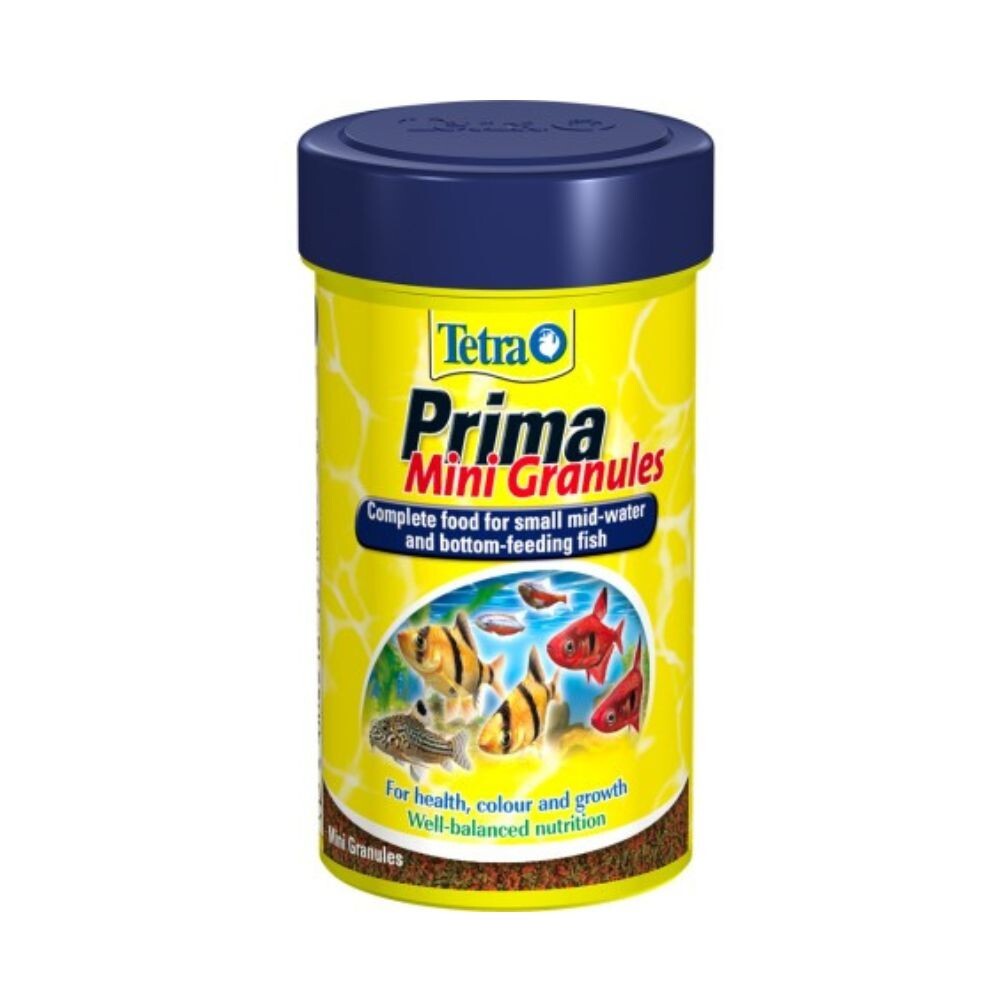
Credit: www.ebay.ca
Types Of Fish Food For Juveniles
Feeding juvenile fish properly is crucial for their growth. Different foods provide essential nutrients and energy.
Understanding the types of fish food available helps in choosing the best diet for juvenile fish.
Flake And Pellet Options
Flakes and pellets are common choices for feeding juvenile fish. They are convenient and nutritionally balanced.
- Flakes dissolve easily, suitable for surface feeders.
- Pellets are available in various sizes for different fish species.
- Choose high-quality brands for better nutrition.
Live And Frozen Foods
Live and frozen foods offer a natural diet similar to what fish find in the wild. They are rich in protein and other nutrients.
Examples of live and frozen foods include:
- Brine shrimp
- Daphnia
- Bloodworms
Homemade Food Recipes
Homemade recipes can be tailored to specific dietary needs. They often include fresh ingredients that boost growth.
| Ingredient | Benefit |
| Spinach | Rich in vitamins |
| Carrots | High in carotenoids |
| Gelatin | Binding agent |
Key Nutrients For Growth
Juvenile fish need special nutrients to grow healthy and strong. Good fish food provides these key nutrients in the right amounts.
These nutrients support body development, energy, and overall health. Understanding them helps choose the best food for young fish.
Proteins And Amino Acids
Proteins are the building blocks for fish growth. They help form muscles, skin, and organs in juvenile fish.
Amino acids are parts of proteins. Some amino acids cannot be made by fish and must come from their food.
- High protein content supports fast growth
- Essential amino acids include lysine and methionine
- Good protein sources are fish meal and soy protein
Vitamins And Minerals
Vitamins help fish use energy and build their immune system. Minerals strengthen bones and help with many body functions.
Juvenile fish need vitamins like A, D, E, and C. Important minerals include calcium, phosphorus, and iron.
- Vitamin A supports vision and growth
- Vitamin C helps heal wounds and fight disease
- Calcium and phosphorus build strong bones
- Iron is essential for healthy blood
Essential Fatty Acids
Fatty acids provide energy and help build cell membranes. They are important for brain and eye development in young fish.
Fish need omega-3 and omega-6 fatty acids from their diet. These fats support growth and keep fish healthy.
- Omega-3 fatty acids include EPA and DHA
- Omega-6 fatty acids help with skin and scale health
- Good sources are fish oil and algae
Feeding Strategies
Feeding juvenile fish the right way helps them grow strong and healthy. Good feeding habits support their development and reduce waste.
Understanding feeding strategies can improve your fish care and keep your tank clean. Use these tips to feed your young fish properly.
Frequency And Portion Control
Feed juvenile fish small amounts several times a day. Young fish need frequent meals to get enough nutrients.
Give only what your fish can eat in a few minutes. Too much food can pollute the water and harm fish health.
- Feed 3 to 4 times daily
- Offer small portions each time
- Watch fish eat to adjust portions
Avoiding Overfeeding
Overfeeding can cause poor water quality and sick fish. Extra food breaks down and pollutes the tank.
Remove leftover food after feeding time. This keeps the tank clean and fish healthy.
- Feed only what fish finish quickly
- Clean tank regularly
- Use feeding tools to control amount
Monitoring Growth Progress
Check your juvenile fish size often to track their growth. Healthy fish grow steadily with good food.
Adjust feeding amounts if fish grow too slowly or too fast. Proper growth shows your feeding is on track.
- Measure fish size weekly
- Note changes in activity and color
- Change feeding if growth is uneven
Common Feeding Mistakes
Feeding juvenile fish the right way is very important for their growth. Many fish owners make simple mistakes that can slow growth or harm the fish.
Understanding these common errors helps keep fish healthy and growing well. Watch out for these feeding mistakes to improve your fish care.
Choosing Inappropriate Food
Juvenile fish need food that fits their size and nutritional needs. Giving food that is too big or lacks nutrients can stop their growth.
Foods made for adult fish often do not work for young fish. It is important to pick food designed for juveniles.
- Use small pellets or flakes made for young fish
- Avoid food that sinks too fast or is hard to eat
- Choose food with balanced proteins and vitamins
Ignoring Water Quality
Bad water can affect how well fish eat and grow. Dirty or poorly maintained water stresses fish and lowers their appetite.
Regular water checks and changes keep the environment safe for juvenile fish. Good water quality supports healthy feeding habits.
- Test water for ammonia, nitrites, and nitrates often
- Change 10-20% of water weekly to remove waste
- Keep water temperature stable for the fish species
Neglecting Dietary Variety
Feeding only one type of food can cause nutrient gaps. Juvenile fish need a mix of food to get all needed vitamins and minerals.
Mixing dry food with live or frozen food helps fish get protein and other nutrients. Variety also keeps fish interested in eating.
- Use flakes, pellets, and frozen or live food options
- Include foods rich in protein and essential fats
- Rotate foods to prevent nutrient deficiencies
Boosting Health Naturally
Juvenile fish need proper care to grow strong and healthy. Feeding them the right food helps their development.
Natural methods support fish health without harmful chemicals. This guide covers key ways to boost growth naturally.
Incorporating Probiotics
Probiotics improve digestion and fight harmful bacteria in juvenile fish. They help maintain a balanced gut environment.
- Choose probiotics made for aquatic life.
- Add probiotics to fish food or water.
- Use probiotics regularly for best results.
- Monitor fish behavior to see improvements.
Using Supplements Safely
Supplements can add nutrients missing in regular fish food. Use them carefully to avoid overdosing your fish.
| Supplement Type | Recommended Use |
| Vitamin C | Supports immune system |
| Omega-3 Fatty Acids | Improves brain and fin health |
| Minerals | Strengthens bones and scales |
Maintaining Clean Environment
Clean water keeps juvenile fish safe from diseases. Regular tank care helps maintain good water quality.
- Change 20% of water weekly.
- Remove leftover food and waste daily.
- Use a good filtration system.
- Check water temperature and pH levels.

Credit: www.amazon.com
Frequently Asked Questions
What Is The Best Fish Food For Juvenile Fish Growth?
The best fish food for juvenile fish is high-protein and nutrient-rich. It supports rapid growth and strong immune systems. Look for specially formulated pellets or flakes designed for young fish.
How Often Should Juvenile Fish Be Fed Daily?
Juvenile fish should be fed 3 to 4 times daily in small amounts. Frequent feeding ensures steady growth without overfeeding or water pollution.
Can Live Food Improve Juvenile Fish Growth?
Yes, live food like brine shrimp or daphnia enhances growth. It provides natural nutrients and stimulates feeding instincts for healthier development.
What Nutrients Are Essential In Juvenile Fish Food?
Protein, vitamins, and minerals are essential for juvenile fish growth. These nutrients boost energy, strengthen bones, and improve immunity.
Conclusion
Feeding juvenile fish the right food helps them grow strong and healthy. Choose food rich in nutrients and easy to digest. Small, frequent meals support steady growth. Clean water and proper care also matter a lot. Watch your fish daily to spot any problems early.
Good food and care lead to happy, active fish. Keep learning about your fish’s needs to improve their health. Simple steps make a big difference in juvenile fish growth. Care and patience bring great results.