
Is your aquarium showing signs of stress or illness? Parasites in your fish tank can quickly turn a beautiful underwater world into a nightmare.
You might notice your fish scratching against objects, losing color, or behaving oddly. These are clear signals that parasites could be invading your aquarium. But don’t worry—understanding how to treat your aquarium water for parasites is the first step to saving your fish and restoring balance.
Keep reading, and you’ll discover simple, effective ways to protect your aquatic friends and keep your tank healthy and vibrant.

Credit: www.nt-labs.com
Common Aquarium Parasites
Parasites in aquariums can harm your fish and disrupt the tank’s balance. They spread quickly if not treated.
Knowing common parasites helps you spot problems early. You can take action to protect your fish.
Types Of Parasites In Freshwater Tanks
Freshwater tanks have many parasite types. Some affect fish skin, gills, or internal organs.
- Ich (Ichthyophthirius multifiliis) causes white spots on fish.
- Flukes attach to gills and skin, causing breathing problems.
- Lernaea, or anchor worm, burrows into fish skin.
- Costia causes skin damage and slimy coating.
- Fish lice are visible parasites that attach to fish bodies.
Parasites In Saltwater Aquariums
Saltwater tanks face different parasites. These can be harder to treat due to the saltwater environment.
- Marine Ich (Cryptocaryon irritans) shows as white spots on fish.
- Marine Velvet (Amyloodinium ocellatum) causes a dusty look on fish skin.
- Copepods live on fish and can cause irritation.
- Monogenean flukes attach to gills and skin.
- Isopods are parasites that bite fish and cause wounds.
Symptoms Of Parasite Infestation
Parasites cause many signs that fish are sick. Watch fish closely to catch problems early.
- White spots or patches on fish bodies.
- Fish scratching or rubbing against tank objects.
- Clamped fins or slow swimming.
- Loss of appetite and weight loss.
- Rapid breathing or gill movement.
- Visible parasites on fish skin or fins.
- Cloudy eyes or damaged scales.
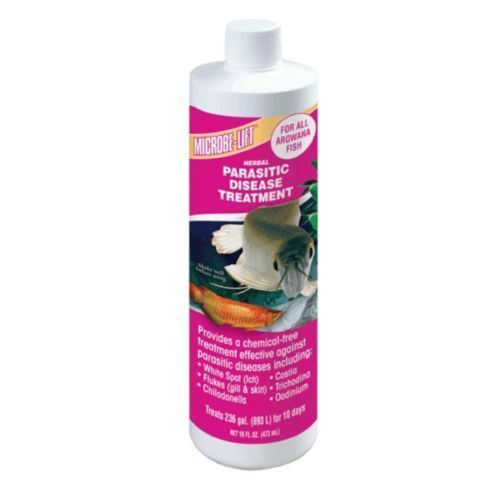
Credit: www.ebay.com
Causes Of Parasite Outbreaks
Parasite outbreaks can harm fish and plants in aquariums. Understanding what causes these outbreaks helps keep your tank healthy.
Parasites spread quickly in certain conditions. Knowing these causes helps prevent infections in your aquarium.
Contaminated Water Sources
Using water from unsafe sources can bring parasites into your tank. This includes untreated tap water or natural water from lakes and rivers.
Parasites can survive in water and infect fish easily. Always test and treat water before adding it to your aquarium.
- Untreated tap water may contain parasite eggs
- Natural water can carry parasites from wild fish
- Improper filtration allows parasites to stay alive
New Fish Introductions
Adding new fish without quarantine can spread parasites. New fish might carry infections that are not visible.
Quarantine new arrivals for a few weeks. This helps catch parasites before they infect the main tank.
- Parasites can hide on new fish scales or fins
- Stress from moving can weaken fish immunity
- Quarantine reduces risk of outbreak in the tank
Poor Tank Hygiene
Dirty tanks create perfect environments for parasites to grow. Waste and leftover food feed parasite populations.
Regular cleaning and water changes keep parasite numbers low. Good hygiene helps fish stay healthy and strong.
- Uneaten food feeds parasites and bacteria
- Old water holds parasite eggs and larvae
- Dirty filters spread parasites throughout the tank
Chemical Treatments For Parasites
Parasites can harm your aquarium fish and plants. Chemical treatments help remove these parasites safely. It is important to use the right medicine and follow instructions carefully.
This guide covers medicines for external and internal parasites. It also explains safe dosage and how to apply treatments properly.
Medications For External Parasites
External parasites live on fish skin, fins, or gills. Common medicines include formalin, copper sulfate, and malachite green. These chemicals kill parasites like ich and flukes.
- Formalin: Use to treat fungal and parasitic infections.
- Copper sulfate: Effective for many external parasites but toxic to plants.
- Malachite green: Treats fungal and some parasitic infections.
- Potassium permanganate: Cleans water and kills parasites.
Medications For Internal Parasites
Internal parasites live inside fish bodies. Medicines must be swallowed or absorbed. Common chemicals include praziquantel and metronidazole. These target worms and protozoa.
| Medication | Target Parasite | Use |
| Praziquantel | Tapeworms, flukes | Add to food or water |
| Metronidazole | Protozoa | Mix with food or water |
| Levamisole | Roundworms | Add to feed |
Safe Dosage And Application Tips
Use chemicals exactly as the label says. Overdosing can harm fish and plants. Keep water well-oxygenated during treatment. Remove activated carbon from filters, as it can absorb medicines.
- Measure water volume before dosing.
- Follow recommended dosage carefully.
- Apply medicine slowly and evenly.
- Watch fish for stress during treatment.
- Perform water changes after treatment ends.
Natural Remedies And Preventive Measures
Aquarium water treatment is essential to keep fish healthy. Parasites can harm fish if not controlled. Natural remedies help treat and prevent parasites.
Using natural methods is safer for fish and the environment. Let’s explore some effective ways to manage parasites naturally.
Using Herbal Treatments
Herbs can help fight parasites in aquariums. They are gentle and safe for fish. Some herbs have natural healing properties.
Garlic is popular for treating fish parasites. It boosts fish immunity. Indian almond leaves can reduce stress and improve water quality.
- Garlic: Boosts fish immunity
- Indian almond leaves: Reduces stress
- Papaya leaves: Fights off parasites
Beneficial Bacteria And Biofilters
Beneficial bacteria help maintain a healthy aquarium. They break down waste, making water cleaner. Biofilters support these bacteria.
Adding a biofilter keeps water balanced. It reduces harmful substances. This helps prevent parasite growth.
- Biofilters: Support beneficial bacteria
- Bacteria: Break down waste
- Clean water: Prevents parasites
Maintaining Water Quality
Good water quality is crucial for fish health. Regular water changes help keep water clean. Test water often to ensure it is safe.
Avoid overfeeding fish. Extra food can pollute water. Use a filter to remove debris and maintain clarity.
| Task | Frequency |
| Water change | Weekly |
| Water testing | Bi-weekly |
| Filter cleaning | Monthly |
Quarantine Practices
Quarantine helps keep your main aquarium safe from parasites. It stops diseases from spreading to healthy fish.
Using a separate tank for new or sick fish makes treatment easier. It also protects other aquatic life.
Setting Up A Quarantine Tank
Choose a small tank away from your main aquarium. It should have a heater and filter for stable conditions.
Use clean, dechlorinated water and add hiding spots like plants or decorations. Avoid overcrowding the tank.
- Select a tank size based on fish number and size
- Use a heater to keep water temperature steady
- Install a filter to maintain water quality
- Add gentle lighting and places to hide
- Keep the tank clean with regular water changes
Duration And Monitoring
Keep fish in quarantine for two to four weeks. This time helps spot any signs of parasites or illness.
Check water quality daily and watch fish behavior. Treat any parasites with proper medication during this period.
- Observe fish for changes in appetite or movement
- Test water for ammonia, nitrites, and pH levels
- Perform partial water changes as needed
- Apply parasite treatments carefully
- Note any signs of stress or disease
Preventing Spread To Main Tank
Never add fish directly from the quarantine tank to the main aquarium. Always use a proper transfer process.
Clean all equipment used in quarantine before using it in the main tank. Avoid sharing water or tools between tanks.
- Use separate nets for quarantine and main tanks
- Disinfect tools after use with hot water or bleach
- Do not mix water from quarantine with main tank water
- Observe fish closely after moving them to the main tank
- Keep stress low during transfer to reduce infection risk

Credit: www.amazon.ca
Regular Maintenance For Parasite Control
Parasites in aquarium water can harm your fish and plants. Regular maintenance helps keep parasites under control.
Good habits in cleaning and monitoring your tank reduce parasite risks. This protects the health of your aquatic life.
Water Changes And Cleaning
Changing water regularly removes parasite eggs and waste. Clean water lowers parasite growth and keeps fish healthy.
Use a gravel vacuum to remove debris from the tank bottom. Clean decorations and plants to avoid parasite buildup.
- Change 10-20% of water weekly
- Remove leftover food and waste
- Clean tank walls and decorations
Filter Maintenance
Filters trap dirt and parasites but can also collect harmful build-up. Cleaning filters keeps them working well.
Rinse filter media in tank water to keep beneficial bacteria alive. Replace parts as needed to avoid clogging.
- Clean filters every 2-4 weeks
- Use tank water for rinsing
- Replace filter parts when worn
Monitoring Fish Health
Watch your fish daily for signs of parasites. Early detection helps stop parasites from spreading.
Look for changes like scratching, spots, or slow swimming. Quarantine sick fish to prevent infections.
- Check fish behavior every day
- Inspect fish for spots or marks
- Isolate sick fish quickly
Frequently Asked Questions
What Is The Best Aquarium Water Treatment For Parasites?
The best treatment combines medication like praziquantel or formalin with regular water changes. Quarantine new fish to prevent infections.
How Do Parasites Affect Aquarium Fish Health?
Parasites cause stress, skin damage, and infections in fish. They weaken fish immunity, leading to disease and death if untreated.
How Often Should I Treat Aquarium Water For Parasites?
Treat water immediately when parasites appear. Regular checks and preventive treatments every 2-4 weeks help maintain parasite-free water.
Can Natural Remedies Control Aquarium Parasites Effectively?
Some natural remedies like salt baths and garlic help reduce parasites. However, severe infestations require targeted medications for best results.
Conclusion
Treating aquarium water for parasites keeps fish healthy and happy. Regular checks help spot problems early. Clean water stops parasites from spreading fast. Use safe treatments to protect your fish and plants. Watch fish behavior for signs of trouble. Healthy tanks mean less stress for your fish.
Keep your aquarium clean and balanced every week. Good care leads to strong, vibrant fish life. Simple steps make a big difference over time. Stay consistent, and enjoy a beautiful, parasite-free tank.