
Keeping your aquarium water balanced is key to a healthy and vibrant underwater world. If you’ve ever struggled with sudden changes in your tank’s water pH, you know how stressful it can be for both you and your fish.
That’s where an aquarium water pH stabilizer comes in. It helps maintain the perfect pH level, making sure your aquatic pets stay happy and healthy. You’ll discover how to use a pH stabilizer effectively, why it matters, and how it can save you from common water problems.
Ready to create the ideal environment for your fish? Let’s dive in.

Credit: www.amazon.com
Importance Of Ph Balance
Maintaining the right pH in an aquarium is very important. It helps keep the water safe for fish and plants.
A pH stabilizer controls the acidity or alkalinity of the water. This balance supports a healthy environment.
Effects On Fish Health
Fish are sensitive to changes in pH levels. If the water is too acidic or too alkaline, fish can get sick.
Proper pH helps fish breathe well and stay active. It also reduces stress and prevents diseases.
- Stable pH improves fish breathing
- Prevents skin and gill damage
- Reduces stress and disease risk
- Supports proper metabolism and growth
Impact On Plant Growth
Aquatic plants need balanced pH for good growth. If the water pH is off, plants may not absorb nutrients well.
Correct pH levels help plants grow strong leaves and roots. This keeps the aquarium healthy and vibrant.
- Good pH improves nutrient absorption
- Helps plants develop healthy leaves
- Supports root growth and stability
- Maintains clear and clean water

Credit: qmcc.org
Common Ph Issues In Aquariums
Maintaining the right pH level is important for a healthy aquarium. pH measures how acidic or basic the water is.
Many fish and plants need stable pH levels to live well. Sudden changes can cause stress or illness.
Causes Of Ph Fluctuations
pH levels can change due to many reasons. These changes can harm your aquarium life if not controlled.
- Decay of uneaten food and waste adds acids to water
- New water added may have different pH levels
- Plants and algae growth can change pH during the day
- Use of certain decorations or rocks can raise or lower pH
- Carbon dioxide levels affect pH balance
- Water treatments and chemicals may alter pH
Signs Of Ph Imbalance
Fish and plants show signs when the pH is not right. Watch for changes to act quickly.
- Fish become lethargic or hide more than usual
- Fish gasp for air near the water surface
- Loss of appetite in fish
- Plants may wilt or lose color
- Sudden fish deaths without visible illness
- Cloudy or strange-smelling water
Types Of Ph Stabilizers
Maintaining the right pH level in an aquarium is crucial. It ensures the health of your aquatic pets. There are different types of pH stabilizers available.
Some use chemicals, while others are natural. Let’s explore the main types of pH stabilizers for aquariums.
Chemical Buffers
Chemical buffers help maintain a steady pH level. They adjust the water chemistry to keep it stable.
- Alkalinity Buffers: These increase the water’s pH level.
- Acidity Buffers: These help lower the water’s pH level.
- Combination Buffers: These can both raise and lower pH as needed.
Natural Solutions
Natural solutions often use organic materials. They are preferred by those who want a chemical-free approach.
| Solution Type | Effect |
| Driftwood | Gradually lowers pH |
| Crushed Coral | Increases pH over time |
| Peat Moss | Lowers pH naturally |
Choosing The Right Ph Stabilizer
Keeping the water pH stable is key for a healthy aquarium. A good pH stabilizer helps maintain the right balance.
Picking the right pH stabilizer depends on your tank and the fish you keep. It is important to choose carefully.
Considering Aquarium Type
Different aquarium types need different pH levels. Freshwater and saltwater tanks have unique requirements.
Using a stabilizer made for your aquarium type helps keep your water safe and balanced.
- Freshwater tanks usually need a pH between 6.5 and 7.5
- Saltwater tanks often require a pH between 8.0 and 8.4
- Special tanks like planted or reef tanks have specific needs
Fish Species Requirements
Fish species vary in the pH levels they prefer. Some fish need acidic water, others need alkaline water.
Check the needs of your fish before choosing a pH stabilizer to keep them healthy and stress-free.
- Discus fish prefer pH between 6.0 and 7.0
- Cichlids thrive in pH 7.5 to 8.5
- Goldfish do well in pH 7.0 to 7.5
- Saltwater fish need stable pH around 8.1
How To Use Ph Stabilizers
Maintaining the right pH level in your aquarium is important for fish health. pH stabilizers help keep the water’s pH steady and safe.
Using pH stabilizers correctly ensures a balanced environment for your aquatic life. Follow simple steps to get the best results.
Dosage Guidelines
Check the product label for the recommended dose. The amount depends on the aquarium size and current pH level.
Use a measuring cup or syringe for accuracy. Avoid adding too much stabilizer at once.
- Measure the aquarium water volume in gallons or liters
- Follow the dose instructions per volume unit
- Add stabilizer slowly to avoid sudden changes
- Re-test the pH after dosing to confirm levels
Application Tips
Add pH stabilizer during regular water changes for best results. This helps keep the water conditions stable.
Mix the stabilizer with aquarium water before adding it. Pour it slowly near the filter output to spread evenly.
- Test water pH before and after adding stabilizer
- Do not overdose; it can harm fish and plants
- Keep the aquarium equipment running during application
- Store stabilizer in a cool, dry place
Testing And Monitoring Ph Levels
Maintaining the right pH level in your aquarium is essential. It keeps fish healthy and the water clear.
Testing and monitoring pH levels help prevent stress in aquatic life. Regular checks ensure a stable environment.
Using Ph Test Kits
pH test kits are easy tools for aquarium water testing. They are available in strips or liquid form.
Follow the instructions on the kit carefully. Compare the results with the color chart provided.
- Dip the strip or use drops in water.
- Wait for the recommended time.
- Match the color to the chart.
- Record the pH level.
Frequency Of Testing
Testing frequency depends on your aquarium type. For most, weekly checks are sufficient.
If you have new fish or plants, test more often. Changes in behavior or water clarity may also require more tests.
| Aquarium Type | Testing Frequency |
| Freshwater | Weekly |
| Saltwater | Weekly or bi-weekly |
| New Setup | Every few days |
Maintaining Long-term Ph Stability
Keeping the pH stable in your aquarium is key for healthy fish. Sudden pH changes can stress or harm your aquatic pets.
A good pH stabilizer helps keep water conditions steady over time. This support is vital for all fish and plants in the tank.
Regular Water Changes
Changing the water often helps remove waste and toxins. This keeps the pH from shifting too much.
Use treated water that matches your tank’s pH. Doing this stops sudden pH swings.
- Change 10-20% of water weekly
- Use dechlorinated water
- Match water temperature and pH
- Test pH before and after changes
Substrate And Decor Influence
Substrate and decorations affect the water’s pH level. Some rocks and sands release minerals that change pH.
Choose materials that support your desired pH range. This helps keep pH stable long term.
- Use inert substrates like quartz sand
- Avoid limestone or coral if low pH is needed
- Check if decor changes water hardness
- Rinse new decor before adding to tank
Troubleshooting Ph Problems
Maintaining the right pH in your aquarium is very important for fish health. pH problems can stress fish and harm plants.
Understanding how to fix pH issues quickly helps keep your aquarium safe and balanced.
Adjusting Ph Quickly
If your aquarium pH is too high or too low, you need to act fast. Use a pH stabilizer designed for aquariums.
Test the water pH first. Then add small amounts of the stabilizer. Check pH again after 30 minutes.
- Use a reliable pH test kit before adjusting.
- Add pH stabilizer in small doses to avoid shock.
- Wait and retest pH after each dose.
- Keep aeration running to help balance pH faster.
Preventing Future Issues
Prevent pH problems by keeping your aquarium clean and stable. Regular water changes help keep pH steady.
Check the pH weekly and adjust if needed. Avoid adding too many chemicals or new decorations at once.
- Test pH weekly to catch changes early.
- Change 10-20% of water weekly to keep water fresh.
- Use a good pH stabilizer regularly if needed.
- Keep fish and plants healthy to reduce pH swings.
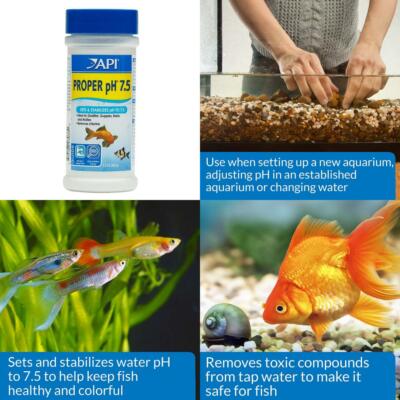
Credit: www.ebay.com
Frequently Asked Questions
What Is An Aquarium Water Ph Stabilizer?
An aquarium water pH stabilizer maintains the tank’s pH level. It prevents sudden changes that can harm fish and plants. This ensures a stable and healthy environment for aquatic life.
Why Is Ph Stability Important In Aquariums?
Stable pH prevents stress and disease in fish. Fluctuating pH harms fish gills and metabolism. Maintaining balance supports healthy growth and vibrant aquatic plants.
How Do I Use A Ph Stabilizer In My Aquarium?
Add the stabilizer according to package instructions. Measure your water’s pH before treatment. Regularly test and adjust as needed to keep pH stable.
Can Ph Stabilizers Harm Aquarium Fish?
When used correctly, pH stabilizers are safe. Overuse or incorrect dosage can cause stress. Always follow instructions to protect your fish and plants.
Conclusion
Maintaining the right pH keeps fish healthy and happy. Water pH can change quickly and harm your aquarium. Using a pH stabilizer helps keep levels steady. This creates a safe home for fish and plants. Regular testing is important to catch changes early.
Simple steps make your aquarium thrive. A stable environment means less stress for your aquatic pets. Keep your water balanced for the best results. Your fish will thank you with vibrant colors and energy.