
Keeping your aquarium clean and healthy is key to a thriving underwater world. You might have beautiful fish and vibrant plants, but without the right aquarium filter, your ecosystem can quickly become unbalanced.
Imagine clear water, happy fish, and a tank that almost takes care of itself—that’s exactly what a good filter can do for you. You’ll discover how the right aquarium filter not only keeps your water sparkling but also creates the perfect environment for your aquatic friends to flourish.
Ready to transform your aquarium into a healthy, vibrant ecosystem? Let’s dive in.
Types Of Aquarium Filters
A clean aquarium is vital for the health of fish and plants. Filters help keep the water clear and safe.
There are different types of aquarium filters. Each type works in a unique way to maintain water quality.
Mechanical Filters
Mechanical filters remove solid waste and particles from the water. They trap debris like uneaten food and fish waste.
This filter type helps keep the water clear and prevents buildup of harmful substances.
- Uses sponges, pads, or floss to trap debris
- Needs regular cleaning to stay effective
- Improves water clarity quickly
Biological Filters
Biological filters use beneficial bacteria to break down harmful chemicals. These bacteria turn waste into less toxic substances.
This filter supports a healthy ecosystem by keeping ammonia and nitrite levels low.
- Houses good bacteria on filter media
- Breaks down toxic ammonia and nitrites
- Works best with stable, mature tanks
Chemical Filters
Chemical filters remove dissolved substances from the water. They use materials that absorb toxins and odors.
These filters help keep the water clear and free of chemicals that can harm fish.
- Uses activated carbon or resins
- Removes odors and discoloration
- Needs regular replacement of filter media
Combination Filters
Combination filters include mechanical, biological, and chemical filtering in one system. They provide complete water cleaning.
This type is popular because it offers balanced water quality and reduces maintenance.
- Combines all three filtering methods
- Supports healthy fish and clear water
- Good for beginners and advanced hobbyists

Credit: www.wiltec.de
Choosing The Right Filter
A clean aquarium keeps fish healthy and water clear. Choosing the right filter is key for a balanced tank.
Filters remove waste and harmful substances. They help keep the water safe and fresh for your fish.
Tank Size Considerations
Filters must match the size of your tank. A small filter in a big tank won’t clean enough water. A large filter in a small tank may cause strong currents.
- Small tanks (under 10 gallons) need gentle filters
- Medium tanks (10-50 gallons) need moderate flow filters
- Large tanks (over 50 gallons) need powerful filters
Fish Species And Bioload
Different fish produce different waste amounts. Bioload means how much waste fish create. More fish or messy eaters need stronger filters.
| Fish Type | Bioload Level | Filter Strength |
| Small peaceful fish | Low | Light |
| Medium active fish | Medium | Moderate |
| Large or messy fish | High | Strong |
Filter Flow Rate
Flow rate shows how much water the filter cleans each hour. Pick a filter with a flow rate 4 to 5 times your tank volume per hour.
- Calculate your tank size in gallons
- Multiply by 4 or 5 for flow rate
- Choose a filter close to this flow rate
Maintenance Requirements
Choose a filter that you can clean easily. Some filters need weekly care. Others work longer between cleanings.
Maintenance tips:
- Rinse filter media with tank water to keep bacteria alive
- Check and replace filter parts as needed
- Keep a cleaning schedule to avoid clogging
Installing Aquarium Filters
Installing an aquarium filter is key for a healthy fish tank. It helps keep the water clean and safe for your aquatic pets.
Proper setup ensures the filter works well and lasts longer. Follow these tips for the best results.
Placement Tips
Place the filter where water flows easily. Avoid spots with low water movement or strong currents that stress fish.
- Keep the filter near the tank’s water surface for oxygen exchange.
- Ensure easy access for cleaning and maintenance.
- Avoid placing the filter where it blocks decorations or hiding places.
- Use a stable surface if it is an external filter.
Setting Up Filter Media
Filter media trap debris and support beneficial bacteria. Use the right media for your tank’s needs.
| Type | Purpose |
| Mechanical | Traps solid waste and particles |
| Chemical | Removes odors and toxins |
| Biological | Supports bacteria for breaking down waste |
Priming The Filter
Priming fills the filter with water before turning it on. It helps avoid damage and starts filtration quickly.
- Fill the filter chamber with aquarium water.
- Check that all tubes and hoses are connected tightly.
- Use the priming button or manual pump if available.
- Turn on the filter and watch for steady water flow.
- Stop and re-prime if the filter stops working or makes noise.
Maintaining Filter Efficiency
An aquarium filter keeps the water clean and healthy for fish. It removes waste and harmful substances. To keep the filter working well, regular care is important.
Good filter efficiency helps maintain a balanced aquarium ecosystem. This supports fish health and water quality.
Cleaning Schedule
Clean the filter parts on a regular schedule. This keeps water flowing smoothly and removes dirt buildup. Avoid cleaning all parts at once to keep beneficial bacteria alive.
- Rinse filter media in tank water every 2-4 weeks
- Clean the intake tube and impeller monthly
- Check for clogs or debris weekly
Replacing Filter Media
Filter media traps waste and supports good bacteria. Replace it based on type and condition. Some media lasts longer, others need frequent changing.
- Replace chemical media like carbon every 3-4 weeks
- Change mechanical media like sponges when torn or clogged
- Keep biological media to preserve beneficial bacteria
Troubleshooting Common Issues
Filters can have problems like low water flow or noise. Check parts and clean if needed. Fix issues quickly to protect fish health.
- Low flow: clean impeller and tubes
- Strange noise: inspect and clean moving parts
- Filter stops: check power and reset if needed
- Cloudy water: review cleaning and media replacement
Benefits Of A Healthy Filter System
A good aquarium filter keeps the water clean and safe for fish. It removes waste and harmful substances. A healthy filter helps maintain a balanced ecosystem inside the tank.
This system supports fish health and makes aquarium care easier. Clean water and stable conditions help fish grow and thrive.
Clear Water And Reduced Toxins
The filter removes dirt, leftover food, and fish waste. This keeps the water clear and pleasant to see. It also lowers harmful chemicals that can hurt fish.
- Removes debris and particles
- Reduces ammonia and nitrate levels
- Prevents water cloudiness
- Improves oxygen levels
Stable Biological Balance
The filter helps friendly bacteria grow. These bacteria break down harmful waste in the water. This process keeps the tank’s ecosystem stable and safe.
| Benefit | Effect |
| Ammonia breakdown | Prevents fish poisoning |
| Nitrite conversion | Reduces toxic buildup |
| Nitrate control | Keeps water safe for fish |
Improved Fish Health
Clean water and balanced conditions reduce fish stress. Healthy fish are less likely to get sick. Proper filtration supports fish growth and activity.
- Prevents diseases by removing toxins
- Supports strong immune systems
- Encourages natural behavior and feeding

Credit: www.amazon.com
Advanced Filtration Techniques
Keeping an aquarium healthy requires effective filtration. Advanced techniques help maintain water quality. This ensures a balanced ecosystem for fish and plants.
Different filters remove impurities. They also reduce harmful bacteria. Advanced filters are efficient and suitable for larger aquariums.
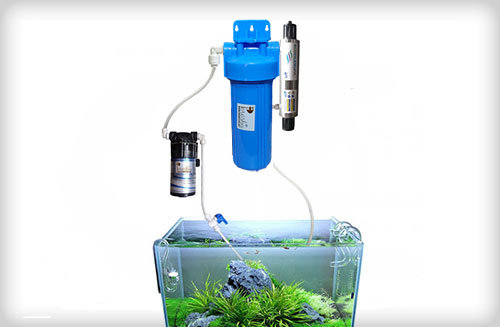
Uv Sterilizers
UV sterilizers use ultraviolet light. This light kills bacteria and algae in the water. It is a safe and chemical-free method.
They are easy to install. Regular maintenance ensures they work well. UV sterilizers are effective for clear water.
Protein Skimmers
Protein skimmers remove organic waste. They create bubbles that trap waste particles. This process helps prevent buildup in the aquarium.
They are essential for saltwater tanks. Protein skimmers keep water cleaner and healthier. They help control the nitrogen cycle.
Wet/dry Filters
Wet/dry filters provide biological filtration. They use a combination of wet and dry areas. This increases beneficial bacteria growth.
These filters are efficient for large tanks. They maintain a stable ecosystem. Wet/dry filters handle high waste levels well.
Credit: www.irawaters.net
Frequently Asked Questions
What Is The Role Of An Aquarium Filter?
An aquarium filter removes waste, toxins, and debris from water. It maintains water clarity and quality. This helps create a healthy environment for fish and plants.
How Often Should I Clean My Aquarium Filter?
Clean your aquarium filter every 2 to 4 weeks. Avoid over-cleaning to preserve beneficial bacteria. Regular maintenance ensures efficient filtration and a healthy ecosystem.
Which Type Of Filter Is Best For A Freshwater Aquarium?
Canister and hang-on-back filters are best for freshwater tanks. They provide mechanical, biological, and chemical filtration. Choose based on tank size and fish species.
Can An Aquarium Filter Prevent Fish Diseases?
Yes, a good filter reduces harmful bacteria and toxins. It lowers stress for fish by keeping water clean. This helps prevent common aquatic diseases.
Conclusion
A good aquarium filter keeps water clean and fish healthy. It removes dirt, waste, and harmful chemicals. Clean water helps plants grow and fish stay happy. Choosing the right filter fits your tank size and fish needs. Regular filter care keeps your aquarium fresh and balanced.
A healthy tank means less disease and more fun watching fish swim. Trust your filter to create a safe home for your aquatic pets. Simple steps can make a big difference in your aquarium’s life.