
Are you looking to give your fish the best nutrition possible? Choosing the right frozen fish food can make a big difference in their health and happiness.
But with so many types available, it’s easy to feel overwhelmed. This guide will help you understand the most popular frozen fish food options, so you can pick the perfect one for your aquatic friends. Keep reading to discover how the right food can boost your fish’s energy, color, and overall well-being!

Credit: petsplusmag.com
Benefits Of Frozen Fish Food
Frozen fish food offers many benefits for fish keepers and their aquatic pets. It helps maintain good health and supports balanced diets.
Using frozen fish food can save time and reduce risks compared to live or dry food options. It is a popular choice among hobbyists and professionals alike.
Nutritional Advantages
Frozen fish food keeps nutrients locked in at the time of freezing. This preserves vitamins and minerals essential for fish growth and vitality.
- Retains natural proteins and fats
- Contains fewer preservatives than dry food
- Supports immune system health
- Provides a diet closer to what wild fish eat
Convenience And Storage
Frozen fish food stores easily in freezers and lasts a long time without spoiling. It comes in ready-to-use portions that reduce waste.
| Benefit | Details |
|---|---|
| Long Shelf Life | Can be kept frozen for months without losing quality |
| Easy Portioning | Pre-packaged sizes help avoid overfeeding |
| Minimal Preparation | Quick to thaw and feed to fish |
Reduced Contamination Risks
Frozen fish food lowers the chance of spreading diseases. Freezing kills many harmful bacteria and parasites found in live food.
Key points about contamination risks:
- Freezing stops parasite growth
- Less chance of introducing pathogens
- Safer than feeding wild-caught live food
- Maintains cleaner aquarium environment
Common Frozen Fish Food Types
Frozen fish food is a convenient and nutritious option for feeding aquarium fish. It helps provide essential nutrients and mimics natural diets.
Different types of frozen foods offer varied benefits. Each type suits different fish species and feeding needs.
Bloodworms
Bloodworms are larvae of midge flies. They have a bright red color and are rich in protein. Many fish enjoy bloodworms as a treat or regular food source.
Brine Shrimp
Brine shrimp are small crustaceans. They are easy to digest and provide good nutrition. Brine shrimp help support growth and color in fish.
Daphnia
Daphnia, also called water fleas, are tiny freshwater crustaceans. They are high in fiber and help with fish digestion. Daphnia is often used to feed smaller or herbivorous fish.
- Good for digestion
- Low fat content
- Rich in fiber
- Suitable for herbivores
Mysis Shrimp
Mysis shrimp are small, shrimp-like crustaceans found in cold waters. They provide high protein and omega-3 fatty acids. Many carnivorous fish prefer mysis shrimp due to their rich nutrition.
Krill
| Feature | Description |
|---|---|
| Size | Small, shrimp-like crustacean |
| Nutritional Value | High in protein and antioxidants |
| Benefits | Supports fish color and health |
| Best For | Carnivorous and omnivorous fish |
Choosing The Right Food For Your Fish
Feeding your fish the right frozen food helps keep them healthy. Different fish need different types of food.
This guide explains how to pick frozen fish food based on species, size, and feeding habits.
Dietary Needs By Species
Each fish species has unique dietary needs. Carnivores eat mostly meat. Herbivores prefer plant-based foods. Omnivores eat both.
- Carnivores need frozen shrimp, bloodworms, or small fish.
- Herbivores enjoy frozen peas, algae, or spinach.
- Omnivores benefit from mixed frozen food with meat and plants.
Size And Feeding Habits
Small fish eat tiny food pieces. Larger fish need bigger chunks. Some fish like slow sinking food. Others prefer fast sinking.
| Fish Size | Food Type | Feeding Habit |
|---|---|---|
| Small | Finely chopped frozen food | Frequent small meals |
| Medium | Frozen pellets or chunks | Moderate feeding times |
| Large | Whole frozen fish or large pieces | Less frequent, larger meals |
Frequency And Quantity
Feed your fish the right amount to avoid waste and health issues. Young fish eat more often than adults.
- Feed small amounts two to three times a day.
- Give adult fish one to two meals daily.
- Remove leftover food after 5 minutes.
- Adjust feeding based on fish activity and appetite.
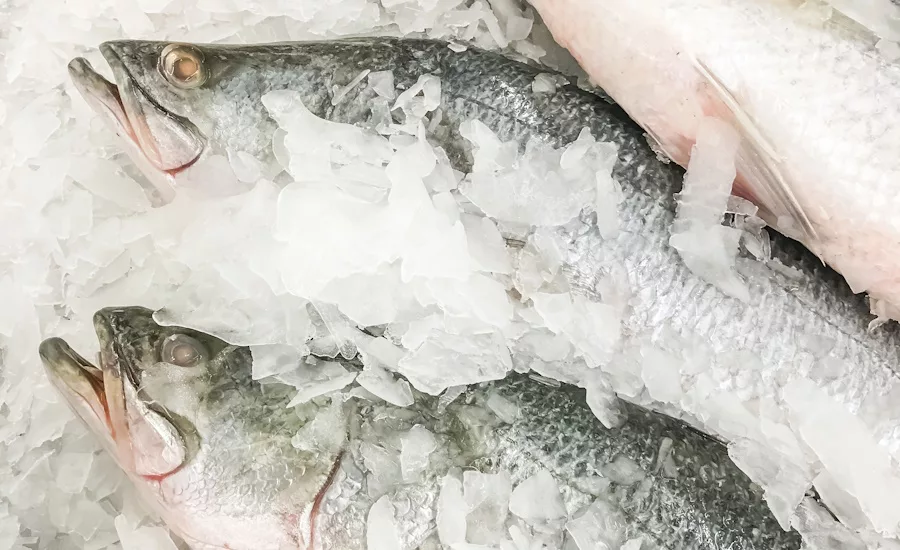
Credit: www.food-safety.com
Preparing Frozen Fish Food
Frozen fish food keeps nutrients safe for your fish. Proper preparation helps fish eat well and stay healthy.
Learn how to thaw, portion, and feed frozen fish food correctly for best results.
Thawing Methods
Thaw frozen fish food slowly to keep nutrients intact. Use cold water or room temperature to thaw safely.
- Place frozen food in a sealed bag and submerge in cold water.
- Let the food thaw for 10 to 20 minutes.
- Do not use hot water; it can damage the food.
- Avoid thawing at room temperature for too long to prevent bacteria growth.
Portioning Tips
Feed your fish the right amount by cutting frozen food into small pieces. This helps prevent waste and keeps the water clean.
| Fish Size | Portion Size | Feeding Frequency |
| Small | Pea-sized piece | 2-3 times daily |
| Medium | Cherry-sized piece | 2 times daily |
| Large | Grape-sized piece | Once or twice daily |
Avoiding Overfeeding
Overfeeding can pollute the tank and harm fish health. Watch your fish during feeding to give just enough food.
- Feed only what fish can eat in 2-3 minutes.
- Remove uneaten food promptly.
- Adjust portions if fish leave food behind.
- Keep a feeding schedule and stick to it.
Storing Frozen Fish Food
Frozen fish food needs proper storage to keep it fresh and safe. Good storage stops spoilage and keeps nutrients intact.
Follow clear steps to store frozen fish food correctly. This helps your fish stay healthy and enjoy their food.
Proper Freezing Techniques
Freeze fish food quickly to keep its quality. Use airtight containers or sealed bags to avoid freezer burn.
Label each package with the date before freezing. This helps track how long the food has been stored.
- Use small portions for easier thawing
- Remove as much air as possible from bags
- Keep the freezer at 0°F (-18°C) or below
- Freeze food soon after purchase or preparation
Shelf Life Considerations
Frozen fish food can last several months if stored well. Over time, nutrients and taste may reduce.
Check the type of food to know how long it lasts. Some foods freeze better and last longer than others.
- Frozen bloodworms: up to 3 months
- Frozen brine shrimp: 2 to 3 months
- Frozen daphnia: 1 to 2 months
- Mixed frozen foods: 1 to 3 months
Handling And Hygiene
Always wash hands before handling frozen fish food. Clean tools and containers prevent contamination.
Thaw frozen food in the fridge or cold water. Avoid leaving food out at room temperature for a long time.
- Use clean utensils to take out food
- Do not refreeze thawed food
- Keep frozen food separate from raw meat
- Store food in clean, sealed containers
Mixing Frozen Food With Other Diets
Frozen fish food provides essential nutrients for your fish. Mixing it with other diets can enhance their health and vitality.
Understanding how to combine frozen food with different diet types is key to a balanced feeding regimen.
Combining With Dry Pellets
Dry pellets are a staple in many fish diets. Mixing them with frozen food can provide variety and nutrition.
- Start with a small amount of frozen food.
- Mix thoroughly with the dry pellets.
- Observe your fish’s reaction and adjust as needed.
Incorporating Live Food
Live food adds excitement and natural hunting behaviors in fish. Balance it with frozen food for optimal health.
Live food options include:
- Brine shrimp
- Bloodworms
- Microworms
Balancing Nutrients
Balancing nutrients ensures fish grow healthy and vibrant. Use a mix of different food types to achieve this.
| Food Type | Benefits |
| Frozen | Rich in proteins |
| Dry Pellets | Convenient and long-lasting |
| Live Food | Stimulates natural behavior |
Common Mistakes To Avoid
Feeding frozen fish food is common for aquariums. Mistakes can harm fish health. Learn how to avoid these mistakes.
Follow these guidelines for a healthy aquarium. Each section explains a common mistake and how to fix it.
Feeding Too Much
Overfeeding is a big problem. Fish only need a small amount of food. Too much food can dirty the water.
- Feed small portions, just what fish can eat in 2 minutes.
- Remove leftover food to keep water clean.
- Observe fish to adjust food quantity.
Ignoring Fish Preferences
Different fish have different food needs. Some fish are carnivores, others are herbivores.
| Type of Fish | Preferred Diet |
| Goldfish | Omnivore |
| Betta | Carnivore |
| Pleco | Herbivore |
Choose food based on fish type. This keeps them healthy and active.
Improper Storage
Store frozen fish food correctly to keep it fresh. Improper storage can spoil food.
Check the expiration date before feeding your fish. This ensures food quality and safety.
.png)
Credit: www.highliner.com
Frequently Asked Questions
What Are The Common Types Of Frozen Fish Food?
Frozen fish food includes bloodworms, brine shrimp, daphnia, and mysis shrimp. These provide essential nutrients and mimic natural diets. Each type supports different fish species and promotes healthy growth and coloration.
How To Choose The Best Frozen Fish Food?
Select frozen fish food based on your fish species and dietary needs. Consider protein content, size, and variety. Always buy from reputable brands to ensure freshness and avoid contamination.
Can Frozen Fish Food Replace Dry Fish Food?
Frozen fish food can supplement but not fully replace dry food. It offers higher moisture and nutrients, enhancing diet variety. Combining both ensures balanced nutrition and maintains fish health.
How To Store Frozen Fish Food Properly?
Store frozen fish food in airtight containers or sealed bags. Keep it in the freezer at consistent temperatures. Avoid repeated thawing to maintain nutritional quality and prevent spoilage.
Conclusion
Frozen fish food offers many healthy options for your aquatic pets. Different types meet different fish needs and preferences. Choosing the right type helps keep fish active and strong. Store frozen food properly to keep it fresh and safe. Try small amounts first to see what your fish enjoy.
Feeding frozen food can improve fish health and color. Remember, variety in diet keeps fish happy and balanced. Explore frozen fish food types to find the best fit. Your fish will thank you with vibrant energy and growth.