
Are you tired of fish food floating all over your tank, making a mess and stressing your fish? Finding the right fish feeding dishes can change how you care for your aquatic friends.
With the perfect dish, feeding becomes cleaner, easier, and more enjoyable for both you and your fish. You’ll discover simple tips to choose the best feeding dishes that keep your tank tidy and your fish happy. Keep reading to transform your fish-feeding routine for good!

Credit: www.amazon.com
Benefits Of Fish Feeding Dishes
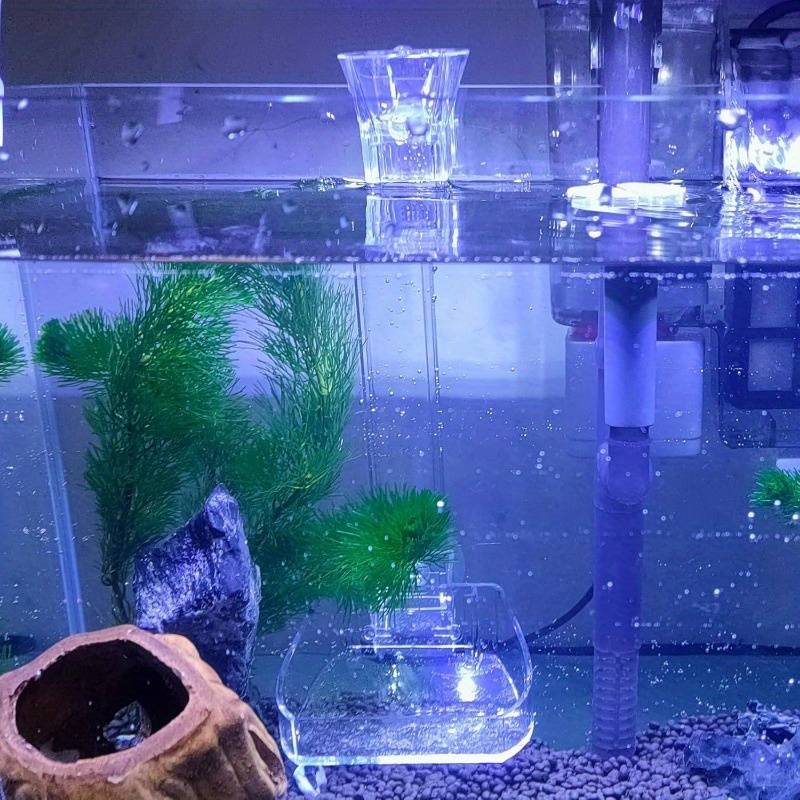
Fish feeding dishes help improve how fish eat and how clean the tank stays. They make feeding easier and better for the fish.
Using feeding dishes can also reduce wasted food and keep the water healthy. These benefits help maintain a good environment for fish.
Improved Feeding Habits
Fish feeding dishes guide fish to eat in one place. This helps fish learn to come to the dish for food.
Feeding dishes reduce competition and stress among fish during feeding time.
Reduced Food Waste
Food stays in the dish instead of spreading around the tank. This means less food gets lost or wasted.
- Less uneaten food on the tank floor
- Better control of food amount
- Cost savings by using less food
Maintaining Water Quality
Cleaner tanks help fish stay healthy. Feeding dishes stop food from spreading and rotting in the water.
| Water Quality Factor | Effect of Feeding Dishes |
| Waste Build-up | Reduced |
| Algae Growth | Lowered |
| Water Clarity | Improved |
| Fish Health | Better |
Credit: theraleighbeergarden.com
Types Of Fish Feeding Dishes
Fish feeding dishes help keep food in one place for your fish. They come in many styles and designs. Choosing the right dish can improve feeding time and reduce waste.
Some dishes float on water, while others stay at the bottom. You can also find automatic feeders or make your own feeding solutions. Each type has its benefits for different fish tanks.
Floating Feeding Rings
Floating feeding rings keep food on the water surface. They stop food from spreading all over the tank. These rings are easy to clean and move freely with water currents.
Weighted Feeding Bowls
Weighted feeding bowls sink to the bottom and stay in place. They are good for bottom-feeding fish. These bowls prevent food from drifting away and keep the tank cleaner.
- Made from heavy materials like ceramic or stone
- Easy to clean and refill
- Good for gravel or sand substrate
- Helps reduce food waste
Automatic Feeders
Automatic feeders release food at set times. They are perfect for busy fish owners. These devices come in many sizes and can hold dry food or flakes.
| Feature | Benefit |
| Timer Settings | Feeds fish on schedule |
| Food Capacity | Holds enough food for days |
| Easy to Use | Simple to fill and clean |
Diy Feeding Solutions
You can make your own feeding dishes with household items. This saves money and allows custom shapes. Use safe materials that do not harm fish or water.
Common DIY feeding dish ideas include:
- Plastic bottle caps
- Small ceramic plates
- Spoon-shaped dishes
- Recycled containers cleaned well
Materials Used For Feeding Dishes
Feeding dishes for fish come in different materials. Each type offers unique benefits and care needs.
Choosing the right material helps keep your fish safe and makes feeding easy.
Ceramic And Porcelain
Ceramic and porcelain dishes are popular for feeding fish. They have a smooth surface that is easy to clean.
These dishes do not react with water or food. They come in many shapes and colors, making them attractive.
Plastic Options
Plastic dishes are lightweight and affordable. They are easy to handle and less likely to break if dropped.
Choose BPA-free plastic to keep fish safe. Some plastics can stain or hold odors over time.
Stainless Steel Benefits
Stainless steel dishes last a long time. They resist rust and are very strong.
These dishes are easy to clean and do not absorb smells. They are good for many types of fish tanks.
Eco-friendly Choices
Eco-friendly dishes use natural or recycled materials. They help reduce waste and pollution.
Materials like bamboo or biodegradable plastics are safe for fish and the planet. They break down faster after use.

Credit: www.amazon.com
Choosing The Right Dish For Your Fish
Feeding your fish properly starts with picking the right dish. The dish should match your fish’s needs and tank setup.
A good dish helps keep the tank clean and makes feeding easier for you and your fish.
Consider Fish Size And Species
Different fish have different mouths and eating habits. Small fish need shallow dishes. Large fish need bigger, deeper dishes.
- Small fish like tetras need flat, wide dishes.
- Bottom feeders like catfish prefer bowls with low edges.
- Large fish like cichlids need sturdy dishes that don’t tip over.
Tank Size And Setup
Your tank size and decoration affect dish choice. A small tank needs a compact dish. Large tanks can hold bigger dishes.
| Tank Size | Recommended Dish Type | Notes |
| Less than 10 gallons | Small, flat dish | Fits well, easy to clean |
| 10 to 30 gallons | Medium bowl or plate | More space for bigger dishes |
| Over 30 gallons | Large bowl or feeding ring | Stable, prevents food spill |
Feeding Frequency And Quantity
How often and how much you feed matters. Choose dishes that help control food amount and keep water clean.
Tips for feeding dishes:
- Use smaller dishes for multiple small feedings daily.
- Use larger dishes if feeding once a day with more food.
- Choose dishes that are easy to remove for cleaning.
Maintaining And Cleaning Feeding Dishes
Keeping fish feeding dishes clean is key to a healthy tank. Dirty dishes can harm fish and water quality.
Regular cleaning stops bacteria and algae from growing on feeding dishes. This guide helps you maintain dishes well.
Daily Cleaning Tips
Clean feeding dishes every day to remove leftover food. This keeps the water safe and your fish healthy.
- Remove uneaten food after feeding
- Rinse dishes with warm water daily
- Use a soft brush to scrub away debris
- Dry dishes before placing back in the tank
Preventing Algae Build-up
Algae grow quickly on feeding dishes if left dirty. Prevent algae by cleaning and managing light exposure.
| Tip | Action |
| Reduce Light | Limit tank light to 8-10 hours daily |
| Regular Cleaning | Scrub dishes twice a week |
| Water Changes | Change 10-15% of tank water weekly |
| Algae Eaters | Add fish or snails that eat algae |
Safe Cleaning Products
Use cleaning products that do not harm fish or tank water. Avoid harsh chemicals and soaps.
Recommended safe cleaners include:
- White vinegar diluted with water
- Baking soda paste for scrubbing
- Boiling water to sterilize dishes
Never use bleach or detergents on feeding dishes. Rinse dishes well before use.
Top Picks For Healthy And Happy Fish
Choosing the right feeding dish for your fish is important. It keeps them healthy and happy. Fish need the right amount of food, and a good dish helps with this.
This guide will help you find the best feeding dishes. We cover a range of options for every budget.
Best Overall Feeding Dish
The best overall feeding dish should be durable and easy to clean. Look for dishes that fit well in your tank and are made of safe materials.
- Durable materials like ceramic or stainless steel
- Easy to clean design
- Non-toxic and safe for fish
Budget-friendly Options
If you are on a budget, there are still good choices. Plastic dishes are affordable and can be found in many pet stores.
| Material | Pros | Cons |
| Plastic | Cheap | May scratch easily |
| Silicone | Flexible | Less durable |
Premium High-quality Picks
For those wanting top quality, premium dishes offer superior features. These may include weighted bases and attractive designs.
User Favorites And Reviews
Many users love dishes that are easy to handle. Reviews often highlight dishes that reduce mess and make feeding time enjoyable.
- High customer ratings
- Positive reviews about ease of use
- Recommendations for specific brands
Frequently Asked Questions
What Are The Best Materials For Fish Feeding Dishes?
Ceramic and stainless steel are ideal for fish feeding dishes. They are non-toxic, easy to clean, and durable. Avoid plastic, as it may release harmful chemicals. Glass dishes are also safe but can break easily.
How Often Should I Clean Fish Feeding Dishes?
Clean fish feeding dishes daily to prevent bacteria buildup. Rinse thoroughly with warm water and mild soap. Avoid harsh chemicals that can harm fish. Regular cleaning helps maintain water quality and fish health.
Can Fish Feeding Dishes Improve Feeding Habits?
Yes, fish feeding dishes help control food portions and reduce waste. They encourage fish to eat from a specific spot. This practice prevents overfeeding and keeps the aquarium clean, promoting healthier fish behavior.
Where Should I Place Fish Feeding Dishes In The Tank?
Place feeding dishes near aquarium plants or decorations to mimic natural feeding spots. Ensure easy access for fish and avoid strong water currents. Positioning dishes strategically helps fish find food quickly and reduces uneaten leftovers.
Conclusion
Choosing the right fish feeding dish helps keep your tank clean. It also controls how much food your fish get. This prevents overfeeding and keeps fish healthy. Different dishes fit different types of fish and tanks. Pick one that suits your needs and budget.
Small changes can make feeding easier and more fun. Healthy fish start with good feeding habits. Try a fish feeding dish today and see the difference.