
If you want your aquarium to stay clean and your fish to stay healthy, the right filter setup is key. But simply having a filter isn’t enough—you need to make sure it’s working at its best.
You’ll discover practical tips to boost your aquarium filter’s efficiency. These easy steps can save you time, reduce stress, and create a clearer, fresher home for your aquatic friends. Keep reading to learn how small changes can make a big difference in your tank’s health.
Choosing The Right Filter
Choosing the right aquarium filter is key to keeping water clean. Good filtration helps fish stay healthy and happy.
Filters remove waste, toxins, and debris from the water. Picking the right type and size ensures your aquarium works well.
Types Of Aquarium Filters
There are several filter types for aquariums. Each type works best for different tank setups and fish species.
- Hang-on-back filters hang outside the tank and use a pump to pull water through media.
- Canister filters sit under the tank and offer strong mechanical and biological filtration.
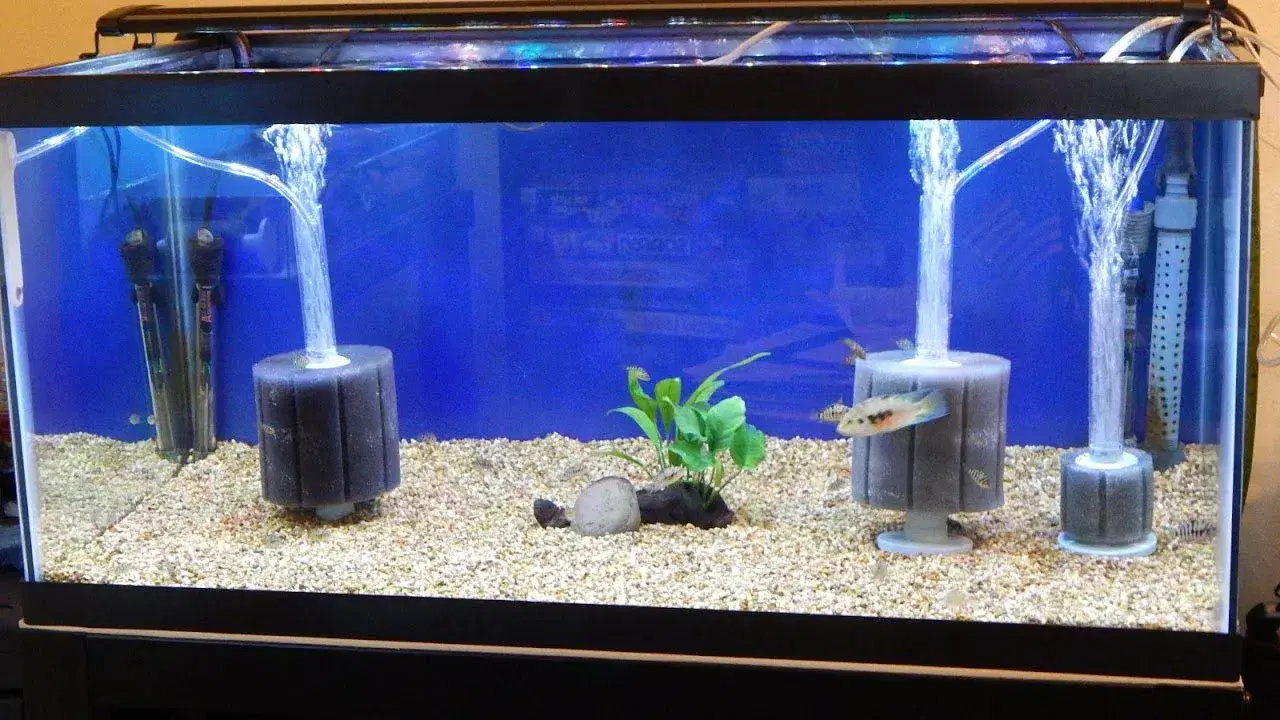
- Sponge filters use air to push water through a sponge, great for small or planted tanks.
- Internal filters sit inside the tank and are easy to install for small aquariums.
- Undergravel filters pull water through gravel, providing biological filtration.
Filter Size And Capacity
Filter size affects how well it cleans the aquarium water. Too small a filter may not keep water clear.
| Filter Size | Tank Size (Gallons) | Notes |
| Small | Up to 20 | Best for small tanks with few fish |
| Medium | 20-50 | Suitable for most home aquariums |
| Large | 50+ | Needed for large tanks or heavy fish loads |
Matching Filter To Tank Size
Match the filter flow rate to your tank size. The filter should process all the water several times each hour.
- Calculate your tank’s volume in gallons.
- Choose a filter with a flow rate at least 4 times the tank volume per hour.
- Consider fish types; more fish need stronger filtration.
- Check filter media types for mechanical, chemical, and biological cleaning.
- Ensure the filter fits your tank’s shape and setup.
Proper Filter Placement
Placing your aquarium filter correctly helps keep water clean and fish healthy.
Good filter placement improves water flow and removes waste effectively.
Ideal Positioning In Tank
Position the filter where it can draw water from all tank areas. Avoid corners or spots with little circulation.
- Place the filter intake near the bottom for debris removal.
- Keep the output near the water surface to increase oxygen.
- Ensure the filter is easy to reach for maintenance.
- Avoid blocking decorations or plants with the filter.
- Keep the filter away from strong currents that disturb fish.
Water Flow Optimization
Good water flow spreads clean water evenly and removes toxins faster.
| Filter Output Position | Effect on Water Flow |
| Near Surface | Increases oxygen and surface agitation |
| Mid-Level | Circulates water evenly through tank |
| Bottom | Helps remove debris and waste |
| Corner | May reduce water movement in some areas |
Regular Filter Maintenance
Keeping your aquarium filter clean helps your fish stay healthy. Regular maintenance stops dirt and waste from building up.
Clean filters work better and last longer. This guide shares tips on how to care for your filter properly.
Cleaning Frequency
Check your filter every two weeks. Some tanks need cleaning more often if they have many fish.
Cleaning too late can cause clogs. Clean too often and you may remove helpful bacteria.
- Inspect your filter every 1-2 weeks
- Adjust cleaning based on fish load and tank size
- Watch for slower water flow as a sign to clean
Replacing Filter Media
Filter media traps dirt and helps good bacteria grow. Replace it to keep the filter working well.
Follow the media’s lifespan guide. Change only part of the media at once to keep bacteria strong.
- Replace mechanical media (sponges) every 3-4 weeks
- Change chemical media (carbon) every 4-6 weeks
- Swap biological media less often to protect bacteria
Avoiding Over-cleaning
Cleaning your filter too much can harm helpful bacteria. These bacteria keep water safe for fish.
Rinse filter parts in tank water, not tap water. Tap water can kill good bacteria.
- Do not clean filter media every week
- Use tank water to rinse media gently
- Keep some old media to keep bacteria alive
Credit: aquadecorbackgrounds.com
Enhancing Biological Filtration
Biological filtration is key to keeping aquarium water clean. It uses good bacteria to break down fish waste and toxins.
Improving this process helps keep fish healthy and water clear. Focus on growing bacteria and using filter media well.
Beneficial Bacteria Growth
Beneficial bacteria convert harmful ammonia into less harmful nitrate. These bacteria live on surfaces inside the filter.
To grow bacteria, keep the filter running continuously. Avoid cleaning the filter too much or using chemicals that kill bacteria.
- Keep water temperature stable for bacteria growth
- Use established filter media to add bacteria quickly
- Do partial water changes to keep ammonia low
- Do not clean filter media with tap water
Using Bio Media Effectively
Bio media provides a large surface area for bacteria to grow. Choose media that has many tiny holes or rough textures.
Place bio media in the filter where water flows well. This helps bacteria get oxygen and nutrients they need to work.
- Use ceramic rings, bio balls, or sponges as bio media
- Rinse media gently in tank water to clean
- Replace old bio media slowly to keep bacteria alive
- Do not overpack the filter to allow water flow
Improving Mechanical Filtration
Mechanical filtration removes solid waste and particles from aquarium water. It helps keep water clear and healthy for fish.
Good mechanical filtration reduces debris that can harm your tank’s environment. Choosing the right media and maintaining it is key.
Choosing The Right Mechanical Media
Select media that traps particles without blocking water flow. Common types include sponge, floss, and foam pads.
- Sponge: Durable and easy to clean, traps large debris.
- Filter Floss: Fine fibers catch tiny particles.
- Foam Pads: Good for moderate filtration and flow.
- Polyester Pads: Affordable and replaceable media.
Match the media size and texture to your tank’s needs. Thicker media traps more, but may slow water flow.
Preventing Clogs And Blockages
Clogs reduce filter efficiency and can harm fish. Clean mechanical media regularly to avoid blockages.
| Cause | Effect | Prevention |
| Excess debris | Slows water flow | Rinse media weekly |
| Old media buildup | Blocks filter intake | Replace media monthly |
| Improper media size | Traps too much debris | Choose correct media type |

Credit: m.youtube.com
Optimizing Chemical Filtration
Efficient aquarium filters keep water clean. Chemical filtration is key to removing impurities. It helps maintain a healthy aquatic environment.
Using the right chemical media improves water quality. It reduces harmful substances and keeps fish healthy.
Activated Carbon Uses
Activated carbon is popular in aquariums. It removes odors and discoloration. It absorbs harmful chemicals from the water.
Replace activated carbon regularly. Old carbon can release impurities back into the water. This keeps the filter working well.
- Change carbon every 4-6 weeks
- Rinse carbon before use to remove dust
- Use in combination with other filter types
Other Chemical Media Options
Beyond activated carbon, other media can enhance filtration. Zeolite removes ammonia, which is toxic to fish.
Phosphate removers prevent algae growth. They keep the aquarium looking clear and healthy.
| Media Type | Purpose |
| Zeolite | Removes ammonia |
| Phosphate Removers | Prevent algae growth |
Maintaining Water Quality
Keeping your aquarium’s water clean is vital for fish health. It requires regular attention and proper care.
Follow these tips to ensure your fish thrive in a healthy environment.
Regular Water Testing
Testing water regularly helps detect harmful changes. It ensures a safe home for your aquatic pets.
- Use a reliable water testing kit
- Check pH levels weekly
- Monitor ammonia and nitrate levels
- Record results to track changes
Balanced Feeding Practices
Feeding your fish the right amount prevents waste buildup. This keeps the water clean and balanced.
| Food Type | Frequency |
| Flakes | Once a day |
| Pellets | Twice a week |
| Frozen Food | Once a week |
Upgrading Filter Technology
Upgrading your aquarium filter can improve water quality. New filters clean better and work faster.
Better filters help keep fish healthy. They remove dirt, waste, and harmful chemicals efficiently.
Advanced Filter Features
Modern filters have features that improve cleaning. Some use multiple stages to trap different waste types.
Many filters now include bio-media to support helpful bacteria. These bacteria break down toxic substances naturally.
- Multi-stage filtration for better cleaning
- Bio-media support for natural toxin breakdown
- Adjustable flow rates to suit tank size
- Easy-to-clean designs for less maintenance
Energy Efficiency Tips
Energy-efficient filters save electricity and reduce costs. They use less power but still clean well.
Choose filters with energy-saving motors. Look for models with low wattage and good flow control.
- Pick filters with energy-saving motors
- Use timers to run filters only when needed
- Keep filters clean to maintain efficiency
- Match filter size to aquarium volume

Credit: m.youtube.com
Frequently Asked Questions
How Often Should I Clean My Aquarium Filter?
Clean your aquarium filter every 2 to 4 weeks. Regular cleaning prevents clogging and maintains water flow. Avoid over-cleaning to preserve beneficial bacteria. Use aquarium water for rinsing filter media to keep helpful microbes alive. Consistent maintenance ensures efficient filtration and healthy fish.
What Type Of Filter Is Best For Freshwater Tanks?
For freshwater tanks, canister and hang-on-back filters work best. They offer mechanical, biological, and chemical filtration. Choose a filter rated for your tank size. Efficient filtration keeps water clear and fish healthy. Always match filter capacity to aquarium volume.
How Can I Improve My Aquarium Filter’s Efficiency?
Improve filter efficiency by regular media replacement and cleaning. Use multiple media types for mechanical, chemical, and biological filtration. Avoid overfeeding fish to reduce waste load. Ensure proper water flow and avoid overcrowding. These steps enhance water quality and filter performance.
Why Is Biological Filtration Important In Aquariums?
Biological filtration breaks down harmful ammonia and nitrites into less toxic nitrates. Beneficial bacteria colonize filter media for this process. It maintains a stable and safe environment for fish. Without it, toxic buildup can harm aquatic life. Effective biological filtration is key for tank health.
Conclusion
Keeping your aquarium filter clean helps fish stay healthy and happy. Change filter media regularly to keep water clear. Check the filter’s flow to avoid blockages or slowdowns. Use the right filter size for your tank. Simple steps like these improve filter efficiency daily.
Enjoy a bright, clean aquarium with little effort. Small habits lead to big benefits for your fish.