
If you want your discus fish to thrive and show their true colors, what you feed them matters more than you might think. Choosing the right discus fish food is key to their healthy growth and vibrant appearance.
You’ll discover simple, effective tips to keep your discus fish strong and lively. By understanding their unique dietary needs, you can avoid common mistakes and give your fish the best chance to flourish. Keep reading to unlock the secrets that will transform your aquarium into a stunning underwater paradise.

Credit: www.ebay.ca
Essential Nutrients For Discus Fish
Discus fish need the right food to grow strong and stay healthy. Their diet must have key nutrients to support their body and immune system.
Feeding discus fish with balanced nutrients helps them swim actively and show bright colors. Each nutrient plays a special role in their health.
Proteins For Muscle Development
Proteins help build and repair muscle tissues in discus fish. They are vital for growth and strength.
Good protein sources include bloodworms, brine shrimp, and specially made pellets. These foods support muscle development well.
Fats For Energy And Vitality
Fats provide energy that discus fish use for swimming and daily activities. They also keep the fish lively and healthy.
Fish oils and natural fats in their food help maintain vitality. A proper amount of fats is important to avoid health problems.
Vitamins And Minerals For Immunity
Vitamins and minerals strengthen the immune system of discus fish. They protect fish from diseases and infections.
Vitamin C, vitamin D, calcium, and potassium support bone health and immune defense. These nutrients keep discus fish healthy.
- Vitamin C helps heal wounds and fight infections
- Vitamin D aids calcium absorption for strong bones
- Calcium supports bone and scale strength
- Potassium maintains proper cell function
Importance Of Fiber In Diet
Fiber helps discus fish digest their food well. It supports a healthy gut and reduces waste buildup.
Vegetables and plant-based ingredients add fiber to their diet. Proper fiber keeps discus fish comfortable and active.
Types Of Discus Fish Food
Discus fish need varied food for healthy growth. Feeding them the right diet helps keep them strong.
Different types of food offer nutrients that support their colors and energy. Choose food carefully.
Live Food Options
Live food is natural and rich in protein. It stimulates the discus fish’s hunting instincts.
Common live foods include bloodworms, brine shrimp, and daphnia. These help improve growth and color.
- Bloodworms: High protein, easy to digest
- Brine Shrimp: Small, nutritious, and energy-rich
- Daphnia: Good for digestion and immune system
Frozen And Freeze-dried Choices
Frozen and freeze-dried foods keep nutrients well. They are safer than live food for some tanks.
These foods are easy to store and use. They include frozen bloodworms and freeze-dried krill.
- Frozen Bloodworms: Retain protein and vitamins
- Freeze-Dried Krill: Rich in minerals and protein
- Frozen Brine Shrimp: Good for young discus fish
High-quality Pellets And Flakes
Pellets and flakes are convenient and balanced. They contain vitamins, minerals, and proteins for growth.
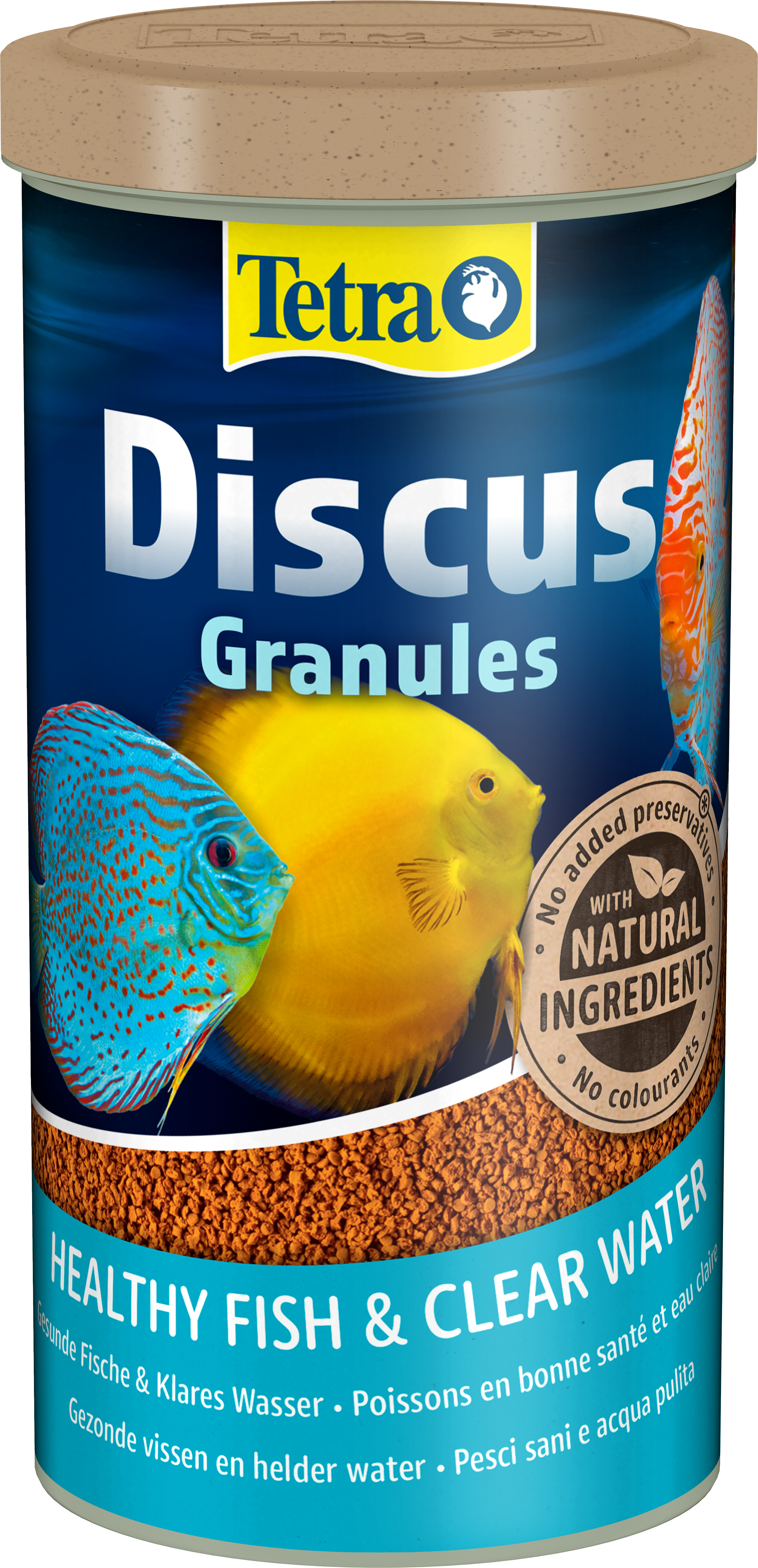
Choose pellets made for discus fish. They keep water clean and reduce waste.
- Discus-specific pellets: Nutrient-rich and digestible
- Flakes: Easy to eat for small fish
- Floating pellets: Good for surface feeding
Vegetable-based Supplements
Vegetables add fiber and vitamins to discus diets. They help with digestion and color.
Common supplements are spinach, peas, and spirulina. These can be given fresh or freeze-dried.
- Spinach: High in vitamins and fiber
- Peas: Help clear the digestive tract
- Spirulina: Boosts color and immunity
Feeding Frequency And Portions
Proper feeding is essential for discus fish health and growth. Feeding them the right amount at the right times keeps them strong.
Feeding too much or too little can cause health problems. Learn how often to feed and how much to give.
Daily Feeding Schedules
Discus fish need regular feeding to maintain their energy and growth. Feeding them two to three times a day works well.
Smaller meals spread out during the day help keep water clean and fish healthy.
- Feed young discus 3 times daily for steady growth
- Adult discus can be fed 2 times daily
- Use small portions to avoid leftover food
Adjusting Portions By Age And Size
Young discus eat more often and need more food by body size. Adults eat less but need balanced nutrition.
Adjust portions as fish grow to avoid waste and health issues.
- Fry and juveniles: feed small portions often
- Sub-adults: increase portion size moderately
- Adults: feed larger portions less frequently
Signs Of Overfeeding And Underfeeding
Watch your discus for signs of too much or too little food. These signs help you adjust feeding routines.
Healthy fish have good color and swim actively. Changes can mean feeding problems.
- Overfeeding signs: cloudy water, leftover food, bloated fish
- Underfeeding signs: thin fish, slow growth, low energy
- Adjust food amount if you notice these signs
Credit: www.tetra.net
Improving Food Quality For Better Growth
Discus fish need good food to grow healthy and strong. The quality of their food affects their colors and energy.
Feeding discus fish with fresh and nutritious food helps them stay active and live longer. It is important to choose the right ingredients and avoid harmful additives.
Choosing Fresh Ingredients
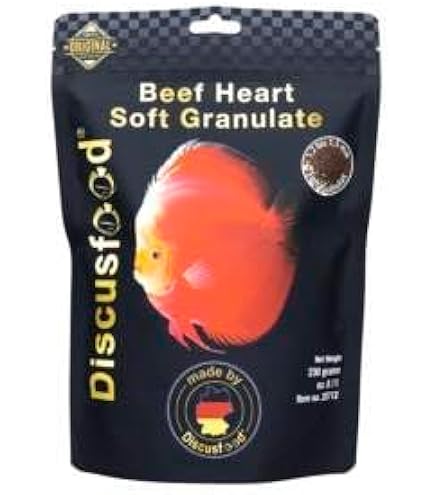
Fresh ingredients give discus fish the vitamins and minerals they need. Use high-quality meats like bloodworms, brine shrimp, and beef heart.
Vegetables like spinach and peas add fiber and nutrients. Always check that the ingredients are clean and free from chemicals.
- Use fresh, natural meats
- Include green vegetables
- Avoid spoiled or frozen food
- Rinse vegetables before use
Avoiding Fillers And Additives
Fillers and additives reduce food quality and may harm discus fish. These substances provide little nutrition and can cause digestive problems.
Check labels to avoid foods with artificial colors, preservatives, and fillers like wheat or corn. Natural foods support better growth and health.
- Skip foods with artificial colors
- Avoid preservatives and chemicals
- Choose high-protein, low-filler foods
- Focus on natural ingredients
Homemade Food Recipes
Making homemade food lets you control what discus fish eat. Use fresh meats and vegetables to create balanced meals.
Simple recipes include mixing beef heart with shrimp and spinach. Freeze the mix in small portions for easy feeding.
- Blend beef heart, shrimp, and peas
- Add vitamins if needed
- Freeze in small cubes
- Thaw before feeding
Common Feeding Mistakes To Avoid
Feeding discus fish properly helps them grow healthy and strong. Many owners make feeding mistakes that hurt their fish’s health.
Knowing what to avoid can improve your discus fish’s growth and well-being. Here are common feeding mistakes to watch out for.
Overreliance On One Food Type
Feeding discus fish only one type of food can cause nutrition problems. They need a balanced diet with different nutrients.
Using only flakes or pellets limits vitamins and minerals. This can lead to weak immune systems and slow growth.
- Mix frozen, live, and dry foods for variety
- Include protein-rich foods like bloodworms or brine shrimp
- Offer vegetable matter for fiber and vitamins
- Change diet often to keep discus interested
Ignoring Water Quality
Good water quality is key when feeding discus fish. Poor water can cause stress and disease, even if food is good.
Leftover food can dirty the tank fast. This raises ammonia and lowers oxygen, harming the fish’s health.
- Remove uneaten food quickly
- Test water parameters regularly
- Do frequent water changes
- Keep filter clean and working well
Feeding During Stress Or Illness
Feeding discus fish when they are stressed or sick can make problems worse. Their bodies may not digest food well.
It is better to reduce feeding or offer easy-to-digest foods during illness. Watch for signs like hiding or loss of appetite.
- Feed less often when fish are stressed
- Use high-quality, soft foods during illness
- Keep tank conditions stable and clean
- Consult a vet if problems persist
Credit: www.amazon.com
Frequently Asked Questions
What Is The Best Food For Discus Fish Growth?
High-protein foods like bloodworms, brine shrimp, and specially formulated discus pellets promote healthy discus fish growth. Balanced nutrition supports vibrant colors and strong immune systems.
How Often Should I Feed My Discus Fish Daily?
Feed discus fish 2 to 3 times daily in small amounts. Overfeeding can cause water quality issues and health problems.
Can Discus Fish Eat Frozen Or Live Food?
Yes, discus fish thrive on both frozen and live food like bloodworms and brine shrimp. These options provide essential nutrients and variety.
What Nutrients Are Essential In Discus Fish Food?
Proteins, fats, vitamins, and minerals are essential for discus fish health. A balanced diet ensures proper growth, coloration, and immune support.
Conclusion
Feeding discus fish the right food supports strong growth and bright colors. Fresh, varied diets help keep them healthy and active. Protein-rich meals with vitamins improve their immune system. Avoid overfeeding to prevent water problems and fish stress. Regular feeding schedules create good habits and steady growth.
Choose foods made for discus or high-quality flakes and pellets. Healthy discus fish bring beauty and life to your aquarium. Keep their diet balanced, and you’ll enjoy watching them thrive every day. Simple care makes a big difference.