
If you’re raising baby fish, you know how fragile they can be. Protecting your fry starts with clean, safe water.
But how do you make sure your aquarium water helps your tiny fish grow strong instead of putting them at risk? This guide will show you simple, effective ways to treat your aquarium water so your fry stay healthy and thrive.
Keep reading to learn the secrets that experienced aquarists use to give their little fish the best start possible. Your fry’s survival depends on it!

Credit: www.amazon.ca
Choosing Safe Water Sources
Protecting fry in your aquarium starts with safe water. The water must be clean and free from harmful chemicals.
Choosing the right water source helps keep baby fish healthy and strong.
Tap Water Considerations
Tap water is easy to get but may contain chlorine and metals. These can harm fry if not treated.
Always use a water conditioner to remove chlorine and chloramine before adding tap water to your tank.
- Check local water quality reports
- Use water conditioners to neutralize chemicals
- Test water parameters before use
- Avoid using water with heavy metals or high hardness
Using Ro And Di Water
Reverse Osmosis (RO) and Deionized (DI) water are very pure. They remove almost all impurities.
This water is safe for fry but lacks minerals they need. Always add a mineral supplement after filtering.
- RO/DI water removes chlorine, metals, and chemicals
- It is very soft and low in minerals
- Use mineral additives to balance water for fry
- Test water hardness and pH regularly
Collecting Rainwater Safely
Rainwater can be a good source if collected cleanly. It usually has few chemicals or salts.
Only collect rainwater from clean roofs and use clean containers to avoid pollution.
- Use clean, food-safe containers for collection
- Do not collect water after heavy pollution or dust
- Filter rainwater before use in tanks
- Test for pH and contaminants regularly
Credit: www.ebay.com
Effective Water Conditioning
Proper water treatment is crucial for protecting fry in your aquarium. Conditioning the water ensures a healthy environment for young fish.
Learn how to effectively remove harmful substances and balance water parameters for optimal fry health.
Removing Chlorine And Chloramine
Chlorine and chloramine are common in tap water. These chemicals are harmful to fish, especially fry. Removing them is essential for a safe aquatic habitat.
- Use a water conditioner to neutralize chlorine and chloramine.
- Let tap water sit for 24 hours to allow chlorine to evaporate.
- Install a carbon filter to remove these chemicals instantly.
Balancing Ph Levels
Maintaining the correct pH level is vital for the well-being of fry. It helps in preventing stress and promotes healthy growth.
| pH Level | Condition |
| 6.5 – 7.5 | Ideal for most fry |
| Below 6.5 | Too acidic |
| Above 7.5 | Too alkaline |
Using Dechlorinators And Conditioners
Dechlorinators and conditioners are essential tools for aquarium enthusiasts. They help in making tap water safe for fish, especially fragile fry.
Maintaining Optimal Water Parameters
Protecting fry in an aquarium starts with keeping water conditions stable. Healthy water helps young fish grow strong.
Good water quality reduces stress and prevents illness in fry. Monitoring key factors is very important.
Temperature Control
Keep the water temperature steady. Sudden changes can harm fry and slow their growth.
Most tropical fry do well between 75°F and 80°F (24°C to 27°C). Use a reliable heater and thermometer.
- Check temperature twice a day
- Avoid placing the tank near windows or vents
- Use a heater with a thermostat for accuracy
Ammonia And Nitrite Management
Ammonia and nitrite are toxic to fry, even at low levels. Keep these chemicals at zero.
Regular water changes and a good filter help remove harmful substances. Test water often.
- Use test kits to check ammonia and nitrite
- Change 10-20% of water weekly
- Avoid overfeeding to reduce waste
Ensuring Proper Oxygen Levels
Fry need enough oxygen to survive and grow. Poor oxygen can cause stress and death.
Use air stones, filters, or pumps to keep oxygen levels high. Keep water surface moving.
- Check for proper water flow
- Add air stones if oxygen seems low
- Do not overcrowd the tank

Credit: aquacadabra.com
Filtration Techniques For Fry Safety
Protecting fish fry means using the right filtration methods. Fry are delicate and need gentle water flow and clean water.
Choosing the right filter helps keep fry safe and healthy. It also keeps the water clear and free of harmful substances.
Choosing Gentle Filters
Filters with strong currents can hurt fry. Use filters that move water slowly and softly.
- Use sponge filters that provide gentle water flow.
- Choose filters with adjustable flow rates.
- Avoid filters with strong suction that can trap fry.
- Place filter outlets away from fry swimming areas.
Mechanical Vs Biological Filtration
Mechanical filtration traps debris and particles in the water. Biological filtration uses beneficial bacteria to break down waste.
| Filtration Type | Purpose | Effect on Fry |
| Mechanical | Removes solid waste | Needs gentle flow to avoid harm |
| Biological | Converts harmful chemicals | Safe and essential for fry health |
Preventing Fry Suction Injuries
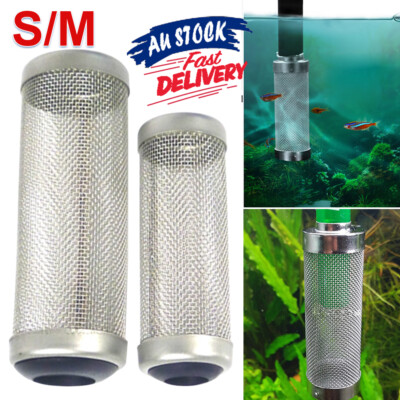
Strong suction can trap fry in filters. Use barriers or covers to stop this risk.
- Cover intake tubes with fine mesh or sponge.
- Use pre-filters designed for fry protection.
- Check filters often to ensure safety features are intact.
- Place fry in separate tanks if suction cannot be reduced.
Regular Water Changes
Keeping aquarium water clean is key to fry protection. Regular water changes help remove waste and keep water healthy.
Changing water often supports the young fish’s growth and reduces harmful chemicals. Proper care prevents diseases.
Frequency And Volume Guidelines
Change water based on the tank size and number of fry. Small tanks may need more frequent changes.
- Change 10-20% of the water twice a week for small tanks.
- Large tanks can have 20-30% water changed once a week.
- Observe fry behavior to adjust the schedule as needed.
Preparing Replacement Water
Match replacement water temperature with the tank. Treat tap water to remove chlorine and chloramine.
| Step | Action |
| 1 | Use a water conditioner to remove harmful chemicals. |
| 2 | Let water sit to reach room temperature. |
| 3 | Test water for pH and hardness levels. |
| 4 | Adjust parameters to match tank water if needed. |
Avoiding Stress During Changes
Fry are sensitive to sudden changes. Avoid rapid water movement and bright lights during water changes.
- Use a gentle siphon to remove water slowly.
- Do water changes during calm times of the day.
- Keep water temperature and chemistry stable.
- Do not remove too much water at once.
- Limit handling fry to reduce stress.
Disease Prevention Strategies
Fry, or baby fish, are delicate and need special care. Preventing disease is key to their survival. Proper water treatment and care can keep them healthy.
Understanding how to protect fry from diseases helps in ensuring their growth. Let’s explore some effective strategies.
Quarantine Procedures
Quarantine new fish to prevent diseases from spreading. It helps keep the main tank safe.
Keep new fish in a separate tank for at least two weeks. Observe them for signs of illness during this time.
- Set up a separate quarantine tank.
- Monitor fish health daily.
- Ensure proper water conditions in the quarantine tank.
Using Safe Medications
Medications can treat fish diseases effectively. Use them carefully to avoid harm.
Always choose medications safe for fry. Follow instructions on dosage and duration strictly.
- Consult a vet if unsure about medications.
- Use medications specifically made for aquariums.
- Avoid over-medicating your fish.
Maintaining Clean Tank Environment
A clean tank is crucial for fry health. It reduces the risk of diseases.
Regularly clean the tank and change the water. Keep the tank environment stable and free from pollutants.
- Perform weekly water changes.
- Remove uneaten food and waste promptly.
- Check water parameters frequently.
Feeding And Water Quality
Keeping fry safe needs careful feeding and clean water. Too much food causes water problems. Good feeding habits help fry grow strong.
Water quality changes with what and how you feed your fish. Watch feeding closely to keep water safe and healthy for fry.
Avoiding Overfeeding
Feed small amounts often. Overfeeding leads to leftover food. Leftover food harms fry and water quality. Feed only what fry can eat in two minutes.
- Use small portions
- Feed 2 to 3 times daily
- Remove extra food quickly
- Observe fry eating habits
- Adjust food size to fry age
Impact Of Food On Water Parameters
Food affects water chemicals like ammonia, nitrites, and nitrates. These can hurt fry if levels get high. Uneaten food breaks down and pollutes the water.
| Parameter | Effect of Excess Food | Impact on Fry |
| Ammonia | Increases rapidly | Causes stress and poisoning |
| Nitrites | Builds up after ammonia | Reduces oxygen in blood |
| Nitrates | Accumulates over time | Weakens immune system |
Cleaning Uneaten Food
Remove uneaten food to keep water clean. Use a small net or siphon to take out leftovers. Do this soon after feeding to stop decay.
Tips for cleaning:
- Feed fry in small amounts
- Check tank 10 minutes after feeding
- Use a fine net to scoop leftovers
- Vacuum substrate gently if needed
Monitoring And Testing Water
Keeping water safe is very important for fry in an aquarium. Clean water helps young fish grow healthy. Regular testing shows if water is good or not.
Testing water helps find problems early. This stops harm to the fry and keeps the tank safe.
Essential Test Kits
Use test kits made for aquariums. These kits check important water parts. They show if water is safe for fry.
- pH test kit to check water acidity
- Ammonia test kit to find toxic waste
- Nitrite test kit to detect harmful chemicals
- Nitrate test kit to measure waste levels
- Water hardness test kit for minerals
Tracking Parameter Fluctuations
Keep a daily record of water test results. This helps see changes over time. Sudden changes can hurt fry health.
Look for patterns in pH, ammonia, nitrite, and nitrate. Small changes are normal but big shifts need attention.
- Note the date and time of each test
- Write down all test results
- Compare results to safe levels for fry
- Watch for trends or spikes in data
Responding To Water Quality Issues
Fix problems quickly to protect fry. Use water changes to lower toxins. Add treatments if tests show issues.
Check filters and equipment to keep water clean. Avoid overfeeding, which can harm water quality.
- Do partial water changes regularly
- Use water conditioners if needed
- Clean or replace filter media
- Feed fry small amounts on schedule
- Retest water after any change
Frequently Asked Questions
What Is The Best Water Treatment For Fry Protection?
The best water treatment removes harmful chemicals and pathogens. Use dechlorinators, beneficial bacteria, and gentle filtration to keep fry safe and healthy.
How Often Should Aquarium Water Be Treated For Fry?
Treat aquarium water during every water change. Regular treatment maintains water quality and prevents disease, ensuring a safe environment for fry growth.
Can Untreated Water Harm Fish Fry Development?
Yes, untreated water can contain chlorine, ammonia, and bacteria. These toxins stress or kill fry, hindering their growth and survival.
What Chemicals Are Safe For Fry During Water Treatment?
Use fish-safe dechlorinators and stress reducers. Avoid medications or treatments labeled unsafe for fry to prevent toxicity or developmental issues.
Conclusion
Protecting fry starts with clean, safe water. Regular water changes keep harmful chemicals low. Use treatments designed for young fish. Test water often to catch problems early. Healthy water means healthy fry growth. Small efforts lead to big results. Keep conditions stable to reduce stress.
Clear water helps fry swim and eat well. Your care makes a real difference in their survival. Start today and watch your fry thrive.