
Are you ready to transform your aquarium into a stunning underwater masterpiece? Aquascaping for show tanks is more than just arranging plants and decorations—it’s about creating a breathtaking scene that captures attention and brings your tank to life.
Whether you want to impress guests or simply enjoy a beautiful view every day, mastering aquascaping can make all the difference. You’ll discover easy tips and expert secrets that will help you design a show-stopping tank that stands out. Keep reading, and let’s turn your aquarium into a work of art you’ll be proud to show off.
Choosing The Right Tank
Picking the right tank is key for a beautiful aquascape. Your tank sets the stage for plants and fish.
Think about size, shape, material, and where to place your tank. These choices affect your aquascape’s success.
Size And Shape Options
Tank size affects what plants and animals you can keep. Bigger tanks give more space but need more care.
Choose a shape that fits your room and design style. Wide tanks show more scenery, tall tanks save floor space.
- Rectangular tanks are common and versatile
- Cube tanks offer a modern look and balance
- Bow front tanks give a curved view
- Long tanks create wide landscapes
Material Considerations
Most tanks use glass or acrylic. Each material has benefits and limits for aquascaping.
Glass is clear and scratch-resistant but heavy. Acrylic is lighter and stronger but can scratch easier.
- Glass tanks cost less and are easy to clean
- Acrylic tanks are better for large or custom shapes
- Check for thick panels to avoid leaks or cracks
Location And Lighting
Place your tank where it gets proper light for plants. Avoid direct sunlight to stop algae growth.
Consider room temperature and power outlets for lights and filters. Stable conditions help plants and fish stay healthy.
- Pick a spot with steady temperature and low drafts
- Use LED or fluorescent lights suited for plant growth
- Plan power sources near the tank for easy setup
Selecting Aquascaping Styles
Choosing the right style is key for a show tank. It sets the mood and highlights your plants and fish.
Different styles use various shapes, colors, and materials. Pick one that fits your vision and space.
Nature-inspired Layouts
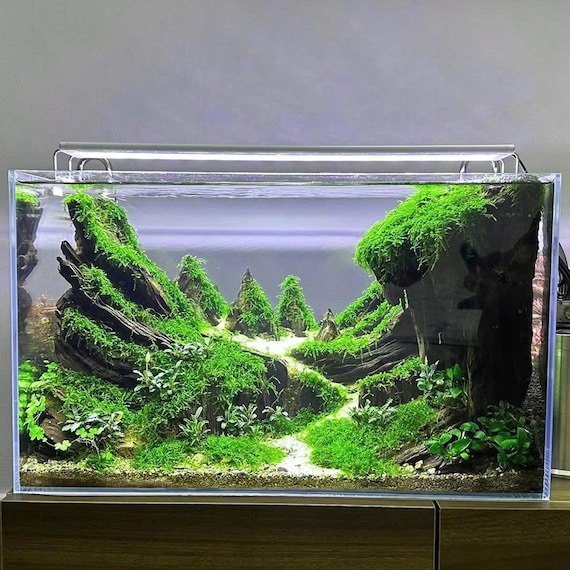
Nature-inspired layouts mimic real landscapes like forests, mountains, or rivers. They create a natural feel in your tank.
Use rocks, wood, and plants to build a realistic scene. Balance elements to look like a small world under water.
- Choose natural shapes for rocks and wood
- Use plants that grow well together
- Create depth with foreground and background plants
Minimalist Designs
Minimalist designs focus on simplicity and open space. They use few elements to keep the tank clean and clear.
Choose one or two types of plants and simple hardscape pieces. Keep colors and shapes subtle for a calm look.
- Limit the number of plants and decorations
- Use negative space to highlight key features
- Pick plants with simple shapes and colors
Themed Setups
Themed setups tell a story or follow a concept. Themes can be inspired by movies, seasons, or cultures.
Match plants and decorations to the chosen theme. Use colors and shapes that support the idea clearly.
- Pick a clear theme before starting
- Choose decorations that fit the story
- Use plant colors to enhance the theme mood
Key Elements For Stunning Designs
Aquascaping for show tanks blends art and nature. It creates beautiful underwater scenes that catch the eye. Careful design helps highlight fish and plants in the best way.
Focus on the main elements that build a strong layout. Each element works together to make the tank look natural and balanced. These include the hardscape, plants, and the mix of colors and textures.
Hardscape Materials
Hardscape materials form the structure of the aquascape. Rocks, wood, and stones create shapes and depth. Choose materials that suit the style and size of your tank.
- Use natural stones with interesting shapes.
- Pick driftwood that fits your tank size.
- Arrange materials to create focal points.
- Build layers to add depth and interest.
- Secure pieces to avoid shifting over time.
Plant Selection And Placement
Select plants that match your tank’s lighting and water conditions. Use tall plants at the back and shorter ones in front. Group plants by species for a natural look.
| Plant Type | Placement | Care Level |
| Java Fern | Midground | Easy |
| Amazon Sword | Background | Medium |
| Dwarf Hairgrass | Foreground | Medium |
| Anubias | Midground | Easy |
Color And Texture Balance
Balance colors and textures to keep the design lively. Mix green plants with red or purple ones. Use rough rocks alongside smooth wood to create contrast.
- Place bright plants where light hits best.
- Use soft textures to contrast hard surfaces.
- Repeat colors to guide the viewer’s eye.
- Keep open spaces to prevent clutter.
Credit: www.etsy.com
Creating Depth And Perspective
Creating depth in aquascaping makes the tank look bigger and more natural. It helps viewers feel like they are looking into a real underwater world.
Using perspective tricks, you can arrange plants and hardscape to give a sense of distance. This draws the eye and adds interest to your show tank.
Layering Techniques
Layering is key to building depth in your aquascape. Place elements at different heights and distances.
Use rocks, wood, and plants in layers to create a natural look. This helps the tank feel full and alive.
Foreground, Midground, Background
The foreground has small plants or decorations close to the glass. These create detail and texture.
The midground holds medium-sized plants or stones. It connects the front and back layers smoothly.
The background has tall plants or large hardscape. It frames the tank and adds height.
- Foreground: small plants like moss or dwarf grass
- Midground: medium plants such as ferns or crypts
- Background: tall plants like Vallisneria or large rocks
Using Negative Space
Negative space is the empty area between plants and decorations. It prevents the tank from looking crowded.
Use negative space to guide the eye and highlight key areas. It adds balance and calm to the aquascape.
- Leaves room for fish to swim
- Shows off unique hardscape features
- Makes the layout feel open and natural
Lighting To Enhance Visual Impact
Good lighting is key to making show tanks look amazing. It brings out colors and shapes in plants and fish. Proper light helps create a natural and inviting scene.
Choosing the right lighting setup can change how your aquascape feels. It can highlight details and make the tank a beautiful focal point in any room.
Types Of Aquarium Lighting
There are several types of lighting for aquariums. Each type offers different benefits for plants and fish.
- Fluorescent lights: Common and affordable, good for low to medium light plants.
- LED lights: Energy efficient and long-lasting, often customizable in color and intensity.
- Metal halide lights: Very bright, ideal for deep tanks and high-light plants.
- Compact fluorescent lights (CFL): Smaller than traditional fluorescents, useful for small tanks.
Highlighting Focal Points
Use lighting to draw attention to key areas in your tank. Focal points can be a unique plant, a rock, or a group of fish.
Tips to highlight focal points:
- Use spotlights or directional LED lights.
- Position lights to create shadows and depth.
- Choose brighter or warmer light colors for focal areas.
- Dim the surrounding areas to make the focus stand out.
Adjusting Light Intensity And Color
Adjusting light intensity and color can change the tank’s mood and plant growth. Different colors affect the way plants and fish appear.
| Light Color | Effect on Aquascape |
|---|---|
| Blue | Enhances cool colors and creates a calm feel |
| Red | Boosts plant growth and adds warmth |
| White | Shows natural colors clearly and evenly |
| Green | Can soften the look but may reduce plant growth |

Credit: www.reddit.com
Maintenance Tips For Show Tanks
Show tanks require regular care to stay beautiful. They need clean water, healthy plants, and no algae. Let’s explore how to maintain them properly.
Water Quality Management
Water quality is crucial for show tanks. Regular checks and maintenance help keep the water clear and safe for fish and plants.
- Test water weekly for pH, ammonia, and nitrates.
- Change 20% of the tank water every two weeks.
- Use a good quality filter and clean it monthly.
Pruning And Plant Care
Healthy plants enhance the beauty of show tanks. They need regular pruning to thrive and maintain their shape.
Algae Control
Algae can spoil the look of a show tank. It’s important to control algae growth to keep the tank clean and clear.
| Method | Frequency |
| Use algae eaters | Monthly |
| Reduce lighting | Daily |
| Manual removal | Weekly |
Incorporating Aquatic Life
Creating a vibrant show tank involves selecting the right aquatic life. Fish and invertebrates add movement and color to your aquascape.
Choosing species that thrive together ensures a balanced ecosystem. Proper selection enhances the visual appeal of your tank.
Choosing Compatible Fish And Invertebrates
Picking compatible fish and invertebrates is crucial. They need to coexist peacefully without stressing each other.
- Research species that share similar water conditions.
- Avoid aggressive fish that may harm others.
- Choose invertebrates that do not disturb plant life.
Behavioral Considerations
Understanding fish behavior helps in designing a harmonious aquascape. Fish with compatible behaviors create a peaceful environment.
| Fish Type | Behavior |
| Tetras | Schooling |
| Cichlids | Territorial |
| Guppies | Peaceful |
Enhancing The Aquascape With Movement
Movement in your tank adds life and interest. Different species swim in unique patterns, enhancing the visual dynamics of the aquascape.
Showcasing Your Aquascape
Creating a beautiful aquascape is just the start. Showing it off well helps others enjoy your work. Proper display brings out the colors and shapes in your tank.
Good presentation can inspire others and grow your aquascaping skills. There are many ways to share your tank, from photos to contests and social media.
Photography Tips
Clear photos capture the beauty of your aquascape. Use natural light or soft artificial light to avoid glare. Clean the glass well before shooting to get sharp images.
Try different angles to show depth and details. Take close-up shots of plants and fish. Use a tripod to keep the camera steady and reduce blur.
- Use a plain background behind the tank
- Avoid using flash directly on the glass
- Focus on the main features of your design
- Take multiple shots to choose the best
Participating In Competitions
Joining aquascaping contests helps you connect with other hobbyists. It pushes you to improve your design and skills. Competitions often have categories for beginners and experts.
Read the rules carefully before entering. Prepare your tank so it looks neat and healthy. Use good lighting and remove algae for a clean display.
- Choose contests that fit your experience level
- Submit photos or videos as required
- Keep your tank well-maintained during the contest
- Learn from feedback given by judges
Sharing On Social Media
Social media lets you show your aquascape to many people. Post clear photos and short videos to attract viewers. Use simple captions to explain your design choices.
Engage with others by commenting and joining aquascaping groups. Regular updates keep followers interested and help you learn from others.
- Post at peak times for more views
- Use hashtags related to aquascaping
- Share progress photos to show changes
- Respond to comments and questions kindly

Credit: www.reddit.com
Frequently Asked Questions
What Is Aquascaping For Show Tanks?
Aquascaping for show tanks is designing underwater landscapes to impress judges and viewers. It involves plant selection, hardscape placement, and balance. The goal is a visually stunning, natural, and harmonious aquarium setup that stands out in competitions or exhibitions.
How To Choose Plants For Show Tank Aquascaping?
Choose plants based on growth rate, color, and size. Use a variety of textures and shades for contrast. Select low-maintenance species if you are a beginner. Healthy plants enhance the tank’s aesthetics and create a natural look.
What Hardscape Materials Work Best In Show Tanks?
Popular hardscape materials include driftwood, rocks, and stones. Choose materials that complement plant colors and shapes. Ensure they are aquarium-safe and stable. The hardscape forms the tank’s structure and focal points, adding depth and interest.
How To Maintain A Show Tank Aquascape?
Regular trimming and cleaning keep plants healthy and shapes neat. Monitor water parameters like pH, nitrate, and hardness. Use quality lighting and fertilizers to support growth. Consistent maintenance ensures the aquascape stays vibrant and competition-ready.
Conclusion
Creating a beautiful show tank takes patience and care. Choose plants and decorations that suit your style. Keep your tank clean and watch it thrive. Regular maintenance helps your aquascape stay healthy and fresh. Enjoy the peaceful feeling your tank brings to any room.
Each tank tells a story through its design and life. Start small, learn as you go, and have fun with it. Aquascaping for show tanks is a rewarding hobby anyone can try.