
If you have ornamental fish, you know how important it is to keep them healthy and vibrant. Feeding them the right food can make all the difference, and algae wafers are a popular choice for many fish owners.
But how do you use algae wafers effectively to ensure your fish get the best nutrition? You’ll discover simple tips and expert advice that will help you make the most of algae wafers and keep your fish thriving. Keep reading to find out how to turn feeding time into a boost for your aquarium’s beauty and your fish’s well-being.
Benefits Of Algae Wafers
Algae wafers are a popular food choice for ornamental fish. They provide important nutrients that support fish health. Many fish enjoy eating algae wafers as part of their daily diet.
These wafers are easy to use and help keep fish strong and colorful. Feeding algae wafers can improve the overall wellbeing of your aquarium fish.
Nutritional Value For Fish
Algae wafers contain essential nutrients that fish need. They are rich in proteins, fiber, and vitamins. These nutrients help fish grow and stay healthy.
| Nutrient | Benefit |
| Protein | Supports muscle growth and repair |
| Fiber | Aids digestion and gut health |
| Vitamins A, C, E | Boost immune system and skin health |
| Minerals | Maintain bone and scale strength |
Supporting Natural Diets
Many ornamental fish eat algae in the wild. Algae wafers mimic this natural diet. They provide a good source of plant-based food that fish can easily digest.
- Encourages natural grazing behavior
- Reduces stress by offering familiar food
- Helps maintain a balanced diet
- Suitable for bottom-feeding fish species
Enhancing Color And Health
Feeding algae wafers regularly can improve fish color and vitality. The pigments in algae promote brighter scales and healthier skin. This also supports fish immune defenses.
Healthy fish tend to show more vibrant colors and active behavior. Algae wafers help maintain this natural beauty over time.
Choosing The Right Algae Wafers
Feeding ornamental fish with algae wafers helps keep them healthy. Not all wafers are the same. Choosing the right one matters.
Different fish need different types of algae wafers. Size, shape, and ingredients all affect fish health and eating habits.
Types Of Algae Used
Algae wafers often contain several types of algae. Each type offers unique nutrients for your fish.
- Spirulina: High in protein and good for color enhancement
- Seaweed: Provides essential vitamins and minerals
- Chlorella: Rich in chlorophyll and supports digestion
- Duckweed: Offers fiber and helps with gut health
Check the label to see which algae types are included. Choose wafers with algae your fish prefer.
Size And Shape Considerations
Algae wafers come in many sizes and shapes. Pick a size that matches your fish’s mouth and eating style.
Small wafers are best for small fish and shrimp. Larger wafers suit bigger fish that eat slowly.
- Round wafers sink slowly and suit bottom feeders
- Stick-shaped wafers are easy to hold and nibble
- Thin wafers dissolve faster for quick eaters
Ingredients To Avoid
Some algae wafers contain fillers or harmful ingredients. Avoid wafers with these to keep fish safe.
- Artificial colors and flavors that may harm fish
- Excessive fillers like wheat or corn that reduce nutrition
- Preservatives that can pollute the water
- High levels of fats that cause water quality issues
Always read the ingredient list carefully. Pick wafers with natural and healthy components.
Feeding Frequency And Amount
Feeding ornamental fish with algae wafers is simple but needs care. Giving the right amount at the right time keeps fish healthy.
Too much or too little food can harm fish. Learn how often and how much to feed algae wafers to your fish.
Daily Feeding Guidelines
Feed your fish once a day with algae wafers. Offer only what they can eat in a few minutes to avoid waste.
Some fish eat more, but start small. Watch how quickly they finish the food before adding more next time.
- Feed once daily, preferably at the same time
- Give small pieces of algae wafers
- Remove leftover wafers after 5 minutes
- Adjust amount based on fish size and number
Avoiding Overfeeding
Overfeeding can pollute the tank and make fish sick. Avoid giving too many wafers at once or too often.
Check for leftover food after feeding. If food stays, reduce the amount next time to keep water clean.
- Feed only what fish eat quickly
- Watch for uneaten food in the tank
- Clean tank regularly to prevent buildup
- Do not feed more than once a day unless advised
Signs Of Proper Nutrition
Healthy fish have bright colors and swim actively. They eat well and grow steadily with proper food amounts.
Check your fish daily for good appetite and clear eyes. These signs show they get enough nutrients from algae wafers.
- Bright, vibrant colors on fish
- Active and alert behavior
- Good appetite during feeding
- Steady growth over time

Credit: www.reddit.com
Feeding Techniques
Feeding ornamental fish with algae wafers needs care and patience. Using proper techniques helps fish stay healthy.
Algae wafers provide important nutrients for many fish types. Feeding them correctly supports their natural diet.
Introducing Wafers To New Fish
New fish may not recognize algae wafers as food. Start by offering small pieces near their usual feeding area.
Watch how they react and adjust the amount. Some fish take time to accept new food types.
- Place a small piece close to the fish
- Observe if they nibble or ignore it
- Repeat daily until they eat consistently
Placement In The Aquarium
Put algae wafers where bottom feeders can reach them easily. Avoid spots with strong water currents.
Use feeding clips or weights to keep wafers from floating away. This helps fish find and eat the food faster.
- Place wafers on flat rocks or decorations
- Use feeding clips to hold wafers in place
- Choose calm areas away from filters
Encouraging Bottom Feeders
Feed algae wafers at the bottom to attract bottom feeders like plecos or catfish. They prefer food on the tank floor.
Feed in the same place and time each day. This helps fish learn when and where to find their food.
- Feed once or twice daily at the tank bottom
- Remove uneaten food after a few hours
- Keep feeding times consistent
Common Issues And Solutions
Feeding ornamental fish with algae wafers can be easy. Still, some problems may occur. Knowing these issues helps keep fish healthy.
This guide covers common problems and simple ways to fix them. You will learn about water quality, leftover food, and picky eaters.
Algae Wafers And Water Quality
Algae wafers can affect water quality if not used well. Leftover wafers may rot and cause bad water conditions. This hurts fish health.
Keep the water clean by feeding the right amount. Test water regularly to check for changes in ammonia or nitrite levels. Good water helps fish eat well.
Dealing With Uneaten Food
Uneaten algae wafers can pollute the tank. They break down and lower water quality. Fish may get sick if food is not removed.
Remove leftover wafers after 10 minutes. Feed smaller pieces to avoid waste. Watch your fish to see how much they eat each time.
- Feed only what fish can finish quickly
- Use a feeding ring to keep wafers in one spot
- Clean the tank regularly to remove debris
Fish Refusal To Eat
Sometimes fish refuse algae wafers. This may happen if fish prefer other foods or are stressed. New fish may need time to adjust.
Try offering wafers at different times. Break wafers into smaller pieces or soak them briefly. Observe fish to find their feeding habits.
- Mix wafers with other foods to attract fish
- Check water temperature and conditions for stress
- Feed at regular times to build a routine

Credit: www.reddit.com
Alternatives And Supplements
Ornamental fish thrive on a balanced diet. Algae wafers are a popular choice, but alternatives exist.
Explore other foods and supplements to ensure your fish receive a variety of nutrients.
Other Plant-based Foods
Plant-based foods offer essential nutrients. They can be an excellent addition to algae wafers.
- Spirulina flakes provide vital vitamins.
- Blanched vegetables like zucchini are easy to digest.
- Seaweed strips mimic natural diets.
Protein Supplements
Fish need protein for growth and energy. Protein supplements can enhance their diet.
| Supplement | Protein Content |
| Fish pellets | High |
| Insect larvae | Moderate |
| Egg yolk | Rich |
Live And Frozen Foods
Live and frozen foods simulate natural prey. They are a treat for ornamental fish.
Maintaining A Balanced Diet
Feeding ornamental fish with algae wafers is important for their health. A balanced diet keeps fish active and colorful.
Algae wafers provide essential nutrients, but variety is key. Mixing different foods ensures fish get all they need.
Combining Algae Wafers With Other Foods
Algae wafers are great, but fish need more. Combine them with other foods for a balanced diet.
- Flakes provide additional vitamins
- Frozen foods offer protein
- Live foods like brine shrimp add variety
Monitoring Fish Health
Watch your fish to see how they react to food. Check for signs of good health and activity.
Healthy fish have bright colors and swim actively. If fish seem sluggish, adjust their diet.
Adjusting Diet For Different Species
Different fish species have different dietary needs. Know what each type of fish requires.
| Goldfish | Need more plant-based foods |
| Tropical fish | Require protein-rich foods |
| Bottom feeders | Benefit from algae wafers |
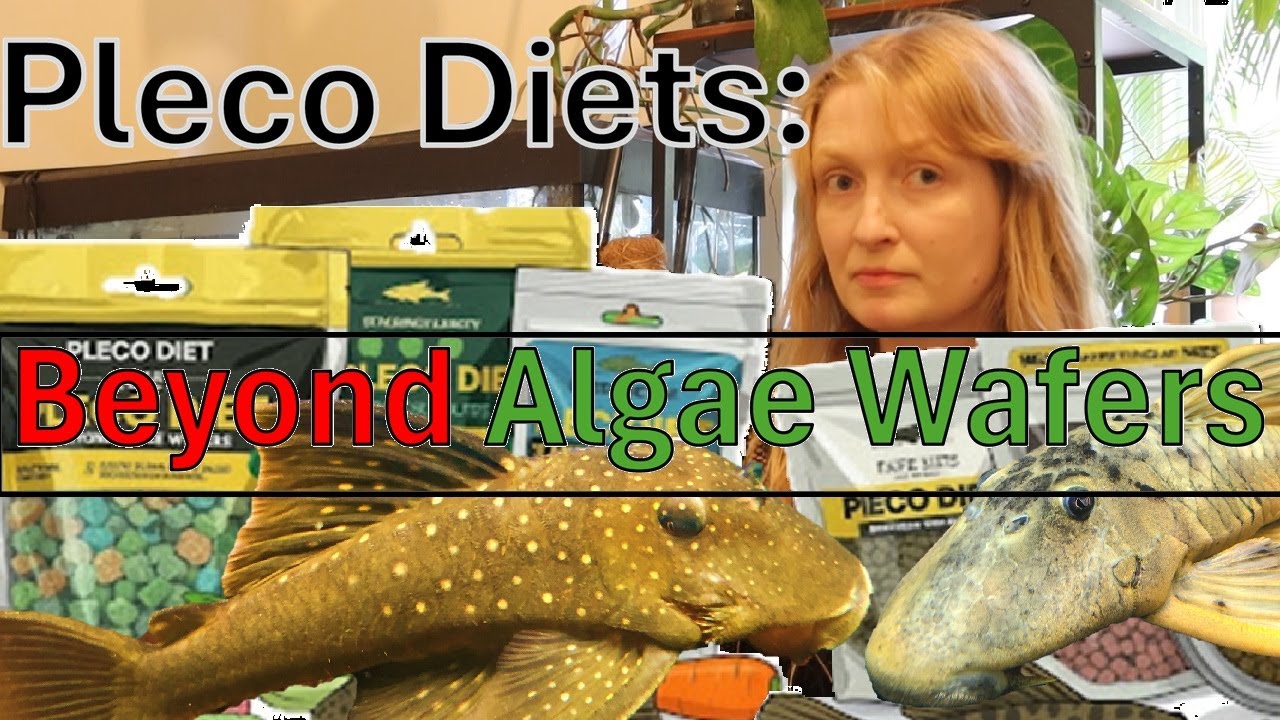
Credit: www.youtube.com
Frequently Asked Questions
What Are Algae Wafers For Ornamental Fish?
Algae wafers are nutritious food tablets designed for algae-eating ornamental fish. They provide essential vitamins and minerals to support healthy growth and vibrant colors.
How Often Should I Feed Algae Wafers To Fish?
Feed algae wafers once or twice daily in small amounts. Avoid overfeeding to maintain water quality and prevent fish health issues.
Can Algae Wafers Replace Fish Flakes Or Pellets?
Algae wafers supplement fish flakes or pellets but should not fully replace them. They offer specialized nutrients ideal for herbivorous fish.
Which Ornamental Fish Benefit Most From Algae Wafers?
Species like plecos, Chinese algae eaters, and certain catfish thrive on algae wafers. These wafers meet their dietary needs effectively.
Conclusion
Feeding ornamental fish with algae wafers supports their health and growth. These wafers provide essential nutrients that fish need daily. They help keep algae-eating fish active and happy. Using algae wafers is easy and mess-free. Just place the wafers in the tank, and watch your fish enjoy their meal.
Regular feeding with these wafers keeps your aquarium balanced. Remember to feed in small amounts to avoid water pollution. Healthy fish make a beautiful and lively aquarium. Simple care like this makes fishkeeping more enjoyable.