
Setting up a new aquarium is exciting, but treating your new aquarium water properly is crucial for your fish’s health. If you skip this step, you risk harming your aquatic friends with harmful chemicals or bacteria.
You might wonder how to make sure your water is safe and ready for your fish. This guide will walk you through simple, effective steps to treat your new aquarium water so your underwater world thrives. Keep reading to discover easy tips that will protect your fish and keep your tank sparkling clean from day one.
Preparing The Tank
Setting up a new aquarium needs careful preparation. Treating the water right helps fish stay healthy.
Start by getting your tank ready. This includes choosing a good spot, cleaning it, and adding equipment.
Choosing The Right Location
Pick a spot that is stable and not too bright. Avoid direct sunlight to stop algae growth.
Make sure the place is near power outlets for your equipment. Keep it away from heat sources.
- Flat, sturdy surface
- No direct sunlight
- Near electrical outlets
- Away from heaters and air vents
Cleaning The Aquarium
Wash the tank with warm water before adding water. Do not use soap or chemicals.
Rinse decorations and gravel well to remove dust and dirt. This keeps the water clean.
- Use warm water only
- Do not use soap or detergents
- Rinse all accessories
- Dry with a clean cloth if needed
Setting Up Equipment
Install the filter and heater before adding water. These keep water clean and at the right temperature.
Check that all cords are safe and dry. Test the equipment to make sure it works well.
- Place filter in the tank
- Attach heater to the side
- Secure cords to avoid water contact
- Plug in and test devices
Conditioning New Water
New aquarium water needs treatment before adding fish. This keeps fish safe and healthy.
Conditioning removes harmful chemicals and balances water properties.
Removing Chlorine And Chloramine
Tap water often has chlorine or chloramine. These chemicals kill harmful germs but also harm fish.
Use water conditioners to remove these chemicals before adding water to the tank.
- Buy a water conditioner that removes both chlorine and chloramine.
- Follow the instructions on the product label carefully.
- Mix the conditioner into new water before adding it to the tank.
- Wait a few minutes to let the conditioner work properly.
Balancing Ph Levels
Fish need water with the right pH level. Too high or too low pH can stress them.
| pH Level | Effect on Fish |
| Below 6.0 | Too acidic, can harm fish |
| 6.5 to 7.5 | Safe for most tropical fish |
| Above 8.0 | Too alkaline, can cause stress |
Use pH test kits to check water. Add pH adjusters if needed to reach the right level.
Adjusting Temperature
Fish need water at a steady temperature. Sudden changes can cause illness.
Follow these tips to adjust temperature:
- Use an aquarium heater for tropical fish.
- Check water temperature with a reliable thermometer.
- Keep temperature steady to avoid stressing fish.
- Match new water temperature to the tank before adding it.
Cycling The Aquarium
Cycling the aquarium is a key step before adding fish. It helps create a healthy environment for them.
This process builds good bacteria that clean the water and keep fish safe.
Establishing Beneficial Bacteria
Beneficial bacteria break down harmful waste in the aquarium. They turn ammonia into less harmful substances.
To start these bacteria, add a small source of ammonia or fish food to the tank. Wait for the bacteria to grow.
Monitoring Ammonia And Nitrite
Ammonia and nitrite are toxic to fish. Testing the water regularly helps track their levels.
- Use test kits to measure ammonia and nitrite.
- Levels should drop to zero before adding fish.
- High levels mean the cycle is not complete yet.
Using Cycle Accelerators
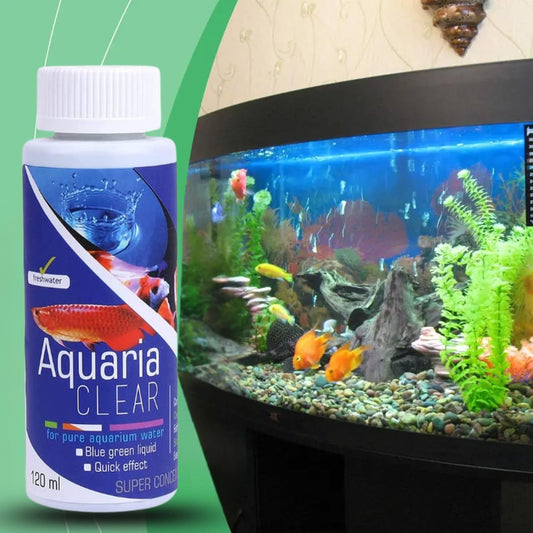
Cycle accelerators contain live bacteria that help speed up the cycling process. They add good bacteria directly to the tank.
Use them according to instructions. They can reduce the time needed for cycling.
Credit: www.petzlifeworld.in
Adding Decorations And Substrate
Creating a comfortable environment for your fish is important. You need to add decorations and substrate to your aquarium. These elements provide hiding spots and mimic natural habitats.
Careful selection and arrangement of these items ensure a healthy and stress-free home for your aquatic pets.
Choosing Safe Materials
It’s crucial to choose decorations and substrates that are safe for your fish. Avoid sharp objects that can harm them.
- Use aquarium-safe rocks and gravel
- Choose non-toxic decorations
- Avoid metals and untreated wood
Cleaning Decorations
Before placing decorations in the tank, clean them thoroughly. This helps to remove any harmful chemicals or dirt.
- Rinse decorations with warm water
- Use a soft brush to scrub surfaces
- Let them dry completely before use
Arranging For Fish Comfort
Arrange decorations to create a natural and comfortable environment. Fish need hiding spots and open swimming areas.
Consider this simple layout for your aquarium:
| Area | Description |
| Back | Taller plants and rocks |
| Middle | Medium-sized plants and caves |
| Front | Open space with small decorations |
Introducing Fish Safely
Adding new fish to your aquarium needs care. This helps keep your fish healthy and happy.
Follow simple steps to avoid stress and diseases in your tank.
Quarantine Procedures
Keep new fish in a separate tank for at least two weeks. This stops disease from spreading to your main aquarium.
- Use a quarantine tank with clean water and proper filtration.
- Watch fish daily for signs of illness or stress.
- Do not add new fish to the main tank until they are healthy.
Acclimating New Fish
Help fish adjust to new water conditions slowly. This reduces shock and improves survival.
- Float the sealed bag with the fish in the tank water for 15 minutes.
- Add small amounts of tank water to the bag every 10 minutes for one hour.
- Gently release fish into the tank using a net. Avoid adding bag water.
Avoiding Overcrowding
Too many fish cause stress and poor water quality. Keep your tank balanced for healthy fish.
| Tank Size (gallons) | Maximum Number of Small Fish |
| 10 | 3 |
| 20 | 6 |
| 30 | 9 |
| 50 | 15 |

Credit: www.reddit.com
Maintaining Water Quality
Keeping your aquarium water clean is key to healthy fish. Good water quality helps fish live longer and stay active.
There are three main ways to keep water safe: test it often, change it regularly, and care for the filter.
Regular Water Testing
Test your aquarium water every week. Use a water test kit to check pH, ammonia, nitrite, and nitrate levels. These affect fish health.
- Measure pH to keep it stable
- Check ammonia and nitrites for toxins
- Watch nitrates to avoid buildup
- Record results to track changes
Routine Water Changes
Change 10-20% of the water weekly. This removes waste and keeps chemicals balanced. Use a siphon to clean gravel and remove debris.
| Change Amount | Frequency | Purpose |
| 10-20% | Weekly | Remove waste and toxins |
| 25-30% | Biweekly | Deep clean and refresh |
| 50% | Monthly (if needed) | Fix big water issues |
Filter Maintenance
Clean your filter every month. Rinse filter media in tank water to keep good bacteria alive. Replace parts only if worn out.
Follow this checklist for filter care:
- Turn off filter before cleaning
- Use old tank water to rinse parts
- Do not use soap or chemicals
- Check for clogs and remove debris
- Replace filter media as per instructions

Credit: store.drtimsaquatics.com
Frequently Asked Questions
How Do I Prepare New Aquarium Water Safely?
Treat new aquarium water by removing chlorine and chloramine. Use a water conditioner to detoxify harmful chemicals. Test the water for pH, ammonia, and nitrites before adding fish. This ensures a safe environment for your aquatic pets.
Why Should I Test New Aquarium Water Parameters?
Testing water parameters helps detect harmful substances like ammonia and nitrites. It ensures water is safe and balanced for fish health. Regular testing prevents diseases and promotes a stable aquarium environment.
How Long Should New Aquarium Water Be Treated?
Treat new aquarium water immediately after filling the tank. Allow 24 to 48 hours for conditioners to neutralize toxins. This waiting period ensures harmful chemicals are removed before adding fish.
Can I Use Tap Water Directly In My Aquarium?
Tap water contains chlorine and chloramine, which harm fish. Always use a water conditioner to neutralize these chemicals. Testing and treating tap water makes it safe for aquarium use.
Conclusion
Treating new aquarium water keeps fish safe and healthy. Use water conditioners to remove harmful chemicals. Test water regularly to check pH and ammonia levels. Let the water sit to reach room temperature. Clean water helps fish live longer and stay active.
Follow these steps every time you change water. Simple care makes a big difference in your aquarium. Enjoy a clear, safe tank with happy fish.