
Are you wondering how often you should feed your goldfish to keep it healthy and happy? Getting the feeding frequency right is one of the simplest ways to improve your goldfish’s well-being.
Feed too little, and your fish might not get enough energy. Feed too much, and you risk dirty water and health problems. You’ll discover the perfect balance that will keep your goldfish thriving. Keep reading to find out exactly how often you should feed your goldfish and why it matters more than you might think.
Ideal Feeding Schedule
Feeding goldfish the right amount at the right times helps keep them healthy. A good schedule matches their needs and environment.
Goldfish eating habits vary by age, season, and tank conditions. Adjusting feeding frequency supports their growth and well-being.
Daily Vs. Multiple Feedings
Goldfish can eat once or several times a day. Many owners prefer multiple small feedings to avoid overfeeding.
- One feeding: good for beginners and reduces waste
- Two to three feedings: matches natural grazing behavior
- Feed small amounts to prevent water pollution
Adjusting Frequency By Age
Young goldfish need more frequent feedings. Adults require fewer feedings but larger portions each time.
| Goldfish Age | Feeding Frequency | Notes |
|---|---|---|
| Fry (0-3 months) | 4-6 times daily | Small amounts, high protein |
| Juveniles (3-12 months) | 2-3 times daily | Increase portion size gradually |
| Adults (1+ year) | 1-2 times daily | Avoid overfeeding to prevent obesity |
Seasonal Feeding Changes
Goldfish eat less in cold months. Their metabolism slows, so reduce feeding frequency to match.
Follow this seasonal feeding guide for best results:
- Spring and Summer:Feed 2-3 times daily. Use high-protein foods.
- Fall:Feed once or twice daily. Start reducing food as temperature drops.
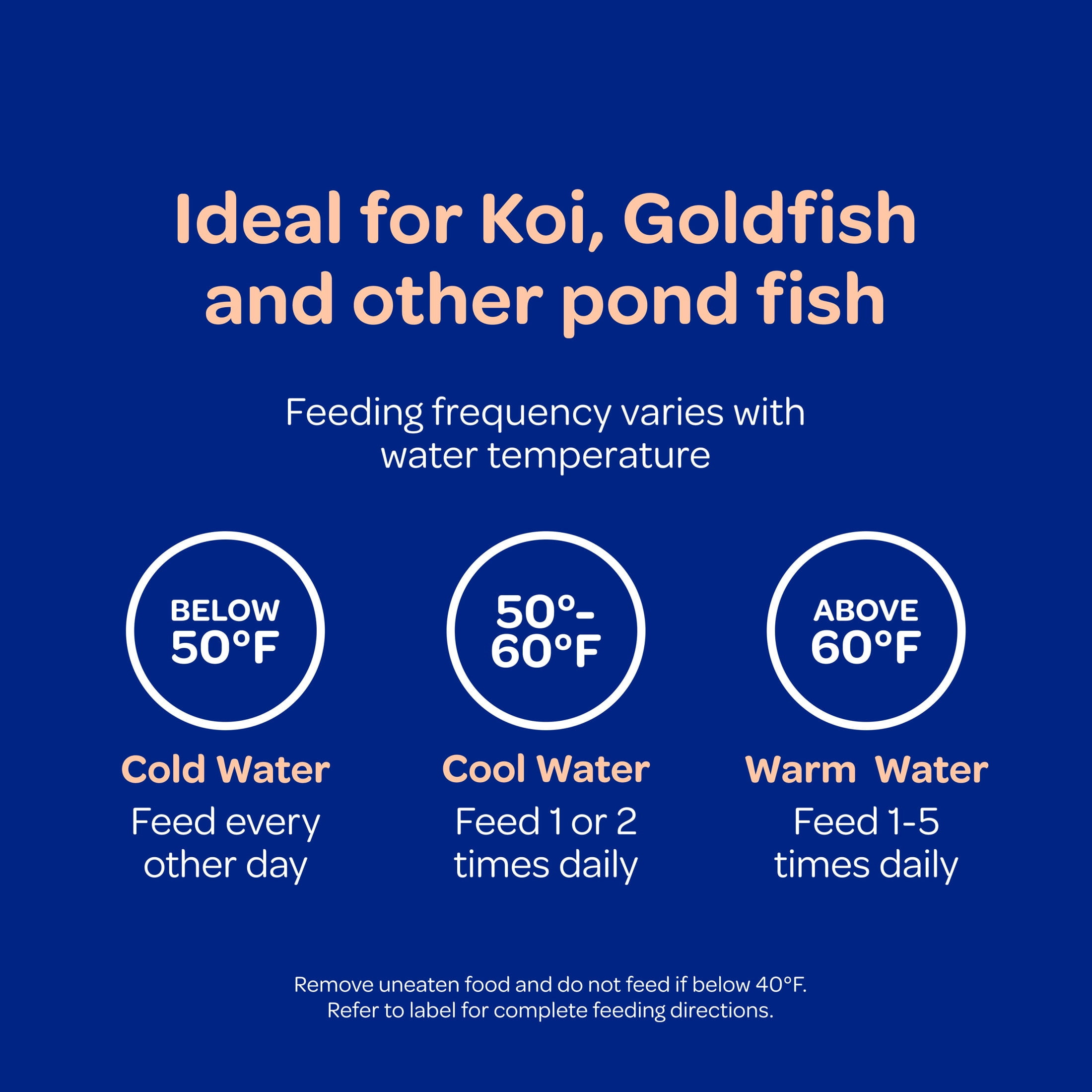
- Winter:Feed once every 2-3 days or stop if below 50°F (10°C).

Credit: www.reddit.com
Portion Control Tips
Feeding goldfish the right amount is important for their health. Too much food can harm them and pollute the water.
Controlling portions helps keep goldfish active and happy. It also saves you money on food.
Measuring Food Amounts
Use a small measuring spoon or scale to give food. This helps avoid guessing and giving too much.
Feed only what your goldfish can eat in two to three minutes. Remove leftover food after feeding time.
- Start with a pea-sized amount per fish
- Adjust based on fish size and activity
- Feed small amounts two to three times daily
Signs Of Overfeeding
Overfed goldfish may swim slowly or have swollen bellies. Their water may look cloudy or smell bad.
Watch for uneaten food on the tank bottom. This can lead to bad water quality and fish illness.
- Cloudy or smelly water
- Swollen or bloated fish
- Food leftover after feeding
- Fish swimming sluggishly
Avoiding Underfeeding
Underfed goldfish may lose color and energy. They can become weak and prone to disease.
Feed enough to keep goldfish active. Watch them eat to know if they need more food.
- Fish eagerly eat food when hungry
- Thin or faded fish need more food
- Feed at regular times daily
Best Food Types
Goldfish need a balanced diet to stay healthy. Feeding them the right food types helps them grow well.
Choose foods that provide nutrients and are easy for goldfish to digest. Variety keeps their diet interesting.
Pellets And Flakes
Pellets and flakes are popular goldfish foods. They have the right nutrients for daily feeding.
Pellets sink slowly, so goldfish can eat them at different water levels. Flakes float on top, making them easy to find.
- Pellets come in sizes for small or large goldfish
- Flakes are good for surface feeding
- Both types have vitamins and minerals
- Feed small amounts to avoid overfeeding
Frozen And Live Foods
Frozen and live foods add protein to a goldfish’s diet. They are natural and help with growth.
Common options include bloodworms, brine shrimp, and daphnia. These foods encourage natural hunting behavior.
- Frozen foods should be thawed before feeding
- Live foods must be clean and safe
- Feed these foods once or twice a week
- They help improve goldfish color and health
Vegetable Options
Vegetables provide fiber and help digestion for goldfish. They add variety to their diet.
Common vegetables include peas, lettuce, and spinach. Cook or blanch them to soften before feeding.
- Peas help clear goldfish swim bladders
- Lettuce and spinach offer vitamins and fiber
- Remove uneaten vegetables to keep water clean
- Feed small pieces to avoid choking
Feeding Techniques
Feeding goldfish properly helps keep them healthy and happy. Using the right feeding techniques ensures they get enough food without overfeeding.
Different feeding methods suit different tank setups and fish behaviors. Choose a technique that fits your goldfish and your daily routine.
Hand Feeding
Hand feeding lets you interact with your goldfish. It helps you see their appetite and health closely.
Offer small amounts of food directly from your hand. Use sinking pellets or flakes that your goldfish can eat easily.
- Wash your hands before feeding to avoid contamination.
- Feed small portions to prevent leftover food in the tank.
- Feed two to three times a day for best results.
Automatic Feeders
Automatic feeders release food at set times. They help maintain a regular feeding schedule, especially when you are away.
Choose feeders that suit the size and type of food your goldfish eat. Clean the feeder regularly to avoid clogs and mold.
- Set the feeder to release small amounts multiple times a day.
- Check the feeder’s food supply often to keep it full.
- Test the feeder before leaving to ensure it works properly.
Feeding In Groups
Feeding goldfish in groups requires careful attention. Some fish may eat more, leaving others hungry.
Spread the food evenly across the tank. This helps all goldfish get their share and reduces fighting.
- Feed small amounts several times a day to avoid food waste.
- Use slow-sinking food so all fish can reach it.
- Watch your goldfish to spot any that need extra care.
Impact On Growth And Health
Feeding frequency plays a key role in the growth and health of goldfish. Giving the right amount of food at the right times helps them grow well and stay healthy.
Too much or too little feeding can cause problems. It is important to understand how feeding affects their bodies and their environment.
Growth Rate And Development
Goldfish need regular feeding to support their growth. Young goldfish grow faster and need more frequent meals than adults. Feeding small amounts several times a day helps them absorb nutrients better.
- Feed young goldfish 3 to 4 times daily
- Feed adult goldfish 1 to 2 times daily
- Use high-quality food with balanced nutrients
- Do not overfeed to avoid stunted growth
Preventing Digestive Issues
Feeding frequency affects goldfish digestion. Overfeeding can cause constipation and swim bladder problems. Feeding too little can slow their metabolism and weaken their immune system.
| Feeding Frequency | Possible Digestive Issues |
|---|---|
| Too Often | Constipation, bloating, swim bladder disorder |
| Too Rare | Slow metabolism, weak immune response |
| Balanced | Healthy digestion, good nutrient absorption |
Maintaining Water Quality
Feeding frequency impacts water quality in the tank. Uneaten food breaks down and pollutes the water. This harms goldfish health and growth. Feeding less often helps keep the water clean.
- Feed only what goldfish can eat in 2 minutes
- Remove leftover food after feeding time
- Perform regular water changes to reduce waste
- Use filters to maintain clean water
Common Feeding Mistakes
Feeding goldfish may seem simple, but common mistakes can affect their health. Knowing what to avoid is crucial for their well-being.
Let’s explore the frequent errors made while feeding these aquatic pets. Avoiding these mistakes ensures your goldfish stay healthy and happy.
Overfeeding Risks
Overfeeding is a common mistake with goldfish. They do not need much food to thrive.
Excess food can cloud the water and harm your fish. It also leads to obesity and digestive problems.
- Feed small amounts once or twice a day
- Remove uneaten food after 5 minutes
- Monitor their eating habits
Irregular Feeding Problems
Irregular feeding can confuse your goldfish. They thrive on a routine.
Unpredictable feeding times cause stress. Stress weakens their immune system and makes them sick.
- Set a regular feeding schedule
- Stick to the same feeding times daily
- Observe their behavior for signs of stress
Food Quality Concerns
Goldfish need high-quality food to stay healthy. Poor-quality food lacks essential nutrients.
Low-quality food can lead to health issues and poor growth. Choose wisely for their well-being.
- Check ingredients for balanced nutrition
- Buy food from reputable brands
- Avoid expired or damaged packages
Special Considerations
Goldfish feeding requires careful thought to keep them healthy. Different situations demand special feeding strategies.
Let’s explore how to feed sick goldfish, pregnant females, and those living in outdoor ponds.
Feeding Sick Goldfish
Sick goldfish need extra care with feeding. Their appetite might decrease.
Offer easily digestible food in smaller amounts. Keep the tank clean to avoid stress.
- Use medicated fish food if advised by a vet
- Avoid overfeeding to reduce waste in the tank
- Remove uneaten food promptly
Feeding Pregnant Females
Pregnant goldfish need more nutrition. They have special dietary needs.
Provide a balanced diet with protein-rich foods. This supports their health and the developing eggs.
- Increase feeding frequency slightly
- Include live or frozen foods like daphnia
- Ensure a variety of nutrients are available
Adjustments For Outdoor Ponds
Feeding goldfish in outdoor ponds changes with the seasons. Temperature affects their activity and metabolism.
In warmer months, they are more active and need more food. In colder months, their metabolism slows down.
- Feed more often in summer
- Reduce food in winter
- Consider natural food sources in the pond

Credit: www.reddit.com
Credit: brandclub.com
Frequently Asked Questions
How Often Should I Feed My Goldfish Daily?
Feed your goldfish 2 to 3 times a day. Small, frequent meals prevent overfeeding and maintain water quality. Avoid feeding more than they can eat in 2 minutes to keep them healthy.
What Is The Ideal Portion Size For Goldfish Food?
Offer goldfish only as much food as they can consume in 2 minutes. Overfeeding leads to waste buildup, poor water quality, and health problems.
Can I Feed Goldfish Once A Day Instead?
Yes, feeding once daily is possible but less ideal. Smaller, frequent meals support digestion and growth better than one large meal.
Should I Adjust Feeding Based On Goldfish Age?
Yes, younger goldfish need more frequent feeding for growth. Adult goldfish can eat 2 to 3 times daily in smaller amounts.
Conclusion
Feeding goldfish the right amount keeps them healthy and happy. Small, frequent meals work best for most goldfish. Avoid overfeeding to prevent water problems and fish illness. Watch your goldfish’s behavior to adjust feeding times. Clean water and a good diet go hand in hand.
Careful feeding helps your goldfish live longer and grow well. Enjoy your time with your goldfish by feeding them properly. Simple steps make a big difference in goldfish care.