
Keeping your marine fish healthy starts with the right water treatment. If you want your underwater friends to thrive, you need to understand which water treatments work best.
Choosing the wrong one can stress your fish or even cause illness. But don’t worry—you’re about to discover simple, effective ways to keep your aquarium water clean and safe. Ready to give your marine fish the care they deserve? Let’s dive into the best water treatments that will make your tank a vibrant, healthy home.

Credit: www.saltwateraquarium.com
Choosing The Right Water
Good water is very important for marine fish health. Choosing the right water helps keep fish safe and happy.
Knowing the type of water to use and testing it often will improve your aquarium environment.
Source Water Types
There are different types of water sources for marine tanks. Each has its benefits and risks.
Common source waters include tap water, well water, and purified water like RO or distilled water.
- Tap Water:Easy to get but may have chemicals or metals.
- Well Water:Natural but can contain minerals or bacteria.
- Reverse Osmosis (RO) Water:Very pure, removes most impurities.
- Distilled Water:Also very pure but lacks minerals fish need.
Testing Water Parameters
Testing water is key to keep fish healthy. It tells you what is safe and what is not.
Important parameters to test include pH, ammonia, nitrite, nitrate, salinity, and hardness.
| Parameter | Why It Matters | Ideal Range |
|---|---|---|
| pH | Measures water acidity or alkalinity | 8.0 – 8.4 for marine fish |
| Ammonia | Toxic waste from fish | 0 ppm (none) |
| Nitrite | Harmful chemical from waste | 0 ppm (none) |
| Nitrate | Less harmful but toxic in high levels | Below 20 ppm |
| Salinity | Salt level in water | 1.020 – 1.025 specific gravity |
| Hardness | Mineral content in water | Moderate to high for marine tanks |
Essential Water Treatments
Maintaining clean and safe water is key for healthy marine fish. Proper water treatments remove harmful substances.
This guide covers basic treatments to keep your marine aquarium water balanced and safe for your fish.
Dechlorination Methods
Chlorine and chloramine harm fish and must be removed from tap water. Dechlorination neutralizes these chemicals.
- Use water conditioners that detoxify chlorine and chloramine.
- Allow water to sit for 24 hours to let chlorine evaporate naturally.
- Use activated carbon filters to remove chloramine.
Removing Heavy Metals
Heavy metals like copper and lead can poison marine fish. Removing them protects fish health.
| Heavy Metal | Common Source | Removal Method |
| Copper | Tap water, old pipes | Use metal scavengers, activated carbon |
| Lead | Plumbing, contaminated water | Water softeners, chemical filtration |
| Iron | Well water, rust | Iron removers, filtration |
Adjusting Ph Levels
Marine fish need stable pH levels to thrive. Adjusting pH keeps water conditions safe and balanced.
Common ways to adjust pH include:
- Adding crushed coral or aragonite sand to raise pH
- Using peat moss or driftwood to lower pH
- Adding commercial pH buffers designed for marine tanks
Beneficial Additives
Beneficial additives improve water quality and fish health in marine tanks. They support the natural balance and promote a healthy environment.
These additives include minerals, trace elements, and probiotics. Each plays a unique role in maintaining a stable tank.
Mineral Supplements
Mineral supplements add essential minerals that fish need to grow and stay healthy. They help maintain the right water hardness and pH balance.
- Calcium supports bone and shell growth.
- Magnesium helps with enzyme function.
- Potassium maintains cell function.
- Sodium balances fluids inside fish.
Trace Elements
Trace elements are minerals needed in small amounts. They keep fish immune systems strong and support color and vitality.
| Trace Element | Function |
| Iron | Helps oxygen transport in blood |
| Zinc | Aids enzyme activity and healing |
| Manganese | Supports bone formation |
| Copper | Important for pigment and metabolism |
Probiotics For Fish Health
Probiotics add good bacteria to the tank. They improve digestion and fight harmful bacteria.
- Enhance nutrient absorption
- Reduce harmful pathogens
- Improve water clarity
- Boost fish immune response
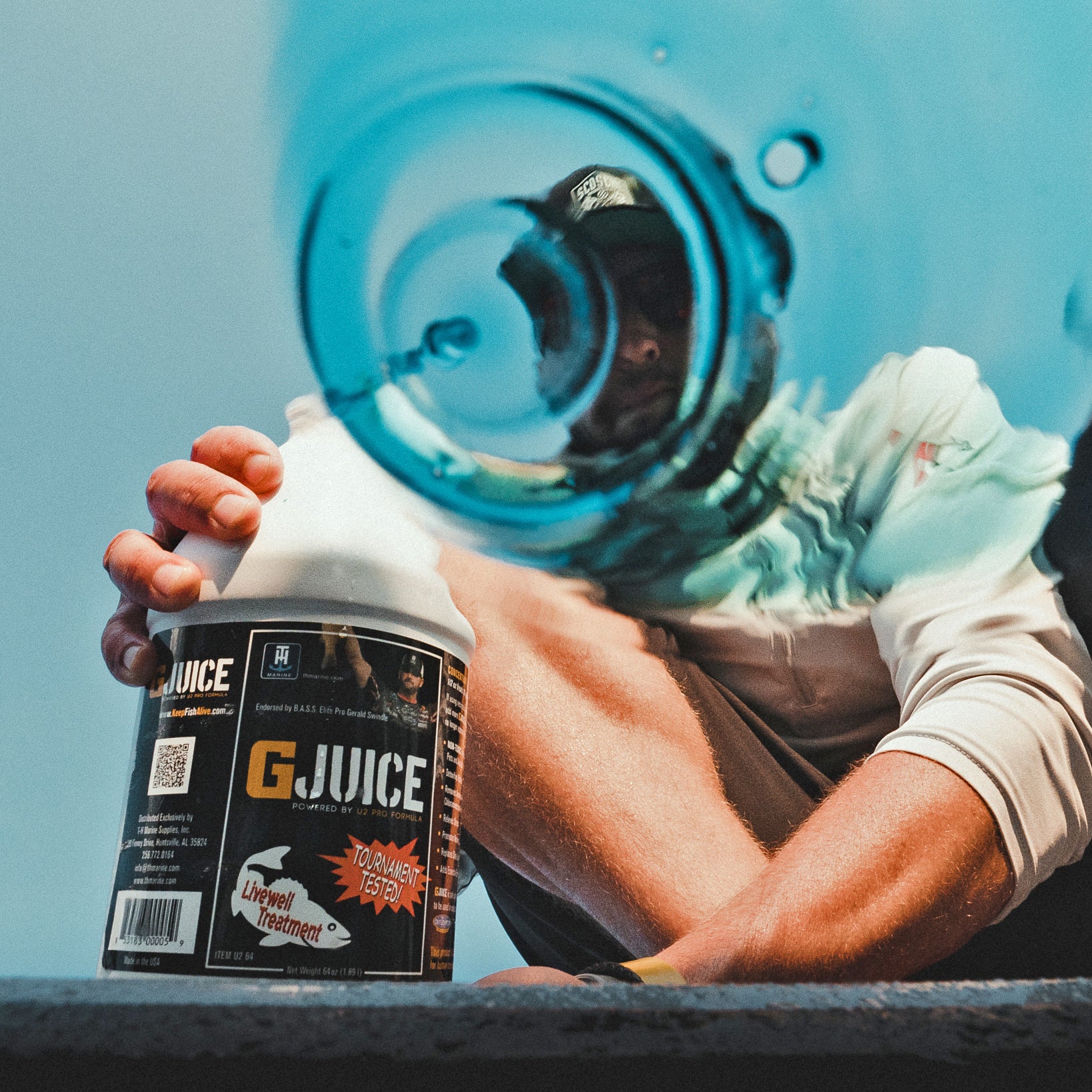
Credit: thmarinesupplies.com
Filtration Techniques
Water quality is very important for marine fish health. Proper filtration helps keep the water clean and safe. Filtration removes dirt, harmful chemicals, and waste from the tank.
There are three main types of filtration used in marine tanks. Each type plays a specific role in maintaining good water conditions for fish.
Mechanical Filtration
Mechanical filtration removes solid waste from the water. It traps particles like uneaten food and fish waste. This stops the water from becoming cloudy and dirty.
- Sponges
- Filter pads
- Foam blocks
- Filter floss
Biological Filtration
Biological filtration uses good bacteria to break down harmful substances. These bacteria convert toxic ammonia into less harmful nitrate. This process is called the nitrogen cycle.
| Filter Media | Purpose |
|---|---|
| Bio Balls | Provide surface area for bacteria growth |
| Ceramic Rings | Trap bacteria and help break down waste |
| Live Rock | Natural habitat for beneficial bacteria |
Chemical Filtration
Chemical filtration removes impurities using special materials. It helps clear toxins, odors, and discoloration. Common materials include activated carbon and resins.
- Activated carbon removes chemicals and odors.
- Phosphate removers reduce algae growth.
- Ion exchange resins balance water minerals.
Maintaining Optimal Salinity
Salinity is the amount of salt in water. Marine fish need the right salt level to stay healthy.
Keeping salinity steady helps fish survive and grow. It also stops stress and disease.
Measuring Salinity Accurately
Check salinity with a reliable tool. Good tools give exact salt readings in your tank.
Use tools like hydrometers or refractometers. They show how much salt is in the water.
- Hydrometers measure water density to estimate salt.
- Refractometers use light bending to find salinity.
- Test salinity often, at least once a week.
- Record readings to spot changes early.
Adjusting Salt Levels Safely
Add salt mix slowly to change salinity. Fast changes can harm marine fish.
Mix salt with fresh water before adding it to the tank. Stir well to dissolve all salt.
- Raise salinity by adding small amounts of saltwater.
- Lower salinity by replacing tank water with fresh water.
- Change salinity gradually over hours or days.
- Test water after adjustments to confirm safe levels.
Preventing Common Water Issues
Keeping your marine fish healthy starts with water quality. Preventing common water issues is essential for their well-being. Let’s explore some key methods to maintain a balanced aquatic environment.
Controlling Ammonia And Nitrite
Ammonia and nitrite can be harmful to fish. It is important to monitor these levels closely. Regular testing will help you keep these toxins in check.
- Use a reliable test kit weekly.
- Perform partial water changes if levels rise.
- Ensure your filter is functioning properly.
Avoiding Algae Overgrowth
Algae overgrowth can cloud the water and use up oxygen. To manage algae, control light exposure and nutrient levels.
Managing Nitrate Levels
Nitrate is less toxic but can stress fish over time. Keeping nitrate levels low is crucial for a healthy tank.
| Action | Frequency |
| Change 10-15% of the water | Weekly |
| Clean filter media | Monthly |
| Check nitrate levels | Bi-weekly |
Water Change Strategies
Keeping marine fish healthy requires regular water changes. This helps maintain clean water and balanced chemistry. Let’s explore the best strategies for changing water effectively.
Water change strategies differ based on tank size and fish type. It’s important to follow guidelines for frequency and safe practices to ensure a thriving marine environment.
Frequency And Volume
Determining how often to change water is crucial. The volume of water changed also impacts fish well-being. Regular changes prevent waste buildup and keep fish healthy.
- Weekly changes for small tanks (10-20% of total volume)
- Bi-weekly changes for larger tanks (15-30% of total volume)
- Monthly checks for very large setups (monitor water parameters closely)
Safe Water Replacement Practices
Replacing water safely ensures marine fish are not stressed. It’s important to use methods that minimize sudden changes in water conditions.
Here are some safe water replacement tips:
- Match the temperature of new water to the tank water
- Use dechlorinated water to prevent harm
- Ensure salinity levels are consistent
| Tank Size | Recommended Water Change |
| Small (up to 20 gallons) | 10-20% weekly |
| Medium (20-50 gallons) | 15-25% bi-weekly |
| Large (over 50 gallons) | 20-30% monthly |

Credit: www.nt-labs.com
Advanced Treatment Options
Keeping marine fish healthy needs clean, safe water. Advanced treatments help remove harmful substances. They improve water quality beyond basic filtration.
These methods include ultraviolet light, ozone, and protein skimmers. Each method targets different water problems for better fish care.
Uv Sterilization
UV sterilization uses ultraviolet light to kill bacteria and parasites. It passes water through a UV chamber. Harmful microbes lose their ability to reproduce.
This method helps reduce diseases and algae growth. It does not remove chemicals or particles but controls microscopic threats.
Ozone Treatment
Ozone is a strong oxidizer that cleans water by breaking down organic waste. It removes odors, colors, and harmful toxins. Ozone improves oxygen levels too.
- Destroys bacteria and viruses
- Reduces organic compounds
- Improves water clarity and smell
- Requires careful dosing to avoid harm
Protein Skimmers
Protein skimmers remove organic waste before it breaks down. They create bubbles that attract waste particles. These particles rise and collect in a cup.
| Benefit | Effect |
| Removes dissolved organics | Improves water quality |
| Reduces nitrate buildup | Prevents algae growth |
| Increases oxygen exchange | Supports fish health |
| Works continuously | Maintains stable conditions |
Frequently Asked Questions
What Are The Best Water Treatments For Marine Fish?
The best water treatments include iodine dips, freshwater baths, and specialized anti-parasitic solutions. These help prevent infections and remove parasites effectively, ensuring healthy marine fish.
How Often Should Water Treatments Be Applied To Marine Fish?
Water treatments should be applied during quarantine or when symptoms of disease appear. Regular preventive treatments are recommended every 2-4 weeks to maintain fish health and water quality.
Can Water Treatments Harm Marine Fish If Overused?
Yes, overusing water treatments can stress or harm marine fish. Follow dosing instructions carefully and avoid frequent treatments unless necessary to keep fish safe.
Are Natural Water Treatments Effective For Marine Fish?
Natural treatments like sea salt baths and garlic extracts can support fish health. However, they may not be as potent as specialized chemical treatments for serious infections.
Conclusion
Healthy marine fish need clean, well-treated water. Using the best water treatments helps keep fish safe from diseases. Simple steps like testing water and using proper chemicals make a big difference. Remember to follow instructions carefully for each treatment. Good water quality means happy, vibrant fish in your tank.
Keep learning and adjusting your care routine. Your marine fish will thank you with their beauty and health. Caring for your aquarium is a rewarding experience. Small efforts lead to big results in fish health.