
Feeding your ornamental fish can feel simple—until you have territorial species in your tank. These fish guard their space fiercely, and what you feed them, how often, and where can make all the difference in their health and behavior.
If you want your aquarium to thrive without constant fights or stress, you need to understand the right feeding strategies. Keep reading, and you’ll discover easy tips to keep your territorial fish happy, well-fed, and peaceful. Your tank will thank you for it.
Choosing The Right Food
Feeding territorial ornamental fish needs careful food choices. Proper food helps keep fish healthy and reduces fights.
Different fish need different diets. Choosing the right food keeps them strong and happy in their space.
Types Of Food For Territorial Fish
Territorial fish eat many foods. You can feed flakes, pellets, live, or frozen food. Each type suits different fish needs.
- Flakes:Easy to use and good for many species.
- Pellets:Stay in water longer, good for bottom feeders.
- Live food:Includes worms, small insects, and fry. It keeps fish active.
- Frozen food:Easy to store and often more nutritious.
Balancing Nutrition And Variety
Fish need many nutrients for good health. Feeding only one food type can cause problems.
Give different foods to balance proteins, fats, and vitamins. Variety also keeps fish interested in eating.
- Mix flakes and pellets for daily feeding.
- Add live or frozen foods twice a week.
- Include vegetable-based food for herbivorous species.
- Watch fish eating habits to adjust food types.
Specialized Diets For Aggressive Species
Aggressive territorial fish need special diets. Their high energy needs require rich foods.
Protein-rich foods help maintain their strength and reduce stress. Avoid overfeeding to prevent fights.
- Feed high-protein pellets or flakes designed for carnivores.
- Include live foods like bloodworms or brine shrimp.
- Keep feeding times consistent to lower aggression.
- Remove uneaten food quickly to keep water clean.
Feeding Techniques
Feeding territorial ornamental fish needs care and attention. These fish defend their space and may fight over food.
Using the right feeding techniques helps keep them healthy and reduces stress in the tank.
Targeted Feeding Methods
Feed each territorial fish directly to avoid fights and ensure all get food. Use tools like feeding tongs or pipettes.
- Place food near the fish’s territory gently
- Use sinking pellets for bottom dwellers
- Feed live or frozen food for better interest
- Feed in small amounts to reduce waste
Avoiding Overfeeding And Waste
Overfeeding causes water pollution and health issues. Watch how much your fish eat and remove leftovers quickly.
| Problem | Effect | Solution |
| Excess Food | Water Pollution | Feed Small Portions |
| Uneaten Food | Fish Disease | Remove Leftovers |
| Unequal Feeding | Fish Stress | Targeted Feeding |
Timing And Frequency
Feed your fish at regular times to keep their routine stable. Too many feedings can cause problems.
- Feed 1 to 2 times daily
- Observe fish behavior after feeding
- Adjust feeding amount if fish stay hungry or leave food
- Skip feeding once a week to clear their system
Managing Aggression During Feeding
Feeding territorial fish can lead to fights and stress. Aggression grows when fish compete for food in small spaces.
Proper feeding methods help reduce fights and keep fish healthy. Careful planning is key to peaceful feeding times.
Creating Multiple Feeding Zones
Setting up several feeding spots in the tank lets fish eat without crowding. It helps shy fish get food safely.
- Place food in different corners of the tank
- Use flat dishes or feeding rings to mark zones
- Feed small amounts at each spot to avoid fights
- Change feeding locations to keep fish calm
Using Feeding Tools To Reduce Conflict
Tools can help control how food is given. This lowers the chance of aggressive behavior and competition.
| Tool | Use |
| Feeding tongs | Place food near shy fish |
| Automatic feeders | Drop small portions evenly |
| Feeding rings | Keep food in set spots |
| Syringes | Feed liquid food or supplements |
Monitoring Behavior And Adjusting Strategies
Watch how fish act during feeding. Look for signs of stress or fights.
Follow these tips to improve feeding:
- Note which fish get bullied or miss food
- Feed at different times or places if needed
- Separate very aggressive fish when possible
- Change food type to slow down eating speed

Credit: aquariumstoredepot.com
Environmental Factors Affecting Feeding
Feeding ornamental fish, especially territorial species, needs care. Their environment affects how well they eat.
Understanding these factors helps keep fish healthy and active during feeding times.
Tank Setup For Territorial Species
Territorial fish need space and hiding spots to feel safe. This reduces stress and helps them eat well.
- Use rocks and plants to create territories
- Keep enough space between hiding places
- Avoid overcrowding to prevent fights
- Place feeding areas where fish feel secure
Water Quality And Its Impact On Appetite
Clean water keeps fish healthy and hungry. Bad water lowers their appetite and causes illness.
| Water Factor | Effect on Feeding |
| Ammonia | Reduces appetite, toxic to fish |
| Nitrite | Causes stress, lowers feeding |
| pH Level | Too high or low decreases eating |
| Temperature | Too cold or hot slows metabolism |
Lighting And Feeding Response
Light affects fish activity and hunger. Bright or dim light can change feeding habits.
- Provide natural day and night cycles
- Use moderate lighting to encourage feeding
- Adjust light intensity for shy or aggressive fish
- Turn off lights during feeding to reduce stress
Signs Of Healthy Feeding Habits
Feeding ornamental fish that are territorial requires attention to their eating patterns. Healthy feeding habits show that your fish are well and comfortable in their environment.
Watching how your fish eat can help you spot problems early. Knowing what to look for keeps your fish happy and thriving.
Recognizing Good Appetite
A strong appetite is a clear sign of healthy fish. Territorial fish often eat quickly and defend their food areas from others.
- Fish eagerly swim to food when offered
- They show quick, confident bites
- Food is finished in a short time
- Fish maintain bright colors and active movement during feeding
Detecting Stress Or Illness
Stress or illness can change how fish eat. Watch for signs that show feeding problems or discomfort.
| Sign | Possible Cause | What to Do |
|---|---|---|
| Refusal to eat | Stress, poor water quality | Check tank conditions |
| Slow or weak bites | Illness or injury | Isolate fish and observe |
| Hiding during feeding | Bullying by other fish | Provide hiding spots |
| Loss of color | Stress or malnutrition | Improve diet and tank care |
Adjusting Diet Based On Behavior
Fish behavior guides diet changes. Watch how your fish respond to food types and feeding times.
Try these tips to adjust feeding:
- Offer varied food to meet nutritional needs
- Feed smaller amounts more often to reduce aggression
- Remove leftover food to keep water clean
- Observe if fish prefer live, frozen, or dry food
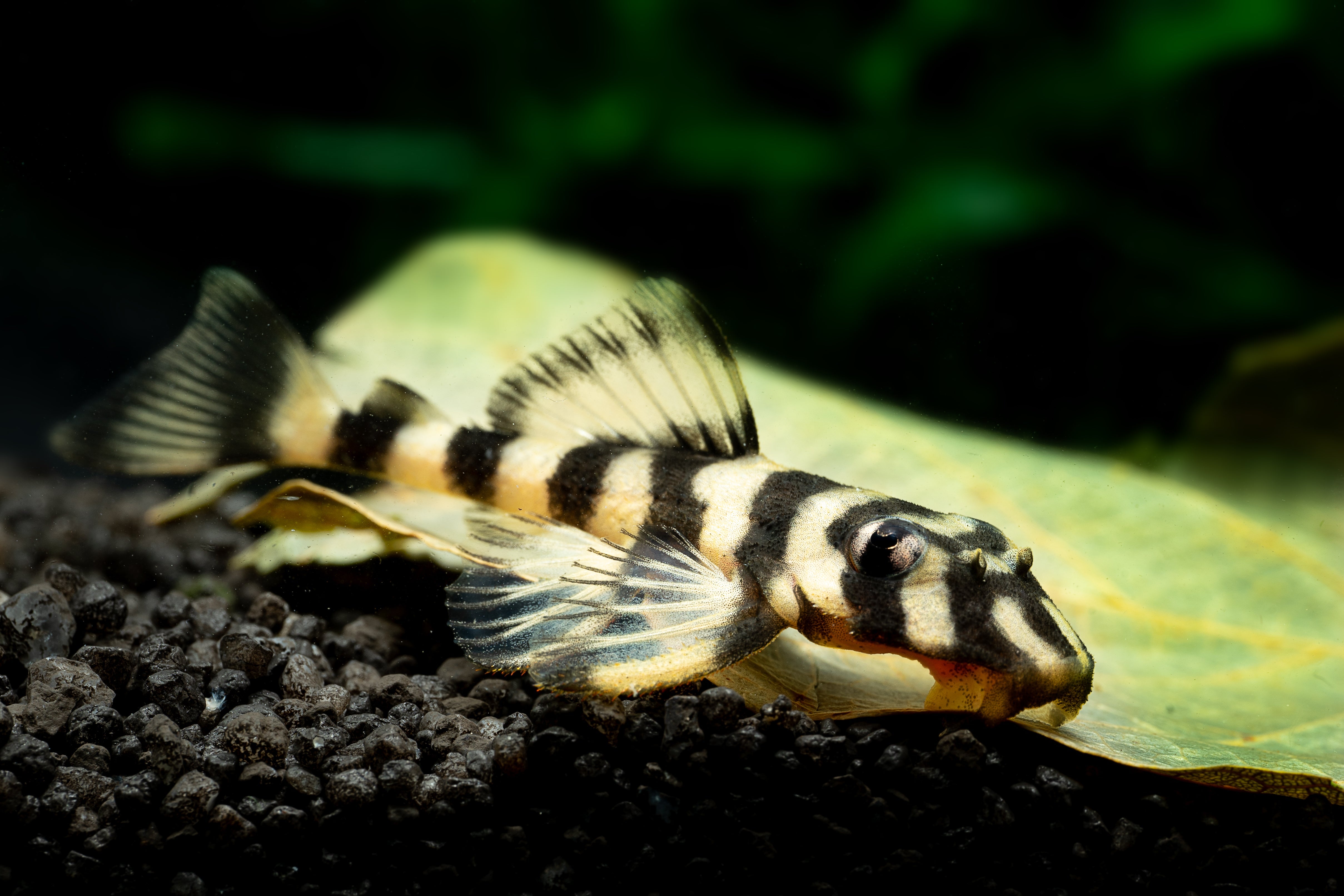
Credit: splashyfishstore.com

Credit: aquariumtidings.com
Frequently Asked Questions
How To Feed Territorial Ornamental Fish Safely?
Feed territorial fish in separate areas to reduce aggression. Use small, frequent meals to prevent competition and stress. Ensure food is appropriate for the species’ dietary needs. Monitor feeding times closely to maintain peace in the aquarium.
What Foods Are Best For Territorial Ornamental Fish?
High-quality pellets, flakes, and live foods suit territorial fish well. Include protein-rich options like brine shrimp or bloodworms. Variety ensures balanced nutrition and enhances their natural colors. Avoid overfeeding to prevent water quality issues.
How Often Should Territorial Fish Be Fed Daily?
Feed territorial fish 2 to 3 times a day in small portions. Frequent feeding helps reduce competition and aggression. Adjust feeding frequency based on species and tank conditions. Always remove uneaten food promptly to keep water clean.
Can Feeding Habits Reduce Territorial Aggression?
Yes, consistent feeding routines minimize territorial disputes during meals. Feeding all fish simultaneously reduces competition for food. Providing hiding spots also helps reduce stress and aggression. Balanced nutrition supports overall fish health and behavior.
Conclusion
Feeding territorial ornamental fish needs care and attention. Offer food in small amounts to avoid fights. Use varied diets to keep fish healthy and happy. Watch fish behavior during feeding times closely. Adjust feeding routines to reduce stress and aggression.
Clean leftover food to keep the tank safe. A calm, balanced feeding plan helps fish thrive. Enjoy the beauty of peaceful, well-fed fish daily.