
Choosing the best filter for your betta tank can feel overwhelming. You want to keep your fish healthy and happy, but not all filters are made equal.
The right filter helps maintain clean water, reduces harmful toxins, and creates a comfortable environment for your betta to thrive. You’ll discover the top filters designed specifically for betta tanks. By the end, you’ll know exactly which filter suits your setup and keeps your betta swimming with joy.
Keep reading to find the perfect match for your aquatic friend!

Credit: www.reddit.com
Choosing Filters For Betta Tanks
Betta fish need clean water to stay healthy. A good filter keeps the water fresh and safe.
Choosing the right filter helps keep your betta happy and the tank easy to maintain.
Why Filtration Matters For Bettas
Filters remove waste and toxins from the water. This stops harmful buildup that can hurt your betta.
Good filtration keeps the water clear. Clear water helps you see your betta and spot any problems early.
- Removes fish waste and leftover food
- Prevents harmful ammonia and nitrites
- Keeps water clear and odor-free
- Improves oxygen levels for betta health
Types Of Filters Suitable For Betta Tanks
Some filters work better for bettas than others. Bettas prefer gentle water flow to avoid stress.
Choose filters that clean well but do not create strong currents in the tank.
- Sponge Filters:Provide gentle filtration and good oxygen flow. Safe for bettas.
- Hang-on-back (HOB) Filters:Easy to use. Choose models with adjustable flow.
- Internal Filters:Placed inside the tank. Look for low-flow options.
- Undergravel Filters:Less common but can work in small tanks with proper care.

Credit: www.reddit.com
Sponge Filters
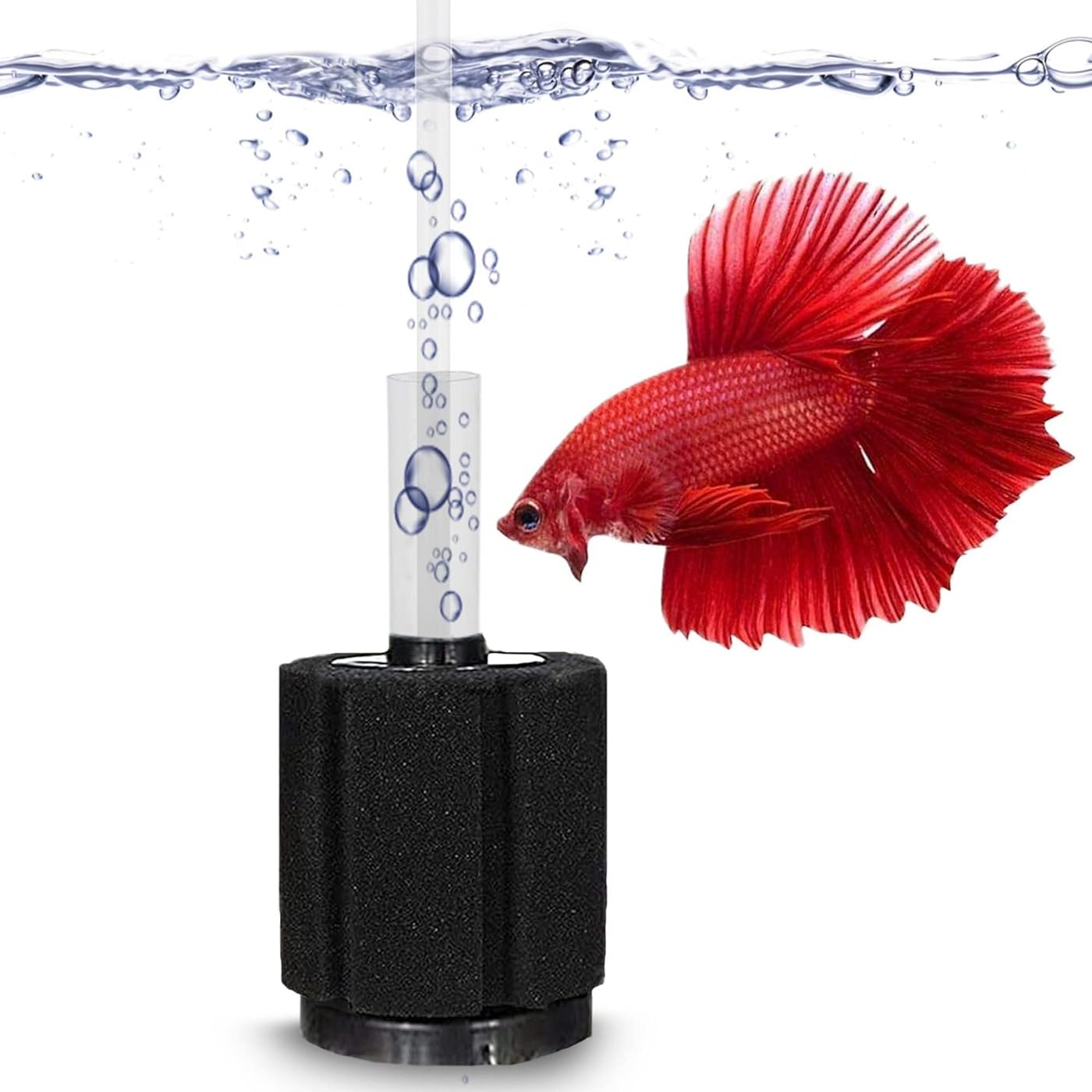
Sponge filters are popular choices for betta fish tanks. They provide gentle filtration without creating strong currents.
These filters are easy to use and keep the water clean by using a sponge to trap dirt and house good bacteria.
How Sponge Filters Work
Sponge filters use air to pull water through a sponge. The sponge traps debris and dirt from the water.
The sponge also provides a home for beneficial bacteria. These bacteria help break down harmful substances.
- Air pump pushes air into the filter
- Water moves through the sponge
- Debris gets trapped in the sponge
- Good bacteria grow on the sponge surface
- Clean water flows back into the tank
Pros And Cons For Betta Tanks
Sponge filters have many benefits for betta tanks. They are gentle, easy to clean, and support healthy bacteria.
There are some drawbacks too. They may not filter very large tanks well, and the sponge needs regular cleaning.
- Pros:
- Gentle water flow is safe for bettas
- Encourages beneficial bacteria growth
- Easy to maintain and clean
- Affordable and long-lasting
- Cons:
- Not suitable for very large tanks
- Needs regular sponge cleaning
- Can get clogged if not maintained
Hang-on-back Filters
Hang-On-Back (HOB) filters hang on the back of the fish tank. They are easy to install and clean. These filters help keep betta tanks clean and safe.
HOB filters use mechanical, chemical, and biological filtration. This keeps water clear and healthy for betta fish.
Features Of Hob Filters
HOB filters hang outside the tank, saving space inside. They pull water up, filter it, and return it gently. Most come with adjustable flow settings.
- Easy to install and remove
- Adjustable water flow to protect bettas
- Use multiple filter media types
- Compact design saves tank space
- Simple to maintain and clean
Benefits For Betta Fish
HOB filters provide clean water, which is vital for betta health. The gentle flow prevents stress and keeps bettas comfortable.
They also offer good oxygenation without strong currents. This helps bettas breathe better and stay active.
- Maintain clean, clear water
- Prevent strong water currents
- Promote healthy oxygen levels
- Reduce tank maintenance time
- Keep betta fish stress-free
Internal Filters
Internal filters are devices placed inside betta tanks to clean water. They help keep the tank healthy and clear.
These filters are popular for their small size and ease of use. They fit well in small to medium tanks.
Design And Functionality
Internal filters are compact and sit inside the tank. They use a small motor to push water through filter media.
These filters remove dirt, waste, and harmful chemicals. They also help oxygenate the water for bettas.
- Compact design fits inside the tank
- Filter media traps debris and toxins
- Gentle water flow avoids stressing bettas
- Easy to clean and maintain regularly
Suitability For Small Betta Tanks
Internal filters work well in small betta tanks. Their size does not take up much space inside the tank.
The water flow is usually adjustable. This helps keep the current gentle enough for bettas to swim comfortably.
- Fits tanks as small as 2 to 5 gallons
- Adjustable flow protects betta fins
- Quiet operation avoids stressing fish
- Easy to hide behind plants or decorations
Canister Filters
Canister filters are external filters that provide strong water flow and excellent filtration. They are popular for betta tanks that need extra cleaning power.
These filters use multiple filter media to remove debris, chemicals, and harmful substances from the water. They help keep the tank clear and healthy.
When To Use Canister Filters
Choose a canister filter if your betta tank is large or has many decorations. They work well for tanks over 10 gallons.
- You have a heavily planted tank that needs gentle but strong filtration.
- Your tank has other fish that produce a lot of waste.
- You want to reduce water changes by using efficient filtration.
- You need a filter that can handle multiple types of filter media.
Advantages And Considerations
| Advantages | Considerations |
| Strong filtration capacity for larger tanks | Larger size requires more space outside the tank |
| Customizable with different filter media types | Higher initial cost compared to internal filters |
| Quiet operation with low vibration | Setup and maintenance can be more complex |
| Improves water clarity and quality | Not ideal for very small tanks under 5 gallons |
Filter Maintenance Tips
Keeping your betta tank filter in good shape is important. It helps keep the water clean and safe for your fish. Regular maintenance can make your filter last longer.
Here are some tips to help you maintain your filter. Follow these guidelines to ensure your betta tank stays healthy.
Cleaning Frequency
You should clean your filter regularly. This keeps it working well and helps your fish stay healthy. Check your filter every two weeks.
If you see debris, it’s time to clean. Don’t wait too long between cleanings. A dirty filter can’t clean your tank water properly.
Avoiding Over-cleaning
Cleaning too much can be bad. It removes helpful bacteria from the filter. These bacteria help break down waste in the tank.
Wash the filter parts in tank water. This keeps the good bacteria alive. Tap water can kill them.
Replacing Filter Media
Filter media need replacing sometimes. Old media can’t trap dirt as well. Change it every four to six weeks.
Don’t change all the media at once. Replace a small part each time. This keeps some good bacteria in the filter.
- Check the manufacturer’s guide for replacement tips
- Use the same type of media when replacing
- Monitor your fish after changing media
Additional Tips For Clear Betta Tank Water
Keeping your betta tank water clear is essential for a healthy fish. Cloudy water can be a sign of imbalance in the tank.
Follow these simple tips to maintain crystal clear water and a happy betta.
Regular Water Changes
Performing regular water changes is crucial for clear water. It helps remove toxins and waste buildup.
- Change 25% of the water weekly.
- Use a water conditioner to remove chlorine.
- Ensure the new water matches the tank’s temperature.
Avoiding Overfeeding
Overfeeding your betta can lead to excess waste and cloudy water. Feed only what they can eat in two minutes.
| Food Type | Feeding Frequency |
| Pellets | Once or twice daily |
| Frozen Food | Twice a week |
| Live Food | Once a week |
Using Live Plants For Filtration
Live plants help filter the water naturally. They absorb nitrates and provide oxygen.
Consider plants like Java Fern, Anubias, and Marimo Moss Balls for your tank. They are easy to care for and effective in keeping the water clear.
Credit: www.shopabunda.com
Frequently Asked Questions
What Is The Best Filter Type For Betta Tanks?
The best filter for betta tanks is a gentle sponge filter. It provides safe water flow and effective biological filtration. Sponge filters prevent stress and injury to bettas while maintaining clean water. They are easy to clean and maintain in small tanks.
How Often Should I Clean My Betta Tank Filter?
Clean your betta tank filter every 2 to 4 weeks. Regular cleaning ensures efficient filtration and prevents harmful waste buildup. Avoid over-cleaning to preserve beneficial bacteria that support a healthy tank environment for your betta fish.
Can I Use A Hang-on-back Filter For Bettas?
Yes, but choose a hang-on-back filter with adjustable flow. Bettas prefer calm water, so low flow prevents stress and fin damage. Adding a pre-filter sponge can soften the water current and protect your betta.
Why Is Gentle Water Flow Important For Betta Filters?
Bettas have delicate fins and prefer low water movement. Gentle flow prevents stress, fin damage, and exhaustion. Filters designed for bettas ensure a calm environment while maintaining water quality and oxygenation effectively.
Conclusion
Choosing the right filter keeps your betta tank clean and healthy. Good filters remove waste and keep water clear. Quiet filters help avoid stressing your betta fish. Small, gentle filters work best for bettas. Regular filter cleaning makes your tank safe and fresh.
A well-filtered tank means happy, active fish. Take time to pick a filter that fits your tank size. Caring for your betta starts with clean water. Simple steps lead to a beautiful, thriving betta tank.