
Are you ready to transform your aquarium into a lush underwater garden? Dense planted tanks bring vibrant life and natural beauty right into your home.
Imagine your fish swimming through thick green plants, creating a peaceful and stunning display. You’ll discover easy and creative ideas to design your own dense planted tank. Whether you’re a beginner or looking to refresh your setup, these tips will help you create a thriving, eye-catching aquarium that you’ll love to watch every day.
Keep reading to unlock the secrets of building your perfect green oasis underwater!

Credit: www.reddit.com
Benefits Of Dense Planted Tanks
Dense planted tanks are aquariums filled with many aquatic plants. These tanks create a rich environment for fish and other creatures. They offer many benefits for both the tank and its inhabitants.
Adding many plants helps keep the water clean and clear. It also makes the tank look natural and beautiful. Let’s explore the main benefits of dense planted tanks.
Improved Water Quality
Plants absorb harmful chemicals like nitrates and ammonia from the water. This helps keep the water safe for fish. Dense plants also produce oxygen during the day, which fish need to breathe.
Having many plants reduces algae growth because plants compete for the same nutrients. This makes the water clearer and healthier for all tank life.
- Plants remove toxins and waste products
- Oxygen levels increase in the tank
- Algae growth is limited by nutrient competition
Natural Habitat For Fish
Dense plants create hiding spots and shelters for fish. This helps reduce stress and makes fish feel safe. Fish can swim around and explore just like in the wild.
Plants provide surfaces for beneficial bacteria to grow. These bacteria help break down fish waste. This supports a balanced and healthy ecosystem inside the tank.
- Plants offer protection and hiding places
- Fish feel less stressed and more active
- Beneficial bacteria live on plant surfaces
Enhanced Aesthetic Appeal
A tank full of lush plants looks vibrant and alive. The green colors and different shapes add beauty and interest. Dense plants create a natural and peaceful scene to enjoy.
Using many plants allows for creative layouts. You can mix tall and short plants or bright colors. This makes your aquarium a stunning centerpiece in any room.
- Creates a lively and colorful aquarium
- Allows creative and natural designs
- Makes the tank more enjoyable to watch
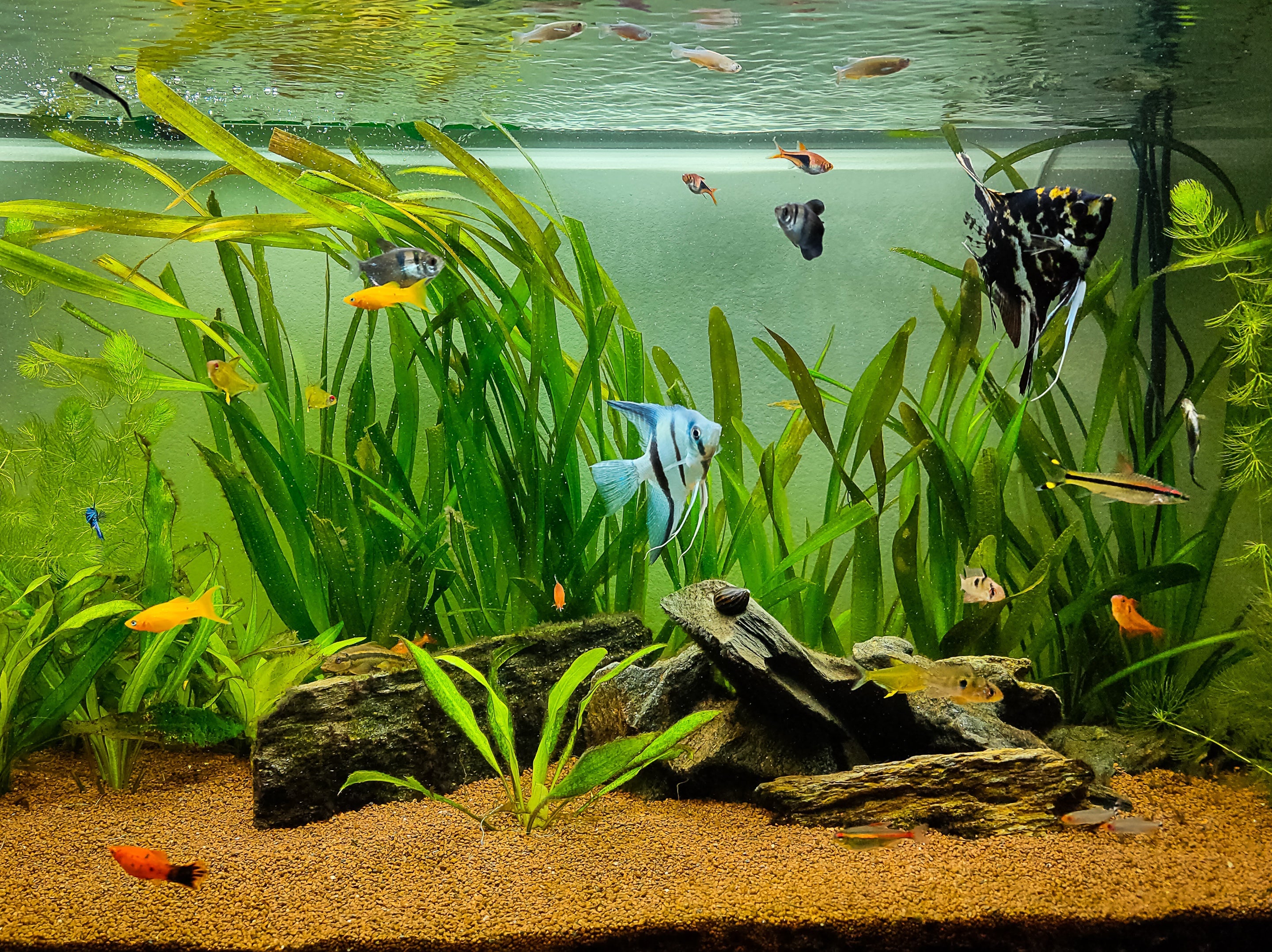
Credit: splashyfishstore.com
Choosing The Right Plants
Choosing the right plants is key for a dense planted tank. Plants need to fit your tank’s light and space.
Pick plants that grow well together and create a balanced look. This helps your tank stay healthy and pretty.
Low Light Vs. High Light Plants
Some plants grow well in low light. Others need strong light to thrive. Choose plants based on your tank’s lighting.
Low light plants usually grow slower. High light plants grow faster but need more care and good water quality.
- Low Light Plants: Anubias, Java Fern, Cryptocoryne
- High Light Plants: Rotala, Ludwigia, Dwarf Hairgrass
Fast-growing Vs. Slow-growing Species
Fast-growing plants fill the tank quickly and help reduce algae. They need more nutrients and trimming.
Slow-growing plants need less maintenance. They grow steady and add long-lasting beauty to your tank.
- Fast-Growing: Hornwort, Water Wisteria, Duckweed
- Slow-Growing: Anubias, Java Moss, Bucephalandra
Foreground, Midground, And Background Plants
Use different plant sizes to create depth. Small plants go in the front. Medium plants fill the middle.
Tall plants stay in the back. This setup looks natural and helps fish swim freely.
- Foreground: Dwarf Hairgrass, Monte Carlo, Baby Tears
- Midground: Java Fern, Cryptocoryne, Anubias
- Background: Amazon Sword, Vallisneria, Rotala
Design Styles For Lush Aquascapes
Dense planted tanks create beautiful underwater gardens. They show off many plants in a small space. Choosing the right design style helps your tank look natural and full.
Different styles guide how you place plants and decorations. Each style has its own feel and focus. Here are some popular ideas for lush aquascapes.
Nature-inspired Layouts
Nature-inspired layouts mimic forests, jungles, or riverbeds. They use plants and wood to create natural scenes. These tanks feel calm and balanced.
Use various plant sizes and shapes to add depth. Add driftwood or stones to enhance the natural look. Avoid perfect symmetry for a more organic feel.
- Mix tall and short plants
- Place hardscape elements unevenly
- Create open spaces like clearings
Iwagumi And Rock-focused Designs
Iwagumi style uses rocks as the main focus. It features a few stone pieces arranged simply. Plants fill the spaces around the rocks.
This style is clean and minimal. It highlights shapes and lines of the rocks. Use low-growing plants to keep the rocks visible.
- Choose three to five stones
- Arrange stones for balance and flow
- Use carpet plants or moss around stones
Dutch Style Planting Techniques
Dutch style focuses on colorful, dense plant groups. It uses many species with different leaf shapes and colors. Plants are arranged in rows or blocks.
This style shows off plant variety without rocks or wood. It creates a bright and lively tank. Regular trimming keeps plants healthy and neat.
- Group plants by type and color
- Use tall plants in the back
- Place medium plants in the middle
- Keep short plants in front
Hardscape Elements To Complement Plants
Hardscape elements add structure to your planted tank. They make the plants stand out and create natural views. Using the right hardscape helps plants grow better and look healthy.
This guide shows how driftwood, rocks, and substrate choices work with dense plants. Each element helps build a balanced and beautiful aquarium.
Using Driftwood Creatively
Driftwood adds a natural feel and helps plants attach roots. You can place it in the center or at the back of the tank. Use smaller pieces to create hiding spots for fish.
- Choose driftwood with interesting shapes and textures.
- Attach moss or ferns to driftwood for a lush look.
- Position driftwood to give plants room to grow around it.
- Soak driftwood before use to reduce water cloudiness.
Incorporating Rocks And Stones
Rocks give the tank a solid base and contrast with soft plants. Use stones to build terraces or caves. Make sure stones are safe and do not change water chemistry.
| Rock Type | Color | Effect on Water |
| Seiryu Stone | Gray with white veins | Raises pH slightly |
| Dragon Stone | Brown with holes | Neutral |
| Lava Rock | Black porous | Neutral |
| Slate | Dark gray, flat | Neutral |
Substrate Choices For Dense Growth
Substrate supports plant roots and holds nutrients. Choose substrates that keep water clear and help plants spread. Mixing types can improve tank health.
- Use nutrient-rich soil for strong root growth.
- Add fine gravel on top to prevent cloudiness.
- Mix sand with soil to improve texture.
- Replace or add substrate slowly to avoid tank stress.
Planting Techniques For Density
Creating a dense planted tank brings a lush and natural look to your aquarium. Good planting techniques help plants grow thick and healthy.
By using the right methods, you can fill your tank with vibrant greenery that looks full and balanced.
Layering And Grouping Plants
Layering plants means placing tall plants at the back and short plants in front. This makes the tank look deep and full.
Grouping plants of the same type or color creates clusters that look natural and dense. Avoid planting single stems far apart.
- Use tall plants like Vallisneria at the back.
- Place medium plants like Cryptocoryne in the middle.
- Put small plants like dwarf hairgrass at the front.
- Group plants with similar needs together.
Trimming And Maintenance Tips
Regular trimming keeps plants healthy and stops overgrowth. Cut back old leaves and trim stems to encourage bushy growth.
Remove dead or yellow leaves quickly to prevent decay. Clean your tank often to keep the water clear and plants strong.
- Trim plants every 1-2 weeks for best results.
- Use sharp scissors to make clean cuts.
- Remove dead leaves to avoid algae growth.
- Check plants for signs of stress or disease.
Promoting Healthy Root Systems
Strong roots help plants absorb nutrients and anchor firmly in the substrate. Use nutrient-rich soil or root tabs to feed roots.
Plant stems deep enough to cover roots. Avoid disturbing roots when cleaning the tank or moving plants.
- Choose substrates that hold nutrients well.
- Use root fertilizers if needed.
- Plant roots deep but not too tight.
- Keep roots safe during tank maintenance.
Lighting And Co2 For Thriving Growth
Creating a dense planted tank requires the right balance of light and CO2. These elements help plants grow strong and healthy. Let’s explore how to choose the best lighting and CO2 methods for your tank.
A thriving tank needs proper light and CO2 to mimic nature. The right setup can enhance plant growth and keep your tank vibrant.
Selecting Appropriate Light Fixtures
Light is essential for photosynthesis. It helps plants create energy. Choose light fixtures that match your tank size and plant type.
Consider LED lights. They are energy-efficient and provide the right spectrum. Make sure your fixture covers the whole tank.
- LED lights are energy-saving
- Fluorescent lights are affordable
- Check the light spectrum for plant growth
Co2 Injection Methods
CO2 is crucial for plant respiration. It aids in photosynthesis. Different methods can add CO2 to your tank efficiently.
Pressurized CO2 systems are common. They provide a steady supply. Alternatively, use liquid carbon supplements for smaller tanks.
- Pressurized systems offer constant CO2
- DIY kits are cost-effective
- Liquid carbon is easy for beginners
Balancing Light And Nutrients
Balance is key in a planted tank. Too much light can cause algae. Too little can stunt plant growth.
Ensure nutrients match light levels. Fertilizers help plants use light effectively. Monitor your tank and adjust as needed.
- Match light intensity with plant needs
- Use fertilizers to support growth
- Regularly check for algae
Fish And Invertebrates For Dense Tanks
Dense planted tanks create a lush environment for fish and invertebrates. They provide hiding spots, breeding grounds, and help maintain water quality.
Choosing the right species ensures a balanced ecosystem. Some species thrive in such settings, while others may not.
Species That Thrive In Planted Tanks
Some fish and invertebrates love dense plant growth. They feel secure and use the plants for food and shelter.
- Neon Tetras: Small and colorful, they swim in groups.
- Amano Shrimp: Great for cleaning and algae control.
- Otocinclus Catfish: Gentle fish that eat algae.
Algae Control With Tank Inhabitants
Algae can be a problem in dense tanks. Some species help keep algae under control naturally.
- Nerite Snails: They eat algae but do not harm plants.
- Siamese Algae Eaters: Active fish that target various algae types.
- Cherry Shrimp: Tiny cleaners that enjoy algae.
Compatibility Considerations
When selecting tank mates, consider their compatibility. Some species may not get along well in a planted environment.
Balance is key to a peaceful aquarium. Avoid aggressive species that may harm others or uproot plants.
- Research each species’ behavior and needs.
- Ensure similar water parameters for all inhabitants.
- Monitor interactions and adjust as necessary.
Common Challenges And Solutions
Dense planted tanks offer a beautiful underwater garden. They also come with challenges that need careful attention. Understanding these issues helps keep the tank healthy and thriving.
This guide covers three common challenges and their solutions. You will learn how to prevent algae, manage plant health, and maintain water quality.
Preventing Algae Overgrowth
Algae can grow quickly and harm the balance of your tank. It competes with plants for nutrients and light. Controlling algae is key for a healthy planted tank.
- Limit light to 8-10 hours daily.
- Do regular water changes to remove excess nutrients.
- Use algae-eating fish or shrimp as natural cleaners.
- Avoid overfeeding fish to reduce waste.
- Keep plants healthy to outcompete algae.
Managing Plant Health Issues
Plants may show signs of stress like yellowing leaves or slow growth. Common causes include poor lighting, lack of nutrients, or pests. Fixing these problems helps plants thrive.
| Problem | Cause | Solution |
| Yellow leaves | Iron deficiency | Add iron supplements |
| Slow growth | Low light | Increase light intensity or duration |
| Holes in leaves | Snails or pests | Remove pests manually or use safe treatments |
| Leaf melting | Sudden water changes | Maintain stable water conditions |
Maintaining Water Parameters
Stable water parameters support plant and fish health. Key factors include temperature, pH, and nutrient levels. Checking these regularly avoids problems.
- Test water weekly for pH, ammonia, nitrite, and nitrate.
- Keep temperature steady between 72°F and 78°F (22°C-26°C).
- Use fertilizers to supply needed nutrients.
- Perform partial water changes to keep water clean.
- Adjust CO2 levels if using a CO2 system.
Inspiring Dense Tank Examples
Dense planted tanks bring nature’s beauty into your home. They create a lush, green underwater world full of life.
These tanks use many plants packed closely together. This style helps hide equipment and gives fish plenty of hiding spots.
Small Tank Layouts
Small tanks can look very full and healthy with the right plants. Choose compact plants that grow slowly and stay small.
Arrange plants in layers to create depth. Use taller plants in the back and shorter ones in front.
- Use dwarf stem plants like Rotala or Hemianthus
- Add mosses on rocks or driftwood
- Include small ferns or Anubias for texture
- Keep open space for swimming fish
Large Aquascape Showcases
Large tanks offer more space to create detailed aquascapes. You can combine many plant types and hardscape elements.
Use rocks and wood to build natural shapes. Fill spaces with dense plants to form a forest-like feel underwater.
- Mix tall and bushy plants for variety
- Create paths or open areas for fish movement
- Place large stones or wood as focal points
- Use carpeting plants for a green floor
Creative Use Of Color And Texture
Color and texture make dense tanks more interesting. Use plants with different leaf shapes and colors.
Combine smooth, fine leaves with broad or rough leaves. Add red or purple plants to contrast the green.
- Use red Ludwigia or Rotala for bright color
- Mix fine mosses with large Anubias leaves
- Try plants with different shades of green
- Place plants in groups for strong texture contrast

Credit: www.reddit.com
Frequently Asked Questions
What Are The Best Plants For Dense Planted Tanks?
Best plants include Java Fern, Anubias, Amazon Sword, and Cryptocoryne. These grow well in low to moderate light and create lush coverage.
How Do I Maintain A Dense Planted Tank?
Regular trimming, balanced lighting, and consistent fertilization keep plants healthy. Also, monitor water parameters and remove dead leaves promptly.
Can Dense Planted Tanks Support Fish And Shrimp?
Yes, dense plants provide hiding spots and improve water quality, making a perfect habitat for many fish and shrimp species.
What Lighting Is Ideal For Dense Planted Tanks?
Moderate to high lighting promotes growth. LED lights with adjustable intensity are energy-efficient and support diverse plant types effectively.
Conclusion
Dense planted tanks create a beautiful, natural look for your aquarium. They provide shelter and comfort for fish and other creatures. Choosing the right plants and arranging them well is key. Keep up with regular care to keep plants healthy and vibrant.
Enjoy the peaceful, green space you build with your own hands. A dense planted tank brings life and calm to any room. Start small, learn as you go, and watch your tank thrive.