
Are you tired of constantly trimming your aquarium plants or watching them grow out of control? Slow-growing aquarium plants might be the perfect solution for your tank.
These plants not only save you time and effort but also create a beautiful, stable environment for your fish. You’ll discover the best slow-growing plants that keep your aquarium looking fresh and healthy without overwhelming your space. Ready to find out which plants can transform your underwater world with minimal upkeep?
Keep reading!

Credit: glassboxdiaries.com
Benefits Of Slow-growing Plants
Slow-growing aquarium plants add beauty to tanks without much work. They grow at a gentle pace, making them easier to manage.
These plants help keep your aquarium healthy and look natural for a long time. They fit well in many tank setups.
Low Maintenance Advantage
Slow-growing plants need less trimming and care. They do not outgrow the tank quickly, so you save time.
These plants are good for beginners. You do not have to worry about constant pruning or fast growth problems.
Stable Aquascape Design
Slow growth keeps the aquarium layout stable for longer periods. Plants stay in place and keep the design neat.
This stability helps show off other tank features like fish and decorations. It also reduces the need to rearrange plants.
Reduced Algae Growth
Slow-growing plants absorb fewer nutrients quickly, leaving less food for algae. This helps control algae growth naturally.
Less algae means clearer water and a healthier tank environment. It also reduces cleaning time for the aquarium keeper.
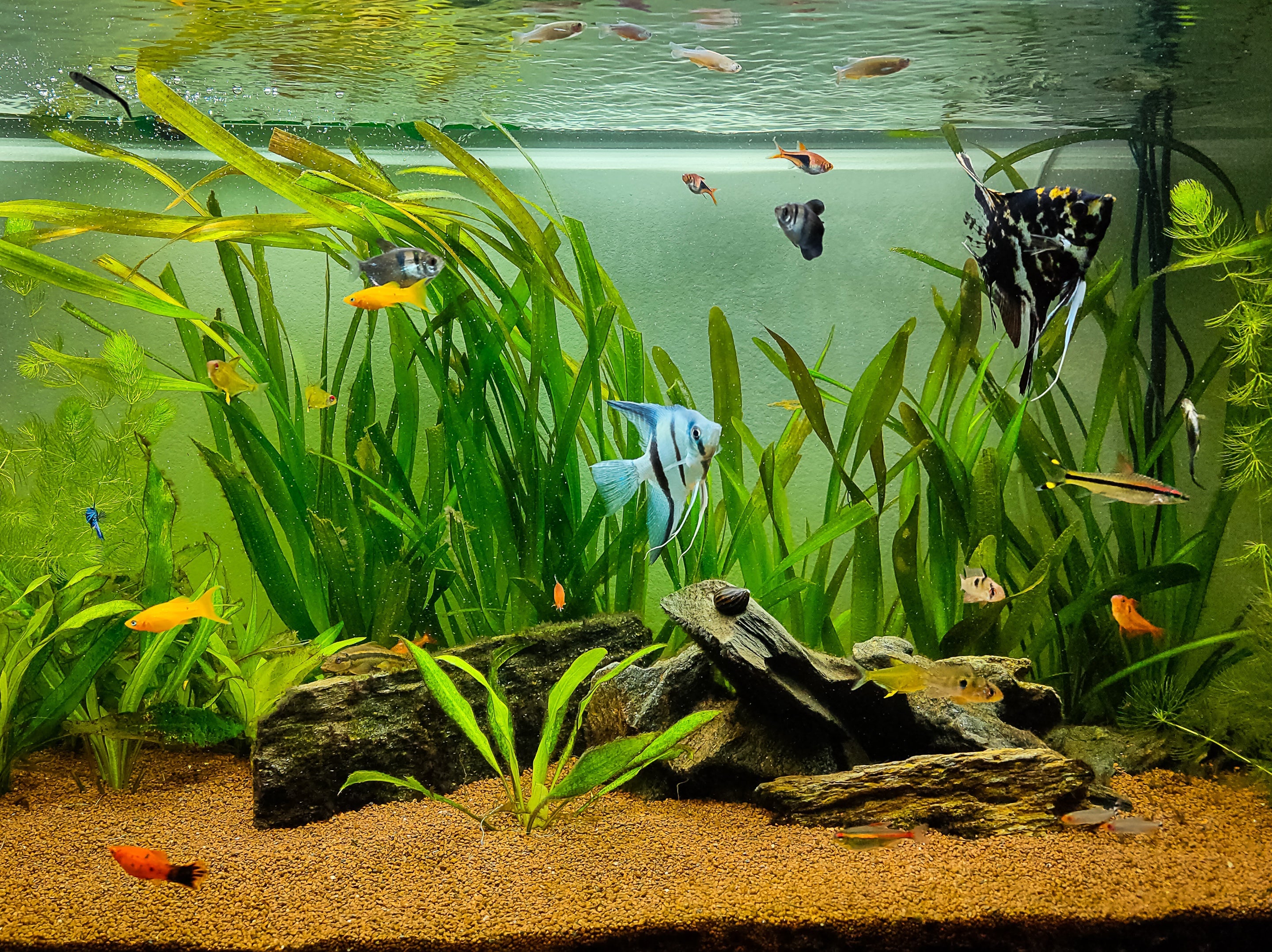
Credit: splashyfishstore.com
Top Slow-growing Aquarium Plants
Slow-growing aquarium plants add beauty and stability to your tank. They need less trimming and care. These plants are perfect for beginners and experts alike.
We will explore some popular slow-growing plants. Learn about their types and how to keep them healthy in your aquarium.
Anubias Varieties
Anubias plants are known for their thick, dark green leaves. They grow slowly and do well in low light. Anubias plants attach to rocks or driftwood, not soil.
- Anubias Nana: Small leaves, ideal for small tanks.
- Anubias Barteri: Larger leaves, good for mid-size tanks.
- Anubias Coffeefolia: Unique wavy leaves, adds texture.
- Anubias Congo: Big leaves, needs more space.
Java Fern Types
Java ferns are easy to care for and slow to grow. They prefer to attach to hard surfaces. Their long green leaves create a natural look in any aquarium.
| Type | Leaf Shape | Size |
| Java Fern (Standard) | Long and narrow | Medium |
| Java Fern Windelov | Deeply divided leaves | Medium |
| Java Fern Trident | Three-pronged leaves | Small |
Cryptocoryne Species
Cryptocoryne plants have a slow growth rate and come in many shapes and colors. They do best in low to medium light. These plants like a nutrient-rich substrate.
Popular Cryptocoryne species include:
- Cryptocoryne Wendtii: Brownish-green leaves, very hardy.
- Cryptocoryne Balansae: Wide leaves, grows taller.
- Cryptocoryne Parva: Smallest species, good foreground plant.
Bucephalandra Options
Bucephalandra plants grow slowly and prefer shaded areas. They have thick leaves with different textures. These plants attach well to stones and wood.
- Bucephalandra ‘Brownie Ghost’: Small, brownish leaves.
- Bucephalandra ‘Purple Gem’: Dark purple leaves, eye-catching.
- Bucephalandra ‘Wavy Green’: Green leaves with a wavy edge.
- Bucephalandra ‘Black Pearl’: Dark leaves with a pearl shine.
Choosing Plants For Your Tank
Slow-growing aquarium plants add beauty and calm to your tank. They need careful choices to thrive well.
Picking the right plants helps keep your aquarium healthy and balanced. Consider their needs before buying.
Lighting Requirements
Slow-growing plants usually need low to medium light. Too much light can cause algae problems.
Choose lights that fit the plant’s needs. Check how many hours of light they require daily.
- Low light: 6-8 hours per day
- Use LED or fluorescent lights
- Avoid direct sunlight on the tank
Water Parameters
Slow-growing plants need stable water conditions. Check the water’s pH, hardness, and temperature.
Most slow growers like slightly acidic to neutral water. Keep the temperature between 72°F and 78°F.
| Parameter | Ideal Range |
|---|---|
| pH | 6.0 – 7.5 |
| Hardness (GH) | 3 – 8 dGH |
| Temperature | 72°F – 78°F (22°C – 26°C) |
Tank Size Considerations
Choose plants that fit your tank size. Small tanks need smaller plants with slow growth.
Taller plants suit bigger tanks. They give hiding spots and help fish feel safe.
- Small tanks: Anubias, Java Fern
- Medium tanks: Cryptocoryne, Bucephalandra
- Large tanks: Aponogeton, Vallisneria

Credit: www.reddit.com
Planting And Placement Tips
Slow-growing aquarium plants need special care to thrive. Proper planting and placement help them grow strong.
Choosing the right spot and planting method makes your aquarium look natural and healthy.
Substrate Selection
Good substrate supports root growth and holds nutrients. Use fine gravel or nutrient-rich soil for slow growers.
Avoid coarse substrates that can damage delicate roots. Layering substrate helps plants get nutrients better.
- Use nutrient-rich soil under a thin gravel layer
- Choose substrates that do not cloud water
- Keep substrate depth between 2 and 3 inches
Optimal Planting Techniques
Plant roots gently into the substrate. Avoid burying stems to prevent rot. Use tweezers for small plants.
Space plants apart to allow room for growth. Trim dead leaves to keep plants healthy and clean.
- Insert roots deep enough to hold plant firm
- Keep stem bases above substrate surface
- Handle plants carefully to avoid root damage
Creating Depth And Layers
Place taller plants at the back of the tank. Short plants go in front. This creates a natural look.
Use mid-sized plants between tall and short ones. Add rocks or driftwood to add texture and layers.
- Arrange plants by height for visual depth
- Group plants in small clusters, not evenly spaced
- Mix textures for a more natural aquarium
Care And Maintenance Practices
Slow-growing aquarium plants need special care to stay healthy. Their growth rate means they require gentle maintenance.
Proper care helps these plants add beauty and balance to your aquarium environment.
Pruning Slow-growers
Pruning keeps slow-growing plants neat and prevents overcrowding. Trim dead or yellow leaves carefully to avoid stress.
Use sharp scissors to cut stems near the base. This encourages healthy new growth and maintains the plant’s shape.
Fertilization Needs
Slow-growing plants need regular nutrients but in small amounts. Too much fertilizer can harm these plants and fish.
| Fertilizer Type | Recommended Dose | Frequency |
| Liquid Fertilizer | 1 ml per 10 gallons | Weekly |
| Root Tabs | One tablet per plant | Every 3 months |
| CO2 Supplement | Low to moderate | Daily (if used) |
Managing Growth Rates
Adjust lighting and nutrients to control plant growth. Slow-growers need low to moderate light levels.
- Use a timer for 6 to 8 hours of light daily
- Avoid strong fertilizers that speed growth too fast
- Keep water temperature stable between 72°F and 78°F
- Monitor plant health and trim as needed
Combining Slow And Fast-growing Plants
Creating a balanced aquarium involves using both slow and fast-growing plants. Each type of plant brings unique benefits to the underwater environment.
Slow-growing plants are easy to maintain and offer stable habitats. Fast-growing plants quickly absorb nutrients and help prevent algae growth.
Balancing Ecosystem Dynamics
Combining these plants helps balance the ecosystem. Fast-growers use nutrients swiftly, reducing algae chances. Slow-growers provide shelter for fish and other creatures.
- Fast-growers keep water clean by absorbing excess nutrients
- Slow-growers offer stable habitats for aquatic life
- Both types promote diverse and healthy ecosystems
Enhancing Visual Appeal
Using different growth rates adds visual interest. Fast-growers fill spaces quickly, while slow-growers add texture and depth.
Mixing plant types creates layers in the aquarium. This makes it more appealing to the eye.

Controlling Nutrient Levels
Fast-growing plants help control nutrients. They absorb them quickly, reducing algae risk. Slow-growing plants maintain a steady environment.
| Plant Type | Nutrient Absorption |
| Fast-Growing | High |
| Slow-Growing | Moderate |
Troubleshooting Common Issues
Slow-growing aquarium plants can face challenges. These include algae, plant decay, and environmental changes. Understanding these issues helps keep your plants healthy.
Identifying problems early is crucial. This helps in providing timely solutions to maintain a thriving aquatic environment.
Dealing With Algae
Algae often compete for nutrients with slow-growing plants. They can cover plant leaves, blocking light and slowing growth.
Reduce algae by controlling light exposure and balancing nutrients. Introducing algae-eating fish can also help manage algae levels.
- Limit light to 8 hours daily
- Use algae-eating fish like Otocinclus
- Regularly clean the tank glass
Preventing Plant Decay
Plant decay can occur if plants lack nutrients. Yellowing leaves or melting indicate nutrient deficiencies.
Ensure a balanced supply of nutrients. Use root tabs and liquid fertilizers to nourish plants effectively.
- Use root tabs for rooted plants
- Apply liquid fertilizers weekly
- Check water parameters regularly
Adjusting To Environmental Changes
Environmental changes can stress slow-growing plants. Temperature shifts or pH changes can affect plant health.
Monitor and maintain stable water conditions. Gradually introduce any changes to avoid shocking the plants.
- Keep water temperature consistent
- Maintain pH levels between 6.5 and 7.5
- Introduce new elements slowly
Frequently Asked Questions
What Are The Best Slow-growing Aquarium Plants?
Best slow-growing aquarium plants include Anubias, Java Fern, and Cryptocoryne. They require low maintenance and grow steadily, ideal for beginners.
How Do Slow-growing Plants Benefit Aquarium Health?
Slow-growing plants stabilize water quality by absorbing excess nutrients. They prevent algae growth and provide shelter for fish, enhancing the ecosystem.
Can Slow-growing Plants Survive Low Light Conditions?
Yes, many slow-growing plants like Java Fern thrive in low light. They adapt well, making them perfect for dimly lit aquariums.
How Often Should Slow-growing Aquarium Plants Be Trimmed?
Trim slow-growing plants every 4-6 weeks to maintain shape. Avoid frequent cutting as it may stress the plant and slow growth.
Conclusion
Slow-growing aquarium plants add beauty without much care. They stay neat and need less trimming. These plants suit beginners and busy hobbyists alike. Choosing the right slow growers helps keep your tank healthy. They provide shelter and improve water quality naturally.
Enjoy a calm, green aquarium that grows at its own pace. Patience brings a lovely, balanced underwater world. Try slow-growing plants and see the difference yourself.