
Are you looking for the perfect food to keep your aquarium fish healthy and lively? Frozen Daphnia might be just what your fish need.
Packed with nutrients and easy to feed, these tiny water fleas can boost your fish’s energy and color. If you want to learn how Frozen Daphnia can improve your aquarium’s ecosystem and how to use them effectively, keep reading. Your fish will thank you!
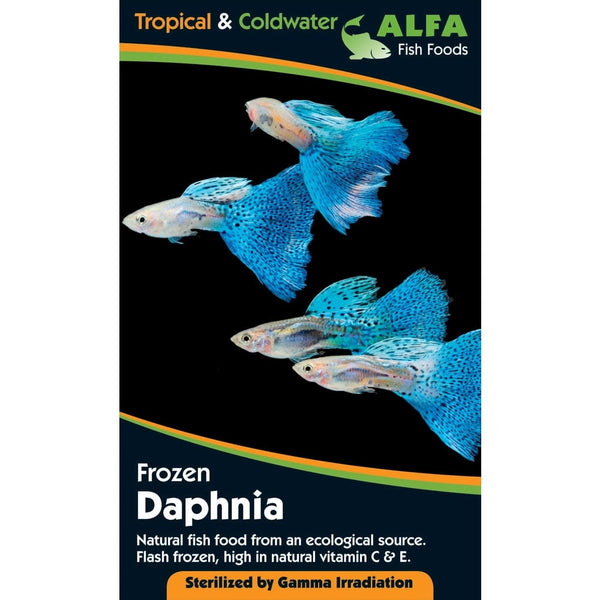
Credit: www.pond-planet.co.uk
Benefits Of Frozen Daphnia
Frozen daphnia is a popular food for aquarium fish. It provides many benefits that help fish grow and stay healthy.
This food is easy to store and use. It offers nutrition that fresh food might not always give.
Nutritional Value
Frozen daphnia contains important nutrients for fish. It has protein, fiber, and vitamins needed for growth.
These nutrients support the fish’s body functions and energy. The frozen form keeps nutrients fresh and safe.
- High in protein to build strong muscles
- Rich in fiber for good digestion
- Contains essential vitamins and minerals
Enhancing Fish Health
Frozen daphnia helps improve fish health by boosting their immune system. This helps fish fight off diseases.
Regular feeding can increase fish activity and reduce stress. Healthy fish show better behavior and live longer.
- Strengthens immune defenses
- Improves digestion and gut health
- Reduces stress and promotes activity
Improving Coloration
Frozen daphnia helps fish show brighter colors. The natural pigments in daphnia enhance their skin and scales.
Better coloration makes fish look healthy and attractive. It also signals good nutrition and care.
- Contains natural color pigments
- Enhances skin brightness and shine
- Makes fish more vibrant and appealing
Choosing Quality Frozen Daphnia
Frozen daphnia is a popular food for aquarium fish. It is rich in nutrients and easy to store. Choosing good quality frozen daphnia helps keep your fish healthy and active.
Not all frozen daphnia is the same. Quality depends on where it comes from and how it is handled. Learning to pick quality frozen daphnia will improve feeding results.
Sources And Suppliers
Look for suppliers that specialize in aquarium fish food. Trusted sources often provide fresh and clean frozen daphnia. Avoid unknown sellers that do not show clear product details.
Check if the supplier uses safe harvesting methods. Wild daphnia can carry pollutants. Suppliers who farm daphnia in clean water offer better quality.
- Choose suppliers with good reviews
- Prefer farmed daphnia over wild-caught
- Check for transparent product information
- Avoid sellers with vague or missing details
Storage Tips
Frozen daphnia must stay frozen to keep its quality. Store it in a freezer at or below 0°F (-18°C). Avoid thawing and refreezing as this lowers nutrition and safety.
Use airtight containers or sealed bags. This prevents freezer burn and contamination. Label packages with the date of purchase to track freshness.
- Keep frozen daphnia at consistent freezing temperature
- Use airtight packaging to protect from moisture
- Do not refreeze after thawing
- Label packages with purchase dates
Checking Freshness
Fresh frozen daphnia looks clean and is free of ice crystals. Large ice crystals show it may have thawed and refrozen. Check for any strange smell or discoloration.
Test a small amount before feeding your fish. If the daphnia smells bad or looks slimy after thawing, discard it. Fresh frozen daphnia smells neutral or slightly like water.
- Inspect for ice crystals or freezer burn
- Check color; it should be natural and clear
- Smell should be neutral, not sour or fishy
- Discard if texture is slimy or sticky after thawing
Feeding Techniques
Frozen daphnia is a popular food choice for aquarium fish. It provides good nutrition and encourages natural hunting behaviors. Feeding daphnia correctly ensures your fish stay healthy and active.
Learning proper feeding techniques helps avoid overfeeding and water pollution. Use the right portions and feed at suitable times. Mixing daphnia with other foods can boost variety in your fish diet.
Proper Portion Sizes
Giving the right amount of frozen daphnia is key. Too much food can dirty the tank and cause health problems. Feed only what your fish can eat in a few minutes.
- Feed small portions to avoid leftovers
- Adjust portion size based on fish size and number
- Start with a tablespoon of thawed daphnia for small tanks
- Increase portions slowly if fish show more appetite
Feeding Frequency
Regular feeding keeps fish healthy and active. Feeding frozen daphnia too often may cause water quality issues. Find a balanced schedule for your aquarium.
| Fish Type | Feeding Times per Day | Additional Notes |
|---|---|---|
| Small fish (e.g., tetras) | 1-2 | Feed small amounts each time |
| Medium fish (e.g., gouramis) | 2 | Feed moderate portions |
| Large fish (e.g., cichlids) | 2-3 | Include varied diet |
Mixing With Other Foods
Frozen daphnia works well with other fish foods. Mixing helps provide balanced nutrition and prevents boredom. Use a variety of foods to keep fish healthy.
- Combine thawed daphnia with flakes or pellets
- Add live or frozen brine shrimp occasionally
- Include vegetable-based foods for herbivores
- Feed a mix to support growth and color

Credit: www.amazon.ca
Potential Risks And Precautions
Frozen daphnia is a common food for aquarium fish. It provides essential nutrients and variety. Still, using it without care can cause problems.
Knowing the risks helps keep your fish healthy. Follow key precautions to avoid harm and keep your tank safe.
Avoiding Overfeeding
Overfeeding frozen daphnia can harm your fish and tank environment. Too much food leads to water pollution and fish stress.
- Feed small amounts at a time
- Offer food only once or twice a day
- Remove uneaten daphnia after 5 minutes
- Watch fish behavior to adjust feeding
- Use a feeding schedule for consistency
Preventing Contamination
Frozen daphnia can carry bacteria or parasites if not handled well. Contaminants can infect your aquarium and fish.
| Precaution | Reason |
| Buy from trusted sources | Ensures quality and safety |
| Keep frozen until use | Prevents spoilage |
| Use clean tools for handling | Avoids introducing germs |
| Thaw in clean water only | Keeps daphnia free of contaminants |
| Do not refreeze thawed daphnia | Stops bacteria growth |
Handling Allergies And Sensitivities
Some fish may react badly to frozen daphnia. Allergies or sensitivities can cause illness or stress.
Signs of allergies or sensitivities include:
- Loss of appetite
- Gasping at the surface
- Red or inflamed skin
- Unusual swimming behavior
If you see these signs, stop feeding frozen daphnia and try other foods.
Alternatives To Frozen Daphnia
Frozen daphnia is a popular food for aquarium fish. It provides good nutrition and is easy to store. Some fish owners look for other options to feed their fish.
Here are some alternatives to frozen daphnia that can keep your fish healthy and happy.
Live Daphnia
Live daphnia are small water creatures that fish love to eat. They are rich in nutrients and help fish stay active. Many fish prefer live food because it looks natural to them.
You can buy live daphnia from pet stores or breed them at home. Breeding live daphnia is easy and cost-effective. They also help keep aquarium water clean by eating algae.
- Rich in protein and fiber
- Stimulates natural hunting behavior
- Easy to culture at home
- Improves water quality in tanks
Other Frozen Foods
Frozen foods offer a good balance of nutrition and convenience. There are several frozen options besides daphnia. These foods can add variety to your fish diet.
Common frozen foods include bloodworms, brine shrimp, and tubifex worms. Each type has different nutrients and can suit different fish species.
- Bloodworms:High in protein, loved by carnivorous fish
- Brine Shrimp:Small and nutritious, good for young fish
- Tubifex Worms:Rich in fat, feed sparingly to avoid water pollution
Homemade Nutritional Mixes
You can prepare homemade mixes using simple ingredients. These mixes provide balanced nutrition and can be frozen or refrigerated. This option helps control ingredients and avoid additives.
Common ingredients include vegetables, fish flakes, and gelatin. Mixing these creates a paste or cubes that fish enjoy eating. Homemade mixes suit many fish types and keep diets varied.
- Cooked peas or spinach for vitamins
- Fish flakes or pellets for protein
- Gelatin to bind the mix
- Optional supplements like spirulina powder

Credit: www.hikariusa.com
Tips For Maintaining Aquarium Health
Keeping your aquarium healthy is important for your fish. Frozen daphnia can help with this. It is a natural food that supports fish health.
Learn how to manage water quality, provide a balanced diet, and monitor fish behavior. These tips will ensure a thriving aquarium environment.
Water Quality Management
Good water quality keeps fish healthy and stress-free. Check water parameters regularly. This includes pH, ammonia, and nitrate levels.
Replace 10-15% of the water weekly. This removes toxins and maintains balance. Use a water conditioner to neutralize chlorine and chloramine.
- Test water weekly
- Regular water changes
- Use water conditioner
Balanced Diet Strategies
A balanced diet is key for fish health. Frozen daphnia is a great choice. It provides essential nutrients and is easy to digest.
Offer a variety of foods. Mix frozen daphnia with flakes or pellets. This ensures your fish get all the nutrients they need.
- Include frozen daphnia
- Mix with flakes or pellets
- Ensure variety in diet
Monitoring Fish Behavior
Watch your fish for any changes in behavior. Healthy fish are active and have a good appetite. Look for signs of stress or illness.
Check for unusual swimming patterns or loss of color. These can indicate problems. Early detection helps in taking quick action.
- Observe daily
- Note any changes
- Act quickly if needed
Frequently Asked Questions
What Is Frozen Daphnia For Aquarium Fish?
Frozen Daphnia are tiny crustaceans preserved by freezing. They serve as nutritious live food for aquarium fish. Frozen Daphnia provide essential proteins and vitamins, promoting healthy growth and vibrant colors in fish.
How To Feed Frozen Daphnia To Aquarium Fish?
Thaw frozen Daphnia before feeding to avoid cold shock. Rinse with aquarium water to remove excess ice. Feed small amounts 2-3 times daily to prevent overfeeding and maintain water quality.
Are Frozen Daphnia Better Than Live Daphnia?
Frozen Daphnia offer convenience and longer shelf life than live ones. They retain most nutrients but lack movement that stimulates fish hunting instincts. Both forms are beneficial; choose based on availability and fish preference.
Can Frozen Daphnia Improve Fish Health?
Yes, frozen Daphnia are rich in nutrients that boost fish immunity and digestion. Regular feeding supports growth, coloration, and energy. They also reduce risk of parasites compared to wild-caught live Daphnia.
Conclusion
Frozen daphnia offers a healthy food option for aquarium fish. It provides essential nutrients that support growth and vitality. Fish enjoy the natural taste and texture of daphnia. Easy to store and use, it fits well in any feeding routine.
Feeding frozen daphnia helps keep fish active and colorful. A simple choice that benefits both beginner and experienced hobbyists. Try adding frozen daphnia to your aquarium diet for happy fish. Healthy fish, happy tank. Simple. Effective.