
If you keep large fish, you know how important clean, clear water is for their health. But not all aquarium filters can handle the heavy waste and size demands of big fish.
Choosing the right aquarium filter for large fish species can make the difference between a thriving tank and constant headaches. You’ll discover exactly what to look for to keep your water crystal clear and your fish happy. Keep reading—you’ll learn how to make your tank a safe, healthy home for your big aquatic friends.
Choosing The Right Filter
An aquarium filter keeps water clean and healthy for fish. Large fish need strong filters to handle their waste.
Choosing the right filter helps maintain good water quality. It also supports the health of your large fish.
Types Of Aquarium Filters
There are several types of aquarium filters. Each type works differently to clean the water.
- Hang-on-back (HOB) filters hang on the tank’s edge and pull water through a filter media.
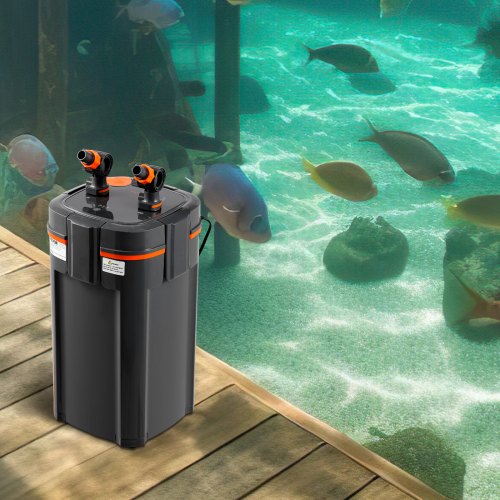
- Canister filters sit outside the tank and use tubes to move water through strong filters.
- Sponge filters use air to push water through a sponge that traps dirt and debris.
- Internal filters sit inside the tank and filter water directly where fish swim.
Filter Capacity And Flow Rate
Filter capacity means how much water the filter can clean. Flow rate is how fast water moves through the filter.
Large fish produce more waste. Choose a filter with higher capacity and flow rate for their tank.
- Use a filter that cleans 4 to 6 times the tank volume per hour.
- Check the filter’s flow rate to avoid strong currents that stress fish.
- Balance flow rate with fish size and behavior.
Compatibility With Large Fish
Filters must be safe for large fish. Some fish can get hurt by strong currents or filter parts.
Choose filters that prevent fish from being sucked in. Look for smooth intake covers and gentle flow.
- Large intake openings reduce risk of fish injury.
- Adjustable flow helps match fish needs.
- Filters with protective guards keep fish safe.
Key Features To Consider
Choosing the right aquarium filter is important for large fish. It keeps the water clean and safe. Filters help remove dirt and harmful substances.
This guide explains key features of filters. Focus on mechanical, biological, and chemical filtration. Each type plays a unique role in water quality.
Mechanical Filtration
Mechanical filtration traps solid waste and debris. It stops particles from floating in the tank. This keeps the water clear for your fish.
- Look for filters with strong flow to catch large particles.
- Use sponges or pads that are easy to clean or replace.
- Check that the filter fits your tank size and fish waste level.
Biological Filtration
Biological filtration uses good bacteria to break down harmful ammonia. These bacteria live on filter media. They keep the water safe for fish health.
| Filter Media | Purpose |
| Ceramic Rings | Provide space for bacteria to grow |
| Bio Balls | Increase surface area for bacteria |
| Sponge | Supports bacteria and traps debris |
Chemical Filtration
Chemical filtration removes toxins and odors from the water. It uses special materials to absorb bad chemicals and keep the tank fresh.
- Activated Carbon – removes odors and discoloration
- Zeolite – absorbs ammonia and other toxins
- Resins – target specific chemicals
Setting Up Your Filter
Using the right filter is important for large fish tanks. It keeps the water clean and healthy for your fish.
Setting up the filter the right way helps it work well and last longer. Follow these tips to install and start your filter.
Installation Tips
Read the filter manual before starting. Check that all parts are inside the box.
Use the tools that come with the filter. Avoid forcing parts together to prevent damage.
- Clean the filter parts with water before use
- Attach hoses firmly to avoid leaks
- Secure the filter to the tank or stand as instructed
- Check the power cord for any damage
Positioning For Optimal Performance
Place the filter where water flow is strong but not too fast. This helps clean water quickly.
Keep the filter away from direct sunlight and heat. This protects the filter parts and fish.
- Position the intake below the water surface
- Keep the filter stable to avoid vibrations
- Ensure easy access for cleaning and maintenance
- Check that the filter output flows back smoothly into the tank
Priming And Starting The Filter
Priming fills the filter with water to start working. Follow the instructions carefully to avoid air pockets.
Switch on the filter after priming. Listen for any unusual sounds that show problems.
- Fill the filter chamber with water before turning it on
- Check hoses for air bubbles and remove them
- Turn on the power switch gently
- Watch the water flow inside the tank
Credit: www.vevor.ca
Maintenance And Cleaning
Keeping an aquarium filter clean is key for large fish health. Regular care helps the filter work well and keeps water clear.
Dirty filters can harm fish and cause bad smells. Follow good cleaning habits to avoid problems.
Regular Filter Media Replacement
Filter media traps dirt and toxins in the water. It wears out and needs replacing often.
Replace filter media every 3 to 4 weeks. This keeps the filter strong and water safe for fish.
- Use media made for large fish tanks
- Do not replace all media at once
- Keep some beneficial bacteria in the filter
Cleaning Techniques
Clean the filter parts gently to keep them working well. Avoid harsh chemicals that hurt fish.
Rinse the filter media in tank water to keep good bacteria alive. Clean the tubes and housing with a soft brush.
- Turn off the filter before cleaning
- Use old tank water for rinsing media
- Clean every 2 weeks or as needed
- Check for clogs and remove debris
Signs Of Filter Malfunction
Watch for signs that the filter is not working well. Early detection helps protect your fish.
Common signs include slow water flow, strange noises, and cloudy water. Fix these problems quickly.
- Water moves slowly or stops
- Filter makes loud or unusual sounds
- Water looks dirty or smells bad
- Fish act stressed or sick
Enhancing Water Quality
Keeping water clean is key for large fish health. Good water quality helps fish live longer and grow well.
Filters remove waste and harmful substances. This guide covers ways to improve water quality for big fish.
Supplemental Filtration Options
Extra filters help keep water clear and safe. They work alongside your main filter to clean more water.
- Canister filters remove dirt and particles
- Sponge filters add beneficial bacteria
- UV sterilizers kill harmful microbes
- Protein skimmers remove organic waste
Using Water Conditioners
Water conditioners make tap water safe for fish. They remove chlorine and heavy metals that hurt fish.
| Conditioner Type | Purpose | Use Frequency |
| Dechlorinator | Removes chlorine | Every water change |
| Metal Neutralizer | Neutralizes heavy metals | As needed |
| Bacterial Supplement | Boosts good bacteria | Weekly or after filter cleaning |
Monitoring Water Parameters
Check water conditions often to keep fish safe. Use test kits to measure key values in the tank.
- Test ammonia levels to avoid poison
- Check nitrite and nitrate for waste buildup
- Measure pH to keep water stable
- Monitor temperature for fish comfort
- Record results to track changes

Credit: www.amazon.ca
Common Challenges And Solutions
Aquarium filters play a crucial role in maintaining the health and well-being of large fish species. However, they can be prone to various challenges that affect their performance and the overall aquarium environment.
Dealing With High Waste Production
High waste production is a common issue in aquariums with large fish species. This can lead to clogged filters, decreased water quality, and stress on the fish.
- Regular water changes can help reduce waste production.
- Adding beneficial bacteria to the filter can aid in waste decomposition.
- Increasing the filter’s capacity or upgrading to a more efficient model may be necessary.
Preventing Filter Clogs
Filter clogs can be caused by a variety of factors, including excessive waste production, poor filter maintenance, and incorrect filter sizing.
| Causes of Filter Clogs | Solutions |
|---|---|
| Excessive waste production | Regular water changes, beneficial bacteria addition, and filter capacity upgrade |
| Poor filter maintenance | Regular filter cleaning, maintenance schedule adherence |
| Incorrect filter sizing | Upgrade to a more efficient filter or increase filter capacity |
Managing Strong Water Currents
Strong water currents can be stressful for large fish species and can lead to filter clogs, decreased water quality, and equipment damage.
To manage strong water currents, consider the following:
- Use a high-flow filter or add additional circulation pumps.
- Install a flow-control device to regulate water circulation.
- Choose a filter with a low flow rate or upgrade to a more efficient model.
Recommended Filters For Large Fish
Keeping large fish species requires strong filtration. The right filter keeps water clean and fish healthy.
There are different types of filters suitable for large tanks. Let’s explore top options.
Top Canister Filters
Canister filters are powerful and efficient. They handle high volumes of water, ideal for large tanks.
- Fluval FX6: Known for high capacity and reliability.
- Eheim Pro 4+: Offers silent operation and easy setup.
- SunSun HW-704B: Affordable with strong performance.
Power Filters With High Flow
Power filters provide strong water movement. They are easy to maintain and great for large fish.
| Model | Flow Rate (GPH) | Features |
| AquaClear 110 | 500 | Customizable media options |
| Marineland Penguin 350 | 350 | Bio-wheel technology |
| Tetra Whisper EX70 | 340 | Simple cartridge change |
Diy Filtration Systems
DIY systems can be customized to fit specific needs. They are often cost-effective and efficient.
Consider these tips for DIY filtration:
- Use large containers for filter media.
- Ensure adequate water flow with powerful pumps.
- Regularly clean and replace media for best results.

Credit: www.amazon.ca
Frequently Asked Questions
What Type Of Filter Is Best For Large Fish Tanks?
Canister filters are ideal for large fish tanks. They provide strong mechanical, chemical, and biological filtration. They handle large water volumes efficiently, keeping the tank clean and healthy for big fish species.
How Often Should I Clean My Aquarium Filter?
Clean your aquarium filter every 2 to 4 weeks. Regular cleaning maintains optimal filter performance and water quality. Avoid over-cleaning to preserve beneficial bacteria essential for biological filtration.
Can A Filter Handle Large Fish Waste Effectively?
Yes, a quality filter designed for large tanks can handle heavy fish waste. It efficiently removes debris, toxins, and ammonia, ensuring a healthy environment for large fish species to thrive.
Is Filter Size Important For Large Fish Species?
Filter size is crucial for large fish tanks. Choose a filter rated for at least double your tank’s volume. This ensures proper water circulation and filtration for big fish species.
Conclusion
Choosing the right aquarium filter keeps large fish healthy and happy. Clean water helps fish grow and live longer. Filters remove waste and keep the tank clear. Regular filter maintenance saves your fish from stress and illness. Remember, a strong filter matches your fish size and tank volume.
Good filtration means less work and more enjoyment. Keep your aquarium fresh and your big fish thriving. Simple steps lead to a beautiful, healthy underwater world.