
If you want your fish to stay healthy and happy, reducing their stress is key. Stress can weaken their immune system, making them more vulnerable to illness.
One simple way you can help your fish feel calm and safe is by using a water conditioner. But how exactly does it work, and how can you use it effectively? Keep reading to discover easy tips that will make a big difference in your fish’s well-being.
Your finned friends will thank you!
Why Fish Stress Matters
Fish stress affects their health and lifespan. Stress can make fish weak and sick.
Using water conditioner helps keep water safe. This reduces stress and keeps fish healthy.
Signs Of Stress In Fish
Fish show stress through changes in behavior and appearance. Watch for unusual actions.
Common signs include fast breathing and hiding more than usual.
- Clamped fins
- Lethargy or lack of movement
- Loss of appetite
- Color fading or dullness
- Erratic swimming
Impact Of Stress On Fish Health
Stress lowers fish immune systems. This makes them easy to catch diseases.
Long-term stress can cause poor growth and early death in fish.
- Weakened immune response
- Increased risk of infections
- Slower healing of injuries
- Reduced energy and activity
- Shortened lifespan
Role Of Water Quality In Fish Stress
Water quality is very important for fish health. Poor water can cause stress and illness in fish. Using a water conditioner helps keep water safe and clean.
Fish live in water all the time. If the water is dirty or has harmful chemicals, fish feel stressed. Stress weakens their immune system.
Common Water Issues Affecting Fish
Many problems in water can harm fish. These issues often cause stress and sickness. Knowing these problems helps you keep fish healthy.
- Chlorine and chloramine in tap water can harm fish.
- High ammonia levels come from fish waste and can poison fish.
- Nitrite is toxic and builds up when beneficial bacteria are low.
- Low oxygen levels make fish breathe hard and feel stressed.
- Sudden changes in pH can shock fish and cause stress.
Importance Of Stable Water Parameters
Fish need stable water conditions to stay healthy. Sudden changes in water temperature or chemistry cause stress. Consistent water quality helps fish grow well.
Water conditioners keep water safe by removing harmful chemicals. They help keep ammonia and nitrite low. Using conditioners supports stable water conditions.
How Water Conditioners Help
Fish can get stressed from poor water quality. Using water conditioners helps keep fish safe. These products improve water by removing harmful substances.
Water conditioners also balance important water properties. This creates a better home for your fish to live happily.
Neutralizing Harmful Chemicals
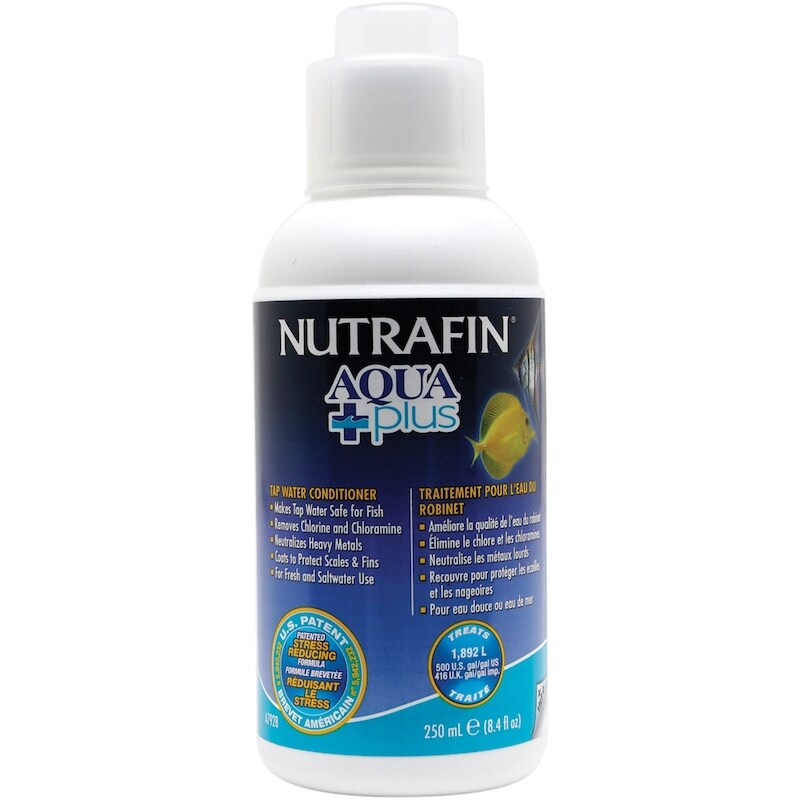
Tap water has chlorine and chloramine that hurt fish. Water conditioners remove these chemicals fast. They make the water safe for fish to swim and breathe.
- Remove chlorine and chloramine
- Detoxify heavy metals
- Reduce water toxins that cause stress
Balancing Ph And Mineral Levels
Fish need stable pH and minerals for good health. Water conditioners help keep pH levels steady. They also add minerals that fish need for strong scales and fins.
| Water Factor | Why It Matters |
| pH Level | Prevents stress and illness |
| Calcium | Builds strong bones and scales |
| Magnesium | Supports fish metabolism |
Promoting A Healthy Environment
Water conditioners support good bacteria growth. These bacteria break down waste and keep water clean. Cleaner water means less stress and disease for fish.
- Clear water with fewer toxins
- Stable water conditions
- Less fish aggression and stress
- Better growth and color
Credit: www.realcanadiansuperstore.ca
Choosing The Right Water Conditioner
Fish can get stressed by chemicals in tap water. A water conditioner helps make water safe for fish. Choosing the right conditioner keeps fish healthy and calm.
Not all water conditioners are the same. Some work better for certain problems. Knowing the types and ingredients helps you pick the best one.
Types Of Conditioners Available
Water conditioners come in several forms. Some remove chlorine and chloramine. Others help reduce heavy metals or add slime coat protectors. Choose one that fits your water needs.
- Basic conditioners remove chlorine and chloramine
- Heavy metal removers protect fish from toxins
- Slime coat conditioners improve fish skin health
- Combination conditioners offer multiple benefits
Ingredients To Look For
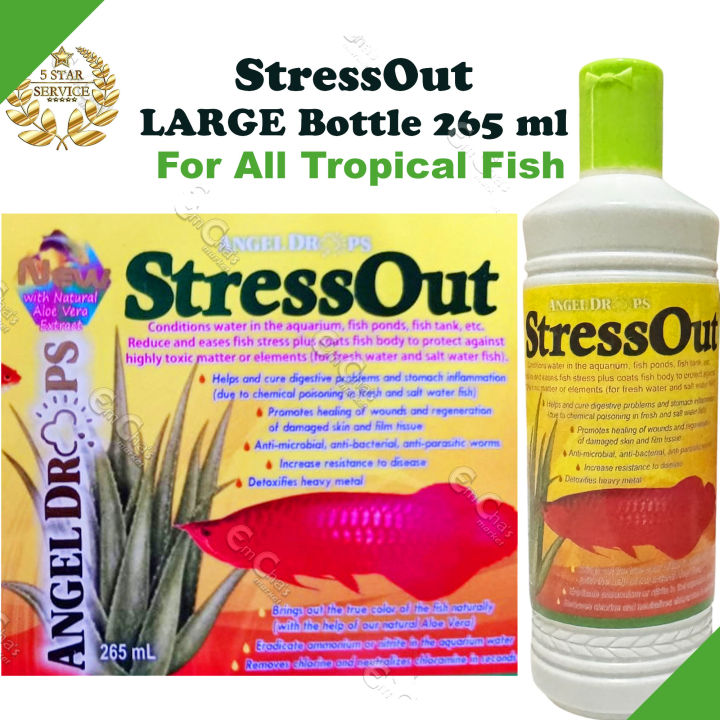
Look for ingredients that neutralize harmful chemicals. Some also add vitamins or minerals to support fish health. Natural extracts can reduce fish stress.
- Sodium thiosulfate removes chlorine safely
- Activated carbon absorbs toxins
- Humic substances soothe fish and improve water
- Vitamins like vitamin C help fish recover
Avoiding Harmful Additives
Some conditioners contain harmful chemicals or dyes. These can stress fish or damage filters. Avoid conditioners with unknown or harsh additives.
- No artificial colors or perfumes
- No heavy metals like copper or zinc
- No harmful alcohol or solvents
- Choose products made for aquarium use only
Proper Use Of Water Conditioners
Water conditioners help reduce fish stress by making tap water safe. They remove harmful chemicals like chlorine and chloramine. Using the right amount and timing is important to keep fish healthy.
Understanding how and when to add water conditioners can improve your fish tank’s environment. Follow these guidelines to protect your fish from stress and illness.
Dosage Guidelines
Always follow the dosage instructions on the water conditioner label. Using too little can leave harmful chemicals in the water. Using too much may harm your fish.
- Measure the tank water volume accurately.
- Use the recommended amount of conditioner per gallon or liter.
- Use a dropper or measuring cup for precise dosing.
- Do not overdose; more is not better.
- If unsure, start with the lower dose and adjust as needed.
When To Add Conditioner
Add water conditioner right after adding new water to the tank. This includes after water changes or filling a new aquarium. Treat water before fish come into contact with it.
| Situation | When to Add Conditioner |
| Filling new tank | Before adding fish |
| Water changes | Immediately after adding water |
| Refilling evaporated water | Before adding to the tank |
| Adding new fish | Condition water first |
Frequency Of Treatment
Regular treatment keeps fish safe from toxins. Follow a schedule based on your tank maintenance and fish type. Avoid over-treating, which can cause water imbalance.
- Treat water every time you do a partial water change.
- Use conditioner when topping off evaporated water.
- Condition water before adding new fish or plants.
- Check fish behavior; stress may mean more frequent treatments.
- Do not add conditioner daily unless advised by a specialist.

Credit: www.amazon.in
Additional Tips To Reduce Fish Stress
Fish stress can affect their health and well-being. Using a water conditioner helps, but there are more ways to keep your fish calm.
In this guide, we will look at three important practices. These tips will help maintain a peaceful and healthy environment for your aquatic pets.
Maintaining Consistent Temperature
A stable temperature is important for fish health. Sudden changes can cause stress and illness. Use a reliable heater and thermometer to keep the water temperature constant.
Consider these temperature tips:
- Set the heater to the ideal temperature for your fish species.
- Check the temperature daily to ensure stability.
- Place the aquarium away from direct sunlight and drafts.
Providing Adequate Hiding Spots
Fish need hiding spots to feel secure. These spots help reduce stress by offering a place to retreat. Decorations like rocks, plants, and caves can serve this purpose.
- Add plants to create natural hiding spaces.
- Use rocks and caves to give fish a place to hide.
- Ensure the hiding spots are safe and fish-friendly.
Regular Tank Cleaning Practices
Clean water is crucial for reducing fish stress. Regular tank maintenance helps keep the water quality high. This includes changing the water and cleaning the tank.
| Task | Frequency |
| Water Change | Weekly |
| Gravel Vacuum | Bi-weekly |
| Filter Check | Monthly |
Monitoring Fish Health Post-treatment
Using a water conditioner helps keep fish stress levels low. After treating the water, it’s important to monitor fish health. This ensures they stay happy and healthy.
Watch your fish closely after using a water conditioner. Look for signs that show they are adjusting well. Monitoring helps catch any problems early.
Behavioral Changes To Watch
Fish behavior can tell you a lot about their health. After treatment, note any changes in how they act. This helps you understand their needs better.
Look for signs like hiding more often or swimming less. These may show stress or discomfort. If you notice these, consider checking the water condition again.
- Watch for decreased appetite
- Notice changes in swimming patterns
- Observe any unusual spots or markings
Adjusting Care Based On Observations
Adjusting care based on what you see is crucial. If fish seem stressed, think about changes you can make. This could involve altering feeding habits or water conditions.
Regularly test the water to ensure it is safe. Small changes can make a big difference in fish comfort. Keep a log of observations to track improvements over time.
| Observation | Action |
| Fish hiding often | Check water quality |
| Decreased appetite | Review feeding schedule |
Credit: www.lazada.com.ph
Frequently Asked Questions
What Is The Role Of Water Conditioner In Reducing Fish Stress?
Water conditioner neutralizes harmful chemicals like chlorine and chloramine in tap water. This creates a safe environment, reducing fish stress and preventing health issues.
How Often Should I Use Water Conditioner For My Aquarium?
Use water conditioner every time you add or change water. Regular use maintains water safety and reduces stress caused by sudden chemical changes.
Can Water Conditioner Improve Fish Health And Behavior?
Yes, water conditioners detoxify heavy metals and toxins. This helps fish stay healthy, active, and less stressed, promoting better behavior and growth.
Is Water Conditioner Safe For All Types Of Aquarium Fish?
Most water conditioners are safe for freshwater and saltwater fish. Always check product instructions to ensure suitability for your specific fish species.
Conclusion
Using water conditioner helps keep fish calm and healthy. It removes harmful chemicals from tap water quickly. Stress can cause illness, so reducing it is very important. Adding conditioner before placing fish in the tank protects them. Regular use keeps water safe and comfortable for fish.
Small steps make a big difference in fish care. Healthy fish live longer and show better colors. Remember to choose the right conditioner for your fish type. Keep your aquarium clean and water balanced too. Fish will thrive with simple, careful water treatment.