
Are you struggling to keep up with feeding your fish every day? Managing your aquarium can be time-consuming, especially when your schedule gets busy.
What if you could make this task easier and worry-free? Automatic feeders are designed to help you take care of your aquatic friends without the daily hassle. You’ll discover how these handy devices can save you time, reduce stress, and keep your fish healthy.
Ready to simplify your fish care routine? Keep reading to find out everything you need to know about automatic feeders for busy aquarists like you.
Credit: www.temu.com
Benefits Of Automatic Feeders
Automatic feeders help keep your aquarium fish healthy. They give food at set times without needing you to be there.
These devices make fish care easier for busy owners. They also improve the fish’s daily routine and well-being.
Consistent Feeding Schedule
Fish need food at regular times to stay healthy. Automatic feeders provide this consistency every day.
- Feed fish at the same time daily
- Prevent overfeeding or underfeeding
- Keep fish active and healthy
Reduced Stress For Fish
Fish feel less stressed with steady feeding. Sudden or missed meals can cause anxiety in fish.
| Feeding Type | Effect on Fish |
| Automatic Feeder | Calm and healthy behavior |
| Irregular Feeding | Stress and health problems |
Convenience For Busy Owners
Automatic feeders save time for people with busy lives. They reduce the worry about feeding fish on time.
- No need to feed fish daily
- Easy to set up and use
- Works during trips or busy days
Types Of Automatic Feeders
Automatic feeders help busy aquarists feed their fish on time. These devices come in different types to match various needs.
Choosing the right feeder depends on your schedule, tank size, and fish diet. Here are common types of automatic feeders.
Timed Feeders
Timed feeders release food at set times each day. You can program them to feed fish once or several times daily.
They use a simple timer mechanism and are easy to set up. Timed feeders work well for regular feeding routines.
Portion-control Feeders
Portion-control feeders allow you to set exact food amounts for each feeding. This helps avoid overfeeding or waste.
They often have adjustable compartments or dials to control the portion size. These feeders suit tanks with specific dietary needs.
- Set small or large portions
- Reduce leftover food in tank
- Help keep water clean
Smart Feeders With App Integration
Smart feeders connect to your phone via an app. You can feed your fish remotely and customize schedules easily.
Some smart feeders track feeding history and send alerts. They offer more control and convenience for busy aquarists.
Choosing The Right Feeder
Automatic feeders help busy aquarists feed their fish on time. Picking the right feeder is important for your tank’s health.
Think about your tank size, fish type, feeding needs, and the feeder’s power source. These factors guide your choice.
Tank Size And Fish Type
Small tanks need feeders that release small amounts of food. Large tanks may need bigger feeders or multiple units.
Different fish eat different foods. Some need flakes, others pellets or frozen food. Choose a feeder that fits your fish’s diet.
- Small tanks: compact feeders with precise portions
- Large tanks: feeders with larger capacity
- Carnivorous fish: feeders that handle protein-rich food
- Herbivorous fish: feeders for plant-based flakes or pellets
Feeding Frequency And Quantity
Decide how often your fish need food each day. Some fish eat once, others twice or more times daily.
Set the feeder to release the right amount. Overfeeding can harm water quality and fish health.
- Feed small amounts multiple times for active fish
- Feed larger amounts less often for slow eaters
- Adjust feeder settings based on fish behavior
- Check and refill the feeder regularly
Power Source And Durability
Choose a feeder with a reliable power source. Battery-powered feeders offer portability and safety during power cuts.
Look for durable materials that resist moisture and salt. A sturdy feeder lasts longer in wet tank environments.
- Battery power lasts during outages
- Electric feeders need a safe place for cords
- Plastic or ABS materials resist water damage
- Check for easy cleaning features
Installation And Setup Tips
Automatic feeders help busy aquarists feed fish on time. Proper setup keeps your aquarium healthy.
This guide offers easy tips for placing, programming, and maintaining your feeder.
Placement For Optimal Dispensing
Put the feeder where fish easily find food. Avoid spots with strong water flow.
Keep the feeder dry and away from splashes. This prevents food clumping and feeder damage.
- Mount feeder above the water surface
- Choose a stable, flat spot
- Keep away from filters and air stones
- Ensure easy access for refilling
Programming Feeding Times
Set feeding times to match your fish’s needs. Most fish eat twice daily, but check species needs.
Use the feeder’s timer to set consistent meals. Avoid overfeeding to keep water clean.
- Feed small amounts several times daily
- Use manual feed option to test settings
- Adjust times for weekends or holidays
- Follow manufacturer instructions carefully
Maintenance And Cleaning
Clean the feeder regularly to stop mold and jams. Remove old food before adding new.
Check batteries often and replace when needed. Keep the device dry during cleaning.
- Disassemble feeder parts for cleaning
- Use warm water and mild soap
- Dry completely before reassembling
- Test feeder after cleaning
Common Issues And Solutions
Automatic feeders help busy aquarists feed their fish on time. They save effort and keep fish healthy. Still, some problems can happen with these devices.
Knowing common issues and their fixes makes using feeders easier. This guide explains key problems and how to solve them.
Food Jams And Blockages
Food jams occur when dry pellets or flakes stick inside the feeder. This stops food from dropping properly.
Humidity can cause food to clump. Old or broken pellets also increase blockages.
- Keep food dry and store it in a sealed container.
- Clean the feeder regularly to remove stuck pieces.
- Use the right food size for your feeder model.
- Replace old or damaged food to avoid clumps.
Battery And Power Failures
Power problems stop feeders from working on schedule. Dead batteries or loose power connections cause this.
Without power, fish may miss meals or get irregular feeding.
- Check battery level before leaving the feeder unattended.
- Replace batteries regularly, even if not fully empty.
- Ensure power cables and plugs are secure and undamaged.
- Consider backup power options if possible.
Overfeeding And Underfeeding
Feeding too much or too little harms fish health. Overfeeding pollutes water and causes obesity.
Underfeeding weakens fish and slows growth.
- Set feeder to dispense the right portion size for your fish.
- Adjust feeding times and amounts based on fish needs and tank size.
- Watch fish behavior to see if feeding needs change.
- Clean uneaten food to keep water clean.
Credit: www.aliexpress.com
Enhancing Fish Health With Automation
Automatic feeders are a great solution for busy aquarists who want to ensure their fish receive a balanced diet while minimizing the risk of overfeeding or underfeeding.
By automating the feeding process, you can maintain a consistent and balanced nutrition delivery for your fish, which is essential for their overall health and well-being.
Balanced Nutrition Delivery
- Automatic feeders can be programmed to release food at specific times of the day, ensuring that your fish receive a consistent and balanced diet.
- Many automatic feeders come with adjustable portion control, allowing you to tailor the amount of food to your fish’s individual needs.
- Some automatic feeders even have built-in timers and sensors that monitor the water temperature and adjust the feeding schedule accordingly.
Preventing Feeding-related Stress
Overfeeding is a common problem that can lead to stress and discomfort for your fish. Automatic feeders can help prevent this by releasing the exact amount of food required, reducing the risk of overfeeding.
| Benefits of Automatic Feeders |
|---|
| Reduced risk of overfeeding |
| Improved digestion and nutrient absorption |
| Less waste and reduced water pollution |
Monitoring Fish Behavior
Automatic feeders can also help you monitor your fish’s behavior and adjust their feeding schedule accordingly. For example, if your fish are not eating as much as usual, the feeder can be adjusted to release more food.
- Timer-based feeders
- Programmable feeders with sensors
- Feeders with adjustable portion control
Popular Brands And Models
Automatic feeders are a must-have for busy aquarists who want to ensure their fish receive regular meals without the hassle of manual feeding. With various brands and models available, choosing the right one can be overwhelming. In this article, we’ll explore top-rated feeders for beginners, advanced options for enthusiasts, and budget-friendly choices.
Top-rated Feeders For Beginners
For those new to automatic feeders, here are some top-rated options:
- Fluval Auto Fish Feeder: A simple and easy-to-use feeder that’s perfect for small aquariums.
- Tetra Tech 20 Automatic Fish Feeder: A reliable and adjustable feeder that’s suitable for medium-sized tanks.
- Hydor Smart Feeder: A Wi-Fi enabled feeder that allows for remote feeding and scheduling.
These feeders are great for beginners because they’re easy to set up and use. They also offer a range of features that cater to different aquarium sizes and fish types.
Advanced Options For Enthusiasts
For aquarists who want more advanced features and customization options, here are some top-rated feeders:
- Python Feeder: A high-end feeder that offers advanced features like customizable feeding schedules and automatic fish counting.
- Garlic Feeder: A feeder that allows for remote access and control via a smartphone app.
- Neon Feeder: A feeder that offers a range of advanced features like automatic water level detection and fish health monitoring.
These feeders are perfect for enthusiasts who want to take their aquarium management to the next level. They offer advanced features that allow for more precise control and monitoring of fish feeding and health.
Budget-friendly Choices
For aquarists on a budget, here are some affordable automatic feeder options:
- Aquarium Automatic Fish Feeder: A basic feeder that’s perfect for small aquariums and offers a low price point.
- Omega One Automatic Fish Feeder: A feeder that’s suitable for medium-sized tanks and offers a range of features at an affordable price.
- API Automatic Fish Feeder: A feeder that’s perfect for large aquariums and offers advanced features at a budget-friendly price.
These feeders are great for aquarists on a budget because they offer a range of features at an affordable price. They’re perfect for those who want to automate fish feeding without breaking the bank.

Credit: www.amazon.co.uk
Frequently Asked Questions
What Are Automatic Feeders For Aquariums?
Automatic feeders are devices that dispense fish food at set times. They help maintain regular feeding schedules, especially for busy aquarists. These feeders ensure your fish get consistent nutrition without daily manual feeding, improving fish health and reducing overfeeding risks.
How Do Automatic Feeders Benefit Busy Aquarists?
They save time by automating fish feeding, ensuring consistent meal times. This reduces stress about forgetting to feed fish. Automatic feeders also help maintain water quality by controlling food portions, making aquarium care easier for busy individuals.
Can Automatic Feeders Handle Different Types Of Fish Food?
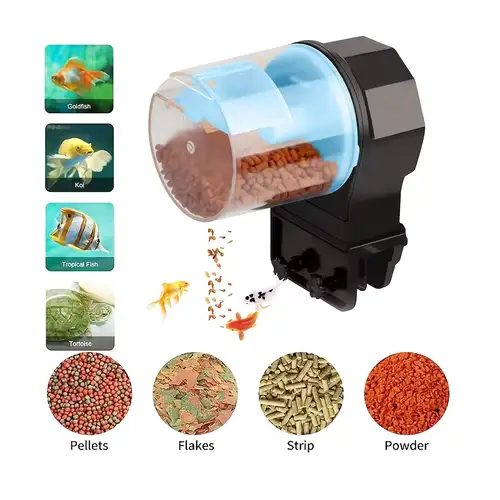
Yes, most automatic feeders accommodate flakes, pellets, or granules. Some models offer adjustable portion sizes for various food types. This versatility ensures your specific fish diet needs are met without manual intervention.
Are Automatic Feeders Easy To Program And Maintain?
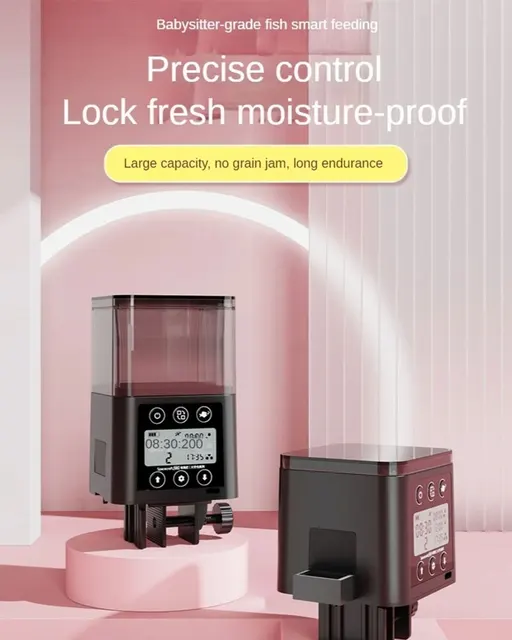
Most automatic feeders feature simple programming with digital timers. Maintenance usually involves refilling food compartments and occasional cleaning. User-friendly designs make setup quick, even for beginners, enhancing convenience for all aquarists.
Conclusion
Automatic feeders help keep fish healthy with regular meals. They save time and reduce feeding stress for busy aquarists. These devices work well for short trips or daily routines. Choose a feeder that fits your tank and fish type. Proper care and setup ensure your fish stay happy and safe.
Trust automatic feeders to support your aquarium with ease. Simple, reliable feeding makes fish care less stressful. Enjoy your aquarium without worry, even on busy days.