
Are you worried about the chlorine in your water and how it might affect your health or your plants? Removing chlorine safely is easier than you think, and doing it right can make a big difference for you and your family.
You’ll discover simple, effective methods to get rid of chlorine without risking your safety or wasting time. Keep reading to learn how you can enjoy cleaner, fresher water starting today.
Chlorine In Water
Chlorine is a chemical added to water to keep it clean. It helps kill germs and bacteria that can cause illness.
Many cities use chlorine to treat tap water. This makes the water safe to drink and use at home.
Why Chlorine Is Used
Chlorine kills harmful germs in water. It stops diseases from spreading through drinking water.
It also helps keep water clean in pipes and storage tanks. This prevents bacteria growth over time.
- Kills bacteria and viruses
- Prevents waterborne diseases
- Maintains water quality in pipes
- Easy to use and cost-effective
Health Effects Of Chlorine
Chlorine in small amounts is safe for drinking water. But high levels can cause problems.
Some people may have dry skin or irritation from chlorine. It can also affect the taste and smell of water.
- Can cause dry skin and eyes
- May irritate the nose and throat
- Strong chlorine smell and taste
- Long-term effects need more study

Credit: www.culligan.com
Signs Of Chlorine In Water
Chlorine is often added to water to kill germs. It helps keep water safe to drink.
Sometimes, you can notice chlorine in your water by its taste or smell. Testing can confirm its presence.
Taste And Smell Indicators
Chlorine gives water a sharp, chemical taste. It may also smell like bleach.
These signs show chlorine is in your water. Some people find the taste or smell unpleasant.
- Water tastes like swimming pool water
- Strong bleach-like smell when pouring water
- Unusual aftertaste that lingers in the mouth
Testing Chlorine Levels
You can test chlorine in water using simple test kits. These kits show how much chlorine is present.
Testing helps you know if chlorine is safe or if you should remove it. Many kits are easy to use at home.
- Use test strips that change color in chlorine’s presence
- Follow instructions on the test kit carefully
- Compare the color to the kit’s chart for chlorine level
- Test water from different sources in your home
Simple Methods To Remove Chlorine
Chlorine is often added to tap water to kill bacteria. It can affect the taste and smell of water. Removing chlorine is easy with a few simple methods.
These methods are safe and can be done at home. They help make water better for drinking and cooking.
Boiling Water
Boiling water is a quick way to remove chlorine. Heat the water until it reaches a rolling boil. Keep it boiling for about 15 minutes.
Boiling causes chlorine to evaporate and leave the water. This method works well for small amounts of water.
Letting Water Sit
Letting water sit in an open container removes chlorine naturally. Leave the water out for at least 24 hours. The chlorine will evaporate into the air.
This method needs no heat or tools. It is best for water you can prepare in advance.
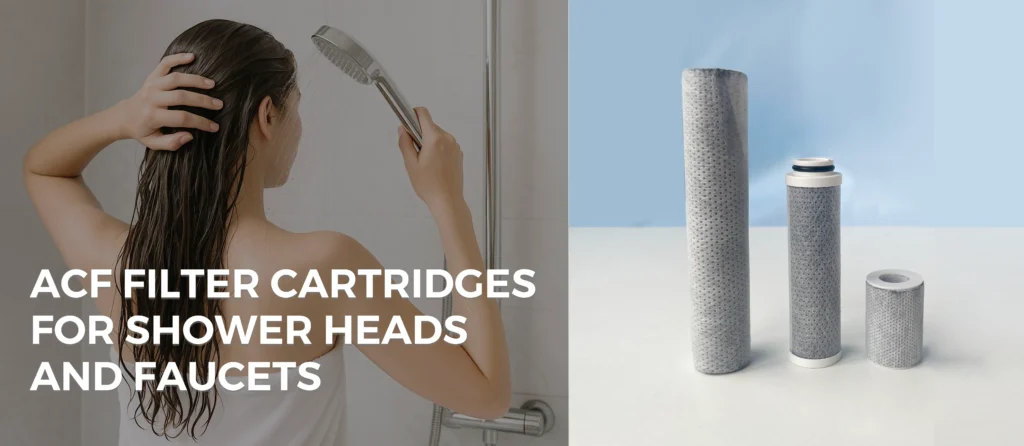
Using Activated Carbon Filters
Activated carbon filters remove chlorine by trapping it in the filter material. These filters are often used in pitchers or faucet attachments.
They improve water taste and smell quickly. Replace the filter regularly for best results.
Credit: maifilter.com
Advanced Chlorine Removal Techniques
Chlorine is often added to water for disinfection. Removing it safely protects health and improves taste. Some advanced methods go beyond simple filtering.
This guide covers chemical neutralizers, reverse osmosis systems, and UV light treatment. Each method works differently to reduce chlorine effectively.
Chemical Neutralizers
Chemical neutralizers use substances to change chlorine into harmless compounds. They act quickly and are easy to use in water systems.
- Sodium thiosulfate is common and safe for fish tanks and pools.
- Ascorbic acid (vitamin C) neutralizes chlorine and chloramine.
- Activated carbon filters can remove residual chemicals after neutralization.
Reverse Osmosis Systems
Reverse osmosis (RO) systems force water through a thin membrane. This removes chlorine along with many other impurities.
| Feature | Description |
| Membrane Type | Thin film composite |
| Chlorine Removal Rate | Up to 99% |
| Water Waste | 20-50% of input water |
| Maintenance | Regular filter and membrane replacement |
Uv Light Treatment
UV light breaks down chlorine molecules by using ultraviolet radiation. It also kills bacteria and viruses without chemicals.
- Does not add chemicals to water
- Effective against microorganisms
- Works quickly with low maintenance
Choosing The Right Method
Removing chlorine from water can be a daunting task, but choosing the right method is crucial for a safe and effective process. With various methods available, it’s essential to consider several factors before making a decision.
Factors To Consider
When selecting a method to remove chlorine from water, there are several factors to consider. These include:
- Water Quality: The type and amount of chlorine in the water, as well as any other contaminants present.
- Equipment Availability: The type of equipment needed for the chosen method, including its cost and maintenance requirements.
- Space and Convenience: The amount of space required for the equipment, as well as the convenience of the method in terms of setup and operation.
- Cost and Maintenance: The initial cost of the equipment, as well as any ongoing maintenance or replacement costs.
Cost And Maintenance
The cost and maintenance requirements of a chlorine removal method can vary significantly. Some methods, such as activated carbon filters, can be relatively inexpensive but may require frequent replacement.
| Method | Initial Cost | Maintenance Cost |
|---|---|---|
| Activated Carbon Filter | $50-$100 | $20-$50 per year |
| UV Purifier | $200-$500 | $50-$100 per year |
| Reverse Osmosis System | $300-$1,000 | $100-$300 per year |
Understanding the cost and maintenance requirements of a chlorine removal method can help you make an informed decision and choose the best option for your needs.

Credit: www.angi.com
Tips For Maintaining Pure Water
Chlorine is used to disinfect water but can be harmful in large amounts. It’s important to maintain pure water for safety and health.
Following some simple tips can help you keep your water free from excess chlorine. Regular testing and proper storage are essential.
Regular Testing
Testing your water regularly ensures its purity. You can use home test kits for this purpose. They are easy to use and provide quick results.
Test strips can indicate the chlorine levels in your water. Make sure to follow the instructions on the package for accurate readings.
- Use test strips every week.
- Record the results for future reference.
- Compare readings with safe levels.
Proper Storage Practices
How you store water impacts its quality. Proper storage can prevent chlorine from accumulating in your water.
Use containers that are clean and made from safe materials. Keep them in a cool, dark place to avoid contamination.
- Use BPA-free containers.
- Store away from direct sunlight.
- Label containers with the date filled.
Frequently Asked Questions
How Can I Remove Chlorine From Tap Water?
You can remove chlorine by using activated carbon filters or letting water sit for 24 hours. Boiling water for 15 minutes also helps. These methods effectively reduce chlorine and improve water taste safely.
What Chemicals Neutralize Chlorine In Water?
Sodium thiosulfate and ascorbic acid effectively neutralize chlorine. They are safe and commonly used in water treatment. Use according to instructions to ensure complete chlorine removal without harmful residues.
Is It Safe To Drink Water With Chlorine?
Small amounts of chlorine in water are safe and disinfect harmful bacteria. However, excessive chlorine can affect taste and health. Removing chlorine improves water quality and safety for drinking.
How Long Does Chlorine Take To Evaporate From Water?
Chlorine typically evaporates within 24 to 48 hours when water is exposed to air. Stirring or aerating speeds up the process. This natural method is simple and chemical-free for chlorine removal.
Conclusion
Removing chlorine safely protects your health and improves water quality. Use tested methods like letting water sit, using filters, or adding neutralizers. Always follow instructions carefully to avoid risks. Clean water tastes better and feels safer for skin and plants.
Keep your home and family healthy by removing chlorine the right way. Simple steps make a big difference. Stay informed and take action today.