
If you want your planted aquarium to thrive, choosing the right filter is key. Your plants and fish depend on clean, healthy water to grow strong and stay vibrant.
But not all filters work well with live plants. You might be wondering: How do you pick a filter that keeps your water clear without disturbing your delicate plants? This guide will help you understand exactly what to look for in an aquarium filter for planted tanks.
By the end, you’ll know how to create the perfect environment where your underwater garden can flourish. Keep reading to discover the secrets to a crystal-clear, lush aquarium that you’ll be proud to show off.
Choosing The Right Filter
Choosing the right filter helps keep your planted aquarium clean and healthy. The right filter supports plant growth and fish health.
Many types of filters exist, but not all fit planted tanks well. This guide helps you pick a filter that works best for your setup.
Types Of Aquarium Filters
There are several common filter types. Each works differently and suits various aquarium needs.
- Hang-On-Back (HOB) Filters:Easy to install and maintain. Good for small to medium tanks.
- Canister Filters:Powerful and quiet. Ideal for larger tanks and heavy bio-loads.
- Sponge Filters:Gentle water flow. Great for small tanks and fry.
- Internal Filters:Placed inside the tank. Suitable for small spaces.
- Undergravel Filters:Use the substrate as a filter medium. Less common in planted tanks.
Filter Size And Capacity
Filter size matters for keeping water clean. A filter too small cannot handle waste well. Too large may disturb plants.
| Tank Size (Gallons) | Recommended Flow Rate (GPH) |
| 10-20 | 100-200 |
| 21-40 | 200-400 |
| 41-60 | 400-600 |
| 61-100 | 600-1000 |
Compatibility With Planted Tanks
Planted tanks need filters that do not harm plants. Strong currents can uproot plants or stress fish.
Look for these features in filters for planted tanks:
- Adjustable flow rate to reduce water speed
- Use of gentle filtration media like sponges or bio-balls
- Low noise to avoid stressing fish
- Minimal disturbance to substrate and plants
- Easy maintenance to keep water quality high
Key Features For Planted Aquariums
Choosing the right filter helps keep plants healthy in your aquarium. Filters work to clean water and support plant growth.
Good filtration balances water flow and removes waste without harming plants or fish.
Gentle Water Flow
Planted tanks need soft water movement to protect fragile plants. Strong currents can uproot plants and disturb growth.
- Prevents damage to delicate leaves and stems
- Reduces stress for fish and aquatic creatures
- Circulates nutrients evenly across the tank
- Helps avoid dead spots where debris collects
Effective Biological Filtration
Biological filtration uses beneficial bacteria to break down fish waste. This process keeps water safe for plants and fish.
| Type of Filtration | Function |
| Biological | Breaks down harmful ammonia and nitrites |
| Chemical | Removes toxins and impurities |
| Mechanical | Filters out debris and particles |
Chemical And Mechanical Filtration
Chemical and mechanical filters work together to keep water clear and clean. They remove waste, toxins, and small particles.
- Chemical filtration uses activated carbon or resins to remove chemicals.
- Mechanical filtration traps debris like uneaten food and plant matter.
- Regular cleaning of filter media keeps the system efficient.
Popular Filter Models
Choosing the right filter is important for planted aquariums. Filters help keep water clean and plants healthy.
This guide covers three popular filter types for planted tanks. Each type has its own features and benefits.
Canister Filters
Canister filters sit outside the aquarium. They use tubes to pull water out and push it back after cleaning.
- Large filtration capacity
- Quiet operation
- Good for big tanks
- Easy to customize with filter media
Hang-on-back Filters
Hang-on-back filters hang on the aquarium’s back wall. Water flows over filter media inside the unit.
| Model | Flow Rate | Best Tank Size |
| AquaClear 50 | 200 GPH | Up to 50 gallons |
| Fluval C4 | 264 GPH | Up to 70 gallons |
| Marineland Penguin | 200 GPH | Up to 50 gallons |
Sponge Filters
Sponge filters use air pumps to push water through a sponge. They provide gentle filtration and oxygen.
- Ideal for small or shrimp tanks
- Safe for baby fish and plants
- Low cost and easy to maintain

Credit: www.2hraquarist.com
Maintaining Water Clarity
Clear water is important for planted aquariums. It helps plants grow and keeps fish healthy.
A good aquarium filter cleans the water by removing dirt and waste. This keeps the water looking fresh and clear.
Cleaning Filter Media
Filter media traps dirt and debris from the aquarium water. Over time, it can get clogged and less effective.
Cleaning filter media regularly helps keep water clear. Use aquarium water to rinse the media gently to keep beneficial bacteria alive.
- Remove the filter media carefully
- Rinse with water from the aquarium
- Avoid using tap water or soap
- Replace media only when worn out
Replacing Filter Components
Filter parts wear out over time. Replace worn parts to keep the filter working well.
Common parts to replace include sponges, cartridges, and carbon pads. Follow the manufacturer’s advice on how often to change them.
- Check filter parts monthly
- Replace sponges every 1-3 months
- Change carbon pads every 4-6 weeks
- Use parts made for your filter model
Balancing Filtration And Plant Health
Strong filtration removes waste but can disturb plants. Balance is key for a healthy planted aquarium.
Use gentle water flow and keep filter cleaning gentle. This protects plants and keeps water clear.
- Choose filters with adjustable flow rates
- Place filter outlets away from delicate plants
- Clean filter media without harming beneficial bacteria
- Test water regularly for clarity and nutrients
Tips To Enhance Filtration
Good filtration keeps your planted aquarium clean and healthy. It removes waste and helps plants grow well.
Use the right methods to improve your filter’s performance. This helps maintain clear water and strong plants.
Adding Beneficial Bacteria
Beneficial bacteria break down harmful waste in the water. They convert toxins into less harmful substances for your plants and fish.
You can add bacteria by using bio-media or bacterial starters. These help start and keep the bacteria colonies healthy in your filter.
Optimizing Flow Direction
Water flow should reach all parts of the aquarium. This moves debris to the filter and spreads nutrients to plants.
- Position the filter outflow near plants needing nutrients.
- Avoid strong currents that uproot plants.
- Direct flow to help clean all tank corners.
- Adjust flow speed based on plant and fish needs.
Using Pre-filters And Media Upgrades
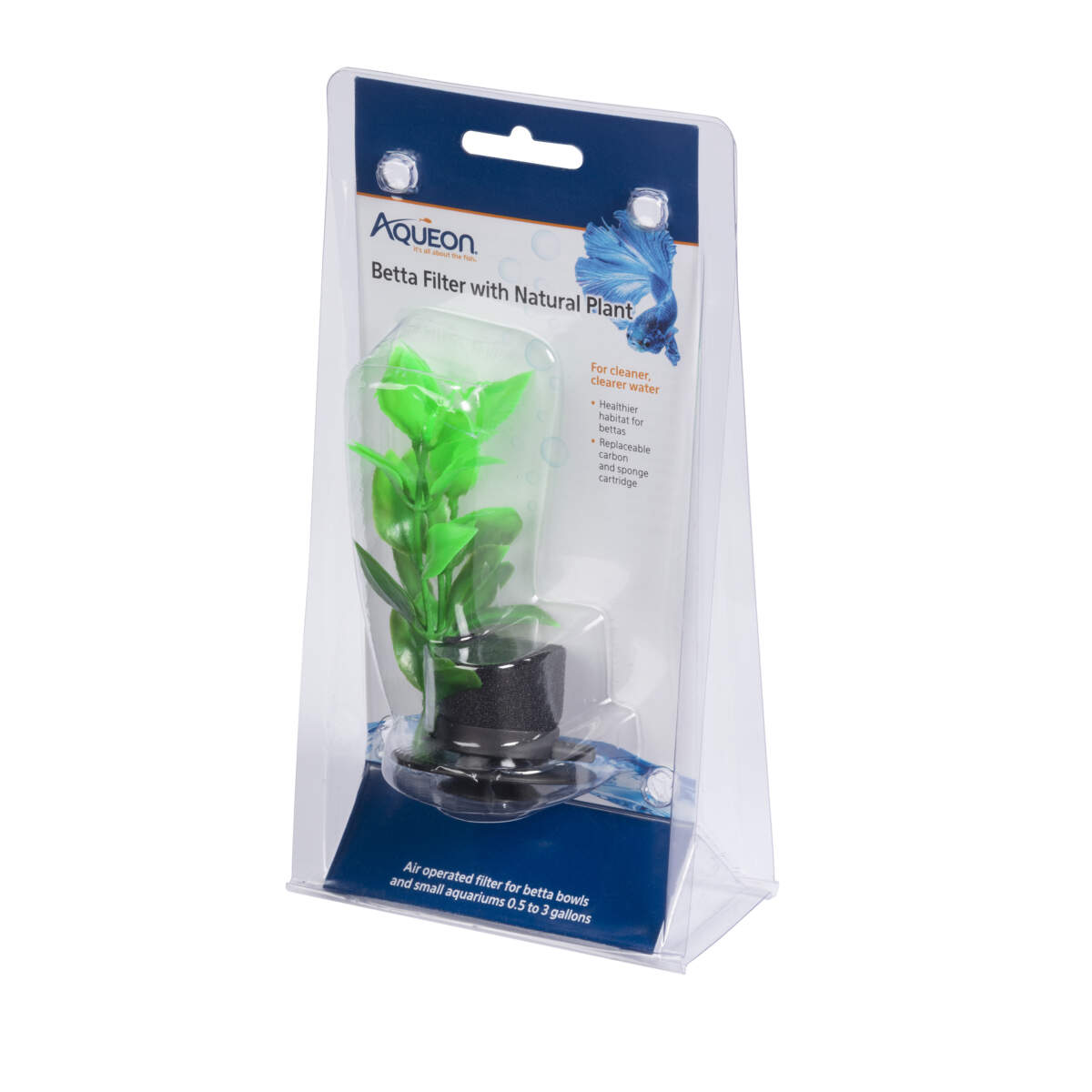
Pre-filters catch large debris before water enters the main filter. This keeps the filter media cleaner longer.
| Filter Component | Purpose | Benefit |
| Pre-filter sponge | Catches leaves and large waste | Protects main media |
| Ceramic rings | Houses bacteria | Boosts biological filtration |
| Activated carbon | Removes chemicals and odors | Improves water clarity |
| Foam pads | Traps fine particles | Keeps water clean |
Credit: www.aqueon.com
Common Challenges And Solutions
Maintaining a planted aquarium can be rewarding but challenging. Filters play a key role in keeping the environment healthy. They help manage algae, protect plants, and reduce noise.
Understanding common challenges with aquarium filters can help you find effective solutions. This ensures your plants thrive and your aquarium stays beautiful.
Algae Growth Control
Algae can overgrow and take over your aquarium. It makes the water cloudy and harms plants. Proper filtration helps manage algae by removing excess nutrients.
Use filters with good flow and mechanical media. These trap particles that feed algae. Regular maintenance also helps control algae growth.
- Clean filter media regularly
- Adjust water flow to match tank size
- Monitor nutrient levels
Preventing Plant Damage
Strong water flow from filters can harm delicate plants. Leaves may break or detach from stems. Adjusting the filter can prevent this damage.
Choose filters with adjustable flow rates. Position the filter output away from fragile plants. This helps keep plants safe and healthy.
- Use gentle water flow settings
- Direct flow towards the aquarium wall
- Secure plants with rocks or decorations
Dealing With Filter Noise
Filter noise can be distracting and unpleasant. It can disrupt the calm atmosphere of your aquarium space. Reducing noise can improve your experience.
Ensure filters are clean and correctly assembled. Check for loose parts or debris that may cause noise. You can also place padding under the filter to reduce vibrations.
- Regularly clean filter components
- Tighten all connections
- Use a rubber mat to dampen sound

Credit: www.amazon.com
Frequently Asked Questions
What Type Of Filter Is Best For Planted Aquariums?
Canister filters are ideal for planted tanks. They provide strong filtration without disturbing plants. These filters support biological, mechanical, and chemical processes efficiently.
How Does A Filter Affect Aquarium Plants?
Filters maintain water clarity and quality, promoting plant growth. They help circulate nutrients and oxygen, essential for healthy plants. Proper filtration reduces algae growth and harmful toxins.
Should I Choose Mechanical Or Biological Filtration?
Both are important. Mechanical filtration removes debris, keeping water clear. Biological filtration supports beneficial bacteria that break down waste, ensuring a healthy aquarium environment.
How Often Should I Clean My Planted Aquarium Filter?
Clean your filter every 3-4 weeks. Avoid over-cleaning to preserve beneficial bacteria. Regular maintenance ensures optimal filter performance and healthy plant growth.
Conclusion
A good aquarium filter keeps water clean and plants healthy. It helps remove dirt and harmful waste. Choosing the right filter supports fish and plant life. Quiet and efficient filters work best for planted tanks. Regular filter care keeps your aquarium fresh and clear.
Clean water means happier fish and stronger plants. A proper filter creates a balanced and thriving aquarium environment. Simple steps make a big difference in tank health. Your plants and fish will thank you for it.