
If you have a multi-species display tank, you know how important it is to keep your aquatic environment clean and balanced. Choosing the right aquarium filter can make all the difference in maintaining water quality, ensuring every fish and plant thrives.
But with so many options out there, how do you find the perfect filter that meets the unique needs of your diverse tank? Keep reading to discover the secrets to selecting an aquarium filter that will keep your multi-species display tank healthy, vibrant, and stunning.
Your underwater world deserves nothing less.

Credit: www.amazon.com
Choosing The Right Filter Type
Choosing the right filter is important for multi-species tanks. A good filter keeps the water clean and healthy.
Different filter types work better for different tank setups. Learn about the main types to pick the best one.
Hang-on-back Filters
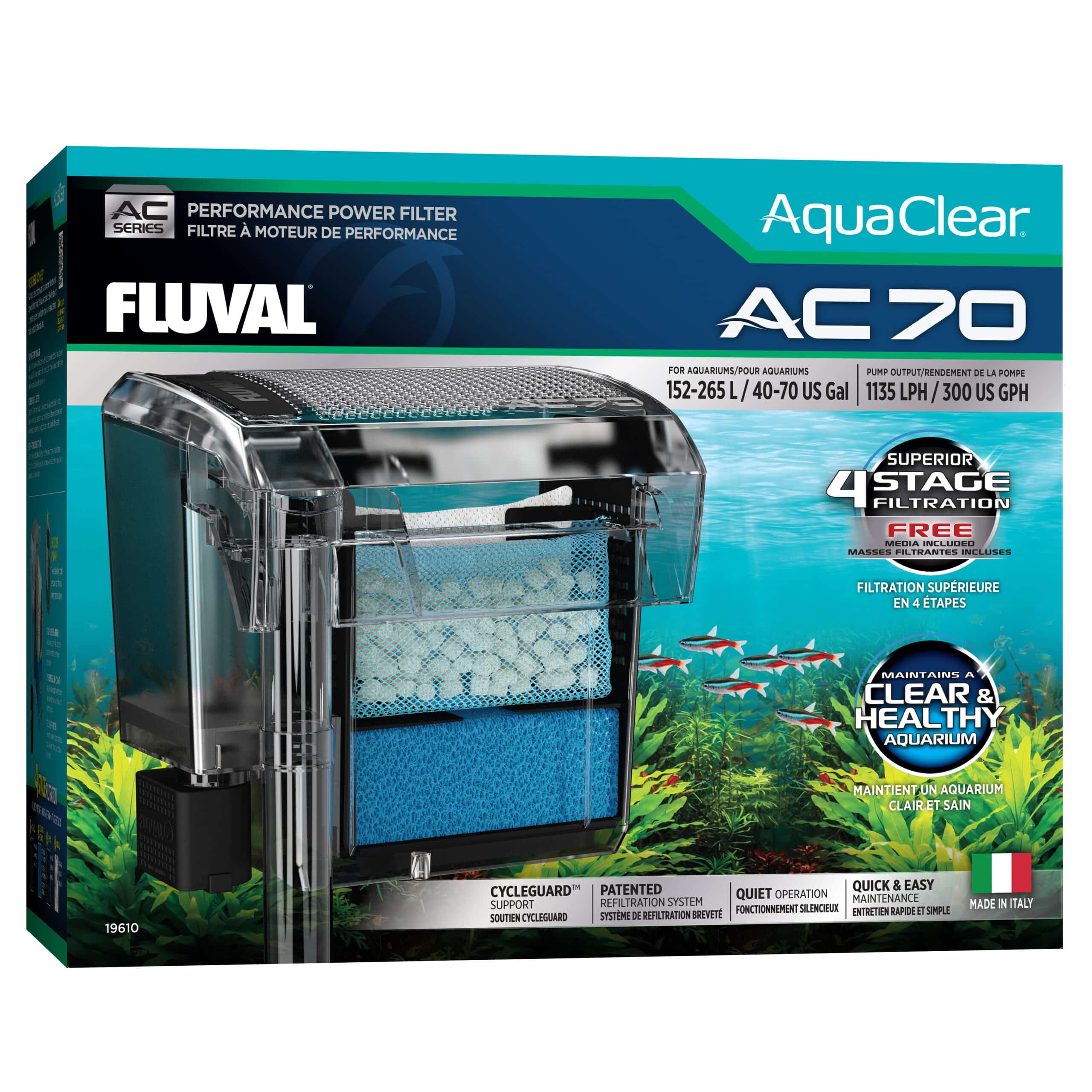
Hang-on-back filters hang on the tank’s edge. They pull water up and push it through filter media.
They are easy to install and clean. These filters work well in medium-sized tanks.
Canister Filters
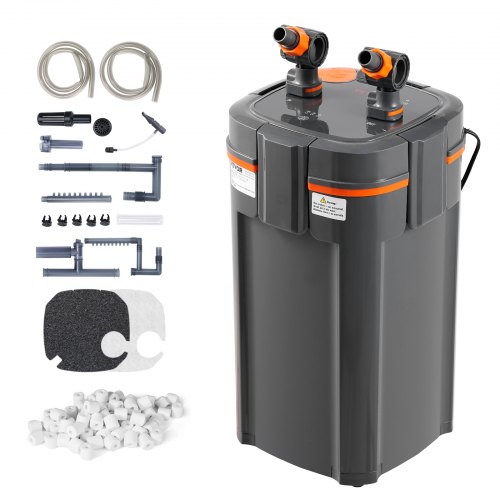
Canister filters sit below the tank. They use tubes to move water through many filter layers.
These filters are strong and great for large or crowded tanks with many fish species.
Sponge Filters
Sponge filters use air bubbles to draw water through a sponge. The sponge traps debris and offers good bacteria space.
They are gentle and good for tanks with small or delicate fish and shrimp.
Internal Filters
Internal filters sit inside the tank. They use a motor to push water through filter material.
These filters save space and are good for small tanks or tanks with limited space outside.
Undergravel Filters
Undergravel filters pull water down through gravel and filter plates. Gravel acts as the filter media.
They help with biological filtration but need regular cleaning to avoid clogging.
Filtration Methods Explained
Aquarium filters keep water clean and safe for fish. They remove dirt, waste, and harmful chemicals.
Different filtration types work together to support all species in a display tank.
Mechanical Filtration
Mechanical filtration removes solid particles from the water. It traps debris like uneaten food and fish waste.
Filters use sponges, pads, or floss to catch these particles as water flows through.
- Prevents water cloudiness
- Protects fish from harmful debris
- Helps other filter types work better
Biological Filtration
Biological filtration uses good bacteria to break down harmful waste. These bacteria live on filter media surfaces.
They convert ammonia from fish waste into less harmful substances like nitrites and nitrates.
- Maintains safe water chemistry
- Supports fish health
- Needs oxygen-rich water to work well
Chemical Filtration
Chemical filtration removes dissolved impurities and toxins from water. It uses materials like activated carbon or resins.
This process helps clear odors, discoloration, and harmful chemicals that other filters cannot catch.
- Improves water clarity
- Removes odors and toxins
- Needs regular replacement of media
Factors Affecting Filter Selection
Choosing the right filter for a multi-species display tank is important. It helps keep the water clean and safe for all fish and plants.
Several factors affect which filter will work best. These include tank size, fish types, water flow, and how much care the filter needs.
Tank Size And Bioload
The size of your tank determines how much water needs filtering. Bigger tanks need stronger filters to handle more water.
Bioload means the amount of waste produced by fish and plants. A tank with many fish or large species creates more waste.
- Small tanks (under 20 gallons) need filters with low to medium capacity.
- Medium tanks (20 to 50 gallons) require medium to high capacity filters.
- Large tanks (over 50 gallons) need high capacity filters with strong flow.
- High bioload tanks need filters with extra biological filtration.
Species Compatibility
Different fish species have different needs for water quality and flow. Some fish prefer calm water, while others like strong currents.
Filters should suit the species in your tank to avoid stress or harm. For example, delicate fish need gentle filtration.
| Species Type | Water Flow Preference | Filter Type Recommendation |
| Delicate fish (e.g., bettas) | Low flow | Hang-on-back filter with adjustable flow |
| Active swimmers (e.g., tetras) | Moderate flow | Canister filter or power filter |
| Bottom dwellers (e.g., catfish) | Low to moderate flow | Sponge filter or gentle power filter |
| Large fish (e.g., cichlids) | High flow | Strong canister or sump filter |
Water Flow Requirements
Water flow affects oxygen levels and waste removal. Filters create water movement that helps keep the tank healthy.
- Low flow is best for fragile plants and slow-swimming fish.
- Medium flow suits most community tanks with mixed species.
- High flow fits tanks with strong swimmers and high oxygen needs.
- Adjustable flow filters offer flexibility for changing tank conditions.
Maintenance Needs
Filters need regular cleaning and care. Some filters require more work than others.
Choose a filter that fits your schedule and skill level. Easy-to-clean filters save time and keep water quality steady.
| Filter Type | Maintenance Frequency | Notes |
| Hang-on-back | Weekly to bi-weekly | Easy to access and clean |
| Canister | Bi-weekly to monthly | More capacity but needs full disassembly |
| Sponge filter | Weekly | Simple but requires frequent cleaning |
| Sump filter | Monthly | Large capacity, complex setup |
Credit: fluvalaquatics.com
Setting Up Filters For Mixed Species
Setting up aquarium filters for tanks with different fish species needs care. Each species has unique needs that affect filter choice and setup.
Good filtration keeps the water clean and safe for all fish. It also helps create a balanced environment where all species can live well.
Balancing Flow For Different Fish
Different fish prefer different water flows. Some like strong currents, while others need calm water. Balancing flow helps all fish feel comfortable.
Use adjustable filters or add flow control tools. Place filters to create varied flow zones in the tank. This setup suits fish with different flow needs.
- Use sponge filters for gentle flow
- Powerheads can increase flow in specific areas
- Adjust filter output to avoid strong currents for delicate fish
- Create areas with slow flow for shy or slow swimmers
Avoiding Stress And Aggression
Stress and aggression rise when fish feel unsafe or crowded. Proper filtration helps by keeping water clean and stable.
Filters reduce harmful waste and keep oxygen levels high. This lowers fish stress and reduces fights in mixed tanks.
- Keep filter noise low to avoid scaring fish
- Use multiple filter outlets to spread water flow evenly
- Ensure good hiding spots with gentle water flow nearby
- Maintain stable water parameters with efficient filtration
Enhancing Water Quality
Good water quality is key for healthy fish. Filters remove debris, toxins, and harmful chemicals from the tank water.
Use a filter with mechanical, chemical, and biological media. This setup cleans water and supports beneficial bacteria that break down waste.
- Mechanical media traps dirt and particles
- Chemical media removes toxins and odors
- Biological media supports helpful bacteria for waste breakdown
- Regular filter cleaning keeps the system effective
Filter Maintenance Tips
Keeping your aquarium filter clean is important for a healthy tank. Filters remove waste and keep the water clear for your fish.
Regular maintenance helps your filter work well and lasts longer. This is especially true for multi-species display tanks.
Cleaning Frequency
Clean your filter at least once a month. This stops dirt from building up and blocking water flow.
If your tank is crowded or has many fish, clean the filter more often. Watch for slow water flow as a sign to clean.
- Check filter every 2 weeks
- Clean filter parts monthly
- Clean more often for busy tanks
Replacing Filter Media
Filter media traps dirt and harmful chemicals. Replace it regularly to keep water clean and safe.
Use the right media for your tank type. Follow the manufacturer’s guide for how often to change each type.
- Change carbon every 3-4 weeks
- Replace sponges when worn out
- Rinse bio-media with tank water
Troubleshooting Common Issues
Filters can have problems like noise, low flow, or leaks. Check these often to keep the tank healthy.
Simple fixes can solve many problems. Clean parts, check seals, and remove blockages carefully.
- Noise: clean impeller and check for damage
- Low flow: clear clogged media and tubes
- Leaks: tighten seals and replace worn parts
Upgrading And Customizing Filters
Maintaining a multi-species display tank requires effective filtration. Upgrading and customizing your aquarium filter can help keep the water clean and healthy.
There are many ways to enhance your filter’s efficiency. These include adding UV sterilizers, incorporating pre-filters, and using bio-media enhancements.
Adding Uv Sterilizers
UV sterilizers are useful for reducing harmful bacteria and algae in your tank. They work by using ultraviolet light to kill microscopic organisms.
Installing a UV sterilizer can help keep your tank water clear. It also promotes a healthier environment for your fish and plants.
- Reduces water cloudiness
- Decreases harmful pathogens
- Supports fish health
Incorporating Pre-filters
Pre-filters capture large debris before it reaches the main filter. This helps extend the life of your filter and improves its performance.
Adding a pre-filter is simple. It prevents clogging and reduces maintenance time for your main filter.
- Protects main filter from large debris
- Reduces cleaning frequency
- Improves filtration efficiency
Using Bio-media Enhancements
Bio-media enhances biological filtration by supporting beneficial bacteria. These bacteria break down harmful waste in the tank.
Adding bio-media to your filter increases its capacity to process waste. This leads to a more stable and healthy aquarium environment.
- Boosts biological filtration
- Stabilizes water quality
- Supports diverse aquatic life
Common Mistakes To Avoid
Setting up a multi-species aquarium is exciting. But using the right filter is key to success. Avoid these common mistakes to keep your tank healthy.
Understanding these errors can save time and prevent problems. Let’s explore them together.
Overfiltering Or Underfiltering
Filters help keep the tank clean. But too much or too little can be harmful. Overfiltering removes nutrients fish need. Underfiltering lets waste build up.
Balance is important. Check the filter size and power. Match it to your tank’s needs.
- Check the filter’s flow rate
- Adjust settings if needed
- Consider the tank size and number of fish
Ignoring Species Needs
Different fish have different needs. Some like strong currents, others prefer calm waters. Ignoring these needs can stress the fish.
Research the species in your tank. Match the filter to their preferences. This will help them thrive.
- Learn about each species
- Adjust filter settings for comfort
- Observe fish behavior
Neglecting Regular Maintenance
Filters need regular care to work well. Neglect leads to poor water quality. This can harm your fish and plants.
Set a schedule for cleaning and checking the filter. This keeps your tank healthy and clear.
- Clean the filter monthly
- Check for clogs or wear
- Replace parts as needed
Credit: www.vevor.ca
Recommended Filters For Popular Multi-species Tanks
Choosing the right aquarium filter is important for multi-species display tanks. Filters keep the water clean and safe for all fish and plants.
This guide covers the best filter types for popular tank setups. Each section focuses on a specific tank style and its filtration needs.
Tropical Community Tanks
Tropical community tanks have many small to medium fish species. These tanks need filters that provide good mechanical and biological filtration.
- Canister filters for strong water flow and space for media
- Hang-on-back (HOB) filters for easy maintenance
- Sponge filters to protect small or delicate fish
Cichlid Mixes
Cichlid tanks require filters that handle high waste levels. These fish create a lot of bio-load, so powerful filtration is needed.
| Filter Type | Advantages | Best For |
| Canister Filter | Strong filtration and customizable media | Large cichlid tanks |
| Power Filter | Good flow and easy to clean | Medium tanks |
| Sump Filter | High capacity and excellent biological filtration | Advanced setups |
Planted Tanks With Fish
Planted tanks need gentle water flow to avoid disturbing plants. Filters should support healthy bacteria without harming plants.
- Use sponge filters to keep water movement low
- Choose canister filters with adjustable flow rates
- Consider internal filters with fine media for clear water
Saltwater Reef Displays
Reef tanks need clean, well-oxygenated water. Filters must handle fish waste and coral health carefully.
- Sump systems with protein skimmers to remove organic waste
- Refugiums to grow beneficial algae and bacteria
- Powerheads to create natural water flow
Frequently Asked Questions
What Is The Best Filter For Multi-species Tanks?
The best filter offers mechanical, chemical, and biological filtration. It maintains water clarity and removes toxins. Choose filters with adjustable flow to suit diverse species. Canister and hang-on-back filters are popular options for multi-species tanks.
How Often Should I Clean My Aquarium Filter?
Clean your filter every 2-4 weeks. Avoid over-cleaning to preserve beneficial bacteria. Rinse filter media gently with tank water to prevent bacteria loss. Regular maintenance ensures efficient filtration and a healthy aquatic environment.
Can One Filter Support Multiple Fish Species?
Yes, a high-capacity filter can support multiple species. It must handle the tank’s bio-load effectively. Ensure the filter suits species’ oxygen and flow preferences. Proper filtration prevents stress and disease in diverse fish communities.
What Filter Media Is Best For Diverse Fish Tanks?
Use a mix of mechanical, biological, and chemical media. Mechanical traps debris, biological supports beneficial bacteria, and chemical removes impurities. Combining media types provides balanced water quality for multi-species tanks.
Conclusion
Choosing the right aquarium filter keeps your tank clean and fish healthy. It helps balance water for different species. Good filtration reduces waste and harmful chemicals. Clear water shows off your colorful fish and plants. Regular filter care makes your tank last longer.
A well-maintained filter supports a peaceful, happy aquarium. Remember, clean water means happy fish. Keep your multi-species tank thriving with the right filter. Simple steps create a beautiful underwater world.