
If you want your aquascape to stay vibrant and healthy, knowing the right maintenance tips is key. You might have spent hours designing your underwater paradise, but without proper care, it can quickly lose its charm.
Imagine waking up to clear water, lush plants, and happy fish every day—sounds great, right? You’ll discover simple, effective ways to keep your aquascape looking its best with minimal effort. Ready to transform your aquarium into a thriving masterpiece? Let’s dive in!

Credit: www.youtube.com
Choosing The Right Equipment
Proper equipment keeps your aquascape healthy and thriving. It helps maintain clean water, good light, and balanced nutrients.
Selecting the right tools depends on your tank size, plants, and fish. Choosing wisely saves time and effort.
Filters And Pumps
Filters clear water by removing debris and harmful substances. Pumps circulate water to keep oxygen flowing.
- Choose a filter rated for your tank’s volume.
- Look for quiet pumps with adjustable flow rates.
- Regularly clean filters to prevent clogging.
- Consider combination units for small tanks.
Lighting Options
Good lighting supports plant growth and shows off colors in your aquascape. Different bulbs offer different benefits.
| Light Type | Best For | Energy Use |
| LED | All tank sizes, plant growth | Low |
| Fluorescent | Small to medium tanks | Moderate |
| Incandescent | Low light plants | High |
Co2 Systems
CO2 systems help plants grow faster and stay healthy. They add carbon dioxide to the water, which plants need for photosynthesis.
- Choose a system that matches your tank size.
- Start with a simple diffuser for easy setup.
- Monitor CO2 levels to avoid harming fish.
- Use timers to control CO2 injection times.

Credit: www.pond-planet.co.uk
Water Quality Management
Maintaining good water quality is key for a healthy aquascape. Clean water helps plants and fish thrive. Regular care keeps the environment balanced.
Focus on testing water, doing changes, and removing harmful chemicals. These actions protect your aquatic life and keep your tank clear.
Regular Testing
Check water parameters often to spot problems early. Test for pH, ammonia, nitrites, and nitrates. Use easy test kits available online or at stores.
- Test water weekly to track changes.
- Record results to notice trends.
- Adjust care based on test results.
- Watch for sudden spikes in harmful chemicals.
Water Changes
Change water regularly to remove waste and toxins. Partial water changes keep the tank stable. Avoid changing too much at once to protect plants and fish.
| Change Frequency | Amount Changed | Purpose |
| Weekly | 10-20% | Remove waste and refresh nutrients |
| Biweekly | 20-30% | Maintain stable water conditions |
| Monthly | 30-50% | Deep clean and reset water quality |
Dechlorination
Tap water contains chlorine that harms aquatic life. Use a dechlorinator before adding new water. It makes water safe for fish and plants.
How to use dechlorinator:
- Measure the new water volume.
- Add the right amount of dechlorinator.
- Mix water well before pouring into the tank.
- Repeat with every water change.
Plant Care Techniques
Aquascaping plants need regular care to stay healthy and look good. Proper care helps plants grow strong and colorful.
Understanding basic plant care techniques is important for maintaining your aquascape. Focus on trimming, fertilizing, and algae control.
Trimming And Pruning
Trimming removes old or dead leaves to keep plants healthy. Pruning helps shape plants and control their size.
Trim regularly to prevent plants from overgrowing. Use clean scissors to avoid damaging stems.
- Cut leaves near the base of the plant
- Remove yellow or brown leaves
- Shape plants to allow light to reach all parts
- Trim fast-growing plants often
Fertilization
Plants need nutrients to grow well. Fertilizers provide essential minerals like nitrogen, phosphorus, and potassium.
Use liquid or substrate fertilizers based on your plant types. Follow package instructions to avoid over-fertilizing.
- Choose fertilizers suited for aquatic plants
- Apply nutrients regularly but in small amounts
- Monitor plant growth and adjust fertilization
- Keep water parameters stable for best results
Algae Control
Algae can harm plants by blocking light and using nutrients. Controlling algae is key to a healthy aquascape.
Keep algae in check by balancing light, nutrients, and water flow. Remove algae manually if needed.
- Limit light to 8-10 hours per day
- Avoid overfeeding fish to reduce excess nutrients
- Use algae-eating fish or snails
- Clean decorations and glass regularly
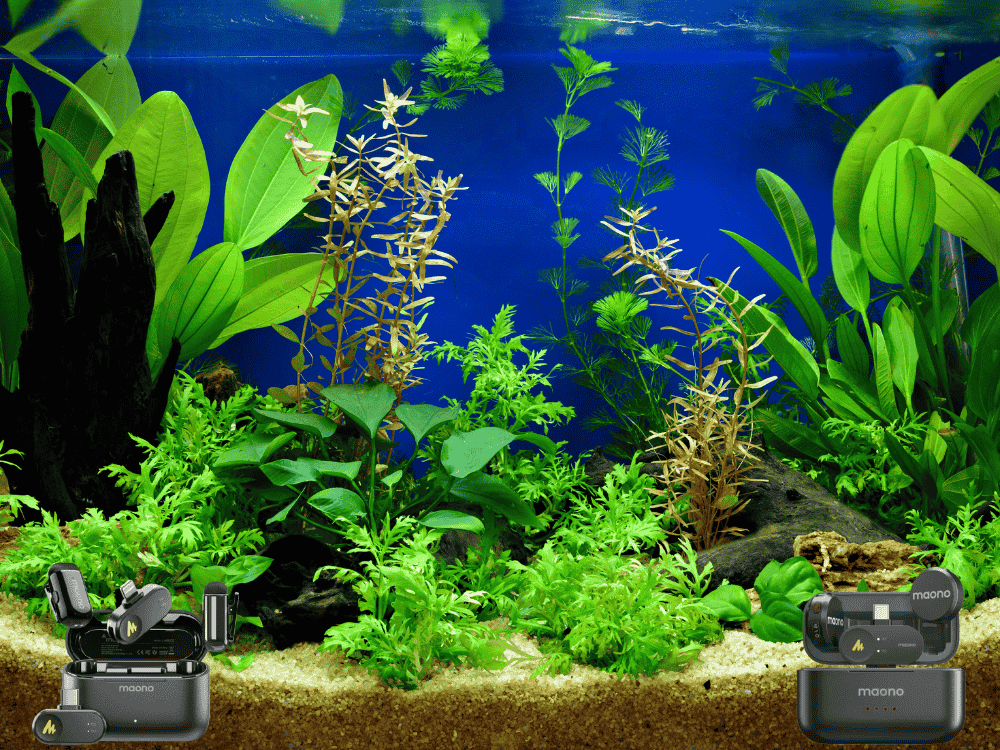
Credit: www.maono.com
Substrate And Hardscape Upkeep
Keeping your aquascape clean helps plants and fish stay healthy. Substrate and hardscape need regular care to avoid algae and debris buildup.
Proper maintenance also keeps the aquascape looking beautiful and natural. Focus on cleaning the substrate and caring for rocks and wood.
Cleaning Substrate
Substrate collects waste and leftover food. Cleaning it stops harmful bacteria and keeps water clear.
- Use a gravel vacuum during water changes to remove debris.
- Avoid stirring the substrate too much to protect beneficial bacteria.
- Clean only a portion of the substrate at a time to keep balance.
- Remove dead plant material and uneaten food regularly.
- Check substrate depth to prevent compacting and allow root growth.
Maintaining Rocks And Wood
Rocks and wood add style and shelter in your tank. They also can collect algae and dirt.
| Type | Cleaning Method | Frequency |
| Rocks | Scrub gently with a soft brush | Once a month |
| Wood | Rinse with tank water and remove algae manually | Every 2-3 weeks |
| Both | Do not use soap or chemicals | Always |
Fish And Invertebrate Health
Keeping fish and invertebrates healthy is key in aquascaping. Good care helps them live longer and look better.
Proper feeding, disease prevention, and choosing the right species are important for a balanced tank.
Feeding Tips
Feed your fish and invertebrates the right food in the right amounts. Overfeeding can harm water quality.
- Feed small portions once or twice a day
- Use food suitable for each species
- Remove uneaten food after 5 minutes
- Include plant-based and protein foods
- Change diet occasionally to add variety
Disease Prevention
Preventing disease keeps your tank healthy and avoids costly treatments. Clean water is very important.
| Prevention Method | Why It Helps |
| Regular water changes | Removes toxins and waste |
| Quarantine new animals | Stops disease spread |
| Keep tank clean | Reduces harmful bacteria |
| Monitor water parameters | Keeps environment stable |
| Avoid overcrowding | Limits stress and injury |
Compatible Species
Choose species that get along well to avoid fights and stress. Compatibility improves health and tank harmony.
- Research species behavior before buying
- Match water needs like pH and temperature
- Avoid aggressive species with peaceful ones
- Group similar size animals together
- Watch your tank for signs of stress or fighting
Routine Maintenance Schedule
Maintaining an aquascape requires regular care. A schedule helps keep it healthy and beautiful. Consistent tasks prevent problems and ensure a thriving aquatic environment.
Here are daily, weekly, and monthly tasks that will guide you in maintaining your aquascape. Following these steps will keep your aquatic plants and fish in great condition.
Daily Tasks
Daily attention to your aquascape ensures it runs smoothly. Small checks can prevent bigger issues later.
- Check water temperature to ensure it is stable.
- Feed the fish with a balanced diet, not overfeeding.
- Inspect equipment like filters and heaters for proper function.
- Look for any signs of algae growth or plant decay.
Weekly Tasks
Weekly tasks help keep the water clean and the environment healthy. Spend some time each week to maintain balance.
- Change 10-15% of the water to remove toxins.
- Trim and prune plants to encourage growth.
- Clean the tank glass to remove algae.
- Test water parameters like pH and nitrate levels.
Monthly Tasks
Monthly maintenance involves deeper cleaning and adjustments. It helps sustain the long-term health of the aquascape.
- Clean the filter system to ensure it operates efficiently.
- Rearrange plants and decor if necessary for better aesthetics.
- Check for equipment wear and replace if needed.
- Review the overall health of fish and plants, addressing any issues.
Frequently Asked Questions
What Are The Essential Aquascaping Maintenance Tasks?
Regular trimming, water changes, and algae control are essential. Clean filters and check water parameters weekly. These tasks keep your aquascape healthy and visually appealing.
How Often Should I Trim Aquatic Plants?
Trim plants every 1-2 weeks to prevent overgrowth. Regular trimming promotes healthy growth and maintains the aquascape’s design. Avoid removing more than one-third of the plant at once.
How Can I Control Algae In My Aquascape?
Control algae by reducing light, maintaining water quality, and adding algae eaters. Avoid overfeeding fish and perform regular water changes. Consistent maintenance prevents algae buildup effectively.
What Is The Best Water Change Routine For Aquascapes?
Change 20-30% of water weekly to maintain water quality. Use dechlorinated water matching tank temperature. Regular water changes remove toxins and support plant and fish health.
Conclusion
Keeping your aquascape healthy takes regular care and attention. Clean water and trimmed plants help your tank look great. Watch for algae and remove it quickly. Feed fish in small amounts to avoid waste. Check equipment often to keep everything working well.
Small steps each day make a big difference. Enjoy the beauty of your underwater garden. A little effort keeps your aquascape fresh and lively. Stay consistent, and your tank will thrive for years. Simple habits lead to a stunning, balanced aquatic world.