
Water is essential, but keeping it clean and safe can feel like a challenge. If you want to enjoy fresh, clear water every day, knowing how to maintain water quality with conditioners is key.
Whether it’s for your home, garden, or aquarium, using the right conditioners can make a huge difference. You’ll discover simple steps to protect your water from harmful elements and keep it in top shape. Ready to take control of your water quality?
Let’s dive in and make your water work better for you.
Importance Of Water Quality
Good water quality is essential for health and safety. Clean water supports life and daily activities.
Using water conditioners helps keep water clean. They remove harmful substances and improve water taste.
Impact On Health And Environment
Dirty water can cause illnesses like diarrhea and infections. It affects children and adults alike.
Water pollution harms plants and animals. It can damage rivers, lakes, and soil quality.
- Contaminated water spreads diseases
- Polluted water kills fish and wildlife
- Clean water protects ecosystems
Common Water Contaminants
Water can have many pollutants. Some come from factories, farms, and homes.
Common contaminants include bacteria, chemicals, and heavy metals. These can harm health and the environment.
- Bacteria and viruses cause infections
- Lead and mercury damage the brain
- Pesticides affect plants and animals
- Excess chlorine can irritate skin

Credit: www.mavaquadoc.com
Types Of Water Conditioners
Water conditioners help keep water clean and safe. They change water properties to reduce hardness and impurities. Different types serve different purposes in water treatment.
This guide explains three main types of water conditioners. Each type works uniquely to improve water quality in homes and industries.
Chemical Conditioners
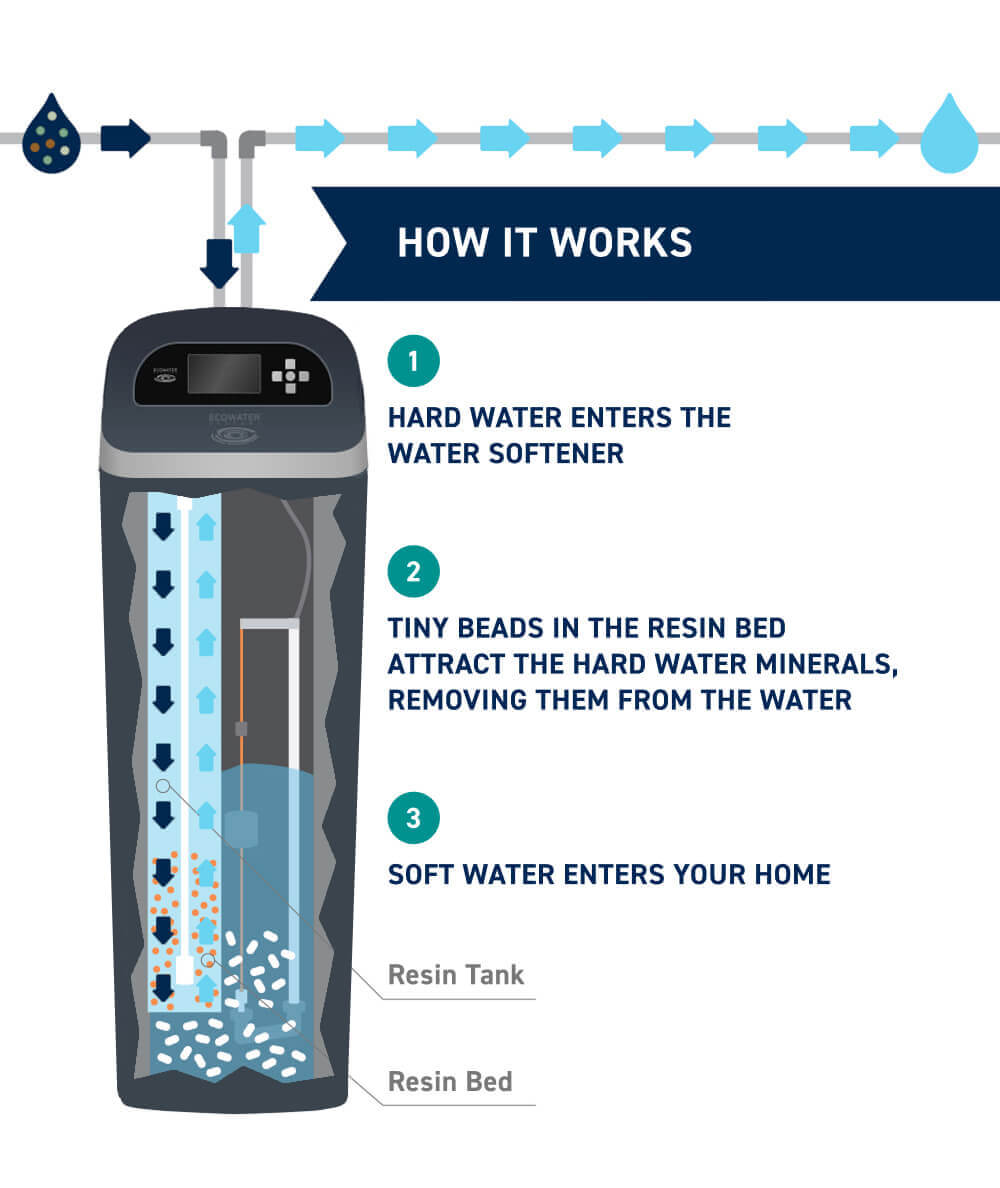
Chemical conditioners add substances to water to soften it or remove unwanted minerals. They often use salt or other chemicals to bind with hard minerals like calcium and magnesium.
- Ion exchange resins swap hard minerals with sodium or potassium ions.
- Phosphate-based conditioners prevent scale buildup by coating minerals.
- Sequestering agents trap minerals to keep them dissolved in water.
Physical Conditioners
Physical conditioners change how minerals behave in water without adding chemicals. They use filters or media to reduce scale and improve water clarity.
| Type | Function |
| Activated Carbon | Removes chlorine and organic compounds |
| Kinetic Degradation Fluxion (KDF) | Removes heavy metals and controls bacteria |
| Polyphosphate Filters | Inhibits scale formation by coating minerals |
Magnetic And Electronic Devices
These devices use magnetic fields or electronic pulses to alter mineral structure. They reduce scale by preventing minerals from sticking to pipes and surfaces.
Common features of magnetic and electronic conditioners:
- No chemicals are added to the water
- Require electricity or magnets for operation
- Easy to install and maintain
- Effectiveness varies with water type and flow rate
Choosing The Right Conditioner
Water conditioners help keep your water clean and safe. Choosing the right one protects your pipes and appliances.
Pick a conditioner that fits your water type and home system. This saves money and improves water quality.
Assessing Water Needs
First, test your water to see what it contains. Hard water needs a different conditioner than soft water.
Look for minerals, chemicals, and pH levels. This information guides your choice of conditioner.
- Check hardness level (calcium, magnesium)
- Note chlorine or iron presence
- Measure pH to see if water is acidic or basic
Compatibility With Existing Systems
Make sure the conditioner works with your home’s plumbing and appliances. Some conditioners need special setups.
Check the size and flow rate of your water system. Match the conditioner capacity to avoid problems.
- Confirm conditioner fits pipe size
- Check if it works with water heaters and filters
- Verify power needs for electronic conditioners
Proper Installation Techniques
Maintaining water quality with conditioners starts with proper installation. A good setup ensures the conditioner works efficiently and lasts longer.
This guide covers key tips on location and setup. It also points out common mistakes to avoid during installation.
Location And Setup Tips
Choose a spot that is dry and easy to access. Avoid places with direct sunlight or extreme temperatures. Proper placement helps the conditioner perform well.
- Install the conditioner near a power source but away from water splashes
- Keep it level and stable to prevent leaks or damage
- Allow enough space around the unit for air flow and maintenance
- Connect pipes securely to avoid leaks
- Use a water pressure regulator if pressure is too high
Avoiding Common Installation Mistakes
Many problems come from simple errors during setup. Avoid these mistakes to keep water clean and safe.
| Mistake | Effect | How to Fix |
| Poor pipe connections | Leaks and water loss | Use proper fittings and sealants |
| Wrong location | Damage from sun or cold | Choose a shaded, temperature-controlled area |
| Ignoring manufacturer instructions | Reduced efficiency and voided warranty | Follow setup guides carefully |
| Skipping pressure checks | System overload or failure | Install pressure regulators and test regularly |
Routine Maintenance Practices
Maintaining water quality with conditioners needs regular care. Good practices keep water safe and clean.
Routine maintenance helps avoid problems and extends the life of your water system. Follow simple steps often.
Regular Testing And Monitoring
Test water quality regularly to check for changes. Testing shows if conditioners work well or need adjusting.
Use easy test kits to measure pH, hardness, and chlorine levels. Keep records to track trends over time.
- Test water weekly or biweekly
- Check pH levels to keep water balanced
- Measure hardness to prevent scale buildup
- Monitor chlorine or sanitizer levels
- Record all test results for review
Cleaning And Replacement Schedules
Clean water filters and equipment on a regular schedule. This keeps conditioners effective and water clear.
Replace parts like filters and cartridges when they wear out. Old parts reduce water quality and can cause damage.
- Clean filters monthly or as recommended
- Replace cartridges every 3 to 6 months
- Inspect pipes and tanks for buildup
- Flush systems to remove deposits
- Follow manufacturer guidelines for maintenance
Credit: www.leafhome.com
Troubleshooting Common Issues
Maintaining water quality in aquariums is essential for fish health. Conditioners play a key role in this process.
Sometimes, issues arise that affect performance. Let’s explore how to detect and solve these problems effectively.
Detecting Performance Problems
Performance problems can affect water conditioners. They may not work as expected, leading to poor water quality.
- Cloudy water may indicate a problem.
- Fish behavior changes could be a sign.
- Unusual odors from the tank suggest issues.
- Test water regularly for accurate results.
Effective Solutions
Once problems are detected, apply solutions to restore water quality. Conditioning agents help in maintaining balance.
| Problem | Solution |
| Cloudy Water | Reduce feeding, use water clarifiers |
| Fish Stress | Check water parameters, adjust conditioner usage |
| Algae Growth | Control light exposure, use algae treatments |
Enhancing Conditioner Efficiency
Maintaining water quality involves using conditioners effectively. Conditioners help keep water clean and safe. Their efficiency can be improved with a few techniques.
Proper use of water pressure and filtration methods can enhance conditioner performance. These strategies ensure the best results in water treatment.
Optimizing Water Pressure
Water pressure affects how well conditioners work. Proper pressure ensures conditioners mix evenly with water.
Using the right pressure settings in your system can maximize conditioner benefits. It helps in achieving uniform distribution.
- Check water pressure regularly
- Adjust settings for optimal flow
- Consult a professional if unsure
Complementary Filtration Methods
Filtration works alongside conditioners to improve water quality. Filters remove particles that conditioners may not catch.
Using a combination of filters can enhance overall water treatment. This ensures a cleaner and safer water supply.
- Install pre-filters for large debris
- Use activated carbon filters for chemicals
- Regularly replace filter cartridges
Sustainability And Cost Considerations
Maintaining water quality with conditioners helps protect the environment. It also lowers costs for households and businesses.
Using conditioners reduces waste and keeps water systems running efficiently. This saves energy and resources over time.
Energy And Resource Savings
Water conditioners prevent scale buildup and corrosion. This keeps pipes and appliances working well without extra energy use.
Less scale means heating systems use less power. Conditioners help save water by reducing leaks and damages.
- Reduce energy needed to heat water
- Lower water waste from leaks and repairs
- Extend life of appliances and pipes
Long-term Investment Benefits
Investing in water conditioners saves money over many years. The initial cost pays off with fewer repairs and lower bills.
Conditioners improve water quality and protect equipment. This means less need for replacements and less waste.
- Lower maintenance and repair expenses
- Longer appliance lifespan
- Reduced environmental impact
Credit: www.ecowater.com
Frequently Asked Questions
What Are Water Conditioners And How Do They Work?
Water conditioners neutralize harmful minerals like calcium and magnesium. They prevent scale buildup and improve water softness. This enhances water quality for household or aquarium use. Conditioners make water safer and more pleasant by balancing pH and removing contaminants.
How Often Should I Use Water Conditioners?
Use water conditioners according to product instructions, usually weekly or monthly. Regular use maintains optimal water quality and prevents mineral buildup. Overuse can cause imbalances, so follow recommended dosages carefully for best results.
Can Water Conditioners Improve Aquarium Water Quality?
Yes, water conditioners remove chlorine, chloramine, and heavy metals harmful to fish. They stabilize pH and reduce stress on aquatic life. This ensures a healthy, safe environment for fish and plants in your aquarium.
Are Water Conditioners Safe For Drinking Water?
Most water conditioners are safe for drinking water when used properly. They improve taste and reduce hardness without harmful chemicals. Always choose conditioners labeled safe for potable water to ensure health and safety.
Conclusion
Maintaining water quality with conditioners keeps your water safe and clear. Regular use prevents harmful chemicals and balances pH levels. Clean water supports health for plants, pets, and people. Test water often to catch problems early. Choose the right conditioner for your specific needs.
Simple steps lead to lasting water freshness. Stay consistent and watch your water improve over time. Good water quality is easy with proper care.