
Are you looking to transform your aquarium into a stunning underwater haven? The right placement of driftwood can make all the difference.
Driftwood not only adds a natural, artistic touch but also creates hiding spots and enhances the overall health of your aquatic environment. But where should you start? How do you place driftwood so it looks great and supports your fish and plants?
Keep reading to discover simple, practical tips that will help you arrange aquarium driftwood like a pro—making your tank a captivating and comfortable home for your aquatic friends.
Choosing The Right Driftwood
Driftwood adds a natural look to your aquarium. It also provides hiding places for fish.
Picking the right driftwood is important for both style and safety. Consider the type, size, and safety before adding it.
Types Of Driftwood For Aquariums
There are many types of driftwood to choose from. Each type has a unique shape and color.
- Malaysian Driftwood: Dark color, sinks easily, good for most tanks
- Manzanita Wood: Light color, strong branches, good for plants
- Cholla Wood: Hollow and porous, good for shrimp and small fish
- Spider Wood: Unique twisting branches, adds natural look
Size And Shape Considerations
Choose driftwood size to fit your tank and fish. Big wood suits large tanks and big fish.
Pick shapes that create good hiding spots and open swimming areas. Avoid sharp edges that can hurt fish.
- Small driftwood fits small tanks and fish
- Long pieces can divide the tank space
- Curved shapes look natural and give hiding spots
- Flat pieces work well for bottom decoration
Safe Driftwood Selection
Pick driftwood that is safe for your fish and plants. Avoid wood with chemicals or sharp points.
Clean and soak driftwood before adding it to remove dirt and tannins. This helps keep water clear and safe.
- Use aquarium-safe wood only
- Do not use driftwood treated with chemicals
- Check for mold or pests before adding
- Soak wood for several days to remove tannins
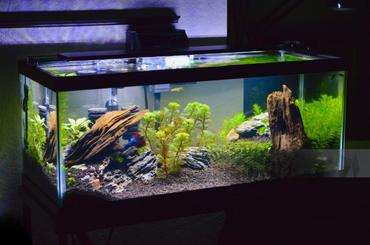
Credit: www.ratemyfishtank.com
Preparing Driftwood Before Use
Driftwood adds a natural look to your aquarium. It also provides shelter for fish.
Proper preparation keeps the water clean and safe. It also makes the wood last longer.
Cleaning And Soaking Techniques
Start by rinsing the driftwood under running water. Use a brush to remove dirt and debris.
Next, soak the driftwood in water for several days. Change the water daily to reduce impurities.
- Rinse driftwood with clean water
- Brush off dirt and loose bark
- Soak in fresh water for 3 to 7 days
- Replace soaking water every day
Removing Tannins And Debris
Tannins cause water to turn brown but are not harmful. Boiling driftwood helps reduce tannins faster.
Boil the driftwood for 1 to 2 hours. This also kills bacteria and removes debris.
| Method | Purpose | Duration |
| Soaking in water | Leach out tannins | 3–7 days |
| Boiling | Remove tannins and kill bacteria | 1–2 hours |
| Changing water | Keep water clear | Daily |
Curing Driftwood For Stability
Curing driftwood makes it sink and last longer in the tank. The process lets the wood dry and harden.
- After soaking, dry the driftwood in sunlight for several days
- Check for cracks or soft spots
- Repeat soaking and drying if needed
- Place driftwood in the aquarium once stable and heavy
Placement Strategies
Driftwood adds a natural look to your aquarium. Proper placement helps create a balanced and healthy environment for fish and plants.
Use driftwood to shape your aquascape and give depth. Follow simple strategies to place driftwood effectively.
Creating Natural Layouts
Place driftwood pieces so they look like they belong in the tank. Avoid placing them straight or too close to each other. Think about how wood falls or rests in nature.
- Use different sizes of driftwood for variety
- Place wood at angles for a natural feel
- Leave space for fish to swim around
- Combine driftwood with rocks and substrate
Balancing Driftwood With Plants
Driftwood and plants work well together. Plants soften the hard look of wood and add color. Balance the placement by mixing tall and short plants around the driftwood.
| Plant Type | Placement Near Driftwood | Effect |
| Moss | Wrap around driftwood | Softens edges, natural look |
| Tall plants | Behind or beside wood | Adds height, hides equipment |
| Carpet plants | In front of driftwood | Creates foreground interest |
Enhancing Aquascape Depth
Use driftwood to create layers and depth. Place larger pieces in the back and smaller pieces in front. This setup gives a 3D effect to your tank.
Tip:Use a dark wood piece in the back to draw the eye inward. Place lighter wood in front for contrast.
Securing Driftwood In The Tank
Driftwood adds a natural look to your aquarium. It also creates hiding spots for fish. To keep it stable, you must secure it well in the tank.
Floating driftwood can cause problems by moving around or damaging plants. This guide covers ways to anchor driftwood safely and avoid floating issues.
Anchoring Methods
There are several ways to anchor driftwood in your aquarium. One common method is using aquarium-safe glue or silicone. Another is tying driftwood to heavy objects with fishing line.
- Use aquarium-safe silicone to glue driftwood to rocks.
- Tie driftwood with fishing line to weights or stones.
- Place driftwood under heavy decorations for extra support.
- Allow driftwood to soak before placing it to reduce buoyancy.
Using Rocks And Substrate
Rocks and substrate help keep driftwood in place naturally. You can bury part of the driftwood under the substrate or place rocks on top of it.
| Method | Description |
|---|---|
| Burying Driftwood | Push the base of the driftwood into the substrate to hold it down. |
| Weighing with Rocks | Place smooth rocks on the driftwood to prevent movement. |
| Creating a Base | Arrange rocks to form a base that supports the driftwood upright. |
Avoiding Floating Driftwood
Fresh driftwood often floats at first. To avoid this, soak it in water for several days or weeks. You can also boil it to speed up sinking.
Additional tips to stop floating:
- Use clips or nets to hold driftwood under water during soaking.
- Check for air pockets inside the wood and remove them if possible.
- Choose heavier types of driftwood that sink naturally.
Maintaining Driftwood Over Time
Driftwood adds a natural look to your aquarium. Keeping it clean and healthy helps fish and plants thrive.
Regular care prevents problems like algae and water imbalance. This guide covers easy tips for long-term driftwood care.
Cleaning Tips For Long-term Care
Clean driftwood gently to keep its shape and texture. Avoid harsh chemicals that can harm fish.
- Use a soft brush to remove dirt and debris.
- Soak driftwood in water for a few hours to loosen grime.
- Boil driftwood briefly to kill bacteria and parasites.
- Rinse well with clean water before placing it back.
- Clean driftwood monthly to prevent buildup.
Preventing Algae Growth
Algae can cover driftwood and spoil the tank’s look. Control algae to keep your aquarium clean.
| Method | Description |
|---|---|
| Reduce Light | Limit aquarium lighting to 8-10 hours daily. |
| Regular Water Changes | Change 10-20% of water weekly to lower nutrients. |
| Add Algae Eaters | Introduce fish or snails that eat algae naturally. |
| Manual Removal | Use a soft cloth or brush to clean algae off driftwood. |
Monitoring Water Chemistry
Water quality affects driftwood and fish health. Check water parameters often.
- Test pH levels; driftwood can lower pH over time.
- Monitor hardness to keep fish comfortable.
- Check ammonia and nitrite for toxic buildup.
- Keep nitrate levels low with regular water changes.

Credit: zooxae.com
Benefits Of Driftwood In Aquariums
Driftwood is more than just decoration in an aquarium. It offers many benefits that contribute to a healthy and beautiful tank environment.
Using driftwood can help create a balanced ecosystem for fish and other aquatic life. Let’s explore the key benefits it provides.
Supporting Fish Health
Driftwood releases tannins that lower pH levels, which is beneficial for many fish species. This creates a natural habitat similar to their native environment.
- Tannins help reduce stress in fish.
- Lower pH levels can prevent diseases.
- Provides hiding spots for shy fish.
Encouraging Beneficial Bacteria
The surface of driftwood is an ideal place for beneficial bacteria to grow. These bacteria play a crucial role in breaking down waste and maintaining clean water.
| Benefit | Description |
| Nutrient Cycling | Bacteria aid in breaking down fish waste. |
| Water Clarity | Improves water quality by reducing toxins. |
| Healthy Ecosystem | Supports a balanced aquarium environment. |
Enhancing Tank Aesthetics
Driftwood adds a natural and appealing look to aquariums. It can transform a plain tank into a stunning underwater landscape.
Credit: medium.com
Frequently Asked Questions
How Do I Prepare Driftwood For Aquarium Placement?
Soak driftwood in water for several days to remove tannins. Boil it to sterilize and sink faster. This process prevents water discoloration and harmful substances in your aquarium.
Where Should I Place Driftwood In My Aquarium?
Place driftwood near plants or rocks for a natural look. Avoid blocking filtration or swimming space. Ensure stable positioning to prevent driftwood from floating or damaging the tank.
Can Driftwood Affect Aquarium Water Quality?
Yes, driftwood releases tannins that may lower pH and color water brown. Regular water changes and pre-soaking help manage this. It can benefit some fish species preferring soft, acidic water.
How Does Driftwood Benefit Aquarium Fish And Plants?
Driftwood provides hiding spots and breeding areas for fish. It encourages beneficial bacterial growth, improving water quality. It also releases natural compounds that support plant growth and fish health.
Conclusion
Placing driftwood in your aquarium can create a natural, beautiful look. Choose spots that give fish places to hide and explore. Make sure the wood is secure and won’t float around. Clean driftwood well before adding it to the tank.
Watch how plants and fish interact with the wood. Changing the layout can keep the tank interesting. Small adjustments can make a big difference over time. Enjoy the calm and natural feel driftwood brings to your aquarium. Experiment and find the best spots for your tank’s style.