
If you have an aquarium, you know how tricky it can be to keep all the tubing neat and out of sight. Tangled tubes not only look messy but can also cause problems with water flow and maintenance.
That’s where an aquarium cabinet for tubing storage comes in. Imagine having a simple, smart solution that keeps your tubes organized, easy to access, and hidden from view. You’ll discover how the right cabinet can transform your aquarium setup, making your life easier and your tank more beautiful.
Keep reading to find out what to look for and how to choose the best storage option for your needs.
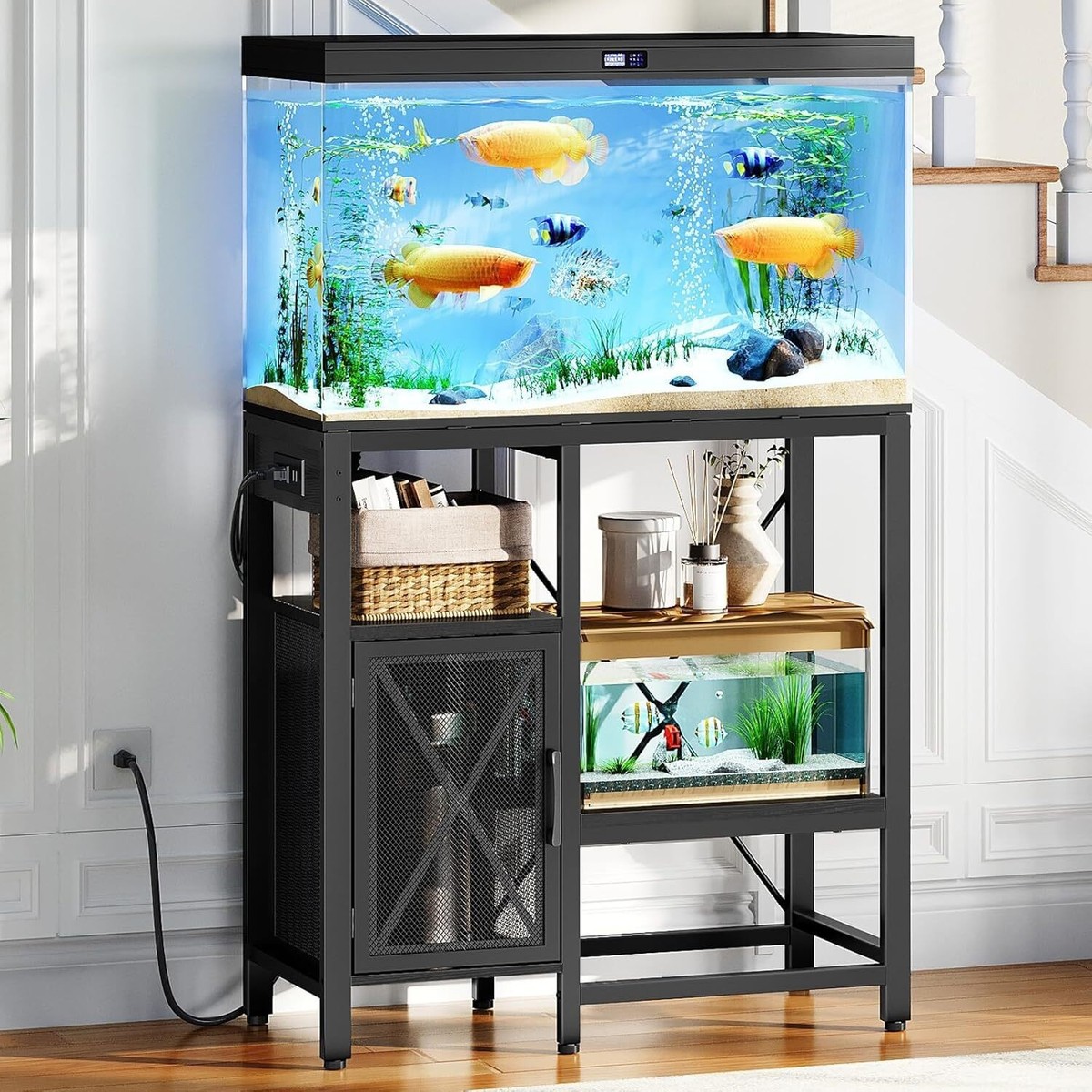
Credit: www.ebay.com
Benefits Of Aquarium Cabinets
Aquarium cabinets provide a smart way to organize your tank setup. They keep tubing and equipment neat and safe. These cabinets also help use space better around the aquarium.
Choosing the right cabinet can improve the look of your aquarium area. It hides clutter and protects important parts. This guide explains key benefits of aquarium cabinets for tubing storage.
Maximizing Space Efficiency
Aquarium cabinets use space under the tank that often goes unused. They provide shelves and compartments for tubing and tools. This setup keeps everything close and easy to reach.
- Utilize vertical space with multiple shelves
- Store tubing in dedicated holders
- Keep filters and pumps organized
- Reduce clutter around the aquarium area
Protecting Tubing And Equipment
The cabinet shields tubing and devices from dust and accidental damage. It stops pets or children from tampering with equipment. Proper storage also extends the life of your aquarium parts.
| Protection Feature | Benefit |
| Closed Doors | Prevents dust and dirt |
| Lockable Cabinets | Keeps children and pets away |
| Ventilated Panels | Maintains airflow to avoid overheating |
| Organized Compartments | Reduces wear and tear on tubing |
Enhancing Aquarium Aesthetics
Cabinets hide unsightly tubing and equipment. They create a clean, polished look for your aquarium setup. Matching cabinet colors and styles can blend well with your room decor.
Tips for a neat aquarium area:
- Choose cabinets that match your furniture
- Use cable ties inside to keep tubing tidy
- Place decorative items on top of the cabinet
- Keep cleaning supplies inside the cabinet for easy access

Credit: www.amazon.com
Choosing The Right Cabinet
Finding the perfect aquarium cabinet for tubing storage keeps your space neat. It protects your equipment and makes maintenance easier.
Consider materials, size, and style to match your needs and room decor.
Materials And Durability
Choose cabinets made from water-resistant materials to avoid damage. Solid wood offers strength but may need sealing. Metal cabinets last long but can rust if not coated.
- Water-resistant plywood
- Sealed solid wood
- Powder-coated metal
- Plastic composites
Size And Compatibility
Measure your tubing and aquarium setup carefully. The cabinet should fit all tubing and related equipment without crowding.
| Cabinet Size | Recommended Aquarium Size | Storage Features |
| Small (up to 24 inches) | Up to 20 gallons | Basic tubing slots, small shelves |
| Medium (24 to 36 inches) | 20 to 50 gallons | Adjustable shelves, multiple tubing holders |
| Large (36+ inches) | 50+ gallons | Custom compartments, heavy-duty supports |
Design Styles
Pick a style that matches your room and aquarium. Modern designs use clean lines and neutral colors. Traditional cabinets may have wood carvings and rich finishes.
- Minimalist with smooth surfaces
- Rustic with natural wood look
- Industrial with metal accents
- Classic with decorative trims
Organizing Tubing Inside Cabinets
Keeping tubing neat inside aquarium cabinets helps maintain a clean setup. Organized tubing makes maintenance easier and protects equipment.
Proper storage prevents damage and ensures tubes stay functional. You can use simple tools and smart methods to keep tubes tidy.
Using Clips And Holders
Clips and holders keep tubing in place and stop it from tangling. They attach tubing to cabinet walls or shelves securely.
Use plastic clips or adhesive holders designed for tubing. These tools save space and make tubes easy to find.
- Plastic clips fasten tubes along cabinet edges
- Adhesive holders stick to flat surfaces
- Cable ties bundle tubes neatly
- Magnetic clips hold tubes without drilling
Labeling And Accessibility
Labeling tubing helps identify each tube’s purpose quickly. Use clear tags or labels on tubes near the cabinet entrance.
Keep tubes easy to reach for fast adjustments or cleaning. Avoid burying tubes deep inside the cabinet.
- Attach waterproof labels on tubes
- Use color-coded tags for different functions
- Place labels near tube connectors
- Keep frequently used tubes at the front
Preventing Kinks And Damage
Prevent kinks by storing tubing without sharp bends. Kinks reduce water flow and can damage tubes.
Use tube guides or holders that support tubes gently. Check tubes regularly for wear and replace damaged ones.
- Keep tubes straight or with wide curves
- Avoid tight loops inside the cabinet
- Use soft holders that do not pinch tubes
- Inspect tubes monthly for cracks or leaks
Installation Tips
Installing an aquarium cabinet for tubing storage helps keep your setup neat. Proper installation makes maintenance easier and protects your tubing.
Follow these tips for a smooth installation and long-lasting use of your cabinet.
Positioning For Easy Maintenance
Place the cabinet where you can reach all tubing without moving heavy equipment. Leave enough space around it for cleaning and adjustments.
- Keep the cabinet near your aquarium but not blocking access.
- Allow clearance for opening doors or drawers.
- Ensure tubing runs straight to avoid kinks.
- Use cable ties to group tubing neatly.
Securing Tubing Connections
Firm tubing connections prevent leaks and water damage. Use proper fittings and clamps designed for aquarium use.
| Connection Type | Recommended Method |
| Flexible tubing to pump | Use hose clamps |
| Rigid tubing joints | Use PVC cement or push-fit connectors |
| Quick disconnects | Check seals regularly |
| Bulkhead fittings | Tighten with rubber washers |
Ventilation Considerations
Good ventilation inside the cabinet reduces moisture and heat buildup. This protects tubing and equipment from damage.
- Install small vents or fans for airflow.
- Avoid sealing the cabinet completely airtight.
- Check for mold or mildew regularly.
- Keep electrical parts dry and well spaced.
Maintenance And Cleaning
Keeping your aquarium cabinet clean is key for tubing storage. It helps prevent dirt buildup and keeps tubes working well. Regular care saves time and avoids problems.
Follow simple steps to inspect and clean your cabinet. This keeps your aquarium system safe and efficient over time.
Regular Inspection
Check your aquarium cabinet often to catch issues early. Look for leaks, cracks, or dirt around tubes and fittings. Make sure all parts fit tightly.
- Inspect tubing for cracks or stiffness
- Check cabinet joints and hinges for damage
- Look for water spills or damp spots
- Ensure tubing is not tangled or pinched
Cleaning Strategies
Use gentle cleaning methods to avoid damage. Clean tubing and cabinet surfaces with mild soap and water. Avoid harsh chemicals that harm materials.
- Remove tubes carefully before cleaning
- Wash cabinet surfaces with soft cloth
- Soak tubing in warm water with mild soap
- Rinse all parts with clean water
- Dry completely before reassembling
Troubleshooting Common Issues
| Issue | Cause | Solution |
|---|---|---|
| Leaking Tubing | Cracks or loose connections | Replace or tighten fittings |
| Tube Blockage | Debris or algae buildup | Flush tubing with clean water |
| Cabinet Mold | Moisture and poor ventilation | Clean with vinegar solution and dry well |
| Unpleasant Odor | Dirty tubing or cabinet | Deep clean all parts regularly |

Credit: www.amazon.ca
Diy Cabinet Ideas
Building an aquarium cabinet for tubing storage can be a fun project. You can customize it to fit your space and needs. Let’s explore some ideas.
From budget-friendly builds to custom features, there are many ways to create the perfect cabinet. Read on to discover great ideas for your aquarium setup.
Budget-friendly Builds
Creating a cabinet on a budget is possible with the right materials. Use affordable wood and simple tools for a cost-effective build.
- Measure your space to determine the cabinet size.
- Use recycled or leftover wood to save money.
- Keep the design simple to reduce costs.
Custom Features
Adding custom features to your cabinet can enhance its functionality. Consider incorporating these ideas to make your cabinet stand out.
- Install sliding doors for easy access.
- Add compartments for organized storage.
- Include ventilation to prevent moisture buildup.
Tools And Materials Needed
Gathering the right tools and materials is key to a successful build. Here’s a simple list to get you started.
| Tools | Materials |
| Saw | Wood |
| Drill | Screws |
| Hammer | Paint |
Frequently Asked Questions
What Is An Aquarium Cabinet For Tubing Storage?
An aquarium cabinet for tubing storage is designed to organize and hide air and water tubes. It keeps the aquarium area neat and prevents tubing from tangling. This storage solution improves aesthetics and makes maintenance easier by providing dedicated space for all tubing.
How Does Tubing Storage Benefit Aquarium Maintenance?
Proper tubing storage prevents damage, tangles, and blockages in air and water lines. It simplifies cleaning and equipment checks, reducing downtime. Organized tubing also enhances aquarium appearance and ensures efficient water and air flow, promoting a healthier environment for aquatic life.
What Materials Are Best For Aquarium Tubing Cabinets?
Aquarium tubing cabinets are commonly made from water-resistant wood, MDF, or plastic. These materials resist moisture and corrosion. Choose cabinets with ventilation to prevent mold and mildew. Durable finishes protect against water damage, ensuring long-lasting tubing storage.
Can An Aquarium Cabinet Improve Tank Aesthetics?
Yes, an aquarium cabinet hides unsightly tubing and equipment. It provides a clean, organized look, enhancing the tank’s visual appeal. Cabinets can match room décor and aquarium style, creating a seamless and attractive display area.
Conclusion
An aquarium cabinet for tubing storage keeps your space neat and tidy. It hides tubes and equipment out of sight. You can find everything quickly when needed. This helps maintain a clean look around your aquarium. Choosing the right cabinet saves time and effort.
It also protects tubes from damage and dust. Organizing tubing improves water flow and system health. A simple cabinet makes aquarium care easier every day. Consider one for better storage and a cleaner tank area.