
Have you ever wanted to transform your aquarium into a stunning underwater world that captures attention and sparks curiosity? Aquascaping with decorative caves can do just that.
These hidden gems add depth, mystery, and natural beauty to your tank, creating a space where your fish feel safe and your creativity shines. If you’re looking to make your aquarium stand out and keep your aquatic friends happy, this guide will show you how to use decorative caves effectively.
Ready to dive in and discover the secrets to a breathtaking aquascape? Let’s get started!
Choosing The Right Decorative Caves
Decorative caves add beauty and shelter to your aquascape. Picking the right caves helps your aquatic life thrive.
Consider materials, size, shape, and safety when choosing caves for your tank.
Materials And Durability
Choose caves made from safe and strong materials. Common materials include resin, ceramic, and natural stone.
Resin caves are lightweight and easy to clean. Natural stone looks authentic but can be heavy.
- Resin: durable, lightweight, easy to maintain
- Ceramic: sturdy, smooth, may chip if dropped
- Natural Stone: natural look, heavy, may alter water chemistry
Sizes And Shapes
Pick caves that fit your tank size and fish species. Small caves suit small fish and shrimp.
Large caves provide hiding spots for bigger fish. Shapes like tunnels or arches add variety and interest.
- Small caves: perfect for shrimp and small fish
- Large caves: good for bigger fish or groups
- Tunnels and arches: create swim-through areas
Safety For Aquatic Life
Ensure caves have smooth edges to avoid fish injuries. Avoid caves with sharp or rough surfaces.
Check if the material is non-toxic and does not change water chemistry. Clean caves before placing them in the tank.
- Smooth edges prevent cuts and scrapes
- Non-toxic materials keep fish healthy
- Pre-clean caves to remove dust or residues
Credit: www.etsy.com
Planning Your Aquascape Layout
Designing an aquascape needs careful planning. You must think about how natural elements fit together.
Good planning helps create a balanced and beautiful underwater scene with caves.
Balancing Natural Elements
Use rocks, plants, and caves in a way that feels natural and balanced. Avoid clutter or empty spaces.
- Place hardscape elements like stones and caves first
- Add plants to soften hard edges
- Keep open swimming areas for fish
- Use varying shapes and sizes for interest
- Match colors for harmony
Creating Depth And Perspective
Depth makes your aquascape look larger and more natural. Use size and placement tricks to create this effect.
| Technique | How to Apply |
| Layering | Place taller plants and rocks at the back |
| Size Variation | Use smaller objects in front, bigger in back |
| Color Contrast | Darker colors at the back, lighter in front |
| Blurred Background | Choose plants with softer edges for the background |
Focal Points With Caves
Caves catch the eye and provide shelter for fish. Use them as key points in your design.
- Place caves off-center for natural look
- Combine caves with plants for contrast
- Use caves of different sizes for variety
- Ensure caves have enough space inside for fish
- Check stability to avoid shifting or collapsing
Popular Designs Featuring Caves
Aquascaping with decorative caves adds depth and interest to underwater scenes. Caves create hiding spots and natural features in the aquarium.
Many aquascape designs use caves as central elements. These designs include mountain and rock formations, sunken shipwrecks, and mystical forest themes.
Mountain And Rock Formations
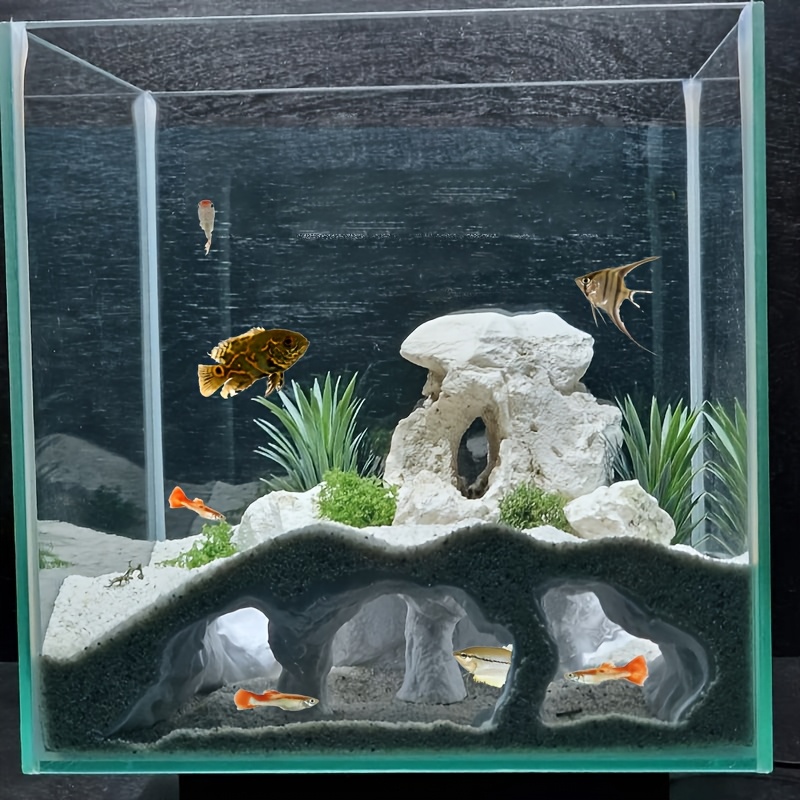
This design uses caves carved into rock piles or mountain shapes. The caves look like natural openings in cliffs or rocky hills.
Fish and shrimp enjoy hiding in these caves. Plants like moss and ferns grow well around the rocks, giving a natural feel.
- Stacked rocks create mountain shapes
- Small caves serve as fish shelters
- Green plants soften the hard rocks
- Dark caves add contrast and mystery
Sunken Shipwreck Themes
This design features caves that look like parts of old shipwrecks. Broken wood and stone create hidden caves and tunnels.
Decorative caves in shipwrecks offer hiding spots for fish. This theme adds history and adventure to the aquascape.
- Wood and stones form wreckage shapes
- Caves simulate underwater tunnels
- Rusty colors give an aged look
- Plants grow around wreck parts
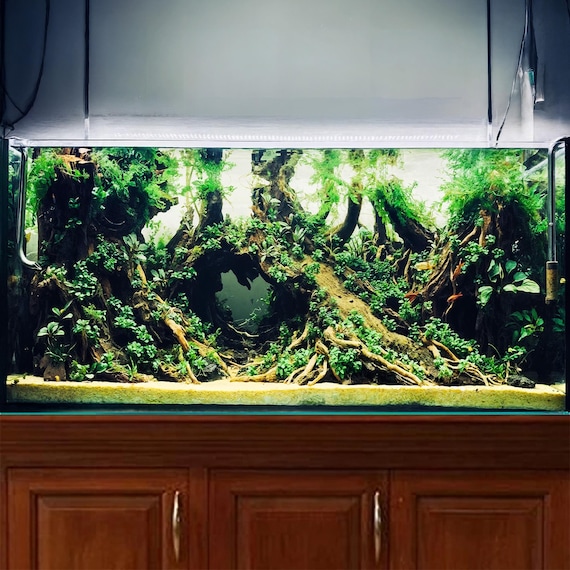
Mystical Forest Scenes
In this design, caves appear as hollow tree roots or forest caves. Stones and wood create natural hiding places.
Soft moss and small plants add a magical feel. The caves give fish places to explore and rest.
- Use wood to mimic tree roots
- Stone caves look like forest holes
- Moss and ferns add green softness
- Caves create safe fish shelters
Plant Selection Around Caves
Decorative caves add natural beauty to aquascapes. Choosing the right plants around them makes the scene more lively.
Plants also create hiding spots and improve water quality near caves. Picking suitable plants helps balance the tank.
Foreground And Background Plants
Foreground plants stay small and cover the bottom near caves. Background plants grow taller and frame the cave structure.
Use low plants to keep caves visible. Taller plants behind the cave add depth and contrast.
- Foreground plants: Anubias nana, Java fern, Dwarf hairgrass
- Background plants: Amazon sword, Vallisneria, Rotala rotundifolia
Moss And Algae Growth
Mosses create a soft, natural look on cave surfaces. They also provide shelter for small fish and shrimp.
Algae can grow on caves if light or nutrients are too high. Controlling algae keeps caves clean and attractive.
- Popular mosses: Java moss, Christmas moss
- Manage algae by adjusting light and feeding
- Regular cleaning helps maintain cave appearance
Enhancing Cave Aesthetics
Choose plants that highlight the cave’s shape and texture. Use contrast in plant size and color for interest.
Arrange plants to create a natural flow around caves. This draws attention and makes the aquascape more inviting.
- Use bright green plants near dark caves
- Trim plants to keep cave entrances clear
- Add small stones or driftwood to complement plants
Lighting And Equipment Tips
Aquascaping with decorative caves needs good lighting and equipment. Proper tools help keep your tank healthy and beautiful.
Lighting and water flow are important to show off caves and keep water clean. Use the right equipment for best results.
Highlighting Caves With Lighting
Use lighting to draw attention to the caves in your aquascape. Soft lights create shadows and depth around the caves.
LED lights work well because they are bright and use less energy. Position lights above or behind caves for a glowing effect.
- Choose warm or cool white LED lights
- Use spotlights to highlight cave entrances
- Avoid harsh lighting that hides cave details
- Consider colored lights to add mood
Filtration And Water Flow
Good filtration keeps the water clear and safe for fish and plants. Choose filters that fit your tank size.
Water flow should be gentle near caves. Strong currents can disturb fish hiding in caves and move decorations.
- Use sponge or canister filters for clean water
- Adjust flow rate to avoid strong currents near caves
- Place filter outlets to create soft water movement
- Check filters regularly for clogging
Maintaining Water Quality
Water quality affects the health of your aquascape. Test water regularly to keep levels safe for fish and plants.
Regular water changes help remove waste and keep the tank clean. Clean caves gently to avoid damage.
- Test pH, ammonia, nitrite, and nitrate weekly
- Change 10-20% of the water every week
- Clean caves with a soft brush during water changes
- Remove uneaten food and debris promptly
Credit: www.temu.com
Fish And Inhabitants For Cave Aquascapes
Aquascaping with decorative caves creates a natural and interesting habitat for fish. Caves provide shelter, breeding spots, and a sense of security for many species.
Choosing the right inhabitants for your cave aquascape is important. Different species have unique needs and behaviors that must be considered.
Species That Use Caves
Many fish naturally seek out caves for protection. Some species are more likely to use caves regularly.
- Cichlids: Known for their territorial nature and use of caves.
- Plecos: These bottom-dwellers often rest inside caves during the day.
- Catfish: Many types appreciate the cover that caves provide.
Behavior And Compatibility
Understanding fish behavior helps create a harmonious aquascape. Some fish are more aggressive and need their own space.
Cave aquascapes can reduce stress and aggression. Ensure species are compatible to prevent conflicts.
| Species | Behavior | Compatibility |
| Cichlids | Territorial | Best with similar sized fish |
| Plecos | Docile | Good with most species |
| Catfish | Shy | Compatible with peaceful fish |
Breeding In Cave Environments
Caves provide a safe space for breeding. Many species prefer caves for laying eggs and raising fry.
Providing multiple caves can encourage breeding behavior. Each species has its own breeding habits to consider.
- Cichlids: Often lay eggs on cave walls.
- Plecos: Use caves to protect eggs from predators.
- Catfish: Prefer secluded spots for breeding.
Maintenance And Longevity
Aquascaping with decorative caves adds beauty to your aquarium. Proper care ensures they last a long time. Let’s explore how to maintain these elements effectively.
Good maintenance keeps your decorative caves looking new. It also helps maintain a healthy environment for your fish.
Cleaning Decorative Caves
Cleaning decorative caves is important. It keeps them free from dirt and debris. Use a soft brush to clean gently.
Regular cleaning prevents build-up. It helps maintain water quality in your aquarium.
- Remove caves from the tank for easy cleaning
- Use warm water and a soft brush
- Avoid harsh chemicals that can harm fish
Preventing Algae Overgrowth
Algae can quickly cover your decorative caves. Control light exposure to prevent this. Limit how long lights are on each day.
Algae-eating fish can also help. They naturally clean surfaces in your aquarium.
- Reduce light exposure time
- Introduce algae-eating fish or snails
- Regularly check and clean cave surfaces
Repairing And Replacing Elements
Over time, caves might get damaged. Inspect them regularly for cracks or chips. Repair with aquarium-safe materials.
If damage is beyond repair, replacement is necessary. Choose new caves that suit your aquarium theme.
- Inspect caves monthly for damage
- Use aquarium-safe glue for minor repairs
- Replace severely damaged caves promptly
Credit: www.etsy.com
Frequently Asked Questions
What Are Decorative Caves In Aquascaping?
Decorative caves are artificial or natural structures used in aquascaping. They provide hiding spots and add aesthetic appeal to aquariums. These caves mimic natural habitats, enhancing fish comfort and promoting a balanced ecosystem inside the tank.
How Do Decorative Caves Benefit Aquarium Fish?
Decorative caves offer shelter and reduce stress for fish. They serve as breeding sites and safe retreats from aggressive tank mates. This improves fish health and encourages natural behaviors, making the aquarium environment more lively and balanced.
What Materials Are Safe For Aquascaping Caves?
Safe materials include resin, ceramic, natural rocks, and driftwood. Avoid toxic or sharp substances that harm fish. Choose non-toxic, aquarium-approved items that do not alter water chemistry or pose physical risks to aquatic life.
How To Position Decorative Caves In Aquascaping?
Place caves near plants or open spaces for easy access. Ensure stability to prevent collapse. Position caves to create hiding spots and visual interest, enhancing the natural look and comfort for fish within the aquarium.
Conclusion
Decorative caves add charm and depth to any aquascape. Fish enjoy hiding and exploring these natural shelters. They create a peaceful, safe environment for aquatic life. Choosing the right cave shapes and sizes matters a lot. Keep the design balanced and natural-looking for best results.
Small details make your aquascape stand out beautifully. Try adding caves to your tank and see the difference. Enjoy crafting a lively, inviting underwater world today.